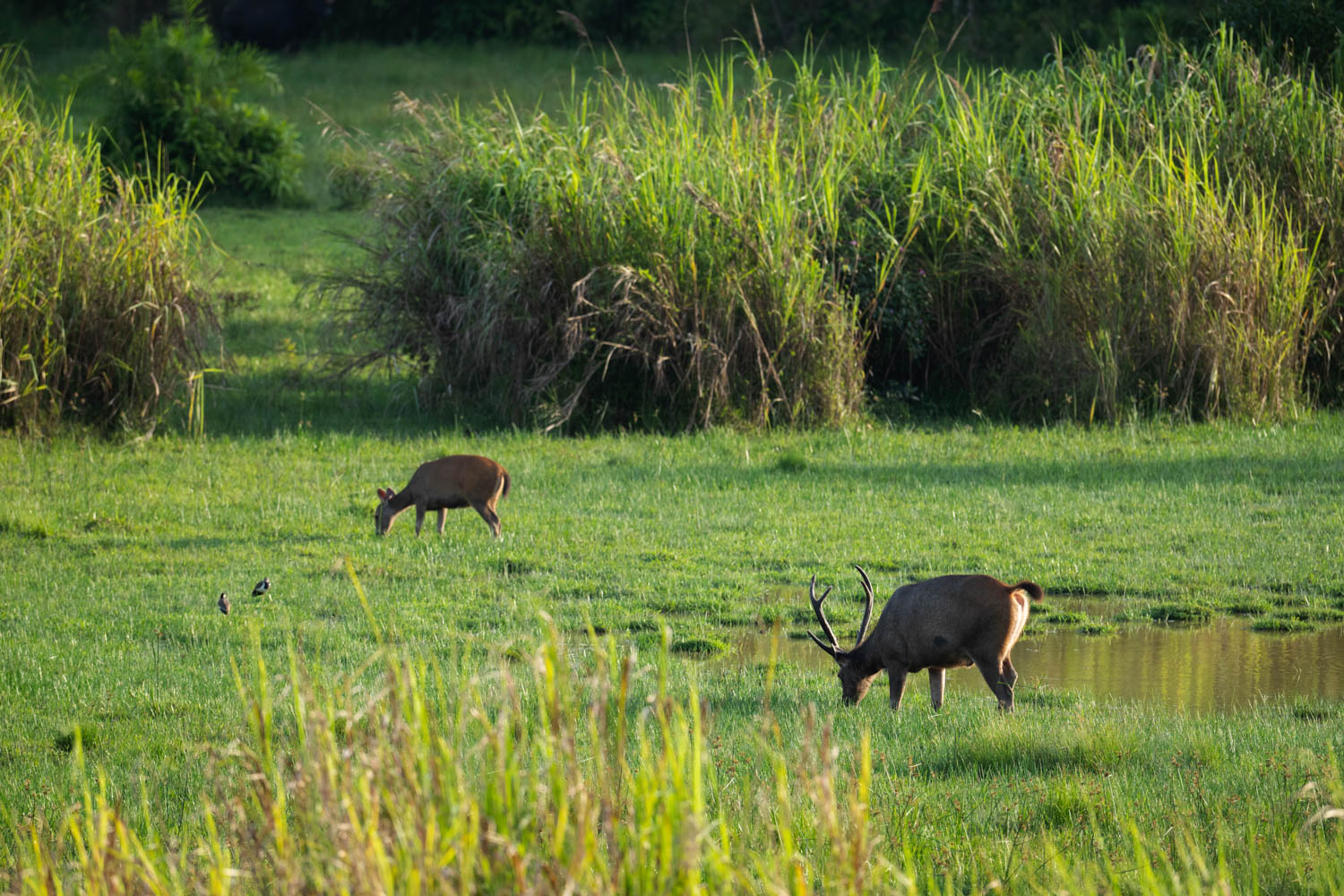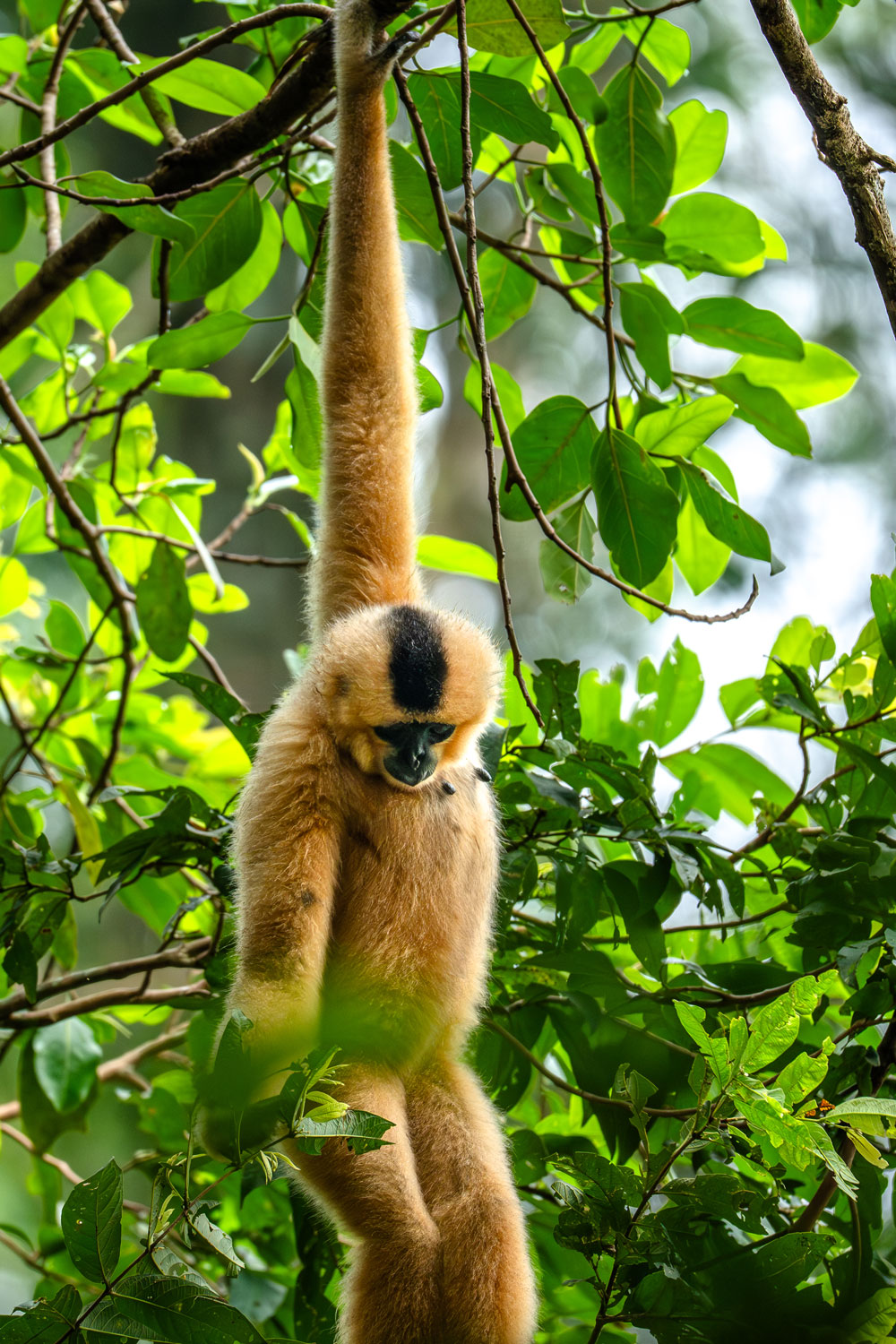
Live Camera will be avaialble soon. Check our daily updates below.


Live Camera will be avaialble soon. Check our daily updates below.
Welcome to a window into the heart of Vietnam’s wilderness. Our live camera, stationed deep within the protected zones of Cat Tien National Park, offers a 24/7 unedited look at life in the jungle.
To ensure the safety of our wildlife and prevent interference with delicate habitats, the exact coordinates of this camera remain confidential. However, through this lens, you can witness the secret lives of rare birds and mammals as they roam freely.
This isn't just a video feed. We plan to integrate Katien AI Sentinel, a real-time smart monitoring system powered by high-precision cameras, a dedicated AI server, and tailor-made algorithms designed to protect and study the biodiversity of Cat Tien National Park, identifying wildlife in real-time to help researchers track biodiversity while ensuring our guests never miss a moment of nature. As you watch, the AI labels the animals and birds it spots, contributing to a continuous analytical report on the biodiversity of this specific corridor.
From dedicated ranger patrols and researchers to the rare glimpse of an elusive predator, you are seeing the park exactly as it is - wild and protected.
The data captured at this timestamp is vital for several project goals:
CAM001 | Date: January 12, 2026 | Timestamp: 00:21:42 – 00:21:48 (GMT+7)
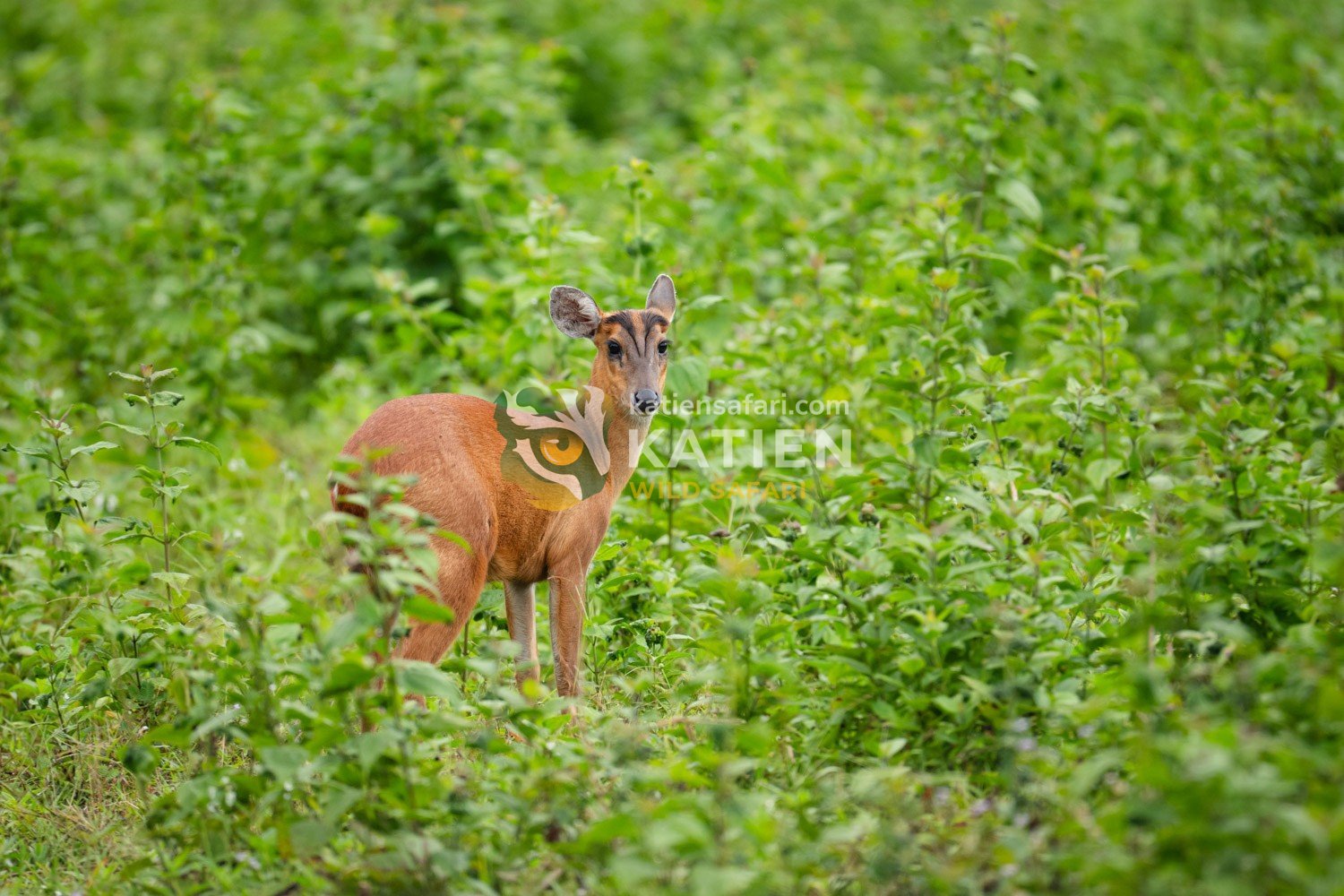
During the monitoring period, CAM001 recorded a significant gathering of barking deer. The footage confirms a high level of site utilization by a social group, providing data on herd density and nocturnal foraging patterns.
Behavioral analysis:
CAM001 | Date: January 12, 2026 | Timestamp: 06:35:51 – 06:36:07 (GMT+7)
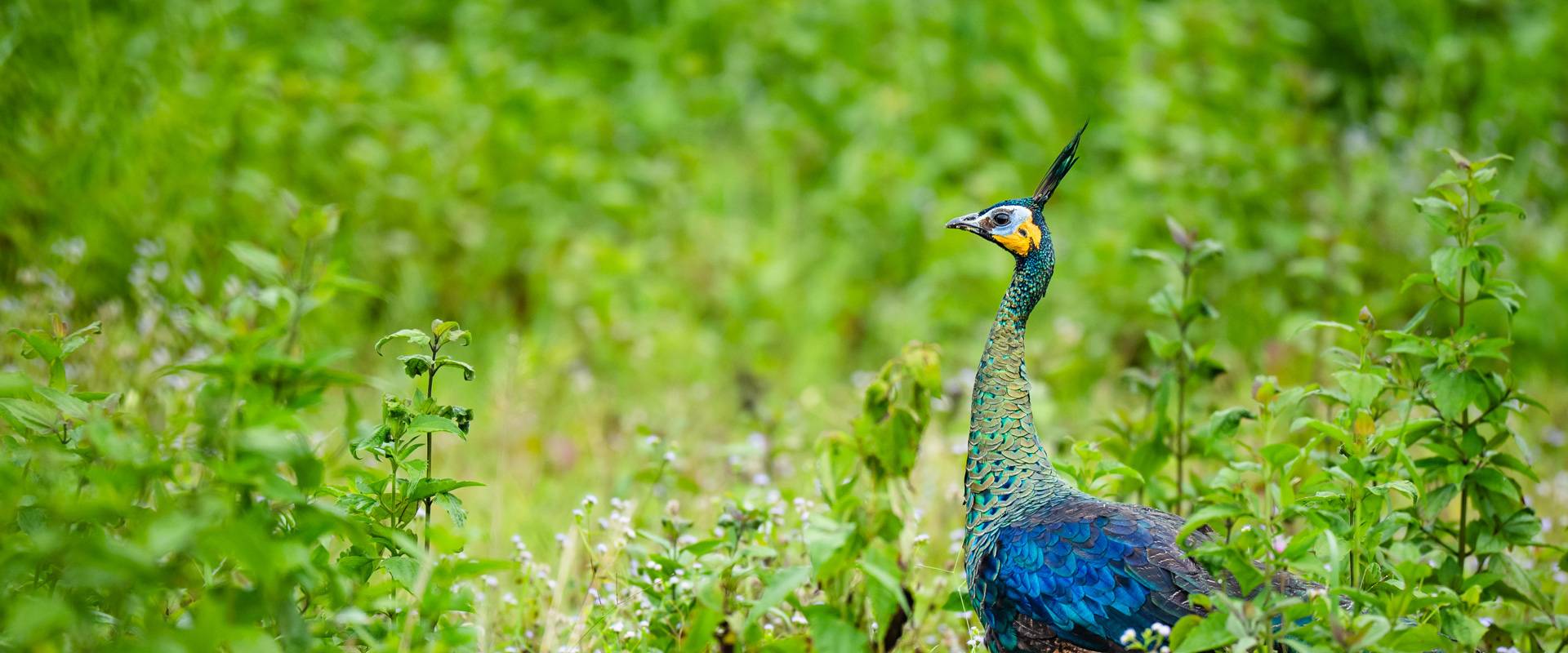
The most prominent activity in the video involves a group of Green Peafowl. Notice the distinctive upright crest on their heads and the vibrant green-gold scales on their necks. Unlike the common Blue Peafowl, both males and females of this species have green scaly necks. This species is Endangered. Cat Tien is one of the last strongholds for the Green Peafowl in Vietnam.
Behavior:
Besides green peafowl, other bird species were also recorded.
This footage is a great example of the park's "dry season" ecology. Since natural water sources in the forest dry up, these permanent or semi-permanent waterholes become critical "hubs" for wildlife.