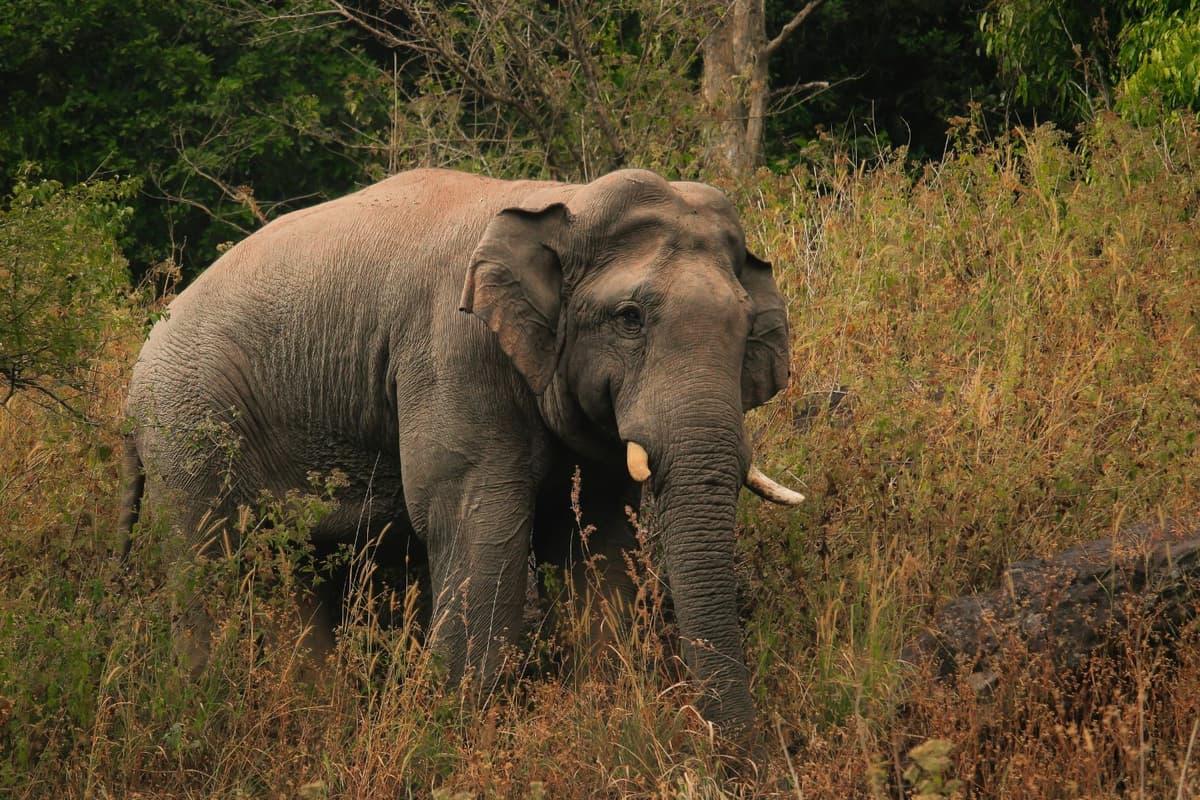
The Asian elephant (Elephas maximus) is the largest land animal in Asia and one of the smartest creatures on Earth. Known for its gentle nature and strong memory, it is also an excellent swimmer that can dive and use its trunk as a snorkel. You can often see it using its flexible trunk to pick up food, tapping it with its feet before curling it up to eat. Its large ears flap playfully to chase away insects, creating many adorable moments. Sadly, only around 50,000 individuals remain in the wild today. Listed as Endangered by the IUCN, the Asian elephant faces serious threats from habitat loss and human conflict.
| Common name | Asian Elephant |
|---|
| Scientific name | Elephas maximus |
|---|
| Taxonomy | Class: Mammalia → Order: Proboscidea → Family: Elephantidae → Genus: Elephas → Species: E. maximus |
|---|
| Weight / Size | Adult males weigh 3,000 – 6,000 kg and stand 2.7 – 3.7 m tall; females are smaller. |
|---|
| Lifespan | Around 60 – 70 years in the wild. |
|---|
| Population | Estimated 48,000 – 51,000 individuals in the wild (as of 2018). |
|---|
| Habitat | Tropical and subtropical forests, grasslands, and scrublands. |
|---|
| Range | India, Nepal, Bhutan, Bangladesh, Myanmar, Thailand, Laos, Cambodia, Vietnam, Malaysia, Indonesia (Sumatra), and small populations in China. |
|---|
| Diet | Herbivore – feeds on grasses, leaves, bark, and fruits. |
|---|
| Conservation status | Endangered (EN) – IUCN Red List. |
|---|
Feature and Characteristic
The Asian Elephant (Elephas maximus) is the largest land animal in Asia and part of the world’s megafauna. Its body length ranges from 5.5 to 6.4 meters, with a tail about 1.2 – 1.5 meters long. The highest point is the head, not the shoulder like in African elephants. Its back is flat or slightly curved, and the thick, strong legs allow it to move easily through forests and muddy areas.
Males are much larger than females. Males stand 2.4 – 3 meters tall and weigh 3,500 – 6,000 kg, while females are 1.9 – 2.4 meters tall and weigh 2,000 – 3,500 kg. The skin is gray to brown, rough, and wrinkled, often with pink or white spots on the ears, head, or trunk. Adults have sparse, coarse hair, while young elephants have soft brown hair.
The trunk combines the upper lip and nose, containing over 40,000 muscles. It can lift heavy objects or pick up tiny items. The trunk is used for breathing, eating, drinking, touching, and communication. Only males usually have long tusks, while many females have none.
Asian elephants have smaller ears than African ones. Their thick skin protects them, while thin skin on the ears helps release heat.
The Asian elephant is Asia’s largest land mammal, smart and gentle by nature.
Subspecies of Asian Elephant
The Asian Elephant (Elephas maximus) is the only living member of the Elephas genus. The other elephant genus, Loxodonta, includes African elephants. These two groups separated about 6–9 million years ago and share a common ancestor from Africa.
Today, there are 4 main subspecies of Asian elephants recognized by the IUCN and conservation organizations:
Elephas maximus maximus – Sri Lankan Elephant
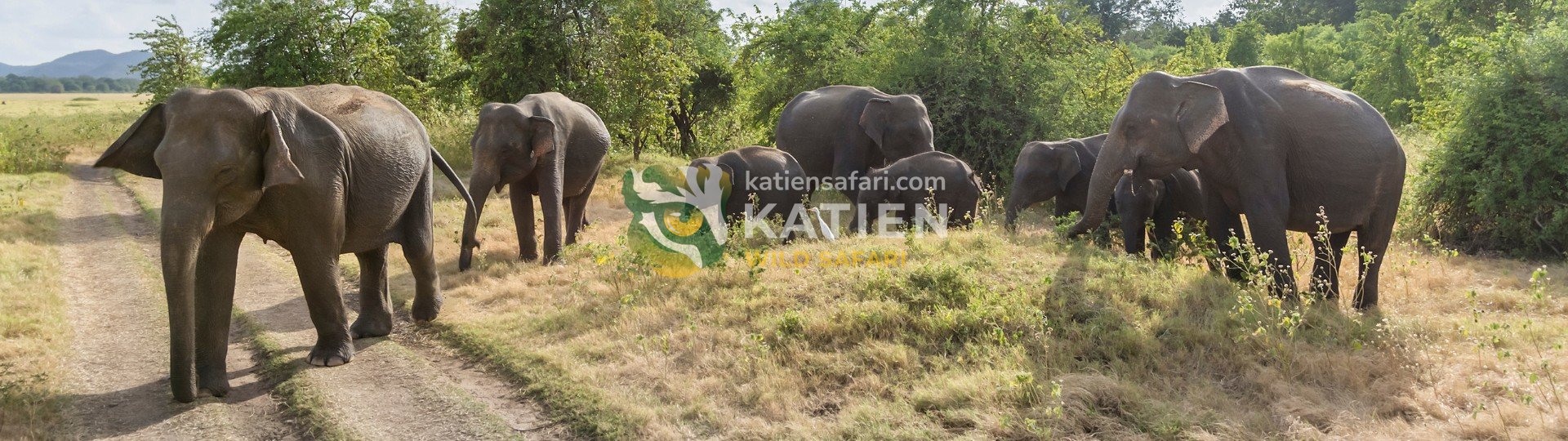
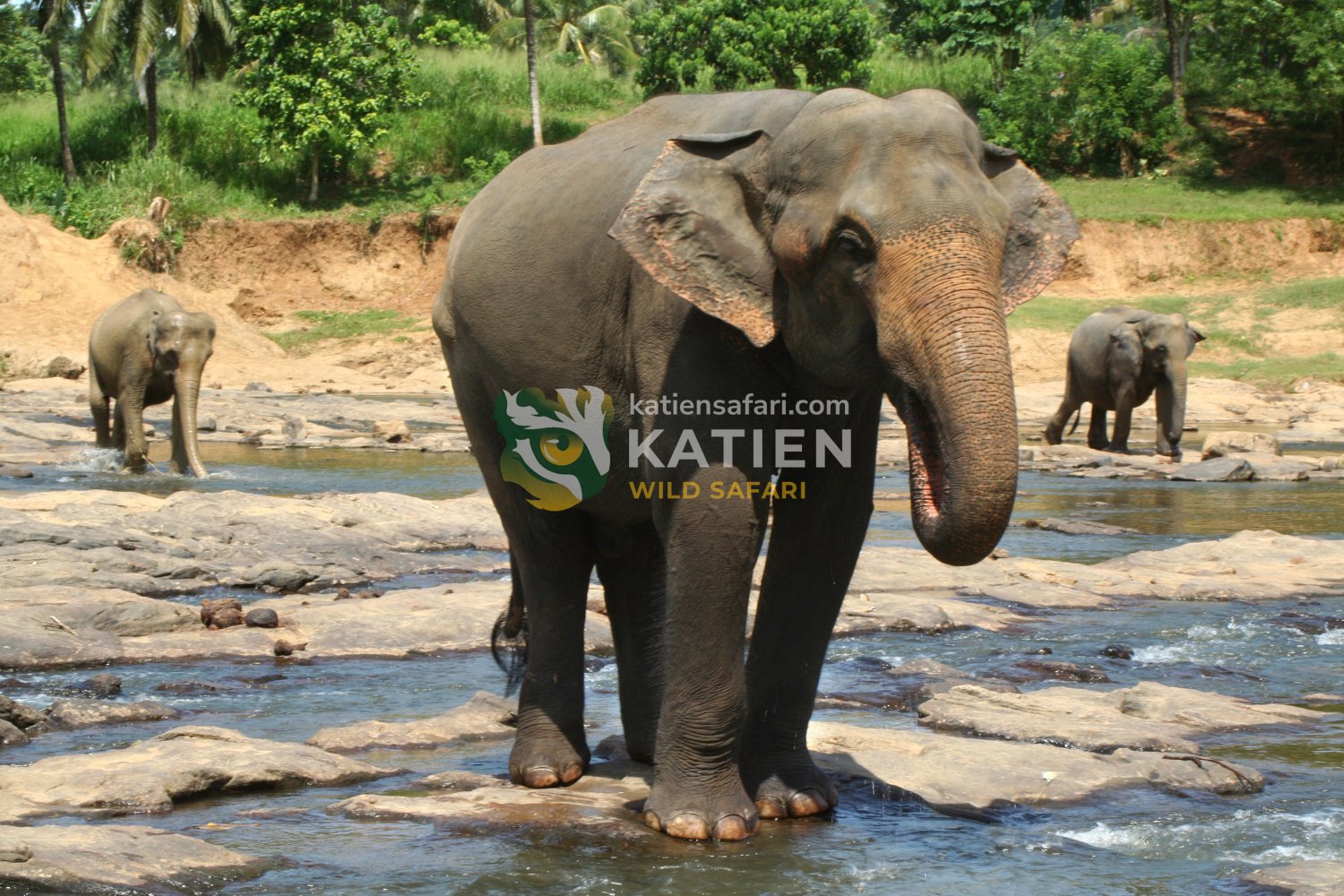
This subspecies lives mainly in Sri Lanka. It has dark skin, large size, and pink or pale spots on the ears and trunk. About 90 – 95% of males have no tusks, making it easy to recognize. They live in dry forests and lowland plains near water.
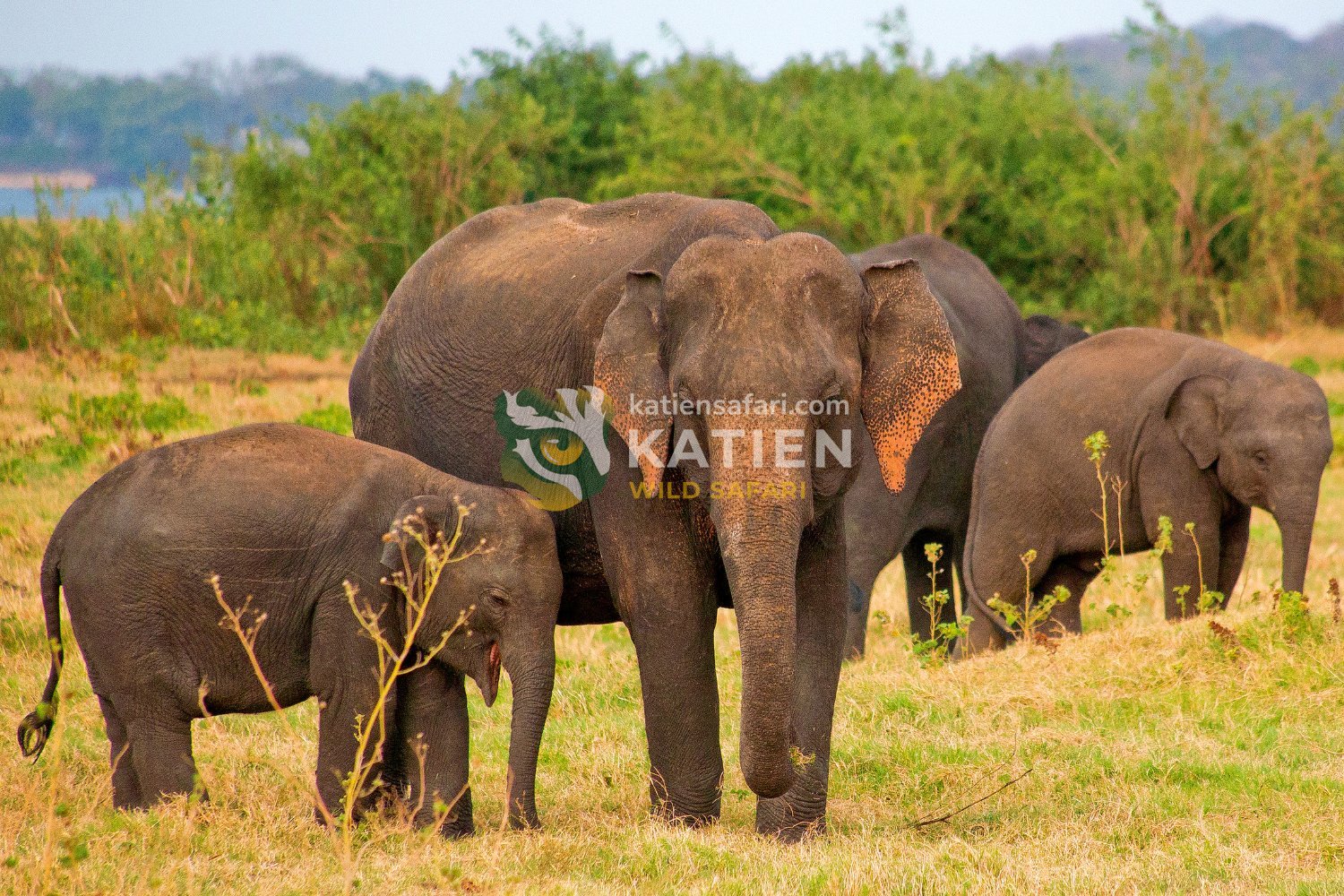
The Sri Lankan elephant thrives in lush forests with abundant water.
Elephas maximus indicus – Mainland Asian Elephant
The most common subspecies, found across South and Southeast Asia, including Vietnam. Its skin is gray or brownish gray, and males have long, curved tusks. It adapts well to rainforests, dry forests, and river valleys and plays an important role in Asian elephant conservation.
Elephas maximus sumatranus – Sumatran Elephant
Native to Sumatra, this is the smallest Asian elephant. It has round ears, a short tail, and lighter, smoother skin. Living in tropical forests, it suffers from habitat loss and conflict with people and is listed as Critically Endangered by the IUCN.
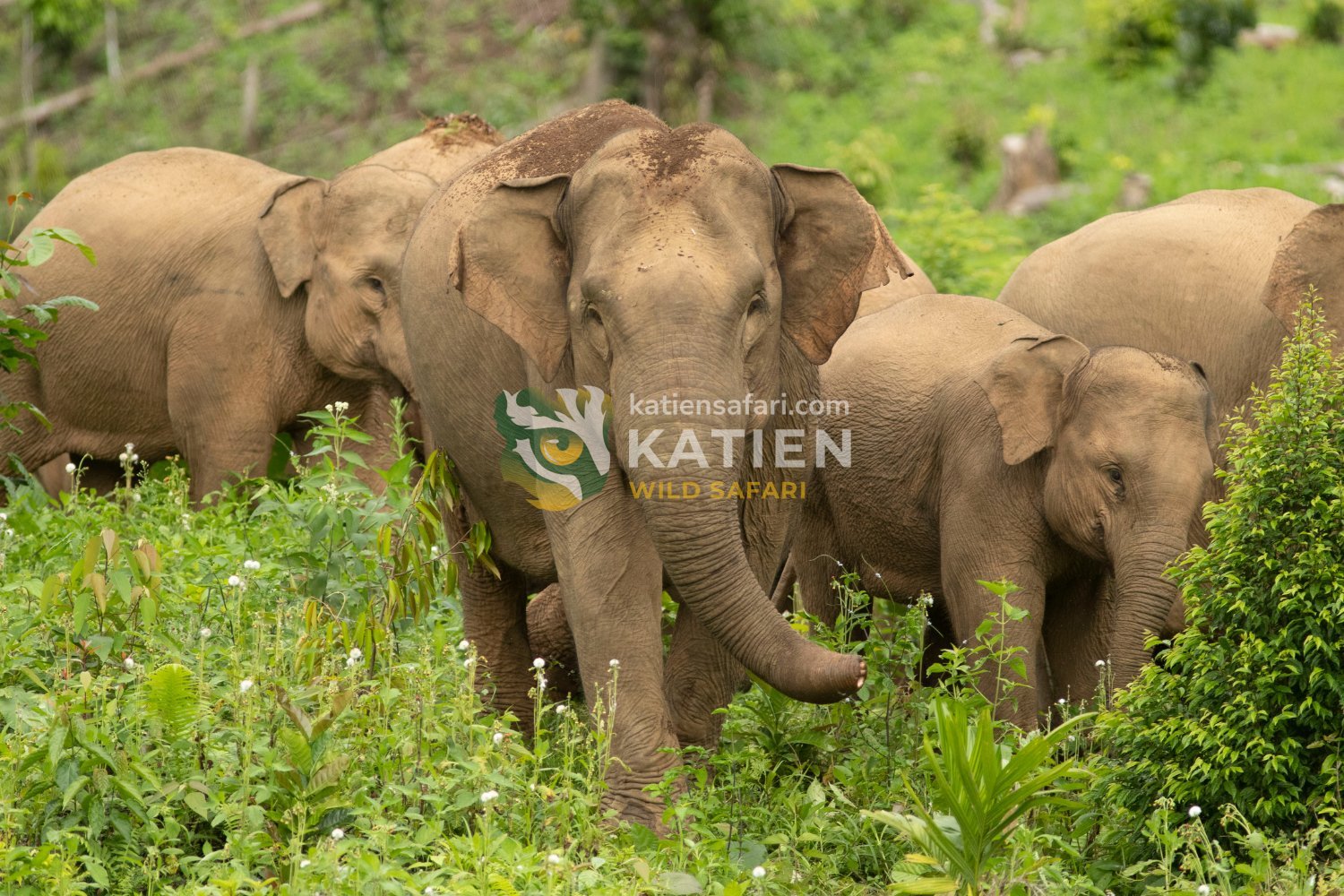
Sumatran elephants, smaller in size, inhabit dense island jungles.
Elephas maximus borneensis – Bornean Elephant
The Bornean elephant is found only on Borneo Island, mainly in Sabah (Malaysia) and Kalimantan (Indonesia). It is the smallest and gentlest of all subspecies, with a long tail that almost reaches the ground and slender tusks.
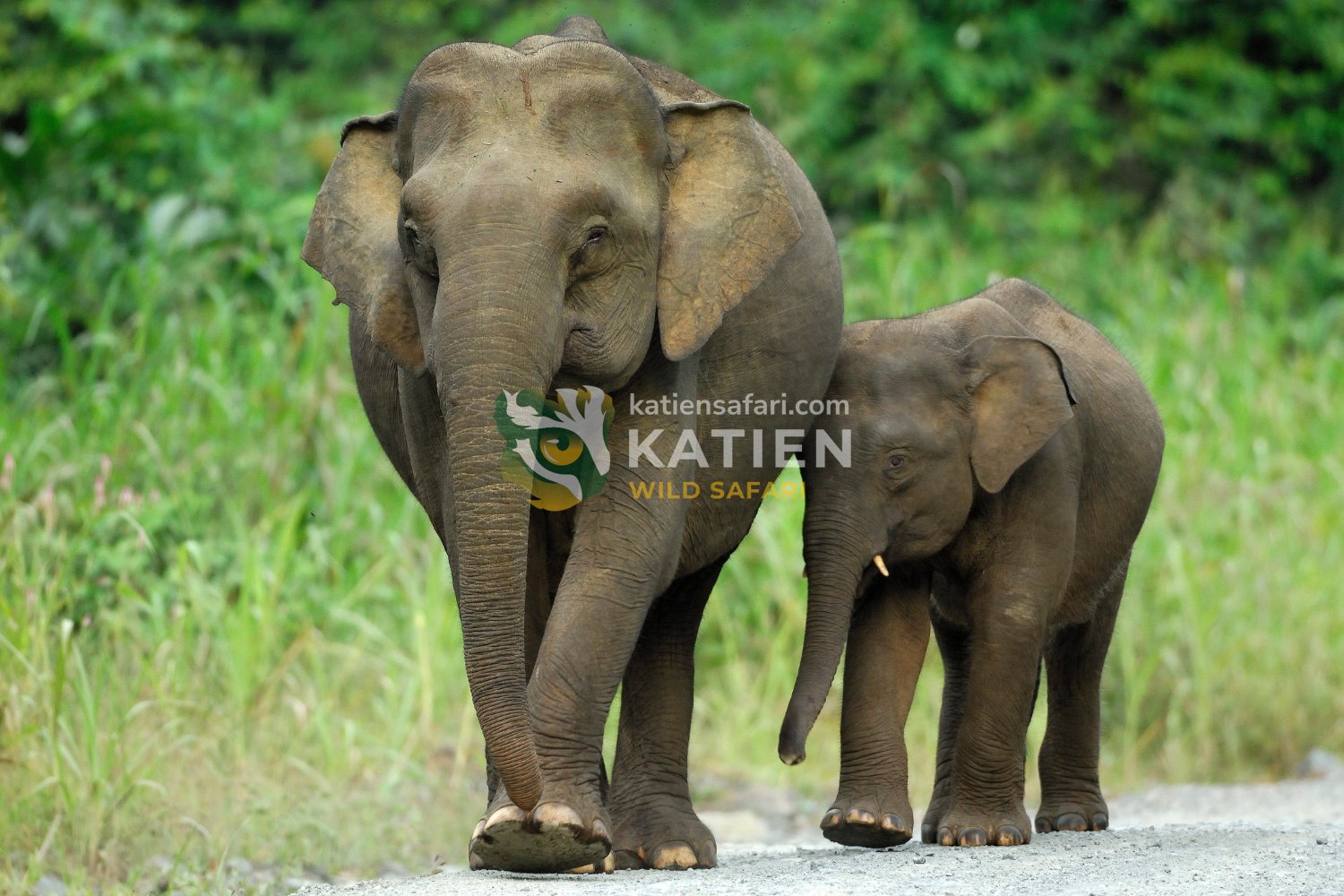
Bornean elephants display gentler behavior and unique physical traits.
Habitat and Distribution
Their Asian elephant habitat includes forest and grassland habitats, evergreen and deciduous forests, bamboo woods, and open scrublands. They can live from sea level up to 3,000 meters high. Elephants prefer shady areas near freshwater and often move into farmlands or forest edges to search for food.
Geographic Range
In the past, the Asian elephant range covered about 9 million km², stretching from Iraq to the Yangtze River in China. This wide Elephas maximus distribution included India, Sri Lanka, Southeast Asia, Sumatra, and Borneo. Today, the range has shrunk to only about 500,000 km², which is just 5% of its original area.
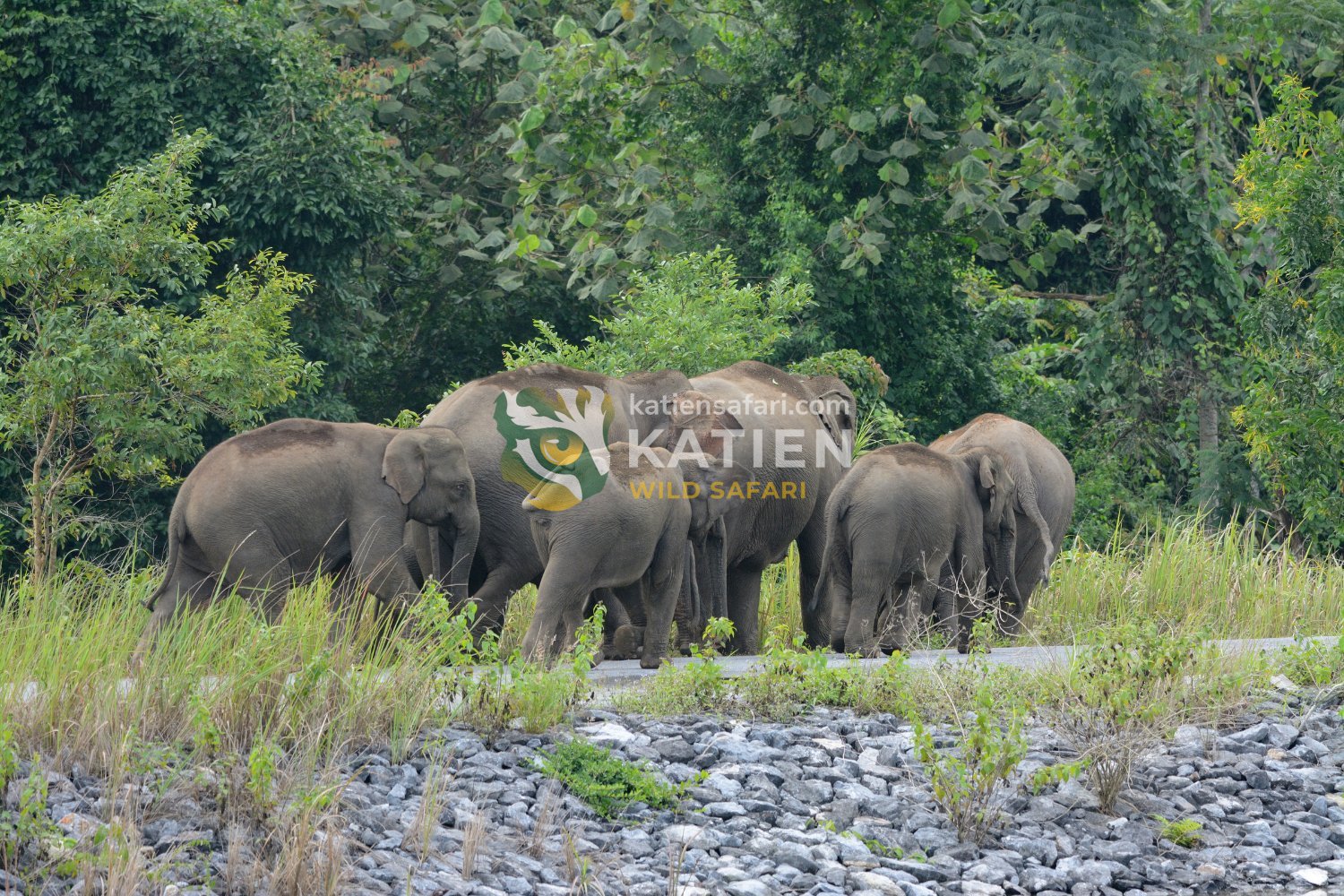
Asian elephants once roamed a vast global range from India to Southeast Asia.
Wild elephants now live in scattered populations across India, Nepal, Bangladesh, Myanmar, Thailand, Laos, Cambodia, Vietnam, Malaysia, Indonesia, China, and Sri Lanka. India holds the largest population. Lao, once called the “Land of a Million Elephants,” has only around 300 – 400 wild individuals left.
Distribution in Vietnam
In Vietnam, the Southeast Asia elephant population is listed as Critically Endangered, with only 100–120 individuals remaining in small, isolated groups.
- North: Son La (1 elephant).
- Central: Nghe An – Pu Mat (11–17), Ha Tinh – Vu Quang (3), Quang Nam – Bac Tra My and Hiep Duc (8–10).
- Central Highlands & South: Dak Lak – Yok Don (60–65, the largest herd), Lam Dong (1–2), Dong Nai – Cat Tien and Vinh Cuu (10–14), Binh Phuoc – Bu Gia Map (3–5).
Their habitats are mainly mixed forests and grasslands, including semi-deciduous forests, secondary forests, and open savannas. During the dry season, they often move to farmlands near forest edges for food.
Elephant in Cat Tien National Park (Dong Nai)
Today, elephants only remain in southern Cat Tien, as the northern group (Cat Loc) disappeared in the 1970s – 1980s. Around 10 – 14 elephants still move between the southern part of the park and the nearby La Nga Forestry Company.
The terrain ranges from 200 to 600 meters high, with about 70% deciduous forest and smaller areas of evergreen, bamboo, and riverine forests. During the dry season (Feb – May), elephants often leave the park to feed on grass and cashew fruits. In the rainy season (Jun – Nov), they expand their range to La Nga, where corn and rice are abundant.
Diet, Ecological Role, and Predators
Diet
The Asian elephant (Elephas maximus) has a herbivore diet and eats more than 100 kinds of plants. Every day, it consumes about 10% of its body weight, which equals 150 to 200 kilograms of food. Elephants spend around 12 to 18 hours a day eating.
The Asian elephant diet includes grass, leaves, bark, bamboo shoots, fruits, roots, and seeds. Sometimes, they also eat plants from the legume family and wild herbs. Elephants use their trunks to pull leaves, break branches, and dig for roots. They also use their feet to hold or gather food while eating.
In areas near villages and farms, elephants often eat crops such as rice, sugarcane, corn, bananas, and cassava. This behavior sometimes causes conflict between elephants and people.
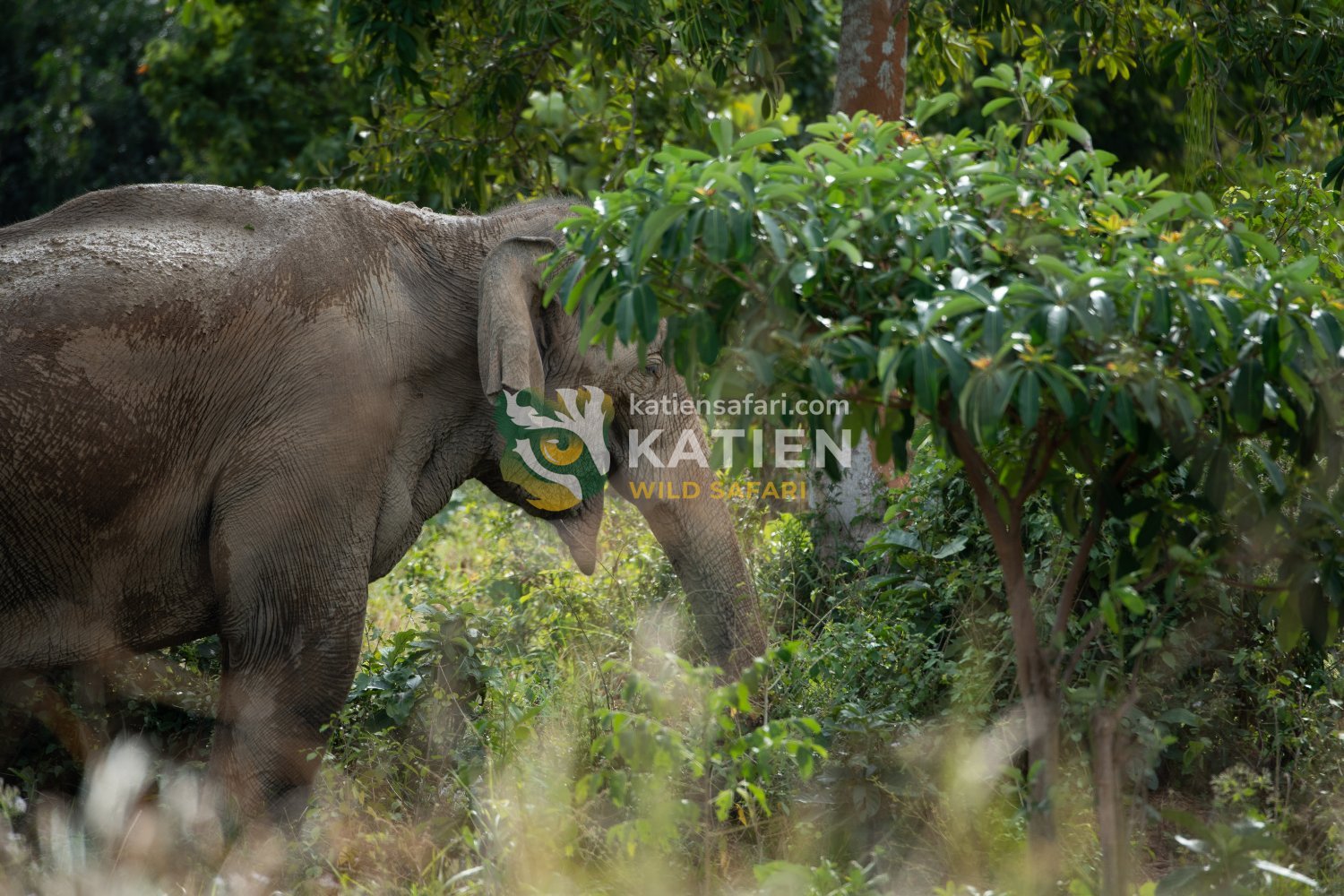
Their diet includes grasses, fruits, and bark from native tree species.
Role in Ecosystem
Asian elephants are keystone species that help keep forests and grasslands healthy. They spread seeds through their dung, which helps new trees grow and increases biodiversity. When elephants push down trees or clear bushes, sunlight can reach the ground and help small plants grow.
As they move through the forest, elephants create natural trails that other animals can use. Their dung also makes the soil richer with organic material. Because of their varied elephant eating habits, they help control plant growth and keep a balance between trees, grass, and shrubs.
Predators
The Bengal tiger (Panthera tigris) is the only animal known to attack young or weak elephants. To protect themselves, baby elephants stay close to their mothers and other adult females in the herd. When danger appears, elephants make loud calls to alert the group.
Behavior of the Asian Elephant
Asian elephants (Elephas maximus) are active both day and night. They spend most of their time walking, feeding, or searching for food. During the hottest hours, they rest under trees or near water. To stay cool, they splash water or mud on their skin and flap their ears to release heat.
They are nomadic animals, moving often to find food and water. Elephants can swim, climb hills, and run up to 32 km/h. Their home range varies from 20 to 1,000 square kilometers, depending on food and water sources. They are not territorial but usually stay in familiar areas. In some places, farms and roads have blocked their old migration routes.
Communication is essential in elephant behavior. They use sound, touch, smell, and even ground vibrations to share messages. Their calls include trumpets and deep rumbles. Elephants are highly intelligent, with strong memories and emotional awareness. For example, there is a story about an elephant named Chadrasekhan. He refused to put a wooden pole into a hole because a dog was sleeping inside, and only did it after the dog left. They even use tools, such as branches, to brush away flies or scratch their backs.

The elephant flings sand onto its back to cool down and protect its skin.
Life Cycle and Reproduction
Asian elephants (Elephas maximus) live in close family groups led by an older female called the matriarch. Each herd usually has 5 – 20 related females and their young. Adult males leave the herd when mature and live alone or in small bachelor groups, returning only during mating season. This Elephas maximus social structure protects calves and helps females teach the young how to survive.
Asian elephants are polygynous, meaning one male may mate with several females. Females come into heat for 3 – 7 days every few years and often choose strong males in musth, a period of high energy and testosterone. Pregnancy lasts about 20 – 23 months, producing one calf weighing around 100 kg. Calves drink milk for two years and become independent at about five.
Elephants can live 60 – 70 years in the wild. Females reach sexual maturity around 10 – 15 years, while males often breed later, after 20. Their lives end naturally when their last teeth wear out and they can no longer eat.
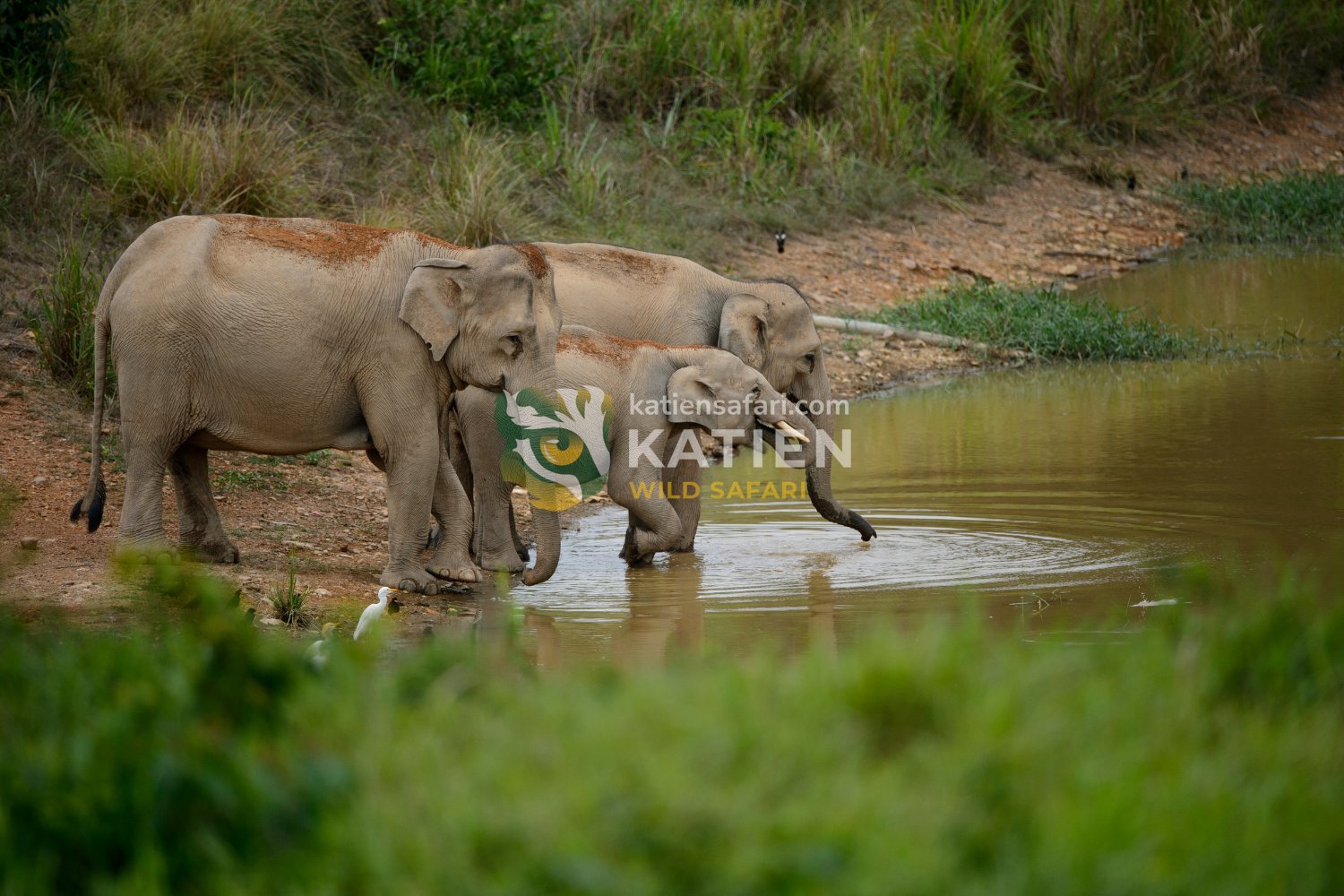
Mothers nurture calves for years, forming strong social family bonds.
Threats and Conservation
Major Threats to the Asian Elephant
The Asian elephant (Elephas maximus) is listed as Endangered on the IUCN Red List. Its biggest threats include habitat loss, human–elephant conflict, poaching, and shrinking isolated populations. Forests are being cleared for agriculture, roads, and cities, leaving elephants with only 5% of their original range. Hydropower projects and climate change make migration even harder, trapping elephants in small, fragmented habitats.
Conflicts occur when elephants enter farms to find food like rice, corn, or sugarcane. This causes serious damage and sometimes injuries or deaths on both sides. In Vietnam, such incidents are most common near Cat Tien and Dak Lak, where elephants seek crops and salt. Despite strict protection under CITES Appendix I, elephant poaching for ivory, skin, and meat continues. Only males have tusks, so hunters mainly target them, leading to fewer breeding males and unbalanced herds.
Conservation Efforts
Efforts for Asian elephant conservation aim to protect both wild and captive populations through law enforcement, habitat recovery, and education. The species is safeguarded by international and national laws such as India’s Wildlife Protection Act (1972) and Vietnam’s Decree 64/2019 and 84/2021. Governments in Vietnam and Laos have established protected areas for elephants like Cat Tien and Nam Pouy.
Conservation projects also focus on restoring forest corridors, creating natural water and salt licks, and reducing conflict through community conservation elephant programs. These include electric fences, insurance for farmers, and training on safe coexistence. Scientists use tools like camera traps and DNA testing to monitor herds and guide protection plans. Together, these combined Elephas maximus protection efforts help secure the future of Asian elephants across Southeast Asia.
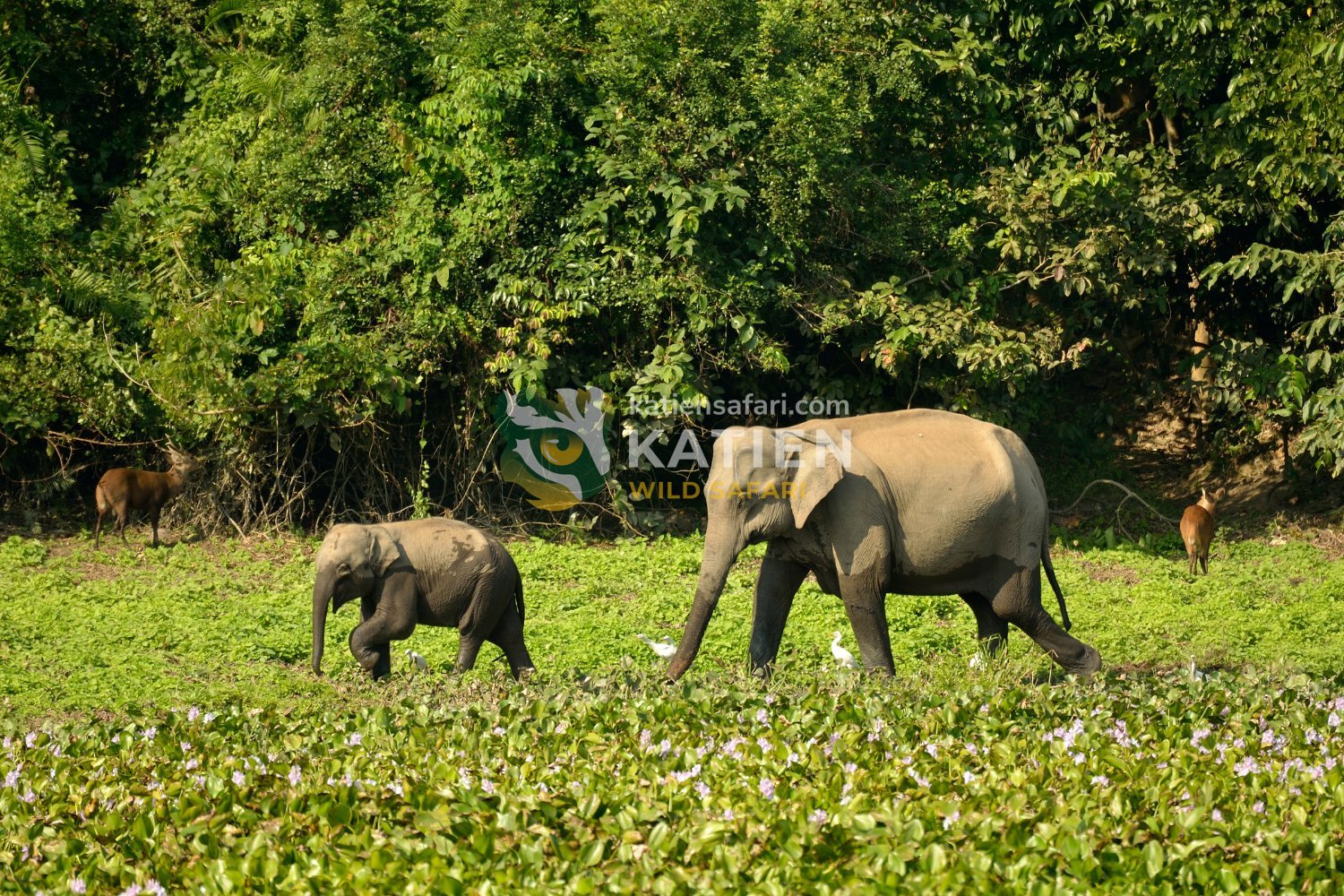
Conservationists protect elephants via patrols and habitat restoration.
Observe the Asian Elephant on a Safari Tour - Coming Soon
Visitors will soon have a chance to join a small, guided safari in Cat Tien National Park to observe Asian elephants (Elephas maximus) in their natural forest and grassland habitats. The experience promotes responsible tourism, respecting wildlife, keeping a safe distance, and supporting Asian elephant conservation.
Safety tips for visitors:
- Always stay with your guide and follow park rules.
- Keep a minimum distance of 25 - 30 meters from elephants.
- Stay calm and quiet, avoid loud noises or sudden movements.
- Never feed or try to approach the elephants.
- If an elephant shows warning signs (ear flapping, trunk raised, or mock charge), slowly move back with your guide’s help.
- Leave no trash behind to protect the environment.
This upcoming tour of Katien Safari in Cat Tien aims to offer a safe, educational, and unforgettable encounter while helping protect the future of Asian elephants.
Interesting Facts about the Asian Elephant
- The Asian elephant is more closely related to the woolly mammoth (Mammuthus) than to the African elephant.
- Though the largest land mammal in Asia, its closest living relatives are manatees and dugongs from the Sirenia group.
- Elephant pants in Thailand are inspired by the Asian elephant and are popular souvenirs for their comfort and colorful designs.
- They eat many types of plants because their simple stomach cannot digest all toxins from vegetation.
- The Asian elephant was among the first large animals domesticated over 4,600 years ago in the Indus Valley.
Reference
- Đặng Huy Phương. (2023). Elephas maximus (Voi châu á). Danh lục Đỏ Việt Nam.
- Diaz Osorio, F., Sharma, S., Gulati, S., & Sekar, N. (2025). Where the Wild Elephants Are: Assessing the Distribution of Asian Elephants Using Media Reports. Gajah, 58, 4–10. https://doi.org/10.2305/UYID5088
- Karkala, N. (2016). Elephas maximus (Asiatic elephant). Animal Diversity Web.
- San Diego Zoo Wildlife Alliance. (2024). Asian Elephant (Elephas maximus) Fact Sheet. LibGuides at International Environment Library Consortium (San Diego Zoo Wildlife Alliance). http://ielc.libguides.com/sdzg/factsheets/asianelephant
- Varma, S., Dang, N. X., Thanh, T. V., & Sukumar, R. (2008). The Asian elephants Elephas maximus of Cat Tien National Park, Vietnam: status and conservation of a vanishing population. Oryx, 42(1), 92–99. https://doi.org/10.1017/S0030605308010090.