The leopard (Panthera pardus) is one of the world’s most fascinating big cats, powerful, graceful, and full of mystery. Its English name “leopard” comes from the ancient Greek leopardos, a blend of leōn (lion) and pardos (spotted). Known as a master of stealth and camouflage, the leopard can run up to 58 km/h, leap over 6 meters, and even swim across rivers with ease. It thrives in forests, deserts, and mountains, adapting to places where few predators can survive. Yet behind this beauty lies a tragedy: the leopard has lost over 70% of its historic range, and several subspecies, including the Indochinese leopard, are now on the edge of extinction.
| Common name | Leopard |
|---|
| Scientific name | Panthera pardus |
|---|
| Taxonomy
|
Kingdom: Animalia
Phylum: Chordata
Class: Mammalia
Order: Carnivora
Family: Felidae
Genus: Panthera
Species: Panthera pardus (Leopard)
|
| Weight / Size | ~28–90 kg; body length ~1.6–2.3 m including tail; shoulder height ~60–70 cm |
|---|
| Lifespan | Wild ~10–12 years (up to ~17); Captive ~21–23 years. |
|---|
| Population | About 130.000 |
|---|
| Habitat | Forests, savannas, mountains, to semi‐desert regions |
|---|
| Range | More than 60 countries across Africa and Eurasia, including South Africa, India, Russia, China, Indonesia, and Turkey |
|---|
| Diet | Small to medium mammals, birds, reptiles |
|---|
| Conservation status | Vulnerable (IUCN Red List) |
|---|
Characteristic of the Leopard
The leopard (Panthera pardus) is a large, agile, and powerful cat known for its strength and adaptability. It is the smallest member of the Panthera genus, which also includes the lion, tiger, jaguar, and snow leopard.
Leopards have slender yet muscular bodies, short limbs, and broad heads. Their body length ranges from 92 to 183 cm, with tails measuring 66 to 102 cm. Males stand about 60–70 cm tall at the shoulder, while females are slightly smaller at 57–64 cm. Adult males typically weigh between 31 and 72 kg, with some reaching 91 kg, whereas females weigh 20 to 43 kg. Their lifespan averages 12–17 years in the wild and can extend up to 24 years in captivity.
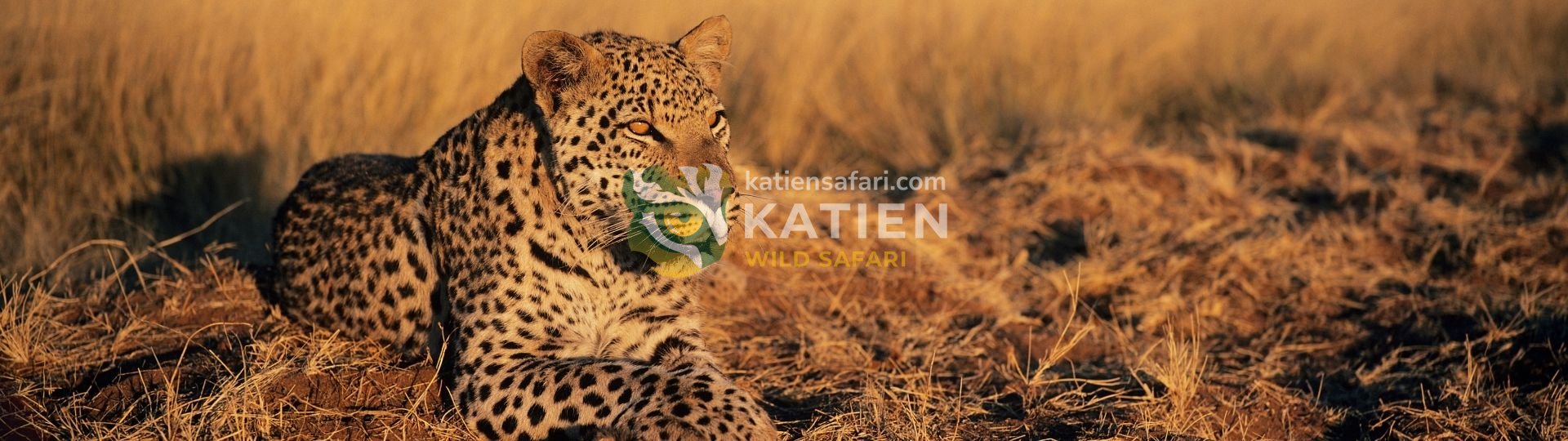
Their fur is soft and dense, ranging from pale yellow to deep gold, covered with distinctive black rosettes that help them blend into their surroundings. The pattern of spots is unique to each individual. Leopards have long tails for balance, powerful jaws capable of lifting prey heavier than themselves, and excellent hearing. They are fast runners, capable of reaching 58 km/h, can leap over 6 m, and climb trees skillfully, even headfirst.
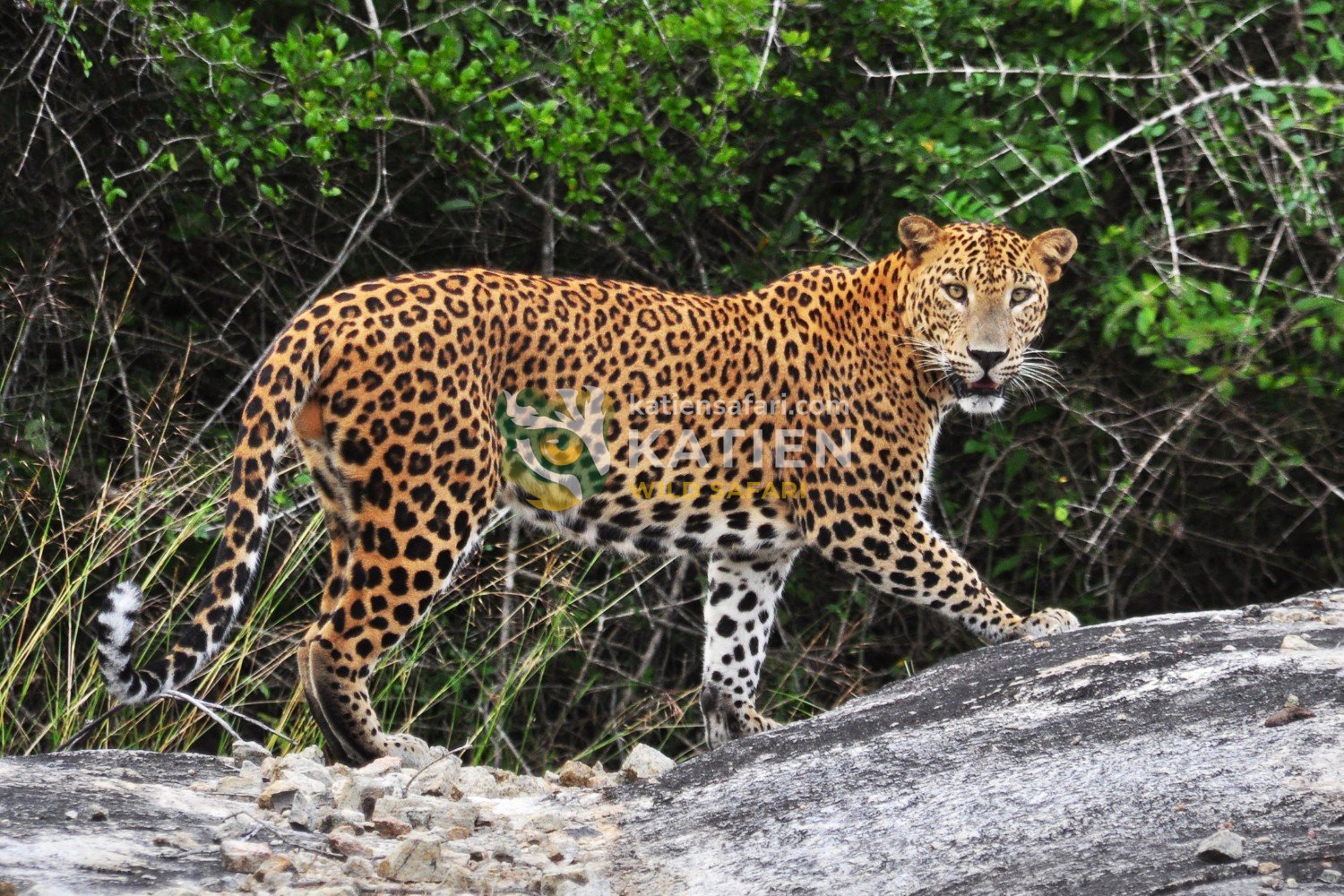
The leopard shows incredible strength, agility, and stealth in every move.
Geographical Distribution and Habitat
The leopard (Panthera pardus) is the most widespread big cat in the world, once found across Africa and Asia from the Middle East to the Pacific. Today, its range has shrunk to only 25–37% of its historical extent since 1750. Leopards now survive in 62 out of 85 countries where they once lived, but many populations are small or isolated.
Geographical Distribution
Leopards historically roamed almost all of Africa and much of Asia. Now, Africa still holds most of the population, while Asia has lost up to 87% of its leopard range. In Africa, the species has disappeared from 99% of North Africa, 86–95% of West Africa, but remains more stable in Southern Africa.
Globally, scientists estimate around 131,000 leopards remain, though this number varies widely by region. The African leopard is the most common, covering about 78% of the species’ remaining range. In Asia, several subspecies are critically endangered:
- Amur leopard – only about 100–120 individuals remain in Russia and China.
- Arabian leopard – around 100 left in Oman and Yemen.
- Indochinese leopard – fewer than 1,000 remain across Southeast Asia. It has likely disappeared from Vietnam and Laos, and is nearly extinct in Cambodia.
Other subspecies like the Persian, Sri Lankan, and Indian leopards survive in smaller, scattered populations.
Habitat
Leopards are extremely adaptable. They live in tropical forests, savannas, grasslands, deserts, and mountains up to 2,500m. They prefer areas with dense vegetation, rocky terrain, or tree cover to hide and hunt. They are also the most tree-dwelling (arboreal) of all big cats and often rest on tree branches.
In Southeast Asia, the Indochinese leopard inhabits evergreen, dry, and mixed forests but now survives mostly inside protected areas in Thailand and Malaysia. In colder regions, the Amur leopard lives in temperate forests where winter temperatures drop to –25 °C. In Sri Lanka, leopards even adapt to tea plantations and human-dominated landscapes.
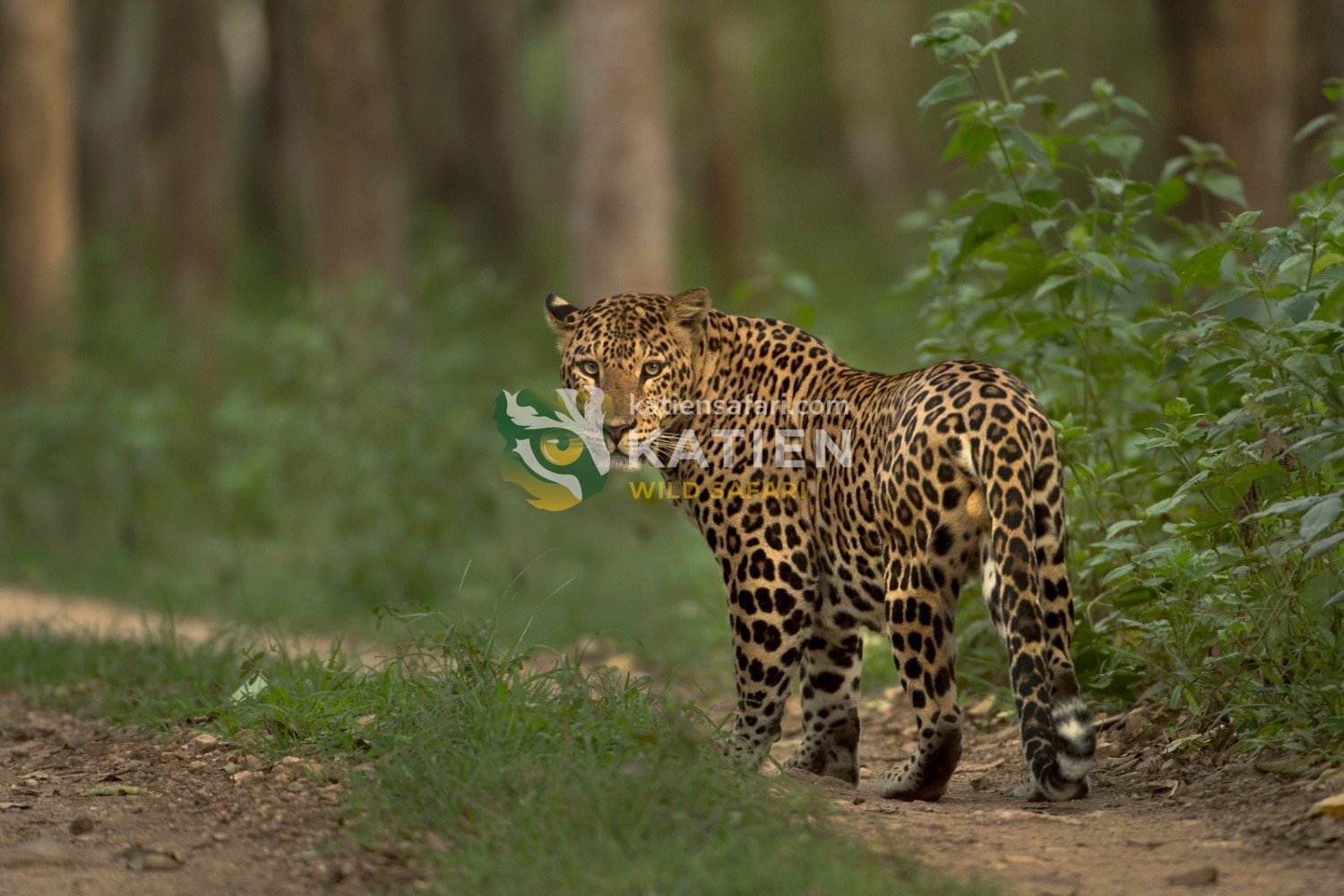
Leopards live across Africa and Asia, adapting to many environments.
Distribution in Vietnam
The leopard found in Vietnam is the Indochinese leopard. This subspecies is listed as Critically Endangered. There are currently no known viable populations left in the country. It is believed that the Indochinese leopard has become functionally extinct or possibly completely extinct in Vietnam.
The last confirmed record of a leopard in Vietnam was in the early 2000s at Yok Don National Park in Đắk Lắk Province, Central Vietnam. However, researchers suggest that this individual might have come from nearby populations in eastern Cambodia.
Subspecies of Leopard
The leopard (Panthera pardus) has the widest range of all big cats, once spread across Africa and Asia. Today, its range is much smaller, and only 8 subspecies are officially recognized by the IUCN Cat Specialist Group. 3 of these subspecies make up nearly 97% of the leopard’s remaining range.
Main Subspecies of Leopard
- African Leopard (Panthera pardus pardus): This is the most widespread subspecies, found throughout Sub-Saharan Africa. It accounts for about 78% of the species’ total current range and is listed as Near Threatened by the IUCN.
- Indian Leopard (Panthera pardus fusca): Native to the Indian subcontinent, Myanmar, and southern Tibet, this subspecies covers around 12.5% of the global leopard range. It is also listed as Near Threatened.
- Persian or Central Asian Leopard (Panthera pardus saxicolor / tulliana): Found from eastern Turkey and the Caucasus to Iran and the western Himalayas, it is classified as Endangered due to severe habitat loss and fragmentation.
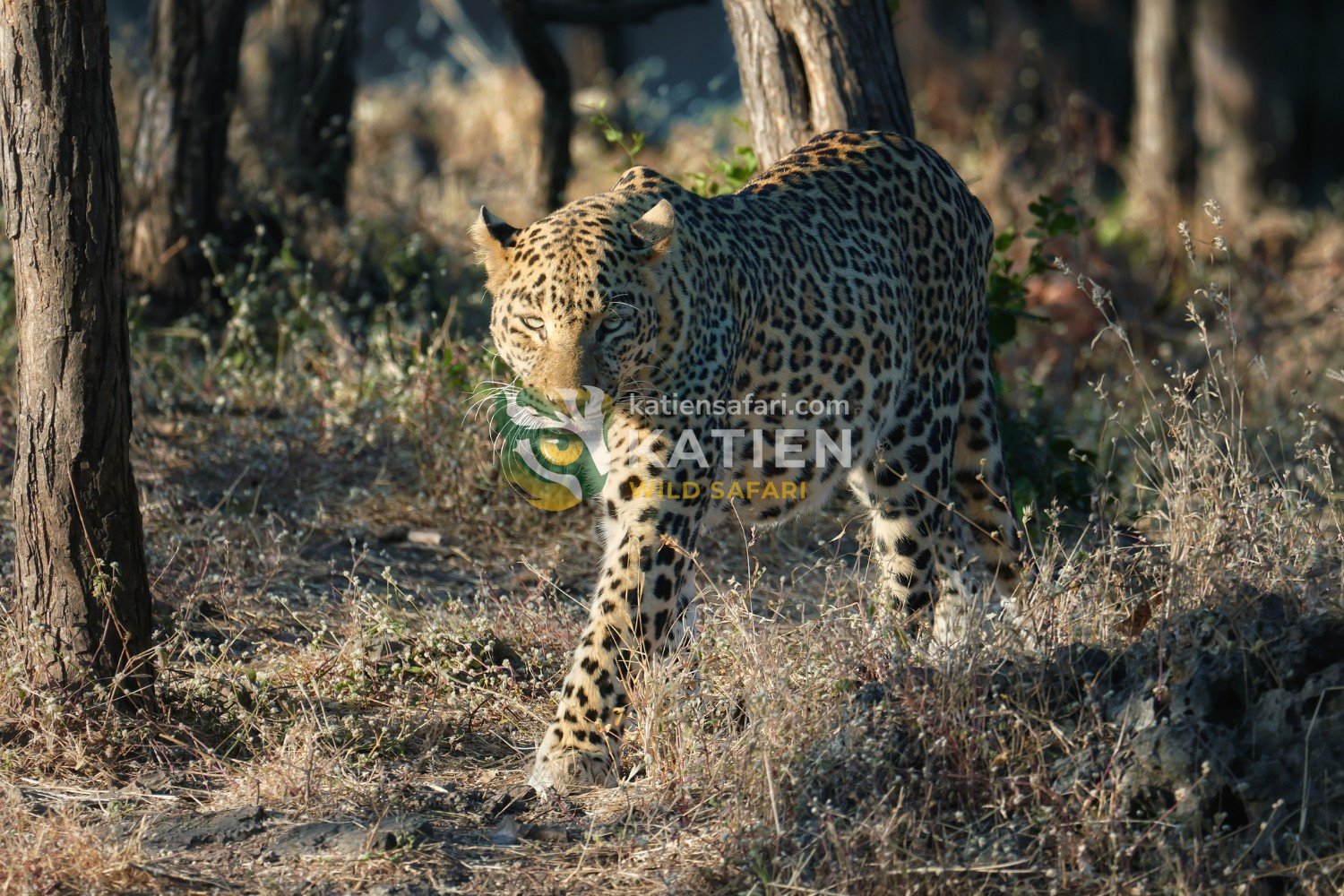
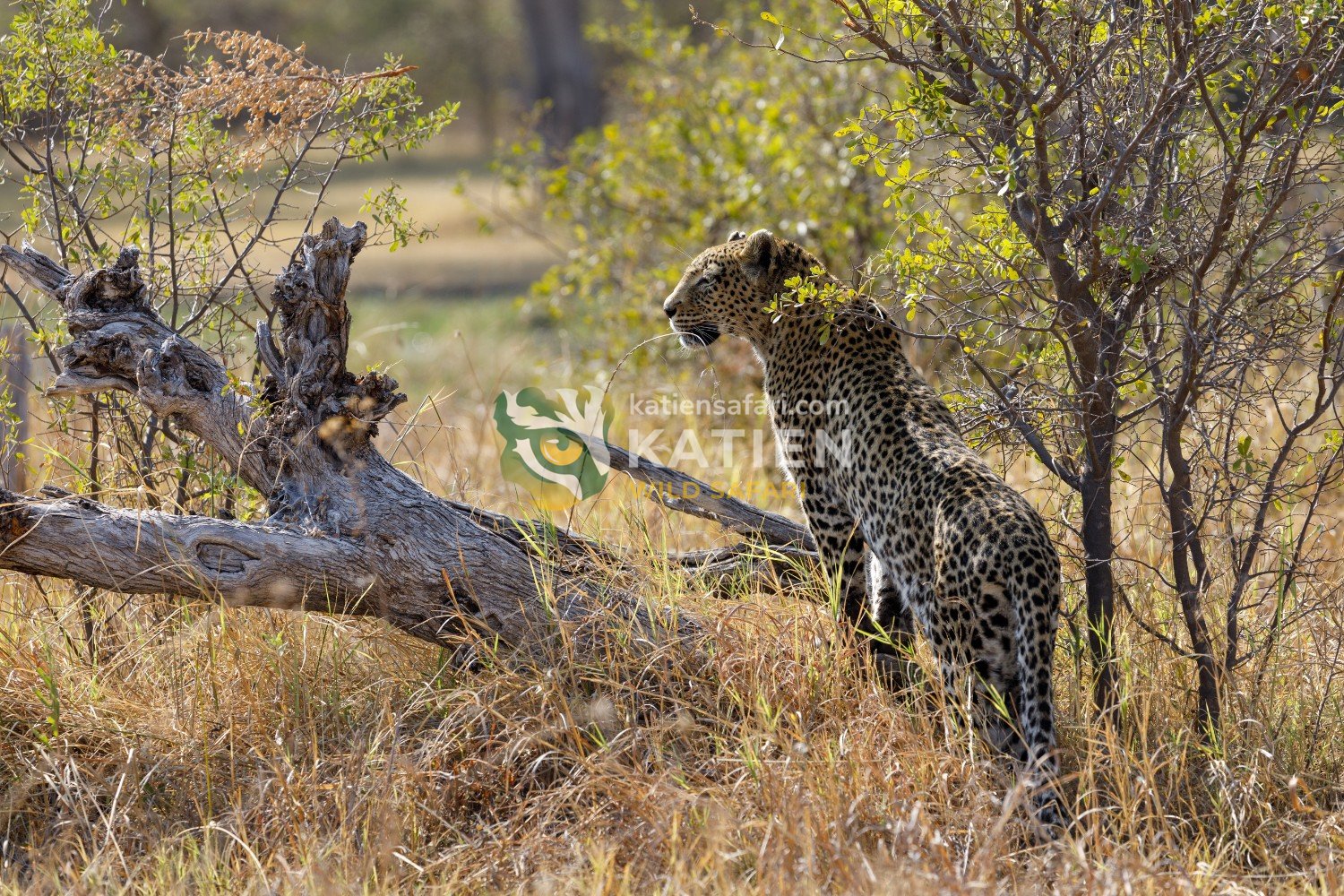
The African leopard roams vast savannas and forests, blending perfectly into the wild.
Critically Endangered Subspecies in Asia
Asian leopards have suffered the most severe range decline from 83 to 87% lost. 6 subspecies now occupy less than 100,000 km² each, surviving in small, isolated habitats.
- Amur Leopard (Panthera pardus orientalis): Native to Far East Russia and northeast China, this subspecies has lost 98% of its range and now exists in only 2% of its historic area. It is Critically Endangered.
- Arabian Leopard (Panthera pardus nimr): The smallest subspecies, found on the Arabian Peninsula, now occupies only 2% of its former range and is also Critically Endangered.
- North Chinese Leopard (Panthera pardus japonensis): Endemic to China, this subspecies has lost about 98% of its historical range and is recommended for Critically Endangered status.
- Indochinese Leopard (Panthera pardus delacouri): Found across mainland Southeast Asia and southern China, it has lost 93–96% of its historical range and now occupies only 4%. It is Critically Endangered and likely functionally extinct in Vietnam and Laos, nearly extinct in Cambodia and China. This subspecies is notable for its high rate of black leopards, with almost 100% melanism in Peninsular Malaysia.
- Javan Leopard (Panthera pardus melas): Endemic to Java, Indonesia, it is Critically Endangered and has the smallest remaining core habitat among all subspecies, mostly confined to fragmented forest edges.
- Sri Lankan Leopard (Panthera pardus kotiya): Endemic to Sri Lanka, this subspecies still occupies about 37% of its original range and is listed as Endangered.
Social Structure and Solitary Behavior
Leopards (Panthera pardus) are solitary animals that live and hunt alone. They only meet during mating or when a mother raises her cubs. Males control large territories that often overlap with several females. This helps them find mates more easily. Females have smaller ranges that may overlap, especially between mothers and daughters.
The size of a leopard’s territory depends on the habitat and the amount of prey. In dry or mountain areas, they need larger ranges. Leopards are stealthy hunters that use their sharp eyesight and hearing to find prey. They are most active from evening until dawn and rest during the day. They often rest in thick bushes, among rocks, in caves, or on tree branches. In some regions, like West Africa, they also hunt during the day.
Leopards communicate in many ways. Their most famous sound is a rough “sawing” call used to mark territory and attract mates. They also growl, snarl, and hiss. White spots behind their ears and the white tip of their tail help them signal other leopards. They mark territory by urinating, rubbing on trees or rocks, and scratching bark with their claws.
Leopards are excellent climbers. Their long tails help them balance on narrow branches. They can pull prey heavier than themselves up trees as high as 5–6 meters. One leopard was seen dragging a 125-kilogram young giraffe up a tree to keep it safe from lions and hyenas. This shows both their strength and intelligence in survival.
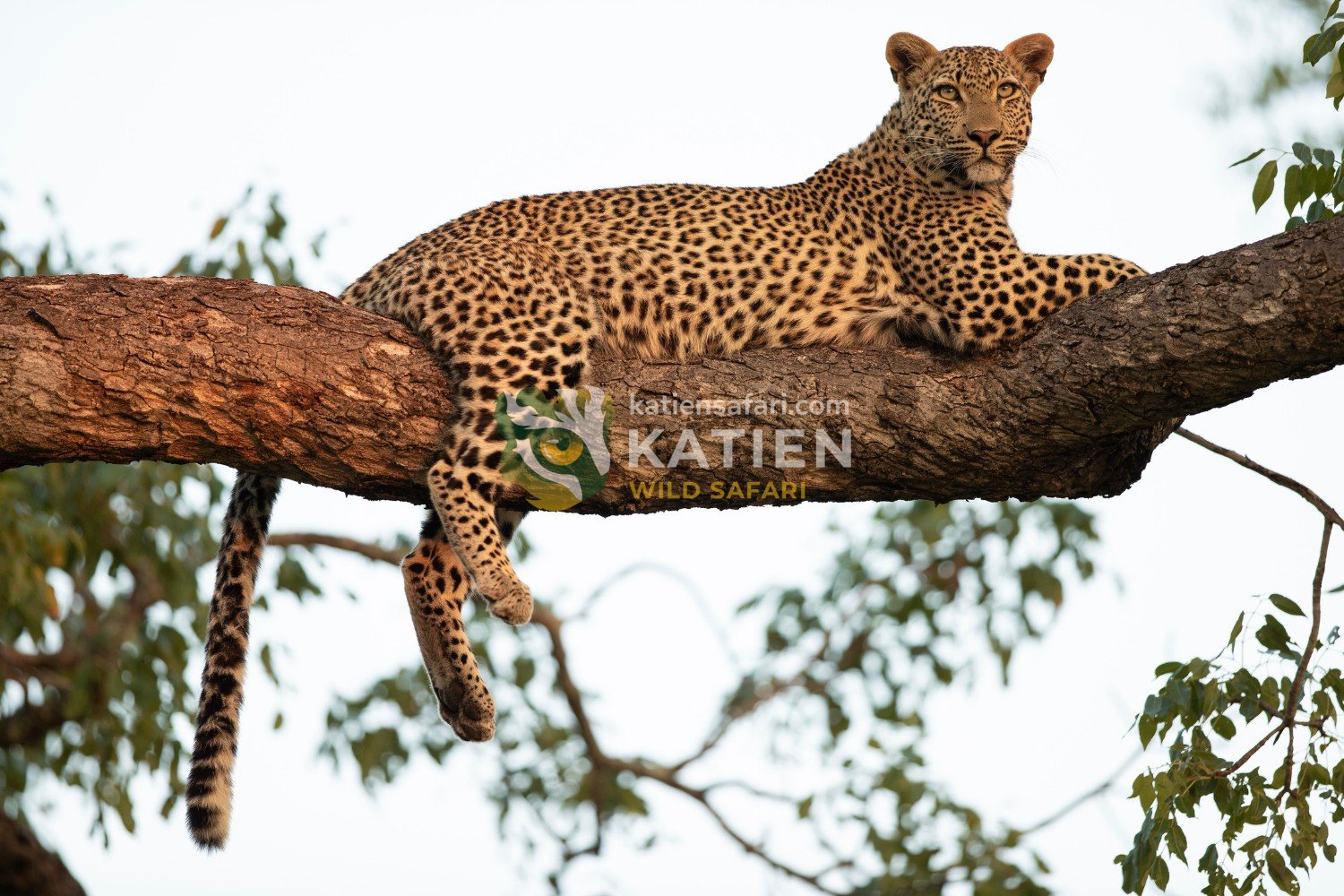
A leopard often rests high in trees, where it relaxes and guards its prey.
Reproduction and Mating Season
In most regions, leopards can breed year-round, but in colder areas such as Manchuria and Siberia, mating usually occurs in January and February. Males locate females by following their scent and may stay nearby for several days before mating begins.
The gestation period lasts about 90 to 105 days (around 3 to 3.5 months). Females usually give birth to 2–4 cubs, most often 2 or 3, though litters of up to 6 have been recorded. Cubs are born in dens, often hidden in caves, hollow trees, or thick bushes for protection.
At birth, cubs are blind and weigh between 280 and 1,000 grams. Their eyes open after 4–9 days. Young leopards have longer, thicker, and greyer fur with faint spots. They communicate with their mothers through soft “mew” and “urr-urr” sounds. Cubs start eating meat at around nine weeks old and begin following their mother on hunts by three months to learn stalking and pouncing skills.
The mother cares for her cubs for 18–24 months, though some may become independent as early as one year. During this time, she hunts and protects them, sometimes sharing her prey when they cannot hunt. Males rarely help in raising the young but may stay near the female for a short time.
Infant mortality is high, with 41–50% of cubs dying in the first year, mainly from predators. In some cases, males may kill unrelated cubs to bring the female back into heat. The interval between litters is typically 15 to 24 months, depending on the survival of the previous litter. This careful balance between extended care and future breeding helps ensure the survival of the species.
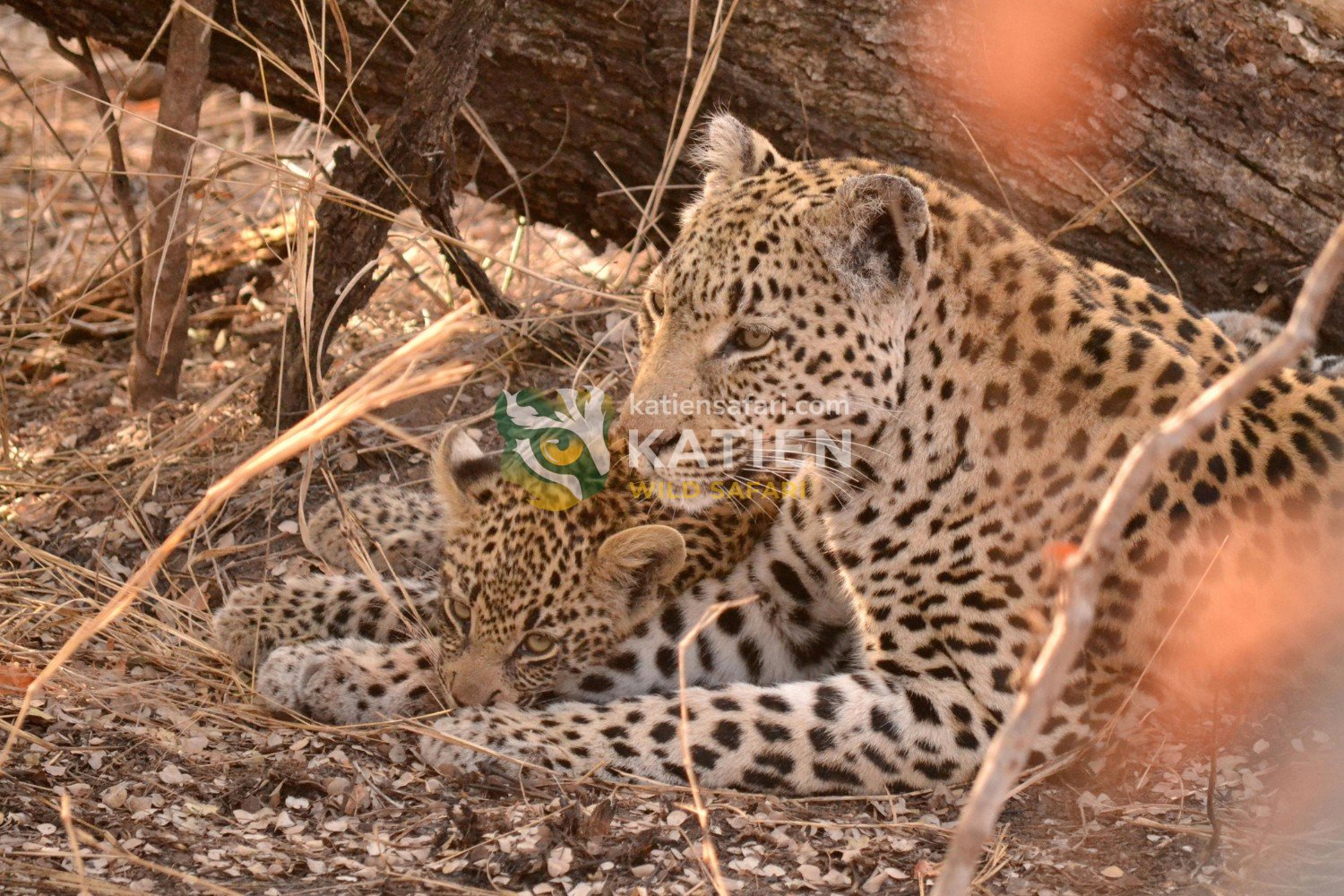
Females usually breed once every two years, raising cubs alone.
Diet, Ecological Role, and Predators
1. Diet and Ecological Role
Leopards (Panthera pardus) are highly adaptable hunters with the widest diet of all big cats. They are opportunistic predators that eat almost any animal they can catch. Their favorite prey usually weighs between 10 and 40 kilograms (22–88 lb), such as small antelopes and deer that live in dense forests. Scientists have recorded leopards’ diet over 100 different species, from insects to large animals like the banteng.
They often hunt impalas, bushbucks, duikers, and chital deer, but they also eat monkeys, jackals, foxes, genets, and even cheetahs. The largest recorded prey was a 900-kilogram eland. In human areas, they may hunt dogs, goats, or livestock when wild prey is scarce. Leopards are noctural animals and hunt mostly at night. They stalk prey quietly, attacking from close range, often within 5m and kill by biting the throat or neck.
Leopards are famous for hiding their kills. They can drag prey heavier than themselves, such as a 125-kilogram young giraffe, up a tree as high as 15 meters (50 ft). This helps them keep their food safe from lions and hyenas.
In ecosystems where they survive, leopards act as apex predators, keeping prey populations balanced. Their ability to adapt allows them to live in areas where other big cats have disappeared.
Leopards hunt antelopes, monkeys, and small mammals with precision.
2. Enemies and Competitors
However, leopards also face many enemies. In Africa, they share territory with lions, cheetahs, hyenas, and wild dogs. Lions are their main threat, causing up to 22% of leopard deaths in some regions, while spotted hyenas steal up to half of their kills. To avoid these rivals, leopards hunt smaller prey and store carcasses high in trees.
In Asia, their biggest competitors are tigers and dholes (Asiatic wild dogs). Both can overpower leopards or steal their prey. Yet leopards manage to survive by hunting smaller animals and using dense vegetation for cover, showing once again their amazing ability to adapt.
Threats and Conservation
Leopards (Panthera pardus) are listed as Vulnerable by the IUCN. Despite their wide range and adaptability, global populations have declined sharply.
Leopards Threats
Leopards face many threats that continue to reduce their numbers across Africa and Asia. The most serious danger comes from poaching and illegal trade. Leopards are hunted for their skins, bones, and organs, which are used in traditional medicine, especially in China and Vietnam. They are often killed as substitutes for tigers, whose parts have become rarer. However, in Vietnam, hunting or keeping wild animals is illegal and can lead to fines from 1 to 4 billion VND (about 40,000 to 160,000 USD) or imprisonment from 1 to 15 years.
In Southeast Asia, the snaring crisis has caused a drastic collapse in leopard populations. For example, in Cambodia, widespread wire traps have made the Indochinese leopard functionally extinct since 2021. In Vietnam and Laos, there are no longer any viable populations.
Another major threat is habitat loss and prey decline. In Asia alone, the loss reaches 87%, mainly due to deforestation for agriculture, palm oil, and rubber plantations. The destruction of forests not only shrinks their home ranges but also isolates populations, especially in places like Java and the Arabian Peninsula.
Overhunting of wild prey has further worsened the situation, forcing leopards to attack livestock and increasing human–wildlife conflict. In some areas, farmers poison or shoot them in retaliation, while diseases such as Canine Distemper Virus (CDV) threaten small, isolated populations.
Conservation effort
Leopard conservation efforts require quick and coordinated action worldwide. Law enforcement is the most urgent need because many protected areas still lack enough rangers and patrols. In Southeast Asia, snare density has reached thousands per square kilometer, pushing leopards close to extinction. Stronger anti-poaching laws, active patrols, and better funding can make a real difference.
Cross-border cooperation is also vital since leopard populations move between countries such as Thailand, Myanmar, and Malaysia. Shared data and regional programs help protect these big cats beyond national borders.
Community awareness is another key part of leopard conservation efforts. Education programs can reduce hunting and the demand for wildlife products. Protecting and restoring leopard habitats is just as important.
Today, only about 17% of the leopard’s remaining range lies inside protected areas, and many are poorly managed. Improving these reserves and reconnecting small populations through ecological corridors will help them survive.
Interesting Facts about Leopard (Panthera pardus)
- Leopards are part of the cat family, but they rarely roar. Instead, their call sounds like a rough, raspy bark similar to a dog’s.
- The Indochinese leopard is usually nocturnal, but in Kaeng Krachan National Park (Thailand), it changed its behavior during park closures. When no tourists were around, it became more active in the daytime.
- Leopards can be told apart from jaguars by their rosette patterns. Unlike the jaguar (Panthera onca), a leopard’s rosettes do not have black spots in the center.
- Black leopards are leopards with a genetic condition called melanism. In Peninsular Malaysia, this trait is almost fixed, nearly 100% of Indochinese leopards have black coats.
- Leopards have an incredible sense of hearing. They can detect sounds 5 times higher in frequency than humans, including the ultrasonic squeaks made by mice.
Reference
- Jacobson, A. P., Gerngross, P., Lemeris Jr, J. R., Schoonover, R. F., Anco, C., Breitenmoser-Würsten, C., ... & Dollar, L. (2016). Leopard (Panthera pardus) status, distribution, and the research efforts across its range. PeerJ, 4, e1974. https://doi.org/10.7717/peerj.1974
- Kitchener, A. C., Breitenmoser-Würsten, C., Eizirik, E., Gentry, A., Werdelin, L., Wilting, A., ... & Tobe, S. S. (2017). A revised taxonomy of the Felidae: The final report of the Cat Classification Task Force of the IUCN/SSC Cat Specialist Group. Cat News Special Issue, 11, 1–80.
- Rostro-García, S., Kamler, J. F., Ash, E., Clements, G. R., Gibson, L., Lynam, A. J., ... & Macdonald, D. W. (2016). Endangered leopards: Range collapse of the Indochinese leopard (Panthera pardus delacouri) in Southeast Asia. Biological Conservation, 201, 293–300. https://doi.org/10.1016/j.biocon.2016.07.001
- Rostro-García, S., Kamler, J. F., Clements, G. R., Lynam, A. J., & Macdonald, D. W. (2018). An adaptable but threatened big cat: Density, diet and prey selection of the Indochinese leopard (Panthera pardus delacouri) in eastern Cambodia. Royal Society Open Science, 5(3), 171187. https://doi.org/10.1098/rsos.171187
- Rostro-García, S., Kamler, J. F., Clements, G. R., Lynam, A. J., & Macdonald, D. W. (2019). Panthera pardus ssp. delacouri. The IUCN Red List of Threatened Species 2019: e.T15962A102421779. https://dx.doi.org/10.2305/IUCN.UK.2019-3.RLTS.T15962A102421779.en
- Rostro-García, S., Kamler, J. F., Clements, G. R., et al. (2023). Population dynamics of the last leopard population of eastern Indochina reveal functional extinction. Conservation Science and Practice, 5(1), e1290. https://doi.org/10.1111/csp2.1290
- Gray, T. N. E., Hughes, A. C., Laurance, W. F., Long, B., Lynam, A. J., O'Kelly, H., ... & Wilkinson, N. M. (2018). The wildlife snaring crisis: An insidious and pervasive threat to biodiversity in Southeast Asia. Biodiversity and Conservation, 27, 1031–1037. https://doi.org/10.1007/s10531-017-1496-7