CAM001
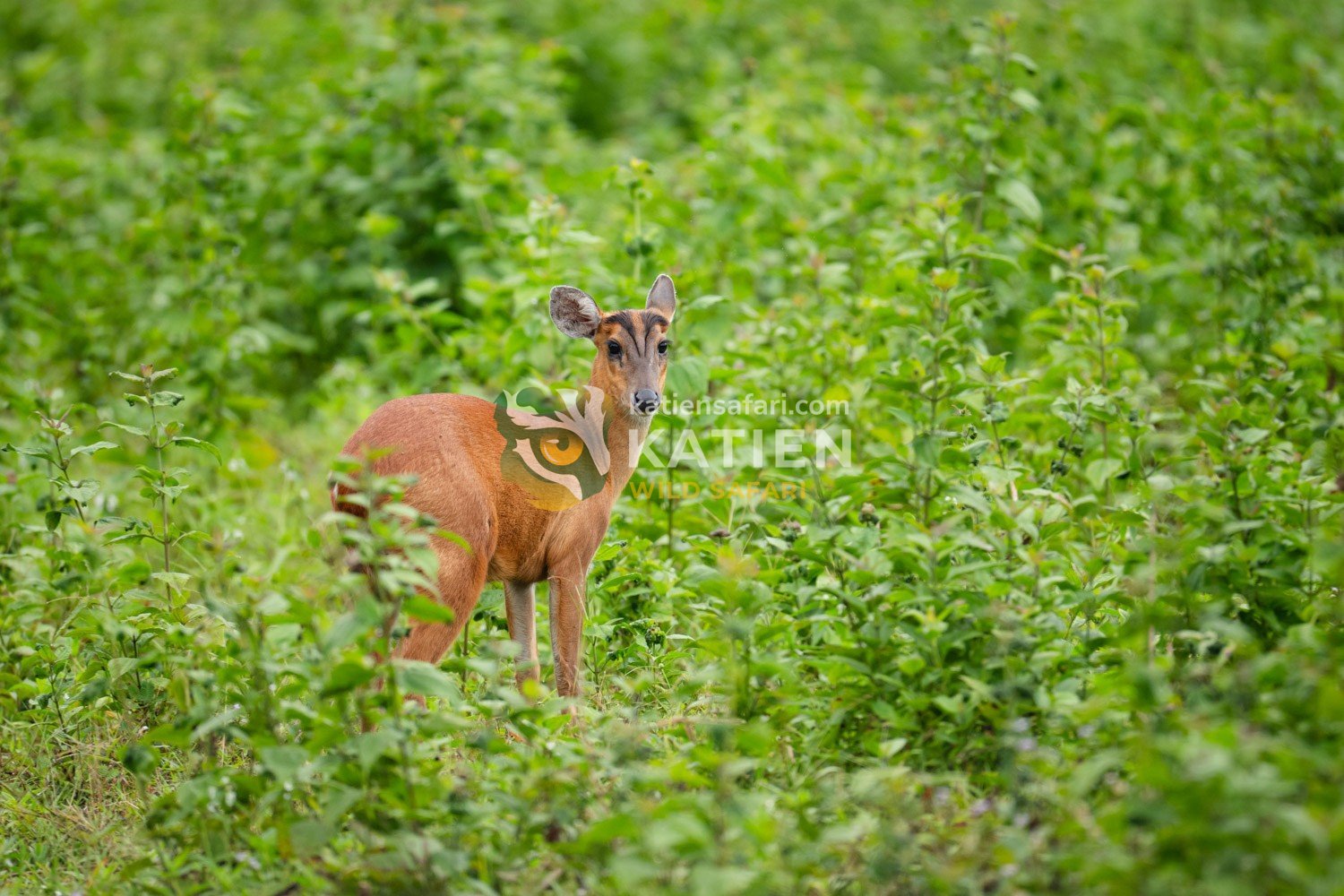
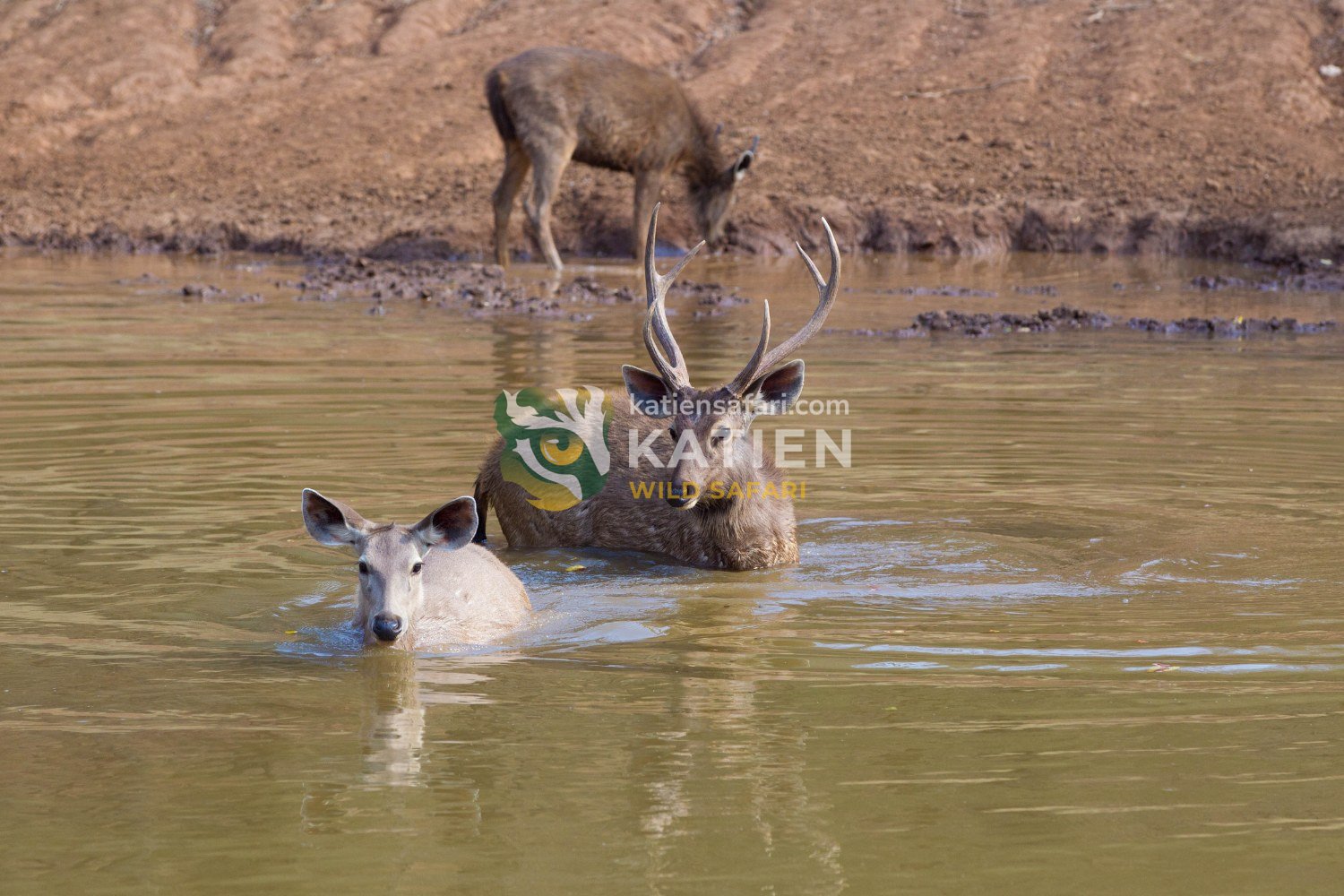
During the monitoring period, CAM001 recorded a significant gathering of barking deer

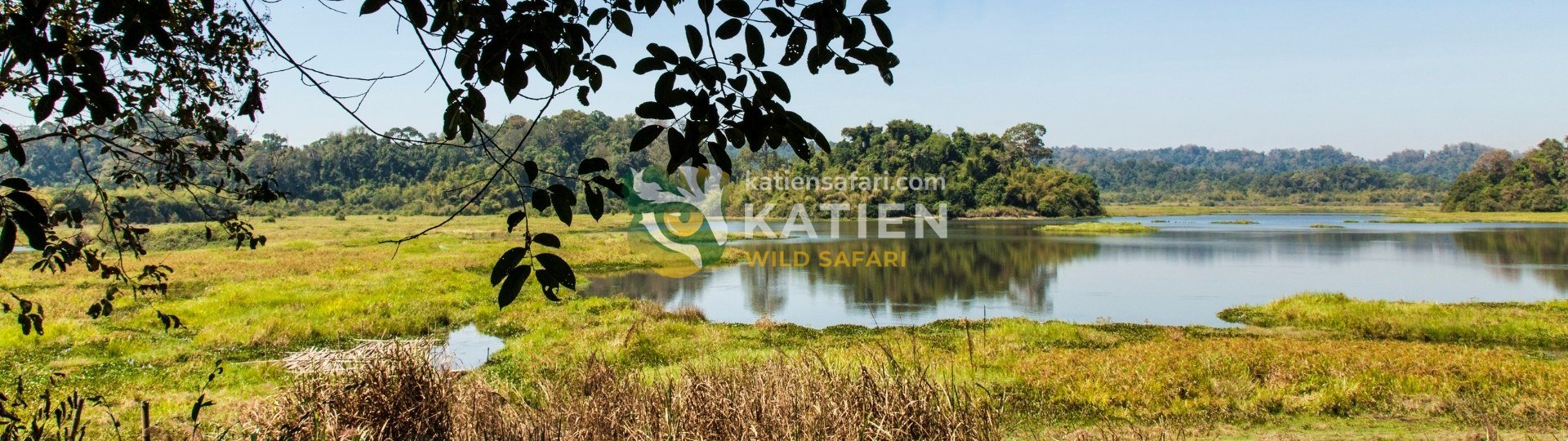
At the edge of the forest in Cat Tien National Park, where dense evergreen trees gradually give way to open grassland, this live cam captures a dynamic meeting point of habitats - often called an “ecotone.” These transitional zones are rich in wildlife activity, as wild animals from both forest and grassland ecosystems come here to feed, rest, and move between cover and open space.
What makes this area special?
This is a classic transition zone, where two ecosystems meet and overlap. Such areas naturally concentrate wildlife because they offer:
As a result, species like sambar deer, peafowl, and red junglefowl are regularly seen here, each using the landscape in their own way - some grazing in the open, others staying close to the undergrowth.
This livestream is part of a broader conservation effort powered by Katien AI Sentinel, an intelligent monitoring system combining high-resolution cameras, a dedicated AI server, and custom-built detection models. The data gathered here plays a crucial role in shaping and strengthening ongoing conservation efforts.
A solitary woolly-necked stork (Ciconia episcopus) was captured by a wildlife camera while foraging in the grasslands of Cat Tien National Park during the morning. Moving slowly through the vegetation, it searched for insects, amphibians, reptiles, and other small prey hidden among the grasses.
Recognizable by its glossy black body, striking white neck, and long red legs, the woolly-necked stork inhabits wetlands, grasslands, agricultural fields, and open forests across South and Southeast Asia. Although they are sometimes seen in pairs or small family groups, individuals often forage alone, relying on keen eyesight and patient hunting to locate prey.
As an opportunistic predator, the woolly-necked stork helps maintain healthy ecosystems by controlling populations of insects and other small animals. Its presence is also considered an indicator of well-preserved habitats with abundant food resources.
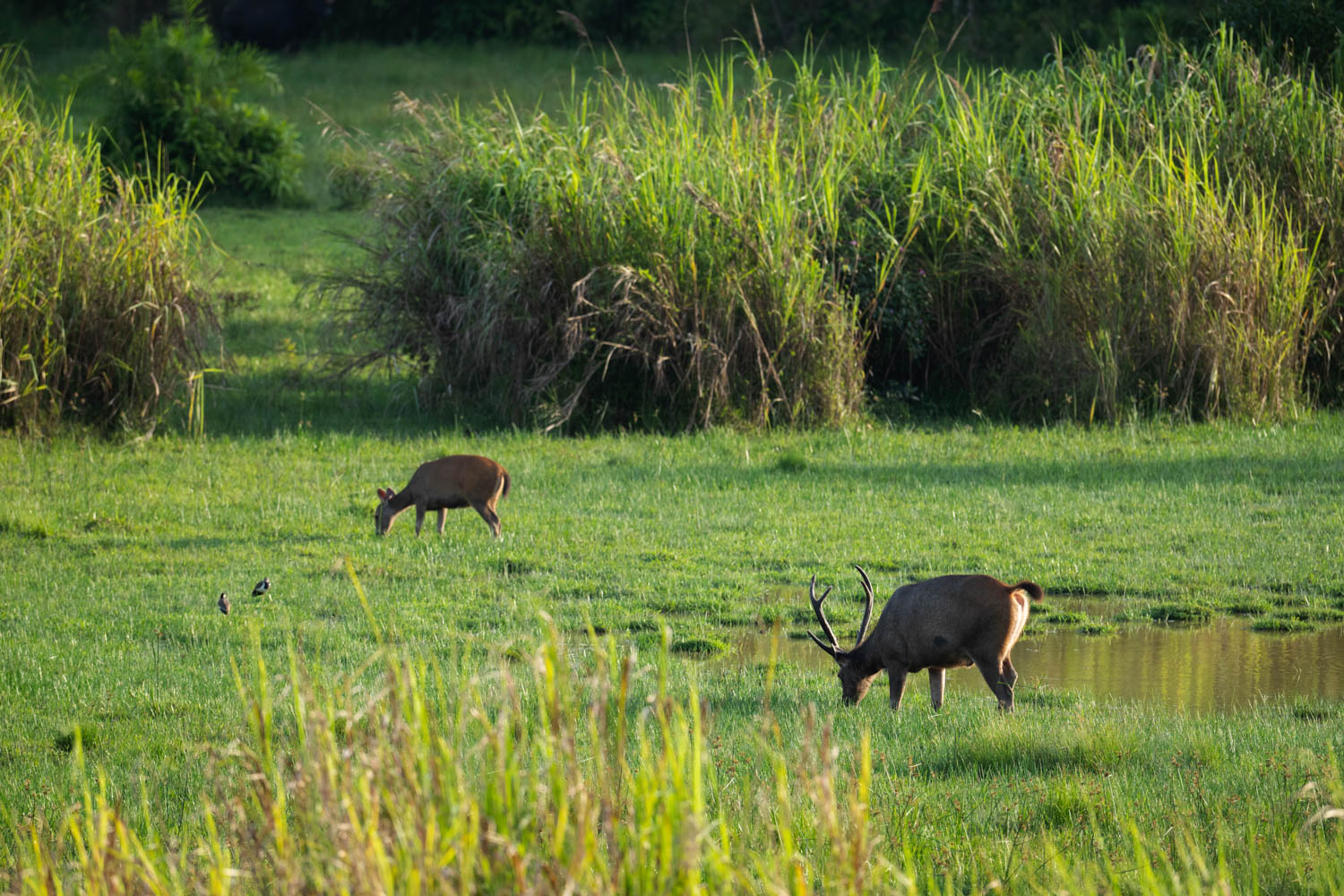
As the afternoon sun warms the grasslands of Cat Tien, a group of sambar deer emerges to forage in the open. They feed on young shoots, leaves, and other vegetation while remaining alert to their surroundings.
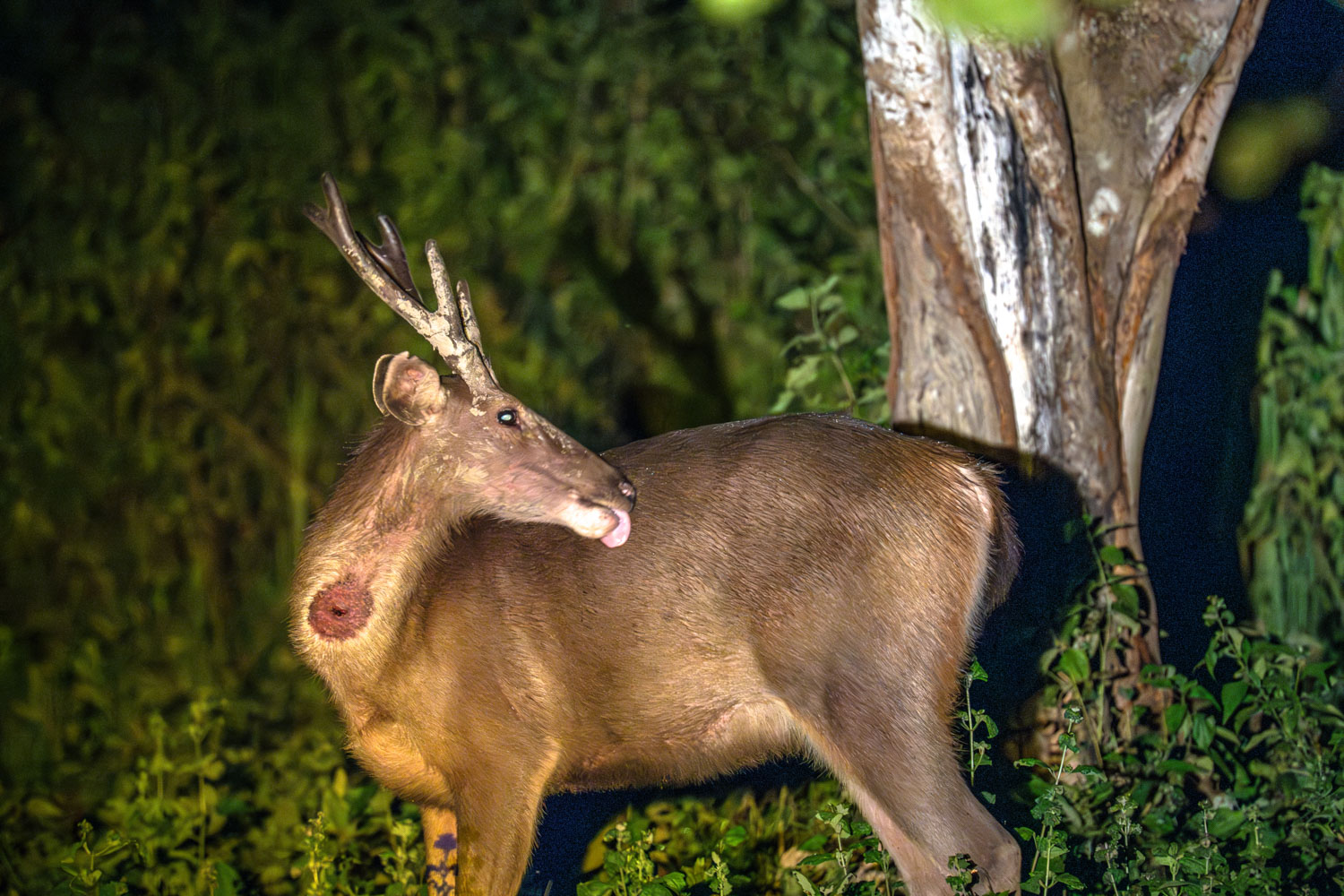
The sambar deer is one of the largest deer species found in Southeast Asia and plays an important role in the forest ecosystem as both a browser and a prey species for large predators. Although generally shy and elusive, they can sometimes be observed grazing in the grasslands during quieter parts of the day.
Moments like these offer a glimpse into the daily rhythms of wildlife in Cat Tien National Park.
Watch as sambar deer, green peafowls, and storks forage side by side across the grassland of Cat Tien National Park. Scenes like this offer a fascinating glimpse into how different wildlife species utilize the same habitat while searching for food.
The open grasslands provide an important feeding ground for herbivores and birds alike, supporting a rich variety of wildlife throughout the year. This peaceful mid-afternoon encounter showcases the remarkable biodiversity that makes Cat Tien a premier destination for wildlife observation in Vietnam.
A group of sambar deer can be seen quietly foraging across the grassland in the early afternoon, shortly after the rain has passed through Cat Tien. The rainfall cools the landscape and creates favourable conditions for grazing as the deer move through the wet grass in search of fresh vegetation.
Although sambar deer are most active during the early morning and late afternoon, they are also often seen feeding after rain when temperatures are lower and food becomes more abundant. Moments like this offer a peaceful glimpse into the natural rhythm of wildlife in Cat Tien National Park.
A wild red junglefowl is seen foraging through the grassland at Cat Tien National Park, carefully scratching through the ground in search of seeds, insects, fallen fruit, and other small food sources hidden among the vegetation.
Widely recognised as the wild ancestor of domestic chickens, red junglefowl still retain many of the behaviours needed to survive in the wild. They are highly alert birds, often pausing while feeding to scan and listen for danger before quickly retreating into nearby cover if disturbed. Their strong legs are well adapted for scratching through leaf litter and loose soil in search of food.
Male red junglefowl are especially striking, with glossy red, orange, and dark iridescent plumage, long curved tail feathers, and bright facial markings used in displays and territorial behaviour. Females are smaller and more lightly coloured, helping them remain camouflaged while nesting on the ground.
These birds are most active during the cooler hours of the morning and late afternoon, often moving between forest edges, grasslands, and dense undergrowth. Sightings like this provide a glimpse into the rich and surprisingly complex birdlife still thriving within Cat Tien’s protected forests.
A Small-toothed Palm Civet moves quietly through the grassland under the cover of night, pausing to forage among the vegetation. This small, nocturnal carnivore relies on its keen sense of smell to locate a varied diet that includes fruits, insects, and small vertebrates.
Although often associated with forest canopies, small-toothed palm civets will descend to the ground to forage, especially in open areas where food is available. Their slow, deliberate movements help them remain undetected while navigating through grass and low vegetation.
This individual is alone, which is typical for the species. Small-toothed Palm Civets are largely solitary, maintaining their own home ranges and foraging independently to reduce competition for scattered food resources. They usually only come together during the breeding period or when a female is caring for young.
Encounters like this offer a rare glimpse into the secretive nighttime behavior of a species seldom seen in the wild. As part of the ecosystem, they contribute to seed dispersal and help maintain ecological balance, making their presence an important indicator of a healthy habitat.
In the early morning, the grassland - forest edge functions as an important foraging habitat for a variety of bird species. Green Peafowls are observed feeding on the ground, while other birds such as storks are spotted foraging and flying nearby. This ecotone supports high activity levels due to resource availability and favourable conditions during the early hours.
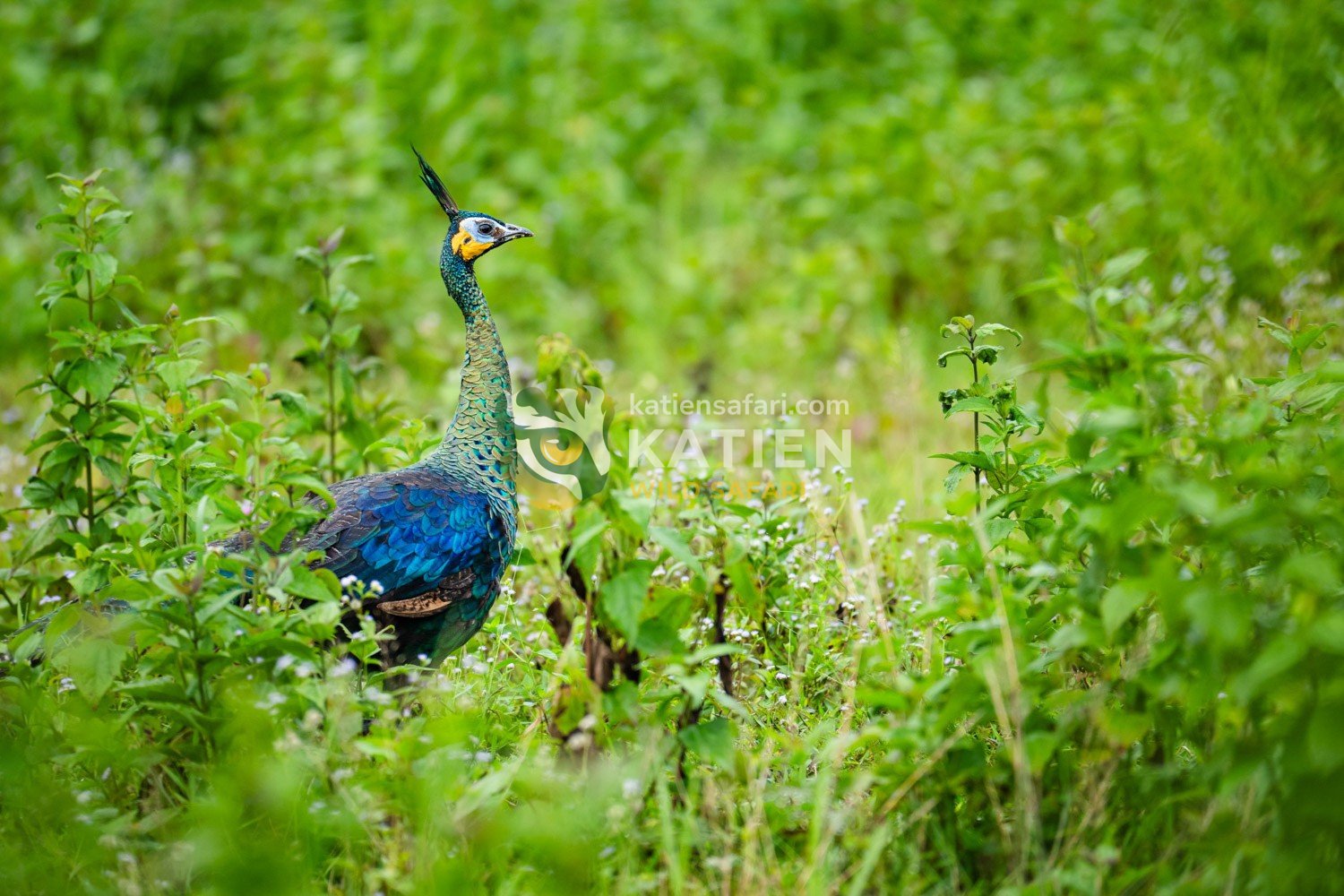
Being one of Southeast Asia’s most striking and endangered birds, the Green Peafowl is a large, elegant ground bird distinguished by its elongated body and striking iridescent plumage. It can reach up to 3 meters in length, including the male’s long ornamental train, and typically weighs between 3 and 5 kilograms.
In Cat Tien, they are most often seen along grassland - forest edges, where they can feed in the open while staying close to cover. This balance is crucial for both feeding efficiency and predator avoidance of the Green Peafowls.
Two green peafowls forage quietly in the grassland in the late afternoon. There is no display behavior; both birds remain focused on feeding, picking through the grass for seeds and small invertebrates. Their movements are steady and unhurried, typical of routine foraging activity.
The clip captures a simple, everyday moment as the birds feed in the open toward the end of the day.
In this timestamp, six Sambar deer are spotted out in the grassland grazing while remaining alert - heads lifting between bites and ears scanning for movement.
Even away from the tree line, they are still using the forest - grassland transition to their advantage, feeding in the open where visibility is higher while staying cautious in this exposed space.
In the late afternoon at Cat Tien National Park, the forest edge comes alive with quiet activity. As the heat of the day fades, Sambar deer emerge, slowly grazing on grasses while staying close to the safety of the forest.
Nearby, red junglefowl move through the undergrowth and open patches. Their quick, alert movements contrast with the steady, unhurried pace of the deer.
This brief moment captures a natural rhythm of the landscape, when animals take advantage of the cooler hours to feed, navigating between forest shelter and open ground in Cat Tien National Park.
As a strictly diurnal species, these Great Hornbills shift into a clear resting state during the night.
This station monitors daytime activity and flight recovery of the Great Hornbill, a key species of the tropical forest canopy.