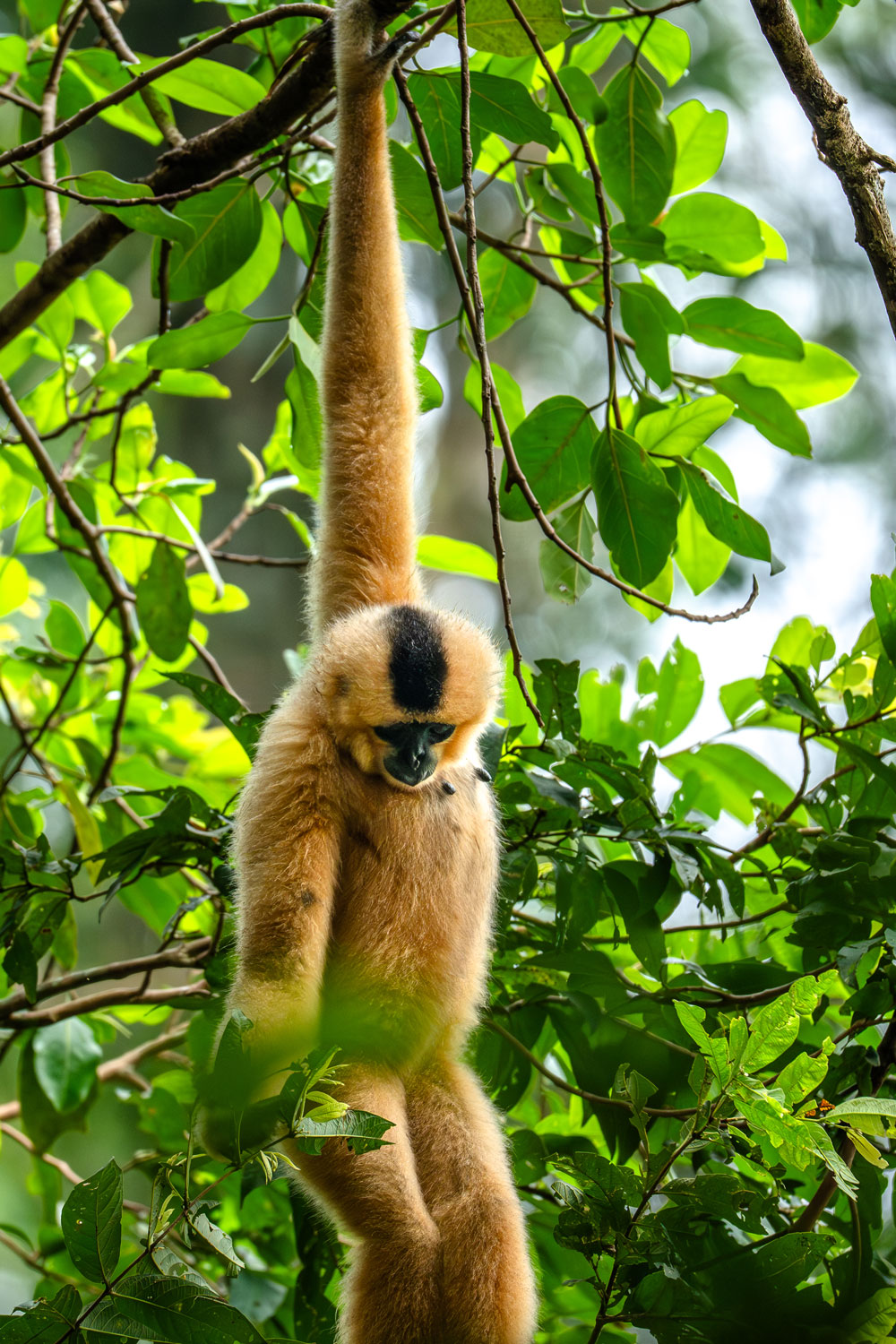
CAM001
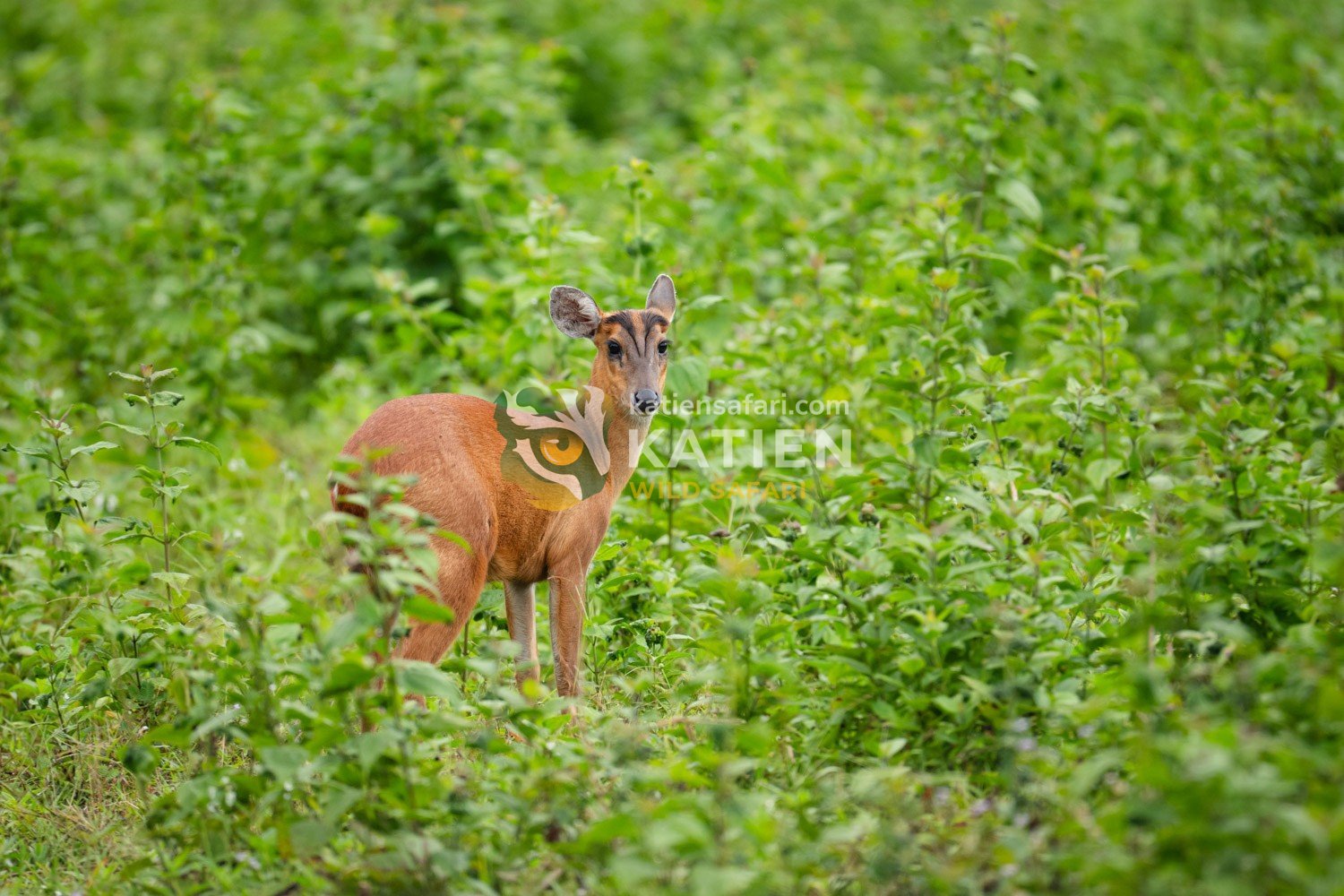
During the monitoring period, CAM001 recorded a significant gathering of barking deer.


Live Camera will be available soon. Check our daily updates below.
Welcome to one of the most vital "hubs" of Cat Tien National Park. While other cameras take you deep into the forest corridors, Cam 002 is stationed at the edge of a lake, the lifeblood of the wilderness. This quiet stretch of muddy shoreline is one of the park’s most important gathering points, where animals leave the safety of the trees to drink, rest, and interact. From this single window, you can witness the daily rhythm of the entire ecosystem.
This is a 24/7 live camera, streaming continuously from the heart of the park. What you see is happening right now, whether under the bright afternoon sun or in the deep silence of the night.
Through the eyes of Katien AI Sentinel, every movement is more than just a flickering image; it is a data point for conservation. Our AI server works tirelessly in the background, identifying species and analyzing social structures in real-time. This ensures that while you enjoy the view, researchers are gaining the insights needed to keep this ecosystem thriving for generations to come.
The data captured at this timestamp is vital for several project goals:
CAM002 | Monitoring peak: 19:00 (7 PM) – 03:00 (3 AM) (GMT+7)
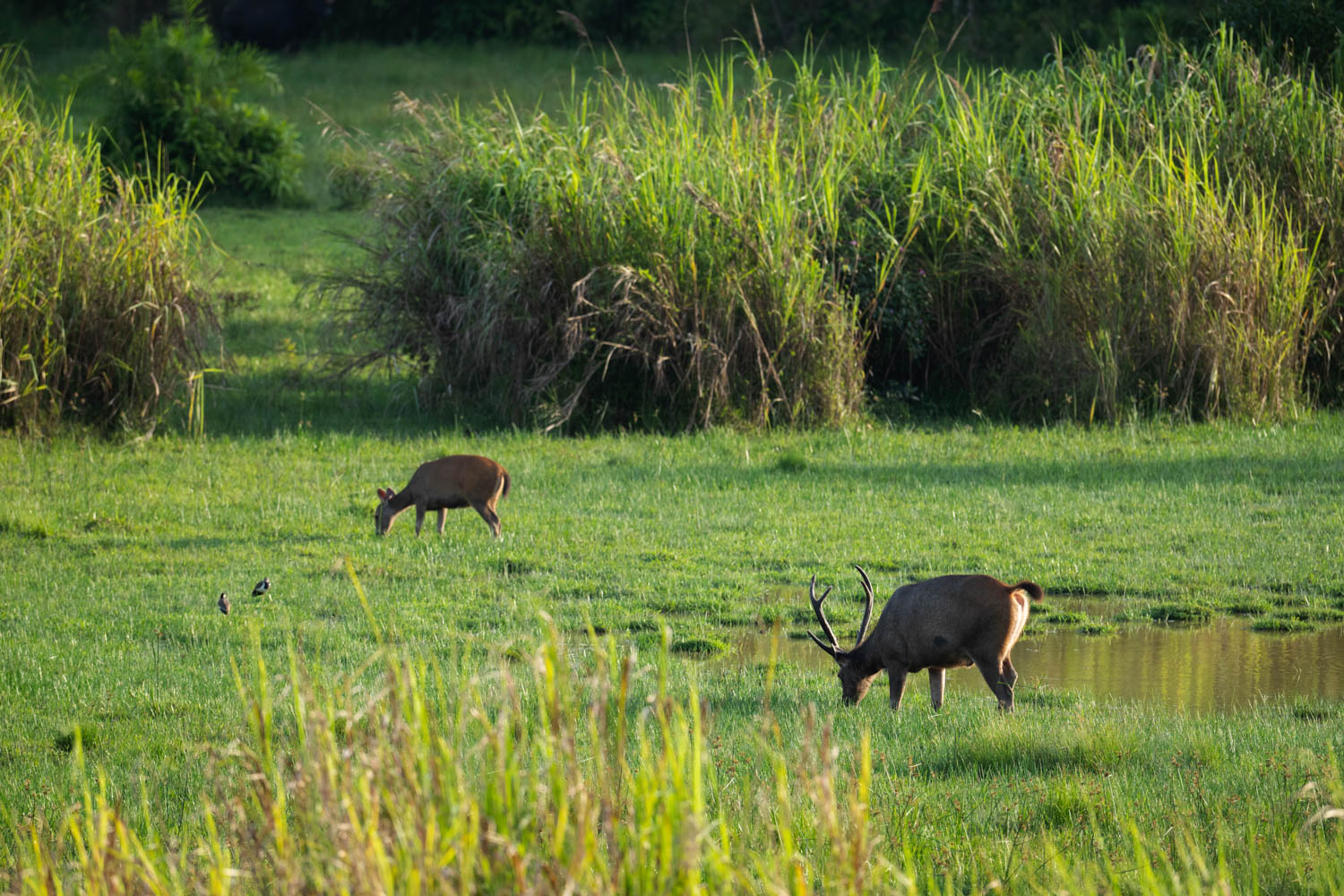
The area surrounding the natural lake becomes a bustling hub of activity as the sun sets. Data from CAM002 confirms that the window between 7 PM and 3 AM is the most active period for the park’s hoofed residents.
Behavioral analysis:
CAM 002 | Monitoring peak: 15:00 (3 PM) – 17:00 (5 PM) (GMT+7)
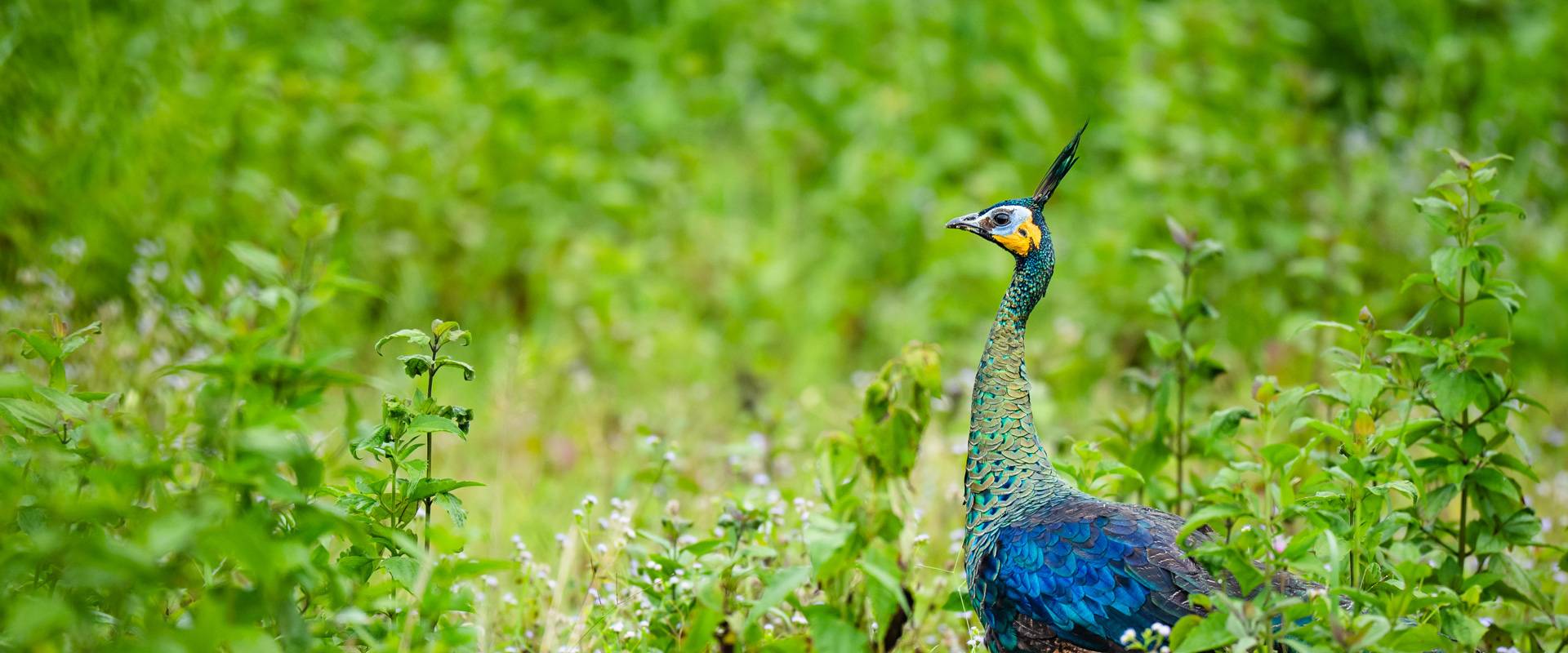
As the afternoon heat lingers, the lake attracts a diverse array of avian life, transitioning from the large and majestic to the small and agile.
Learn more about its unique behaviors and conservation status at: Peacocks (Peafowl): The World’s Most Beautiful Birds
Between 3 PM and 5 PM, the shoreline becomes a shared space for several waterbird species:
Every frame captured by the camera contributes to a larger picture of habitat health. By monitoring the frequency of visits to this water source, our AI systems help us understand how wildlife adapts to the changing seasons. From the high-resolution infrared clarity to the vibrant colors of the afternoon, this feed is a testament to the resilience of Cat Tien’s biodiversity.