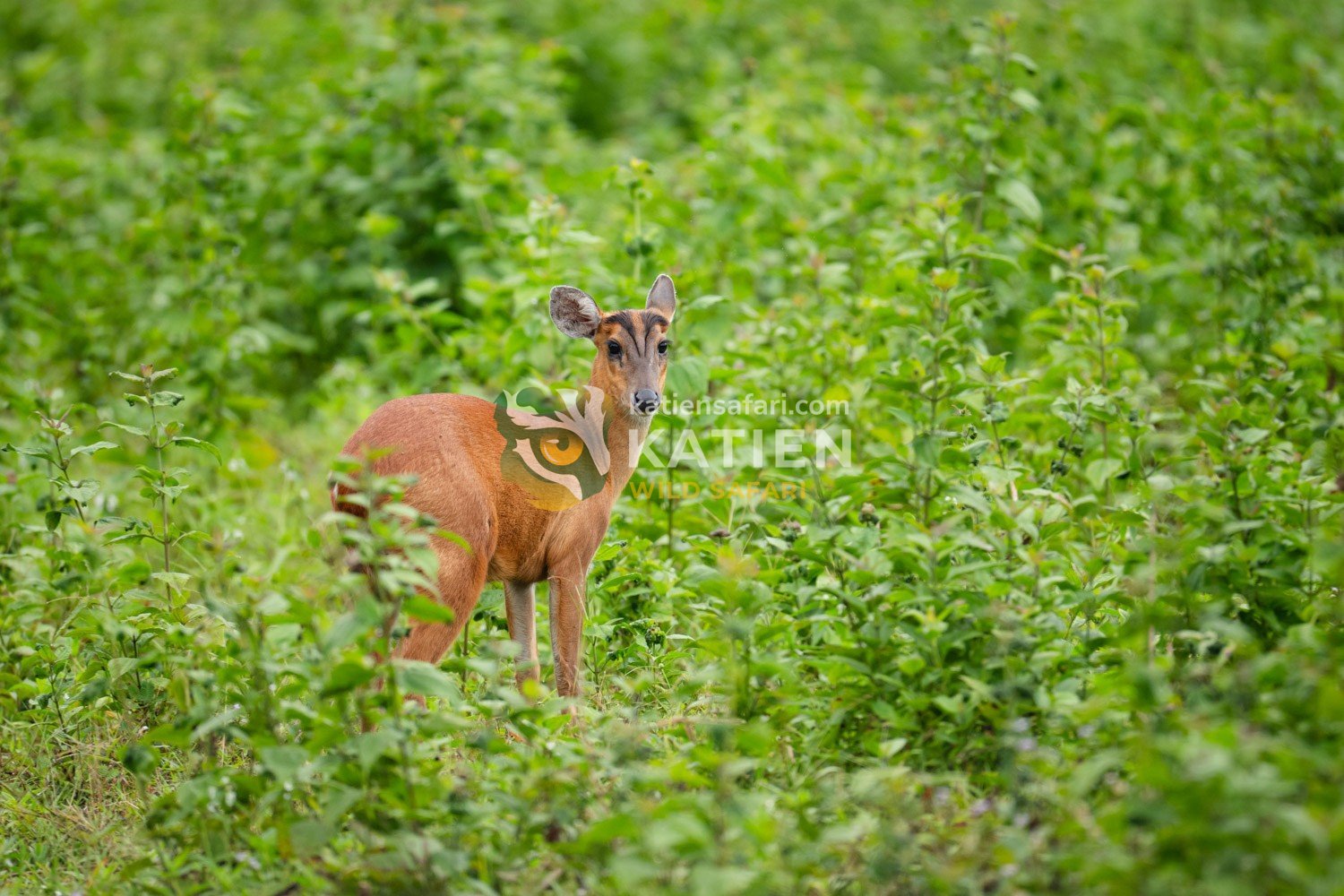
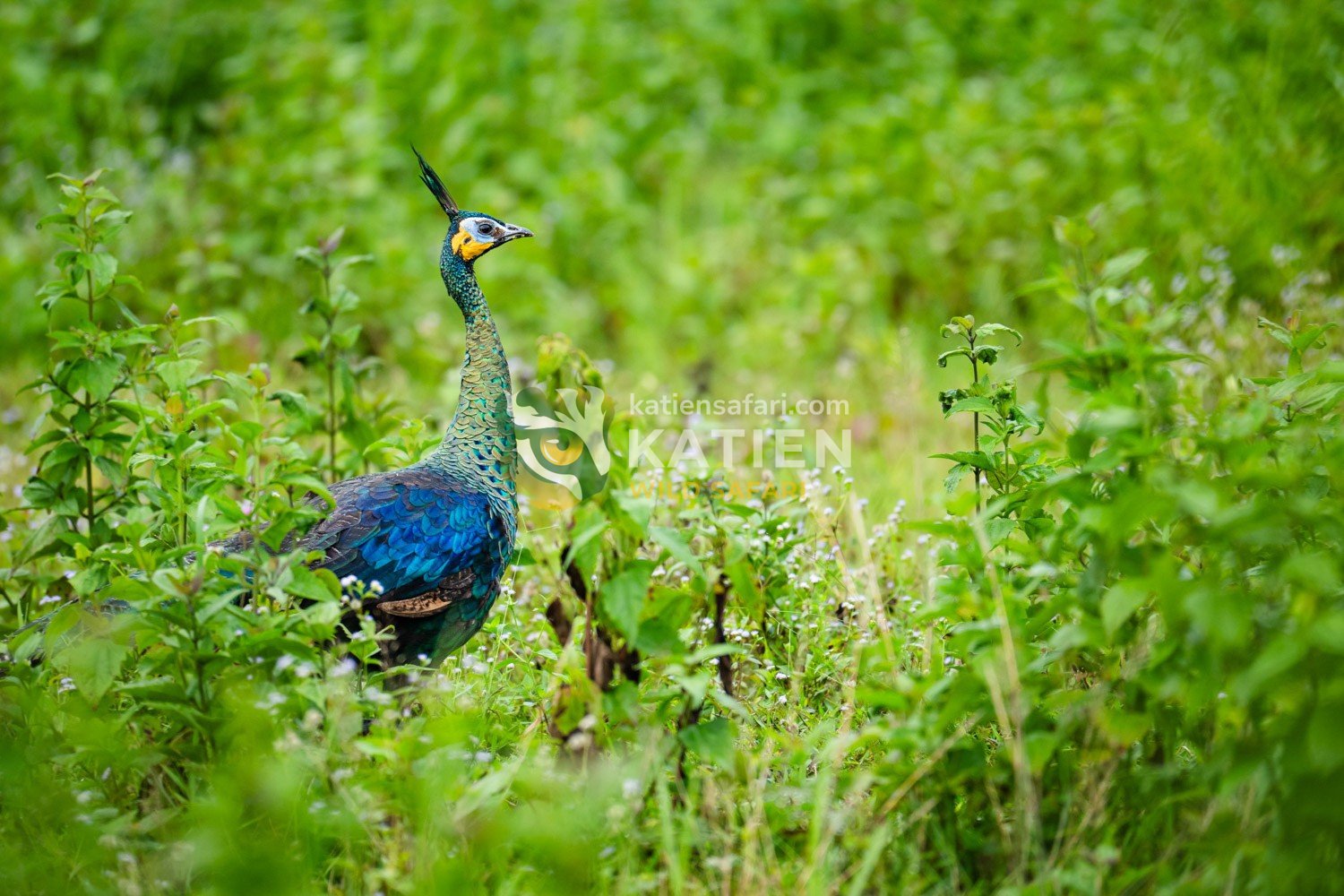
CAM002
Data from CAM002 confirms that the window between 7 PM and 3 AM is the most active period for the park’s hoofed residents.

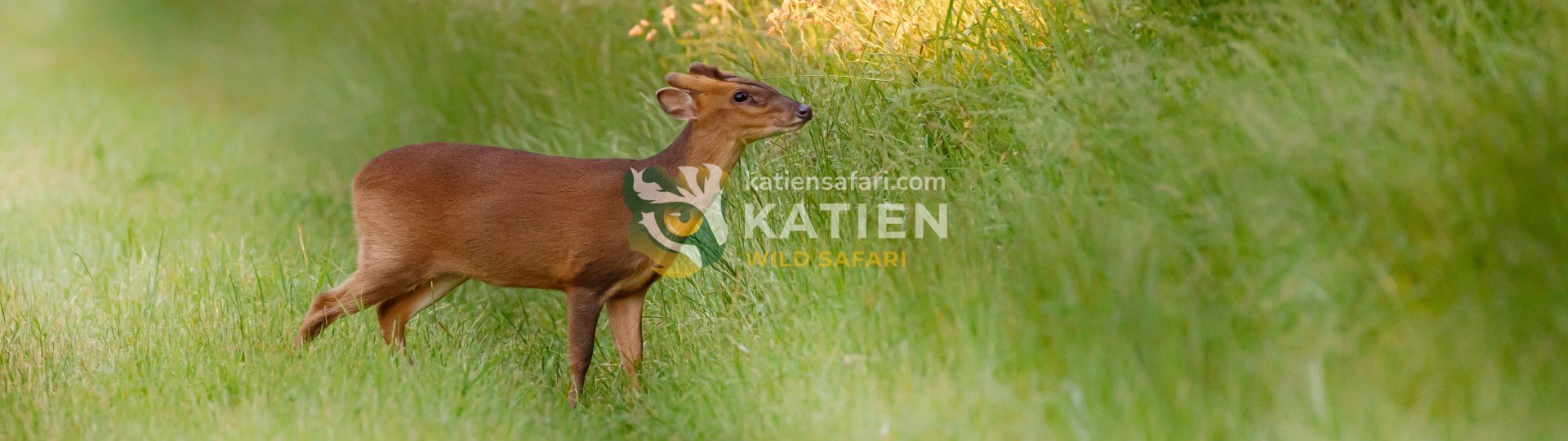
Positioned strategically within the core zone of Cat Tien National Park, CAM005 monitors a vital ecological intersection where sparse woodlands meet seasonal wetlands. This vantage point offers an intimate look at a "natural crossroads," where wildlife converges to forage, engage in complex mating rituals, and navigate between protective cover and open feeding grounds.
Operating 24/7, CAM005 captures the raw, unscripted rhythms of the wild. These recordings serve as essential data for the Katien AI Sentinel system, which utilizes high-precision algorithms to track species population density and behavioral patterns, directly informing our conservation strategies.
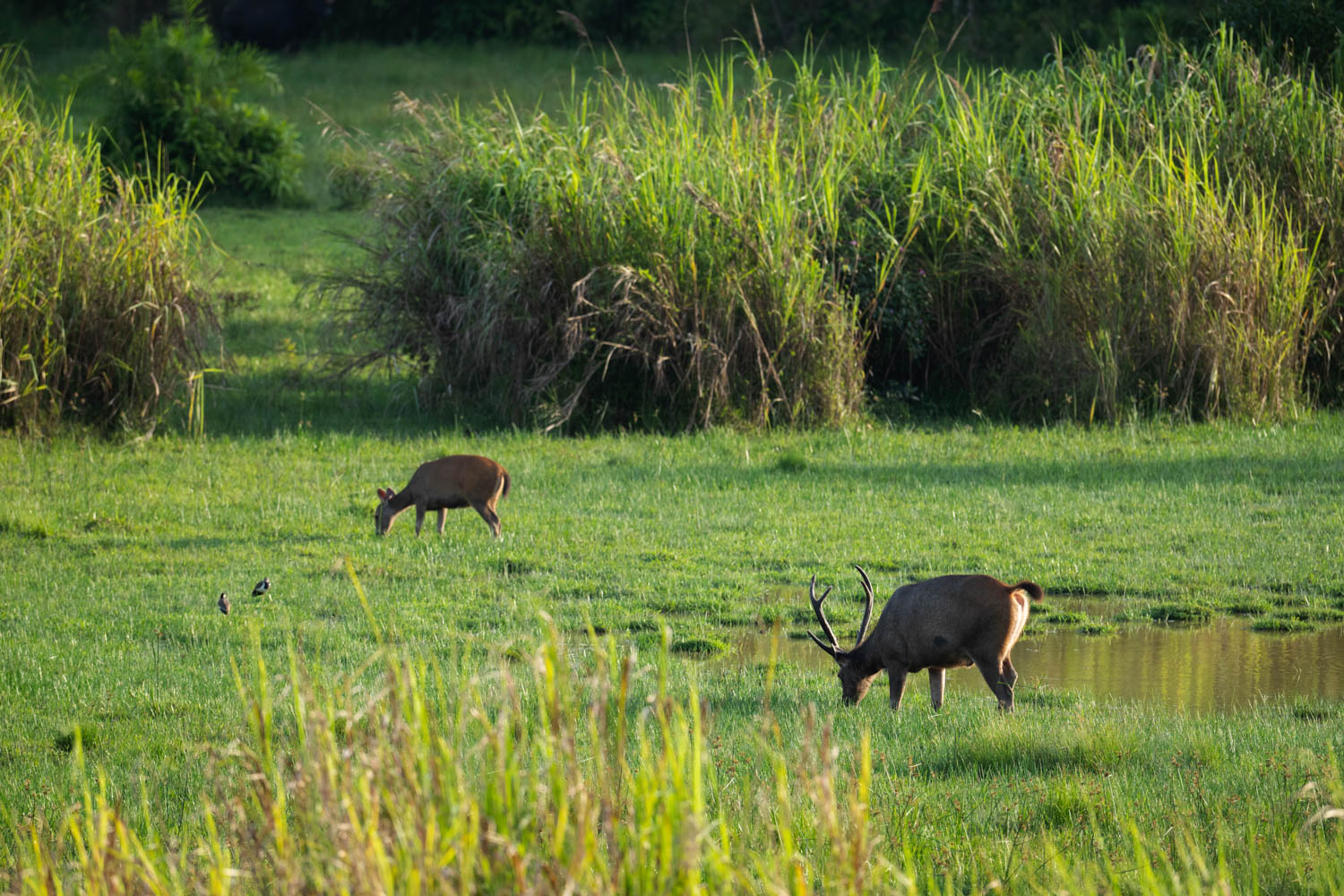
Several sambar deer move through the grassland near a shallow pond, feeding on vegetation during the mid-afternoon. Although sambar are generally more active around dusk and at night, they can also be seen foraging during daylight hours. Females may travel and feed together, while adult males are more often solitary.
A group of wild gaurs begins the morning by foraging in Cat Tien’s grassland. The animals spread out as they graze, occasionally stopping to scan their surroundings before continuing to feed. Their slow movement across the open grassland offers a glimpse into the daily activity of these large wild bovines.
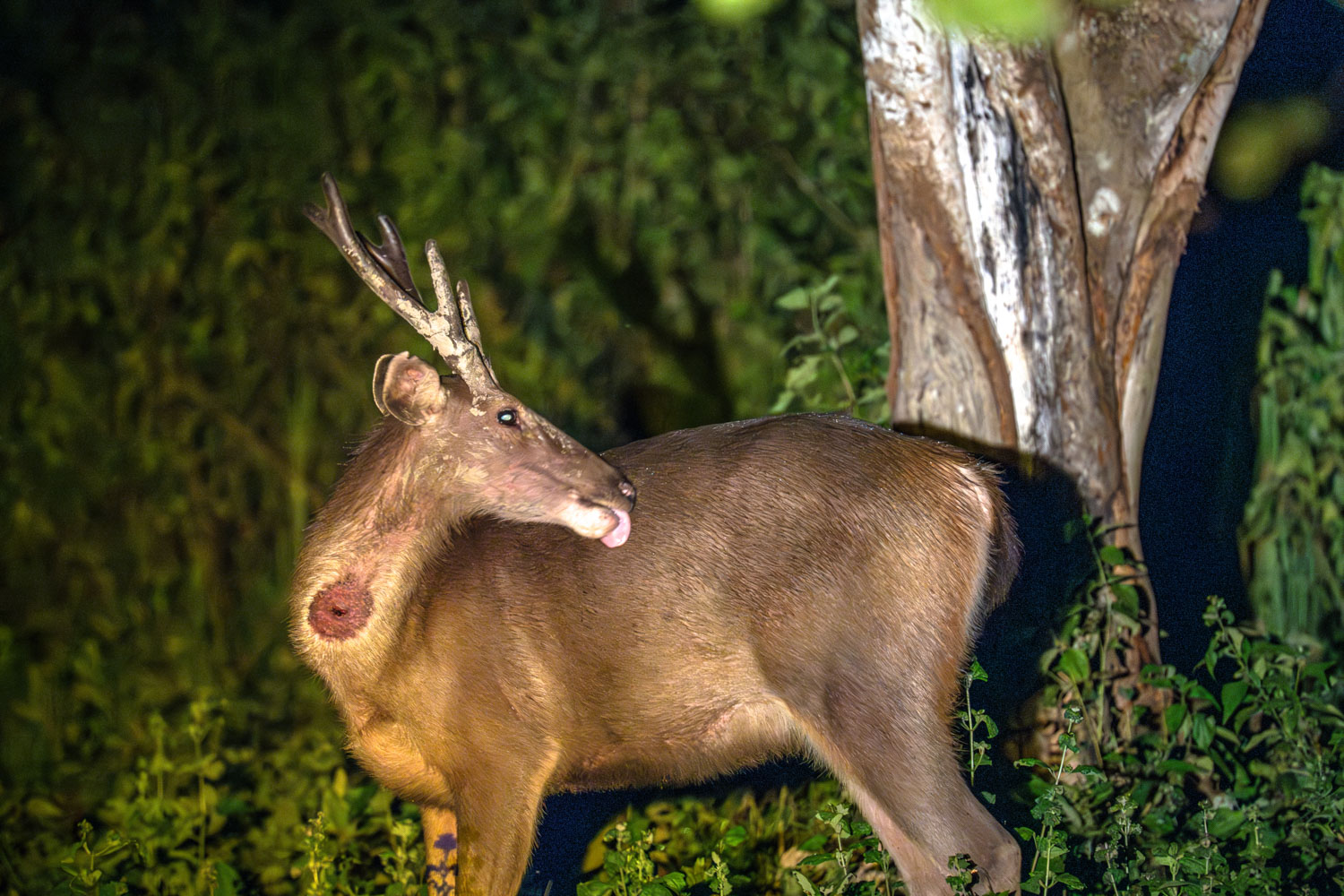
A quiet nighttime scene unfolds in the grasslands of Cat Tien National Park as a male and female sambar deer forage side by side near a shallow pond. Moving slowly through the vegetation, the two deer search for food in the cool darkness.
Sambar deer are primarily active during the early morning, late afternoon, and night. This live-camera footage offers a glimpse into their natural nighttime behavior as they move through one of Cat Tien’s open grassland habitats.
A peaceful afternoon unfolds in the grasslands of Cat Tien National Park as two male sambar deer forage around a small pond. The deer move slowly through the vegetation, occasionally stopping to feed as they explore the area around the water.
With their impressive antlers and sturdy bodies, male sambar deer are a striking presence in Cat Tien’s landscape. Their movements may appear unhurried, but these large herbivores are constantly searching for vegetation and suitable places to rest, feed, and drink.
This Live Cam footage from Katien Safari captures a quiet moment in the daily life of these wild deer, showing how grasslands and small water sources can provide valuable habitat for wildlife in Cat Tien National Park.
A group of sambar deer gathers quietly in a shallow pond in Cat Tien’s grassland during the mid-afternoon. With little movement, they appear to be taking a peaceful break during the warmer part of the day, surrounded by the open grassland habitat.
Sambar deer (Rusa unicolor) are among the largest deer species in Asia and are well adapted to Cat Tien’s diverse habitats. Wet grasslands and shallow ponds provide valuable feeding and resting areas, particularly during the warmer hours of the day.
During the mid-afternoon, a small herd of Sambar Deer (Rusa unicolor) emerges into the open grassland of Cat Tien National Park to forage. As the heat of the day begins to ease, these gentle herbivores browse on grasses and young shoots while remaining alert to their surroundings.
As the largest deer species in Southeast Asia, Sambar Deer play an important role in maintaining healthy forest and grassland ecosystems. Their grazing helps shape vegetation, making them a vital part of Cat Tien's food web.
Captured by Katien Safari’s Live Camera system, this herd of sambar deer spends the late afternoon feeding, resting, and drinking at a small lake in Cat Tien National Park. Open grasslands surrounding seasonal wetlands are important habitats for sambar deer, offering abundant forage and reliable access to water. As temperatures begin to drop toward evening, wildlife often becomes more active, making this one of the best times to observe these gentle forest inhabitants.
As darkness settles over Cat Tien National Park, a herd of wild gaurs (Bos gaurus) emerges into the grasslands in the evening to forage.
Gaurs are primarily active during the cooler hours of the day, often feeding in the early morning, late afternoon, and after sunset. Nighttime foraging allows these massive herbivores to avoid the heat while taking advantage of the abundant grasses that flourish during the rainy season.
Living in herds provides important benefits. Multiple individuals can remain alert while others feed, increasing the group's ability to detect predators or disturbances. Watch closely and you'll notice that although the gaurs appear relaxed, they frequently pause, lift their heads, and scan their surroundings before continuing to graze.
Captured by the Katien Safari Live Cam network, this footage reveals the nighttime behavior of one of Southeast Asia's largest and most iconic mammals. Listed as Vulnerable on the IUCN Red List, gaurs rely on protected landscapes like Cat Tien National Park, where forests and grasslands continue to provide critical habitat for one of Vietnam's most important remaining populations.
A female sambar deer (Rusa unicolor) stands quietly in the shallow wetlands of Cat Tien National Park, stopping to drink while several birds remain close by, perching on her back or standing nearby.
This behavior is a common ecological interaction in grassland and wetland ecosystems. Some birds may inspect the deer's coat for ticks or other external parasites, while others simply take advantage of the opportunity to forage around large mammals. The relationship is often described as commensalism, because the birds gain food while the deer is usually neither significantly helped nor harmed.
During the rainy season, Cat Tien's grasslands become dotted with shallow pools that provide drinking water and support a rich diversity of insects, birds, and other wildlife. Encounters like this highlight the many subtle interactions that connect species within the park's wetland and grassland habitats.
CAM005 | Monitoring hours: 09:00 – 11:00 & 14:00 –16:00 (Daily) (GMT+7)
This camera documents a key daytime foraging pattern along the wetland–woodland edge, where open ground meets soft, water-rich soil.
CAM005 | Monitoring highlights: Dawn & dusk (06:30 & 16:30) (GMT+7)
During low-light transition periods, the clearing becomes a stage for one of Southeast Asia’s most iconic species.
CAM005 | Monitoring highlights: Nocturnal (19:00–03:00)
As night falls, the forest trail becomes an active movement corridor for nocturnal ground dwellers.
CAM005 | Monitoring highlights: Nocturnal (19:00 – 03:00) (GMT+7)
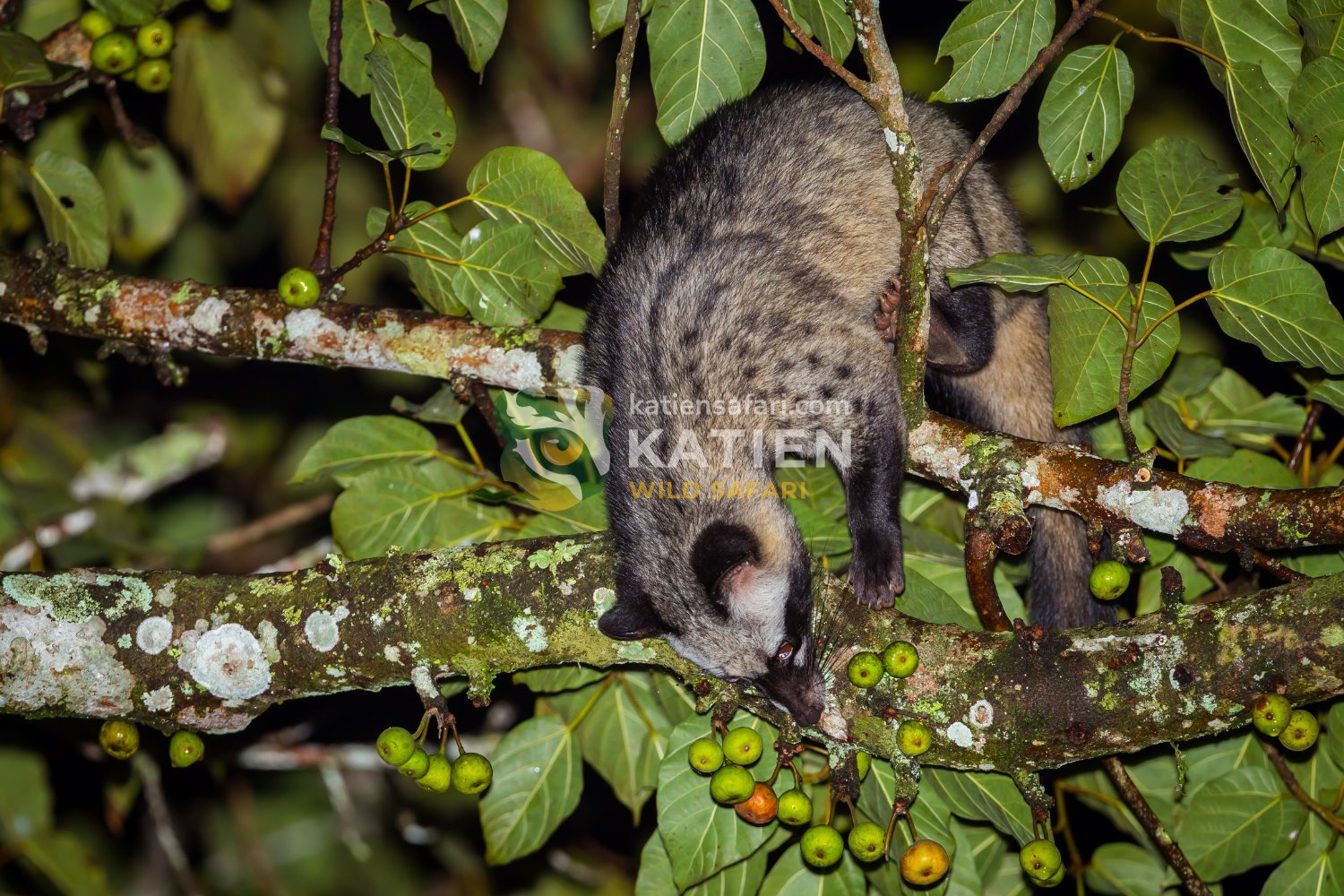
In stark contrast to the porcupines, the civet appears as a fleeting presence within the same ecological corridor.
CAM005 | Monitoring hours: Early morning, twilight and late night
This location functions as a critical transition zone between cover and open feeding ground for large ungulates.
Every frame from CAM005 contributes to our growing database of Cat Tien’s biodiversity, helping us protect the delicate balance of this sanctuary.