CAM001
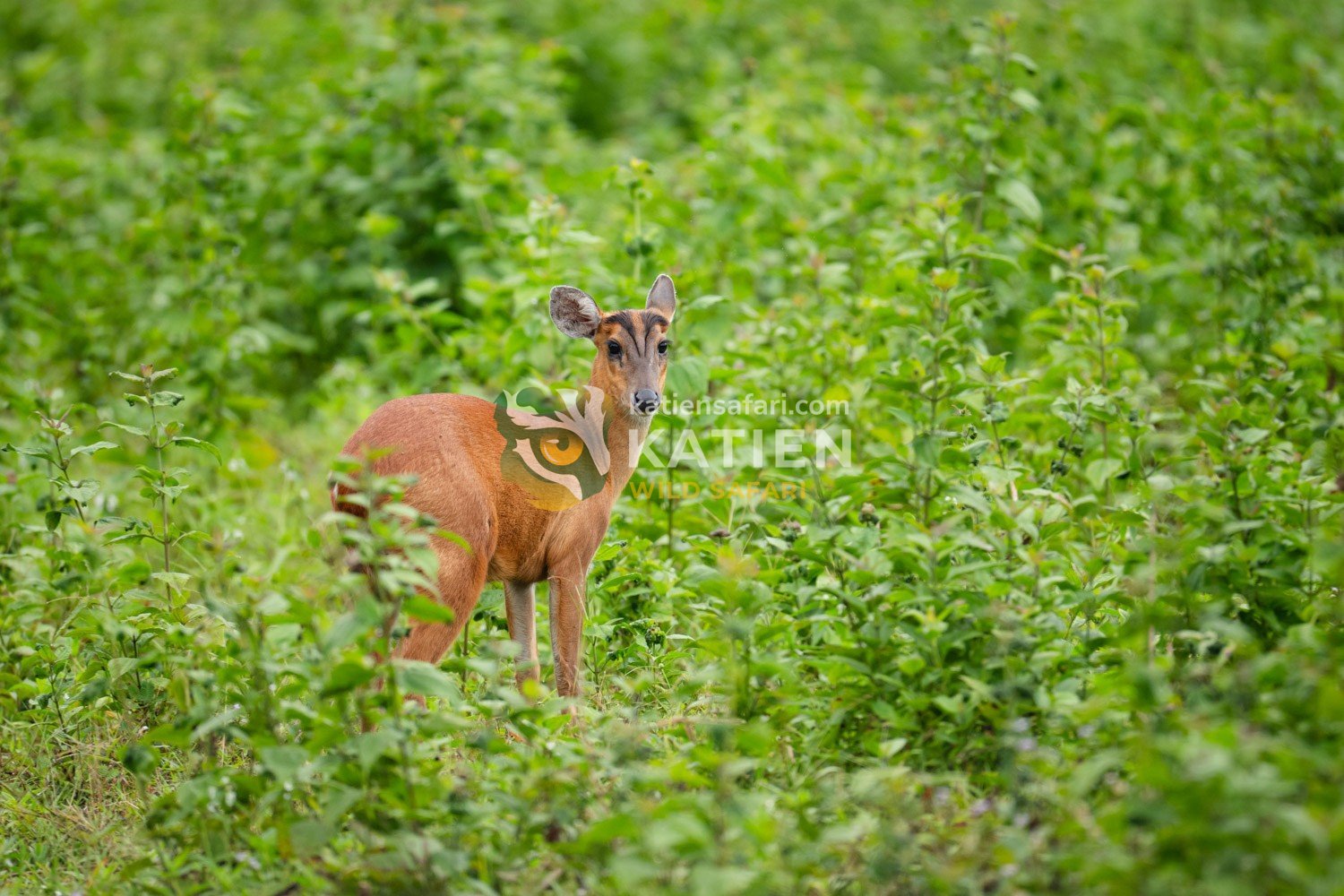
During the monitoring period, CAM001 recorded a significant gathering of barking deer

CAM004 is positioned within the expansive grassland buffers of Cat Tien National Park - an important transition zone for rehabilitated herbivores. These open landscapes provide space for animals to graze freely while gradually readapting to natural conditions, including herd behavior and environmental cues.
From this vantage point, the camera captures how wildlife moves, interacts, and settles back into the rhythms of the wild - offering valuable insight into the recovery process.
Integrated with Katien AI Sentinel, CAM004 delivers continuous thermal and motion-based data, helping researchers monitor activity patterns around the clock. This allows for a deeper understanding of how rehabilitated animals use open habitats, while supporting ongoing conservation and rewilding efforts.
In the early morning, a herd of wild gaurs moves into Cat Tien’s grassland to feed. The animals spread across the open area, slowly grazing on the vegetation as they move from one patch of grass to another. Their steady movements and time spent feeding offer a glimpse into the quiet morning routine of one of Cat Tien’s largest wild mammals.
A group of wild gaurs gathers in the grasslands of Cat Tien National Park, foraging beneath the rain after dark. The herd moves steadily through the wet grass, taking advantage of the cooler nighttime conditions to feed.
The gaur (Bos gaurus) is the largest wild cattle species in the world and an important herbivore in Cat Tien’s forest ecosystem. Mostly active during the cooler hours of the day and night, gaurs can often be seen feeding in open grasslands and forest edges.
Captured by Katien’s non-invasive wildlife camera, this footage offers a glimpse into the nocturnal activity of one of Cat Tien’s most impressive wild mammals.
Early in the morning, a group of wild gaurs emerge into the grassland of Cat Tien National Park to forage. Moving slowly through the open landscape, the herd spends the cooler hours of the morning feeding on grasses and other vegetation before the day becomes warmer.
The gaur is the world’s largest species of wild cattle, easily recognized by its powerful build, dark coat, and distinctive pale lower legs. Despite their impressive size, gaurs are herbivores and spend much of their time feeding and moving through forest edges, grasslands, and other suitable habitats.
Captured by Katien Safari’s Live Cam, this peaceful scene offers a glimpse into the daily rhythm of wild gaurs living in their natural habitat in Cat Tien National Park.
A small group of sambar deer is spotted foraging in the grasslands of Cat Tien National Park during the morning.
Sambar deer are among the larger herbivores found in Cat Tien, and they can be encountered across a variety of habitats within the Park. In this clip, the deer take advantage of the open grassland to graze and browse, occasionally looking up before continuing to feed.
Captured by Katien Safari's Live Camera system, a lone Lesser Adjutant (Leptoptilos javanicus) stands quietly in the grasslands of Cat Tien National Park during the late afternoon. While it may appear to be simply resting, this motionless stance is often part of the bird's hunting strategy. By remaining still and alert, it can patiently watch for fish, frogs, reptiles, insects, and other small prey before striking with remarkable speed
Listed as Vulnerable on the IUCN Red List, the Lesser Adjutant faces ongoing threats from wetland loss and habitat degradation across its range. The grasslands and seasonal wetlands of Cat Tien provide important feeding grounds for this impressive stork, highlighting the vital role protected landscapes play in conserving Southeast Asia's threatened waterbirds.
Two Lesser Adjutant Storks (Leptoptilos javanicus) stand quietly in the open grasslands of Cat Tien National Park during the middle of the afternoon. Although they appear motionless, these large wading birds remain alert, scanning the surrounding wetlands and grasslands for fish, frogs, reptiles, and other small prey.
The mosaic of seasonal wetlands and grasslands in Cat Tien provides ideal feeding and resting habitat for this globally Vulnerable species, making the park one of the important refuges for Lesser Adjutant Storks in southern Vietnam.
As the first light of day reaches the grasslands of Cat Tien National Park, a herd of wild gaurs (Bos gaurus) continues its slow journey across the open landscape. After spending the night foraging and resting, these gentle giants remain active during the cool hours of the morning, grazing on grasses and young shoots before retreating into the forest as temperatures rise.
Gaurs are the world's largest wild cattle and play an important role in maintaining healthy grassland and forest ecosystems through their grazing. Cat Tien National Park is home to one of Vietnam's most significant remaining gaur populations, making sightings like this a remarkable glimpse into the daily lives of these impressive mammals.
As temperatures cooled in the late afternoon, a herd of wild gaurs emerged from the forest into the grasslands of Cat Tien National Park. The animals spread across the meadow, feeding quietly on fresh grasses while remaining alert to their surroundings.
Gaurs (Bos gaurus) are the largest living species of wild cattle and are listed as Vulnerable on the IUCN Red List due to habitat loss and hunting. Protected landscapes like Cat Tien provide vital refuge for these magnificent herbivores and many other wildlife species.
This moment was captured through Katien Safari's live wildlife camera network, helping people experience Vietnam's wildlife while supporting conservation awareness.
A herd of wild gaurs (Bos gaurus), the world's largest wild cattle, spent several peaceful hours in the grasslands of Cat Tien National Park. Appearing around midnight, they grazed on fresh grasses, rested together, and remained in the open until just before sunrise, disappearing back into the forest.
Gaurs are primarily active during the cooler hours of the day and night, when lower temperatures reduce heat stress, allow them to forage more efficiently, and help reduce disturbance from human activity. Although they can weigh up to 1.500 kg, gaurs move remarkably quietly through the forest, making encounters like this surprisingly rare. They also live in social herds, where multiple adults remain alert while others feed or rest, helping the group detect potential threats.
Seeing an entire herd remain in one location for so many hours offers a rare glimpse into their natural behavior in one of Vietnam's most important protected forests.
Under the cover of darkness, a herd of wild gaurs (Bos gaurus) emerges to graze on the grasslands of Cat Tien National Park, offering a rare glimpse into the secret lives of Southeast Asia's largest wild cattle.
Adult gaurs can weigh up to 1,500 kg, making them the world's largest wild bovine. They typically forage during the cooler hours of the evening and night, feeding on grasses, bamboo, leaves, and shrubs. As large herbivores, gaur play a vital role in maintaining healthy ecosystems by shaping vegetation and dispersing seeds across the forest.
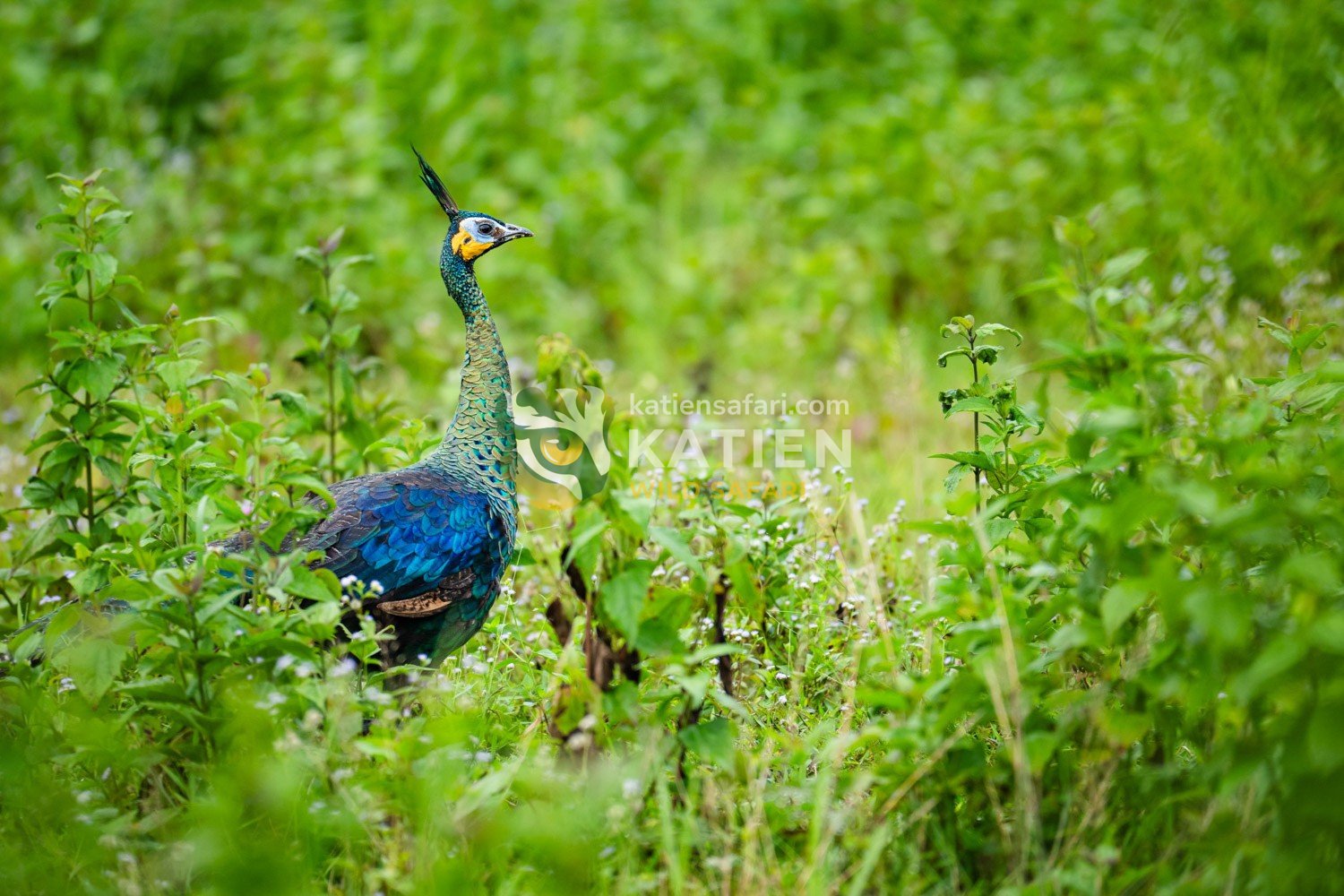
As the sun begins to rise over Cat Tien National Park, two green peafowls can be seen foraging across the open grassland. The birds move carefully through the vegetation, searching for seeds, insects, shoots, and other food items that make up their varied diet.
Early morning is one of the most active periods for green peafowls, as cooler temperatures provide ideal conditions for feeding and movement. Open grasslands play an important role in their daily routine, offering both abundant food resources and clear visibility to detect potential predators.
The green peafowl is one of Southeast Asia's most spectacular bird species, known for its iridescent plumage and striking appearance. Despite its beauty, the species is listed as Endangered on the IUCN Red List due to habitat loss, hunting, and other human-related pressures across much of its range.
Cat Tien National Park remains an important refuge for green peafowls in Vietnam, providing suitable habitat for breeding, feeding, and shelter. This peaceful morning encounter offers a glimpse into the daily life of these remarkable birds and highlights the value of protected areas for wildlife conservation.
A group of female sambar deer is seen foraging together in the grassland during the late afternoon at Cat Tien National Park. Feeding on grasses and low vegetation, the deer move cautiously through the open habitat as temperatures begin to cool toward the evening.
Female sambar deer are often found in small groups, which helps increase vigilance against predators while feeding in exposed areas. Individuals frequently pause to lift their heads, using their strong sense of hearing and smell to detect potential danger nearby. Grasslands close to forest cover provide an ideal balance between feeding opportunities and quick escape routes.
Unlike males, females do not grow antlers and are generally smaller with lighter brown coats. Scenes like these offer a glimpse into the quiet social behaviour of one of Cat Tien’s most important large herbivores.
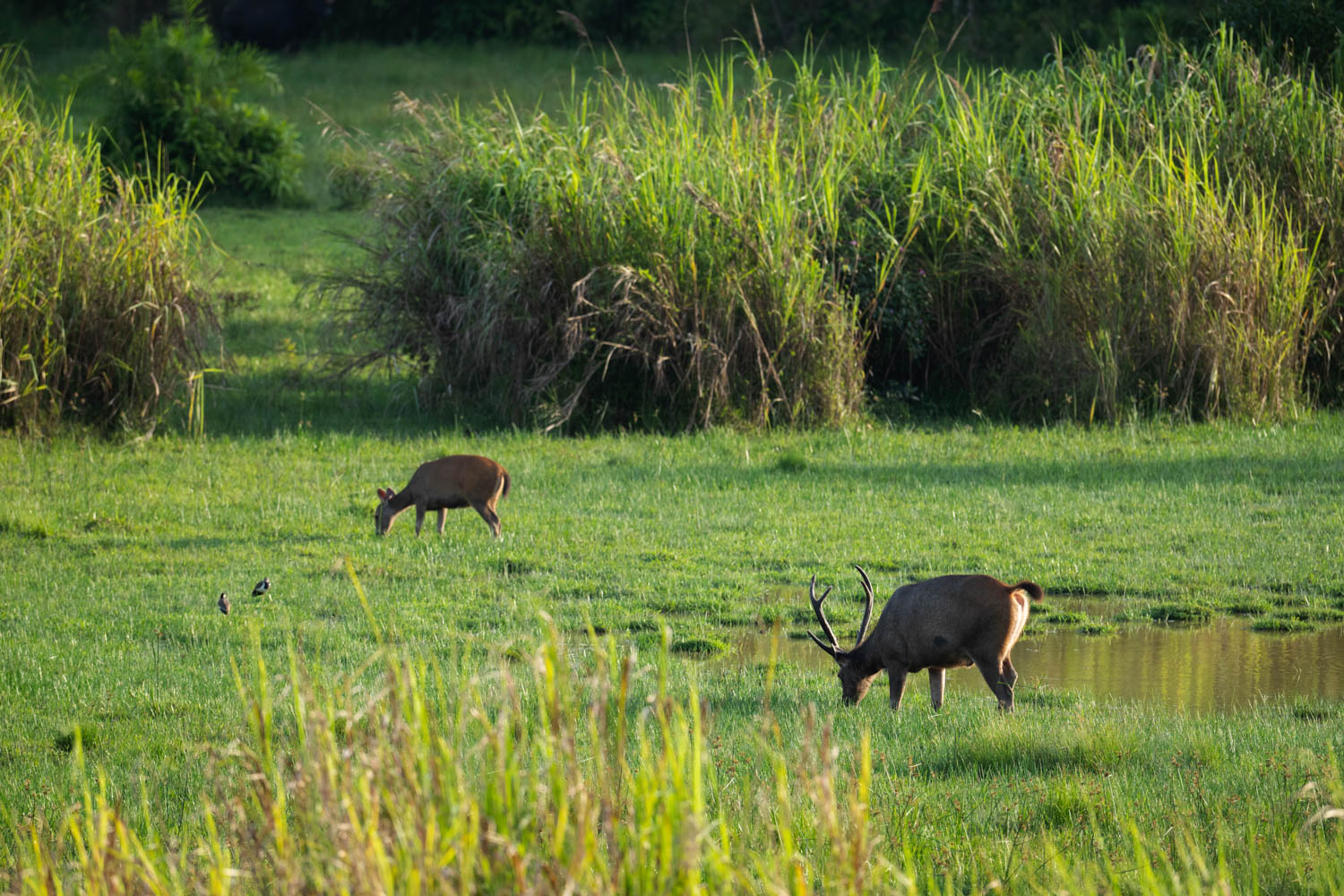
Early in the morning, four sambar deer can be seen moving across the grassland to graze and forage. As one of the largest deer species in Asia, sambar deer rely on these cooler hours to feed more efficiently while reducing exposure to heat and predators. Despite their size, they remain cautious animals - often feeding in small groups while maintaining awareness of their surroundings.
Sambar deer (Rusa unicolor) are well adapted to a range of habitats, from dense forests to open grasslands like those found in Cat Tien National Park. They are primarily crepuscular, meaning they are most active during early morning and late afternoon. Their diet includes grasses, leaves, fallen fruits, and occasionally aquatic plants, making them highly adaptable foragers.
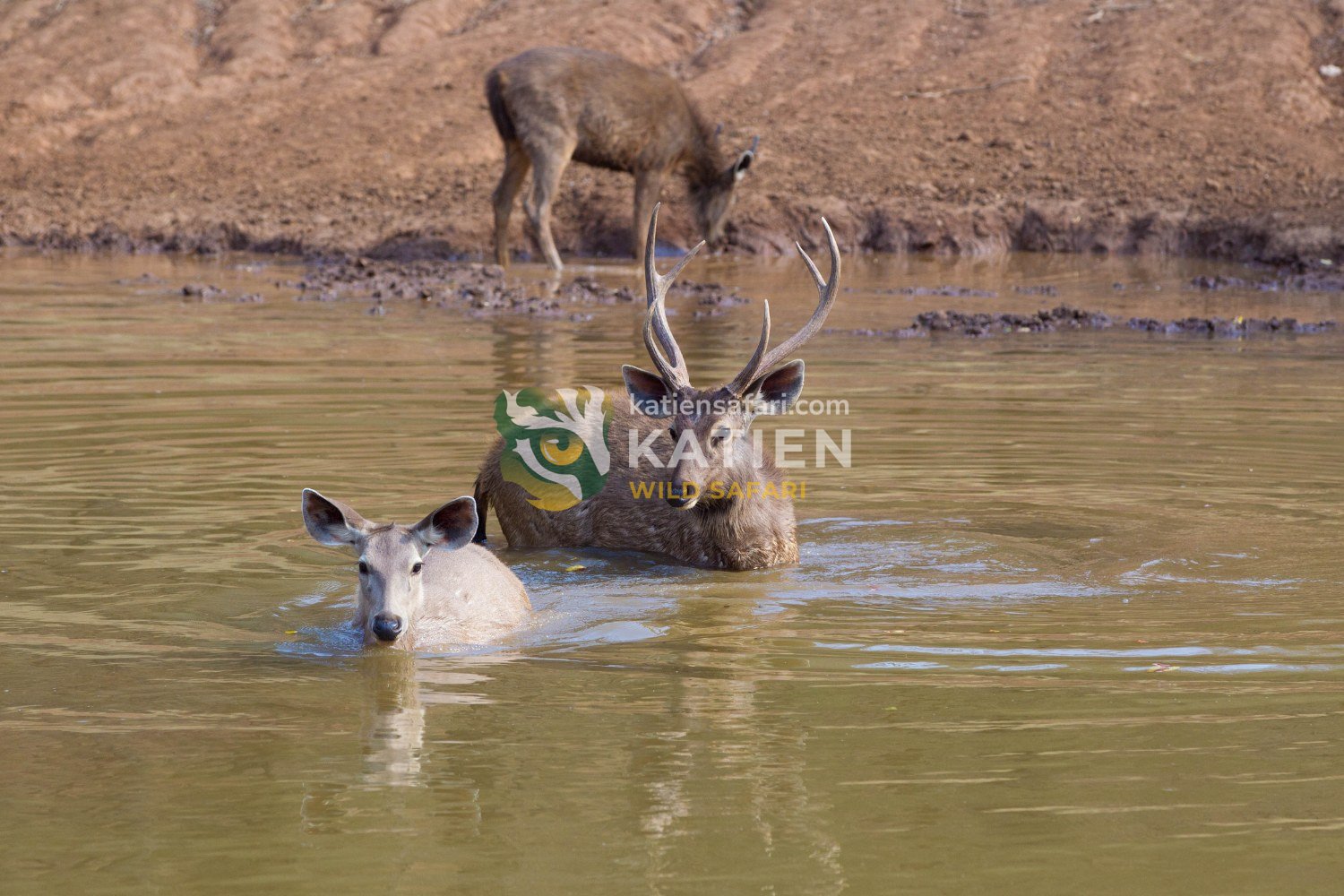
They are also strong swimmers and are often found near water sources, which provide both food and a place to cool down. Known for their keen senses of smell and hearing, sambar deer frequently pause while feeding to scan their surroundings - an essential behavior that helps them detect predators. This calm morning scene offers a glimpse into their daily routine, where feeding and vigilance are closely intertwined.
Two Sambar Deer are observed in the grassland during the afternoon in Cat Tien National Park, positioned at a distance from each other. Both individuals appear alert, with one continuing to forage cautiously while the other moves quickly toward the camera, possibly responding to a disturbance.
Sambar deer rely heavily on their senses of hearing and smell, and in open habitats they remain highly vigilant. Even while feeding, they frequently pause and react to subtle changes in their surroundings.
A group of Sambar deer is observed in the grassland at night, alternating between resting and foraging. Some individuals remain lying down while others stand nearby, feeding on grasses and low vegetation.
Their behavior reflects a typical nocturnal pattern, with periods of feeding interspersed with rest. Even while settled, the deer remain alert, occasionally lifting their heads to scan the surroundings.
The scene captures a calm nighttime moment, with the group sharing the open grassland as they feed and conserve energy.
A group of Gaur is observed grazing in an open area at night - an uncommon sight, as these large and typically elusive animals are not often captured on camera. In Cat Tien National Park, there are estimated to be around 120 individuals, with the Park supporting one of the largest gaur herds in the region.
As the world’s largest wild cattle species, gaur are powerful herbivores, recognized by their muscular build, dark brown coats, and distinctive white “stockings” on their lower legs. Despite their size, they are generally quiet and cautious, often preferring dense forest cover during the day and becoming more active during the cooler hours of early morning, late afternoon, and night.
In this footage, the herd remains grouped, with individuals occasionally lifting their heads to scan their surroundings before returning to feed. This balance between feeding and vigilance is typical, especially in more open areas where visibility is higher.
Gaur live in small herds, usually made up of females and young, led by an experienced individual. Larger males may join these groups or move more independently during the peak of the breeding season. Even in low-light conditions, their size and presence are unmistakable, and their calm, deliberate movements reflect a strong sense of awareness.
Their appearance in a more open grassland at night may indicate a shift in activity patterns, possibly taking advantage of cooler temperatures and reduced disturbance. Moments like this offer a rare glimpse into the behaviour of a species that is usually difficult to observe in the wild.
The open grassland offers an ideal setting to observe the ecological role of wild boar as natural “ecosystem engineers.”
This location captures the typical grazing behaviour of Sambar deer, the largest deer species in the park, during the cooler hours of the night.