Logo
Breadcrumb

Cat Tien Live Safari CAM007

CHECKING...
Offline

Live Camera will be available soon. Check our daily updates below.

Semi-Wild Rehabilitation & Rescue Sanctuary: Cat Tien Live Safari Cam007

Situated within the specialized rescue and conservation zone of Cat Tien National Park, CAM007 monitors a semi-wild enclosure dedicated to the rehabilitation of wildlife rescued from illegal trade. This facility provides a secure environment for recovered species to regain their natural instincts before potential release back into the wild.

Unlike cameras in the core forest zones, CAM007 tracks the adaptation of rescued animals to natural rhythms. These observations are integrated into the Katien AI Sentinel system to evaluate behavioral recovery and the success of species-specific rehabilitation protocols.

Wildlife Activity Monitoring Report

1. Great Hornbill (Buceros bicornis)

CAM007 | Monitoring highlights: Diurnal Activity (06:00 – 17:00) (GMT+7)

This station monitors the daylight interactions and flight recovery of the Great Hornbill, a keystone species of the tropical canopy.

  • Species identification: A large, majestic bird recognized by its massive yellow and black casque atop a large bill, white neck, and black body plumage with a white-banded tail.
  • Behavioral insight: CAM007 documents the birds engaging in social bonding and beak-preening during peak daylight hours. They are observed navigating the cross-perches within the enclosure, testing their wings and maintaining high vigilance. Their active engagement with the environment during the day is a positive indicator of physical recovery following rescue from captivity.

As an exclusively diurnal species, the Great Hornbills at CAM007 exhibit a profound shift into metabolic rest during the nocturnal hours.

  • Nocturnal status: Captured under infrared illumination, the birds remain largely stationary on their preferred high-roost perches.
  • Behavioral insight: CAM007 confirms that these hornbills are completely inactive at night, minimizing movement to conserve energy and avoid detection by potential predators. They remain tucked into a resting posture, showing only slight movements of the head when sensing environmental changes. This cycle of deep nocturnal rest is essential for the neurological health of rescued individuals in the sanctuary.
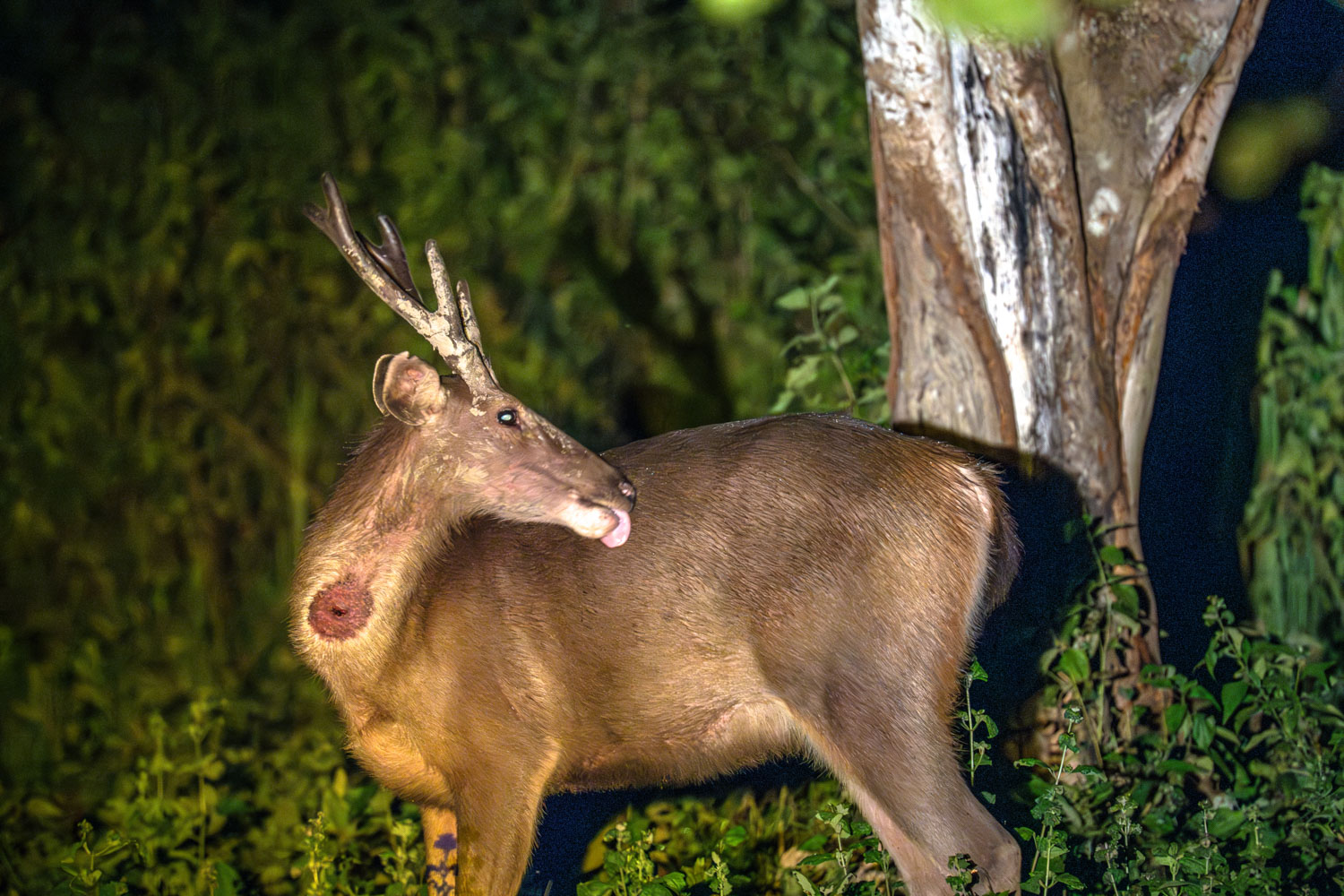
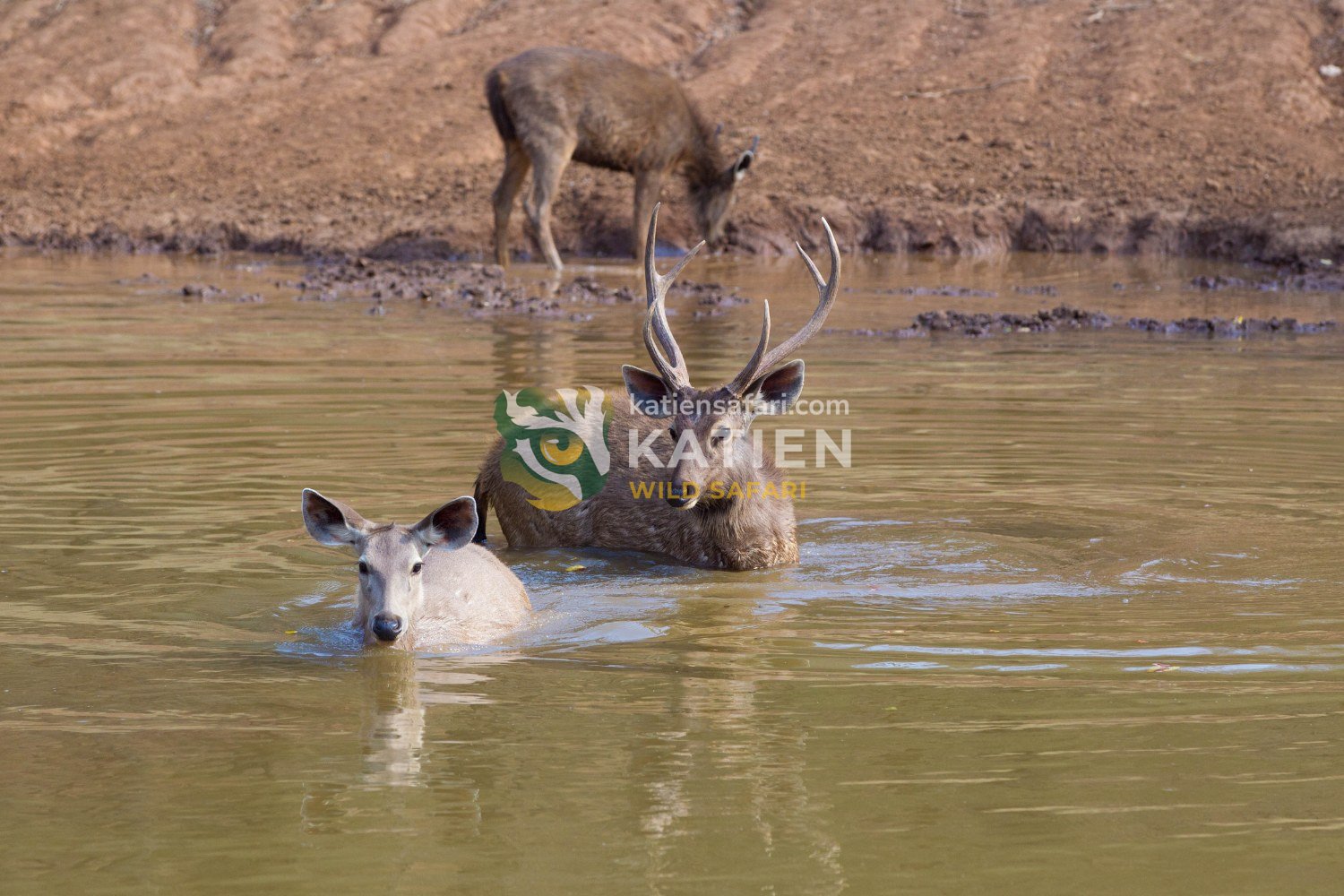
Sambar Deer

CAM001

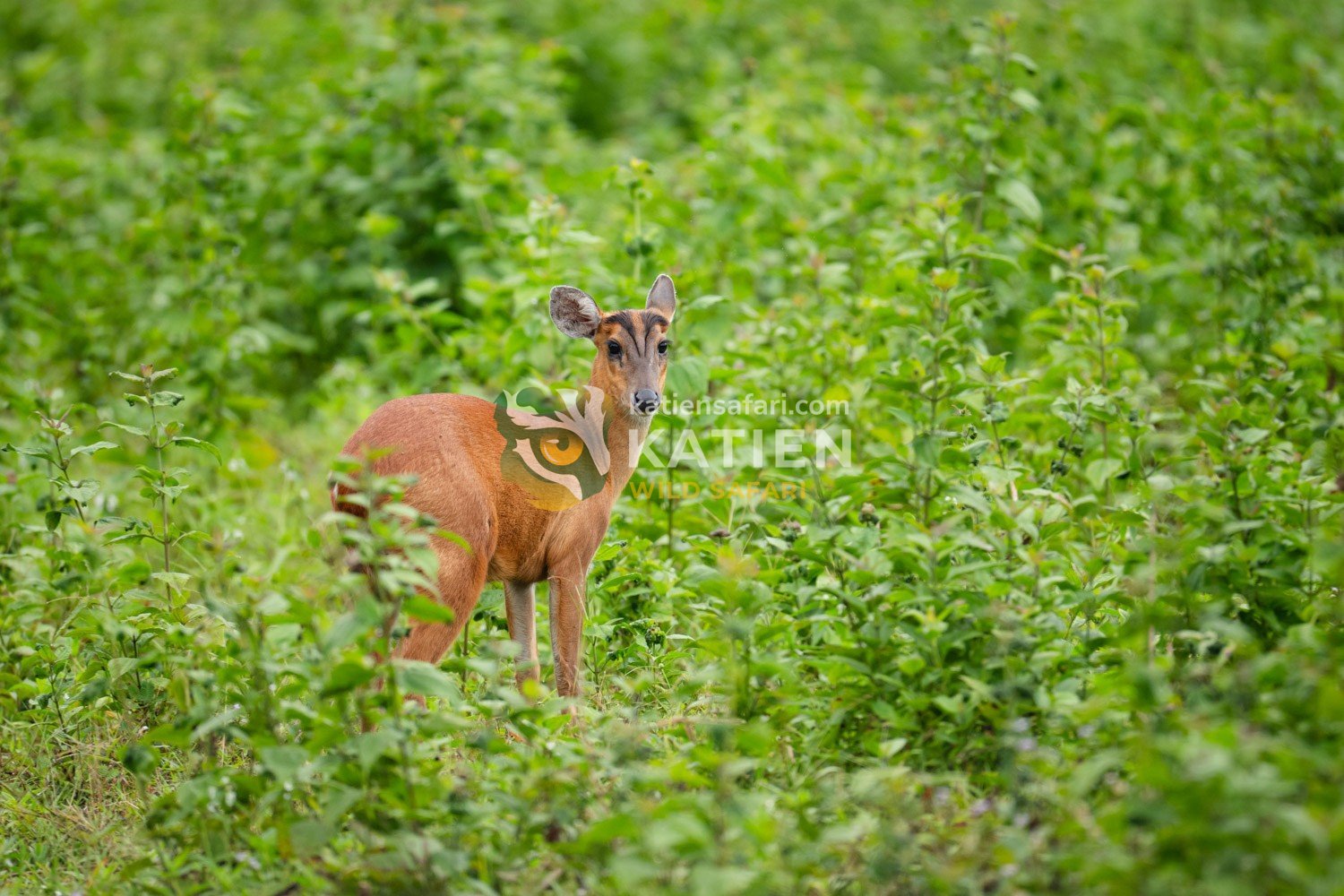
During the monitoring period, CAM001 recorded a significant gathering of barking deer

Green Peafowl

CAM002

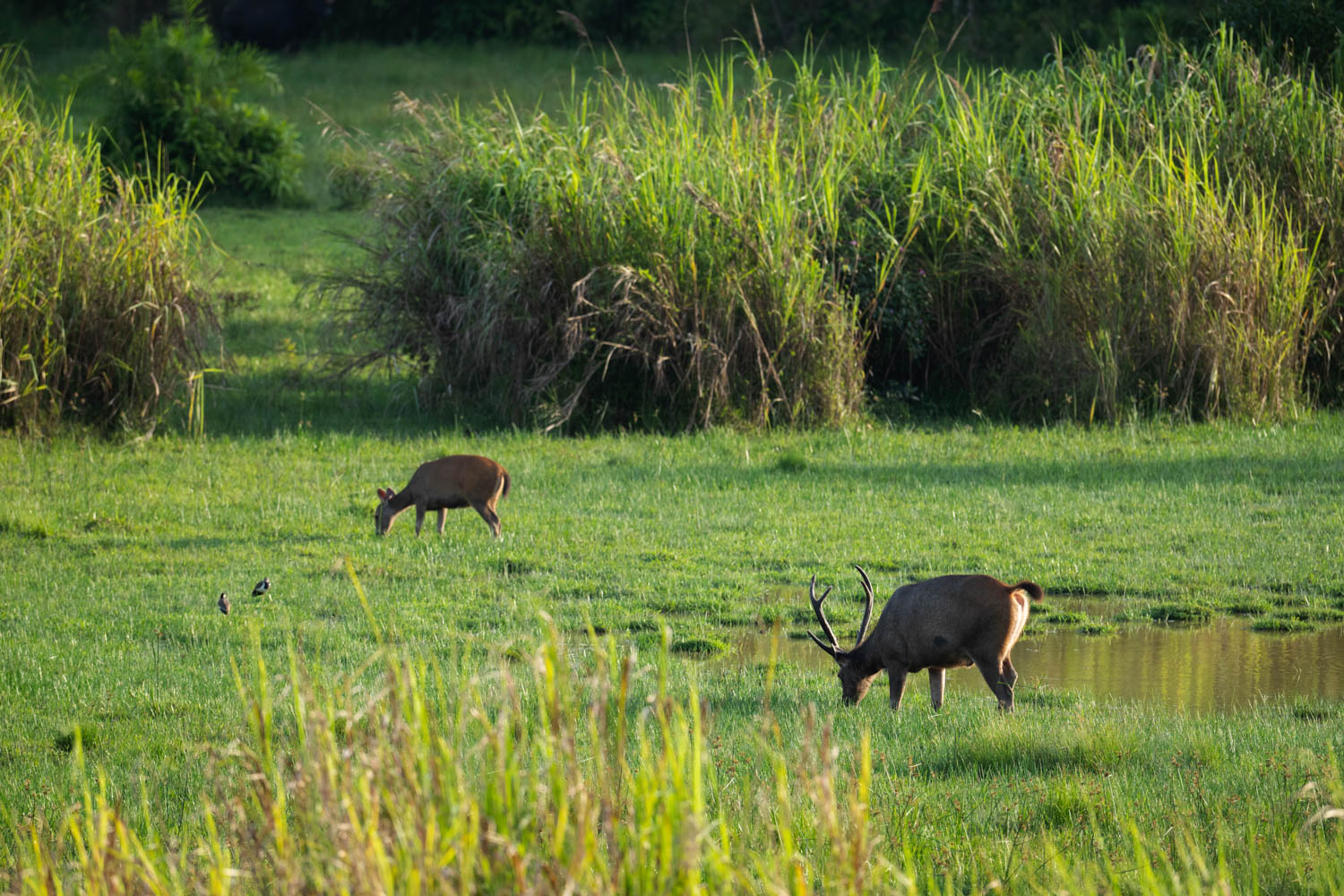
Data from CAM002 confirms that the window between 7 PM and 3 AM is the most active period for the park’s hoofed residents.

Safari background

CAM003

Interestingly, CAM003 rarely records these species grazing at night.

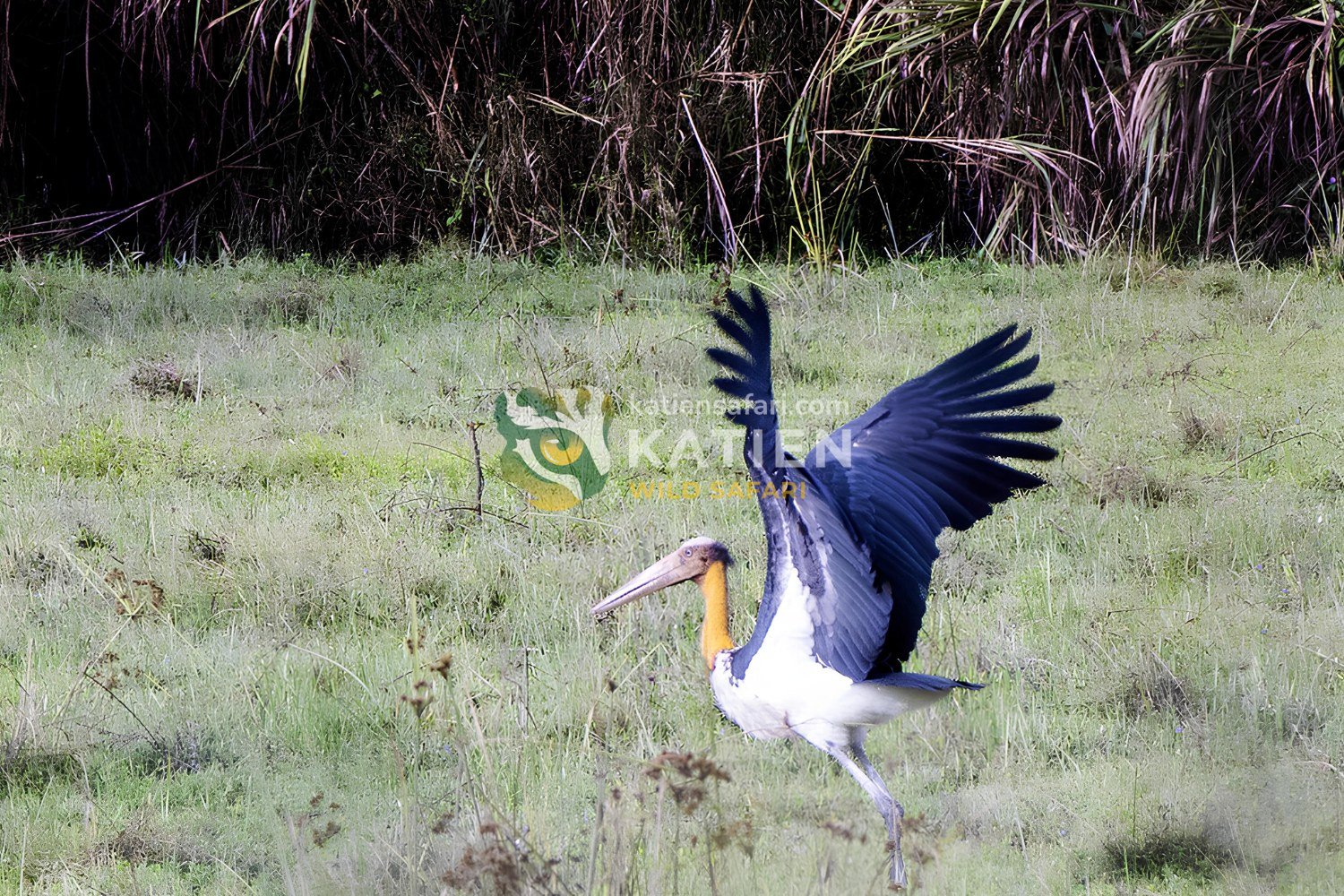
Lesser Adjutant

CAM005

Operating 24/7, CAM005 captures the raw, unscripted rhythms of the wild.

Safari background

CAM006

CAM006 follows the daily life of yellow-cheeked gibbons, allowing a clear view of how these share space in the canopy.