Table of Content


A village that preserves the heritage of the Chau Ma and S’tieng people: Ta Lai has long been home to the Chau Ma and S’tieng people. For generations, local familíe have depended on farming and the natural resources of the surrounding forests. Here, the forest has always been more than a source of livelihood. It is the foundation of daily life, cultural identity, and traditions that have been passed down through generations.
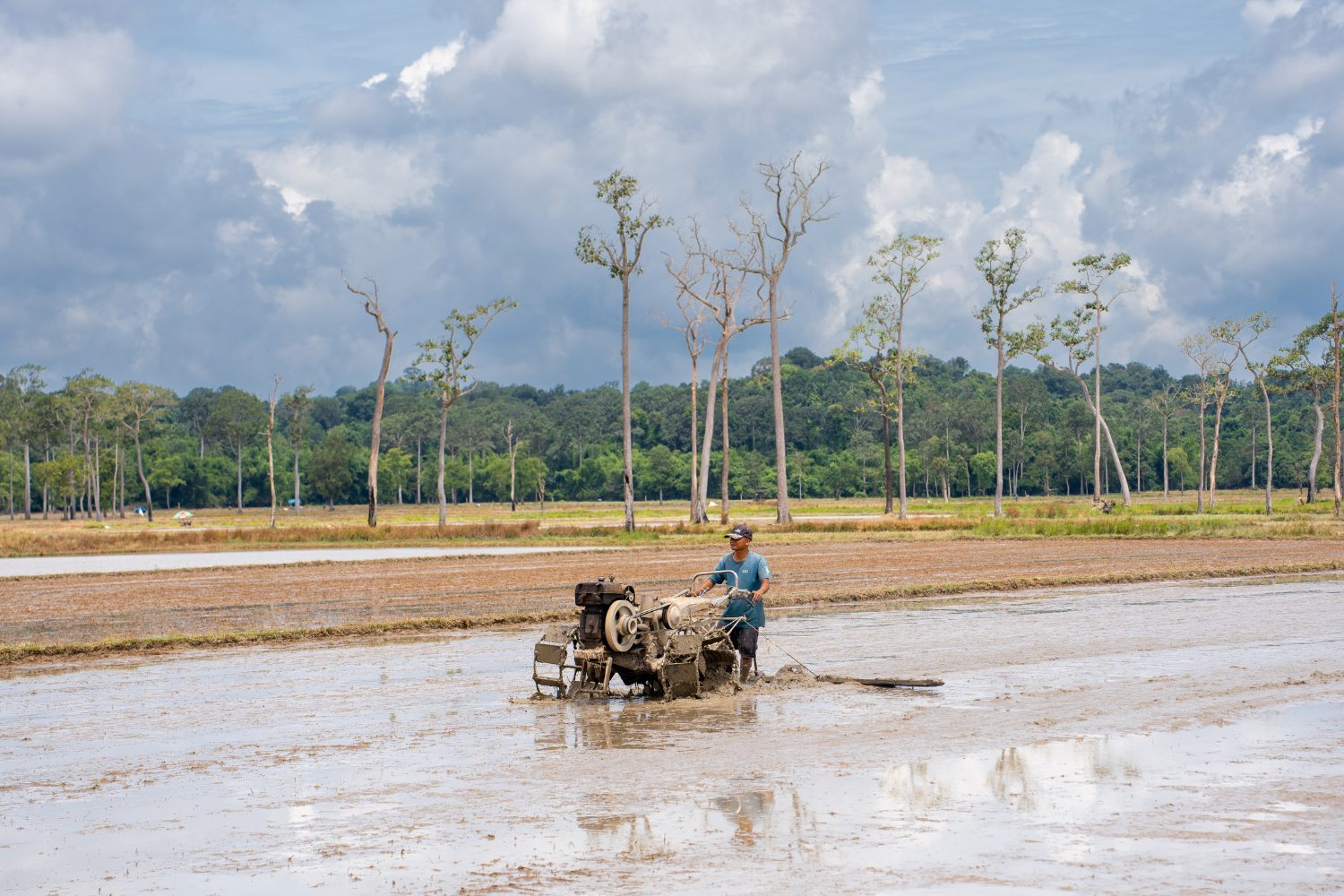
Local farmers working in the lush fields of Ta Lai.
A new chapter after forest conservation: With the establishment of Cat Tien National Park to protect one of Vietnam’s most valuable tropical rainforest ecosystems, the use of forest resources became strictly regulated under national conservation laws. As traditional forest-based livelihoods gradually disappeared, Ta Lai faced the challenge of creating new and sustainable economic opportunities while adapting to a changing relationship with the forest.
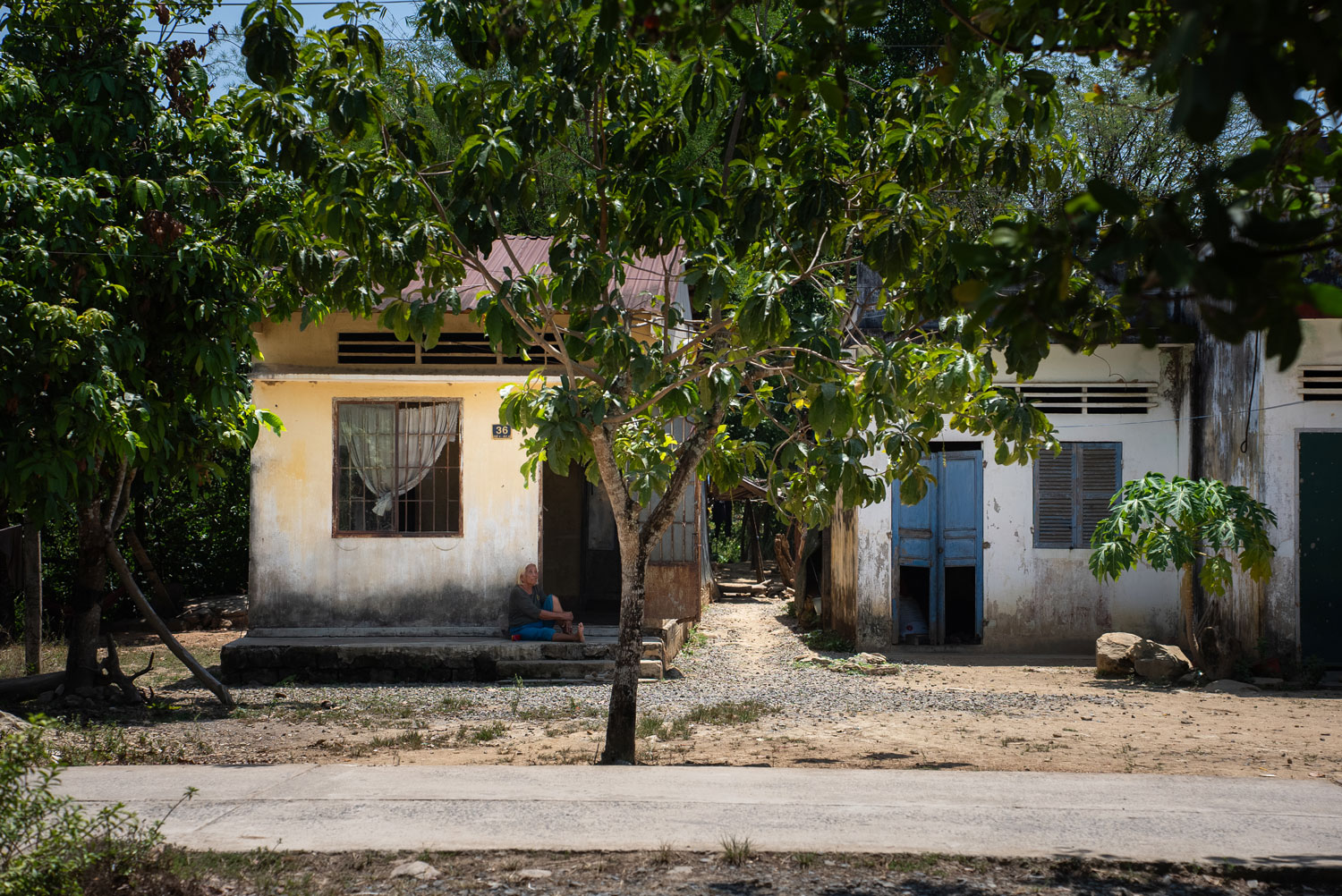
Life in Ta Lai Village remains challenging for many local families.
A natural treasure with outstanding tourism potential: Despite these challenges, Ta Lai is blessed with an invaluable gift from nature: peaceful, gentle landscapes and streams nestled right beside the majestic Cat Tien National Park. Along with a rich cultural treasure trove deeply imbued with identity (such as traditional brocade weaving, gong performances, and local cuisine), Ta Lai opens up great potential for the development of sustainable local tourism.

The setting sun paints the Ta Lai fields in golden hues, creating a scene of quiet rural beauty.
Now, tourism is the key that opens opportunities for local residents to directly engage in service activities, transitioning livelihoods from 'dependence on forests' to 'protection of forests,' establishing a stable source of income, and gradually elevating their quality of life.
With the orientation to develop a benchmark local-driven tourism model:
By 2030, the Ta Lai tourism village project commits to achieving the following key targets:
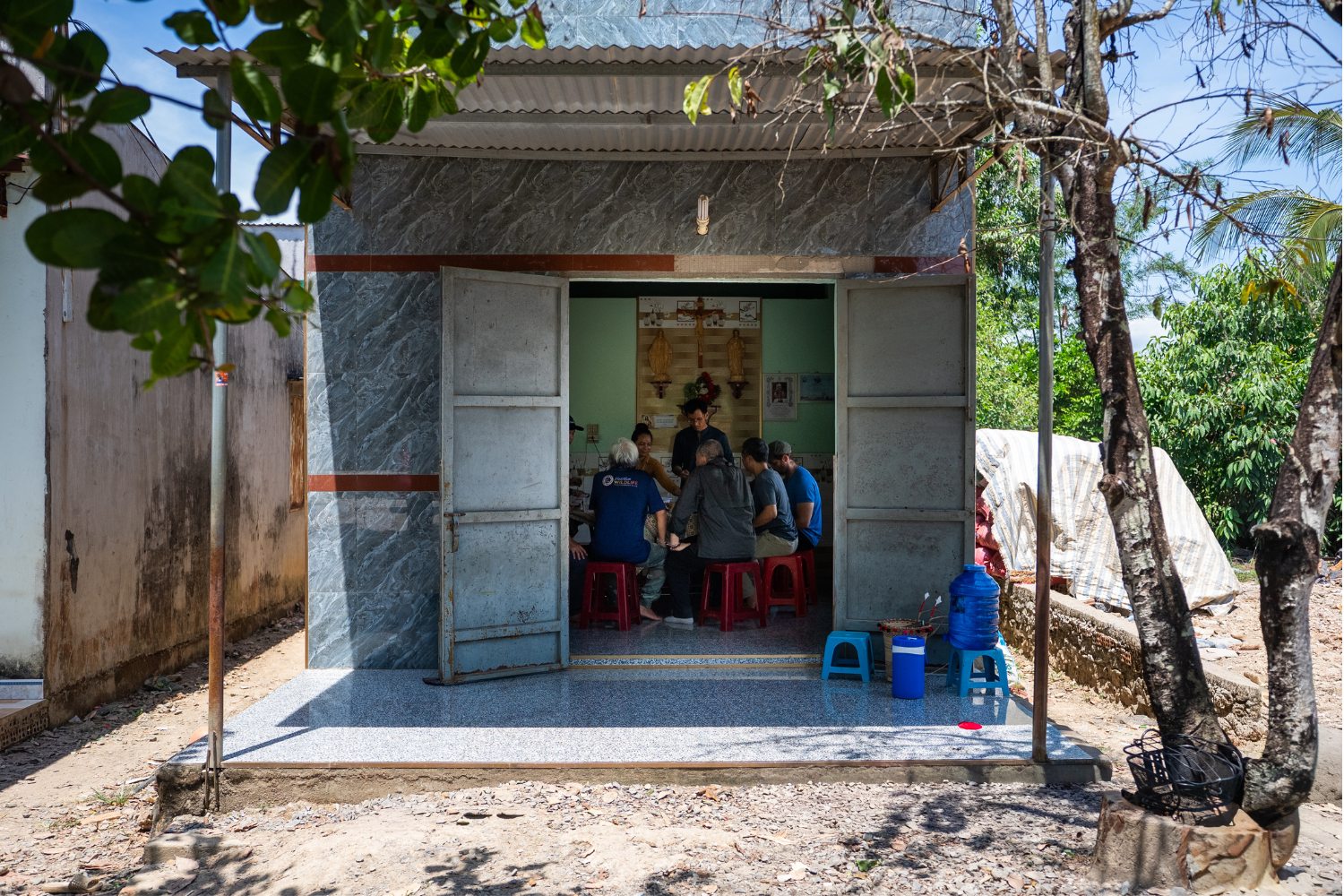
Ma families host visitors with traditional home-cooked meals in their own homes.
The Ta Lai Tourism Village project is developed with the support of partners in tourism, conservation, and training.
Oxalis is an adventure travel company known for its nature-based exploration and community tourism products in Phong Nha - Ke Bang National Park. With experience in developing tourism connected to nature and local communities, Oxalis is one of the key partners in Ta Lai, supporting the development of a sustainable community tourism village model that connects local culture with the Cat Tien ecosystem.
Cat Tien National Park is one of Vietnam’s important nature reserves, located adjacent to Ta Lai and forming the distinctive natural landscape of the area. The connection between the park and Ta Lai villages provides a foundation for developing tourism that brings together nature experiences, local communities, and conservation.
Ta Lai Commune is home to the Ma and S’tiêng communities, where their traditional way of life continues to shape the local identity. It is also a place where the distinctive community life, rural landscape, and cultural heritage of the buffer zone around Cat Tien National Park come together.
The Dong Nai Department of Culture, Sports and Tourism is the provincial department responsible for culture, sports, and tourism. Ta Lai is one of the community destinations included in Dong Nai’s development vision for sustainable ecotourism and cultural tourism.
Saigon Tourism College is a vocational institution in Ho Chi Minh City that provides training in tourism, hospitality, food and beverage, and travel services. With a focus on developing high-quality tourism professionals for Ho Chi Minh City and neighboring provinces, the college will support Ta Lai by helping local residents strengthen their tourism knowledge and skills and improve service standards.
Ta Lai's success is built upon a strong partnership among 5 main pillars, with key stakeholders fulfilling the following primary roles and responsibilities:
Oxalis
Local communities (Chau Ma and S’tieng people)
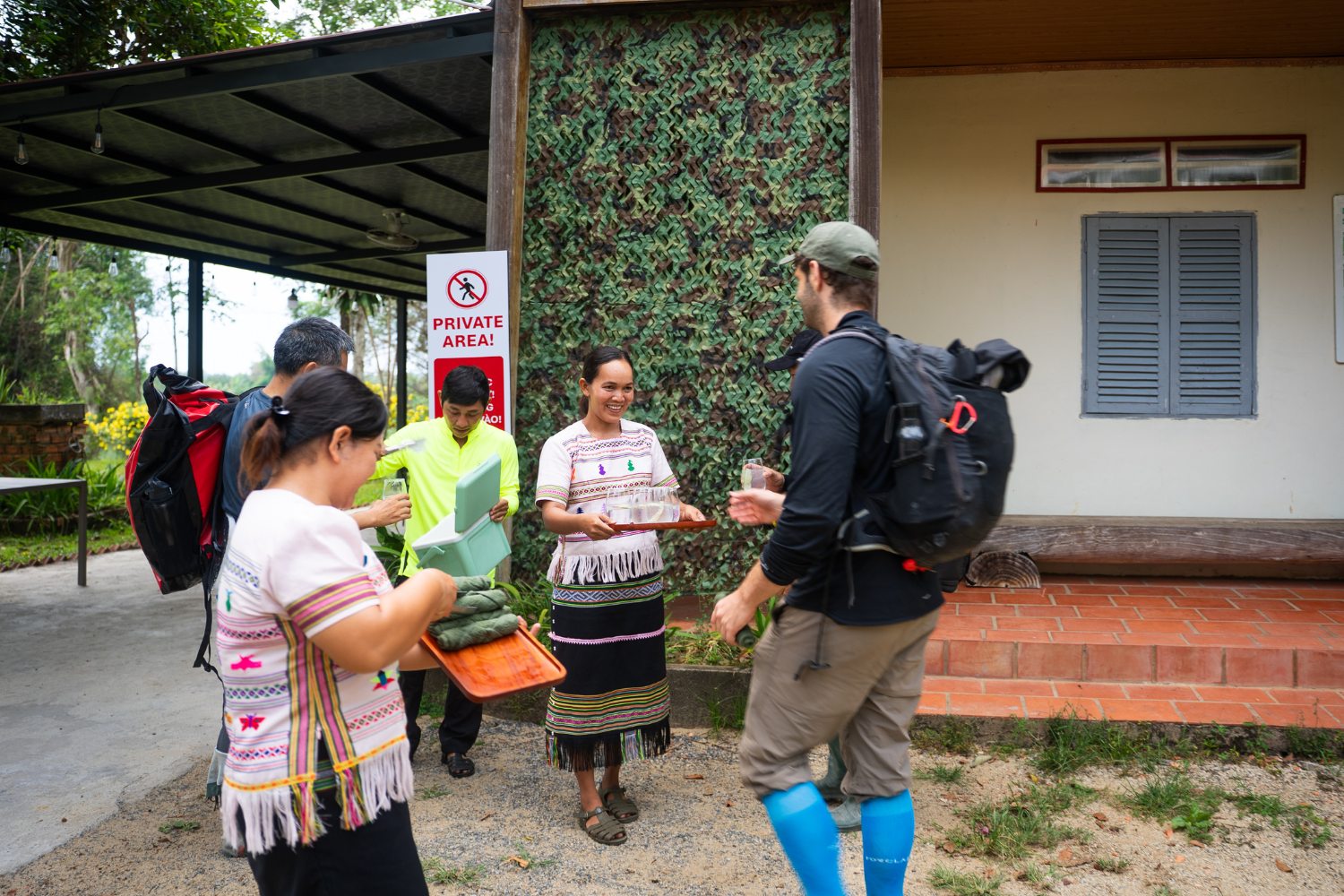
Warm smiles from Ma women welcome visitors to Cat Tien National Park.
Cat Tien National Park and local authorities (Dong Nai Department of Culture, Sports and Tourism, Ta Lai Commune)
Visitors
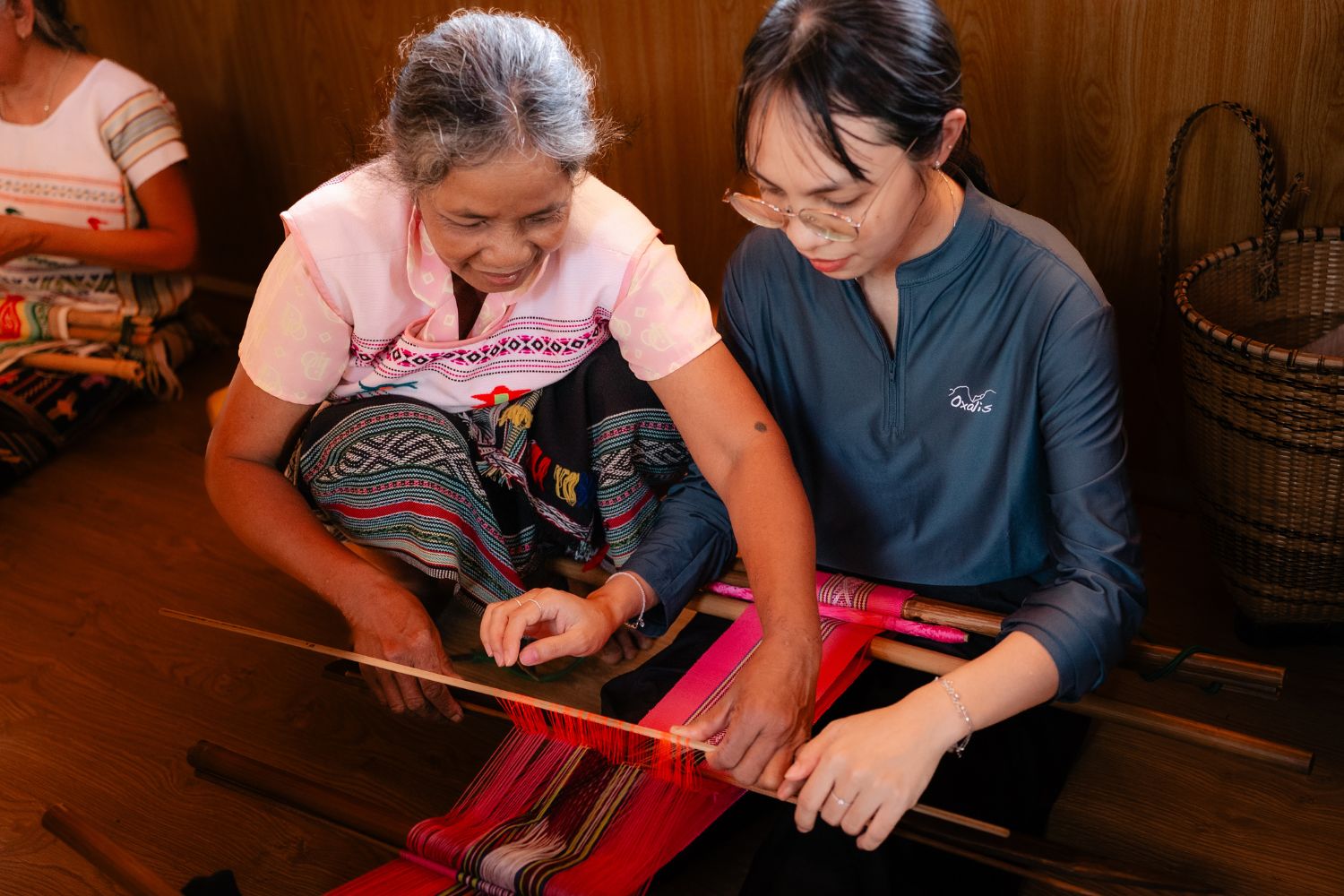
Visitors learn the traditional brocade weaving techniques of the Ma people.
Objective: Define target visitor segments, launch anchor products, and activate community participation.
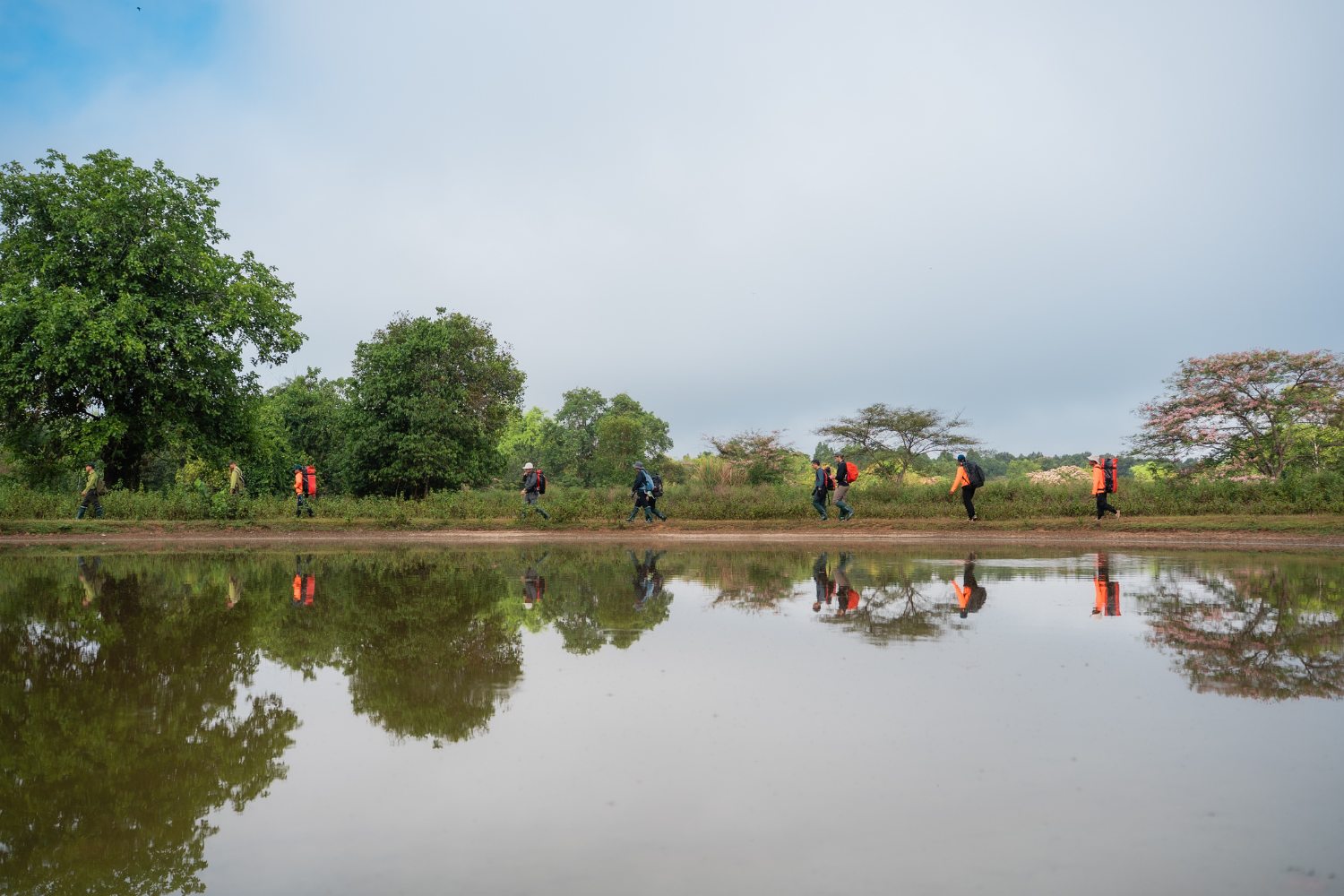
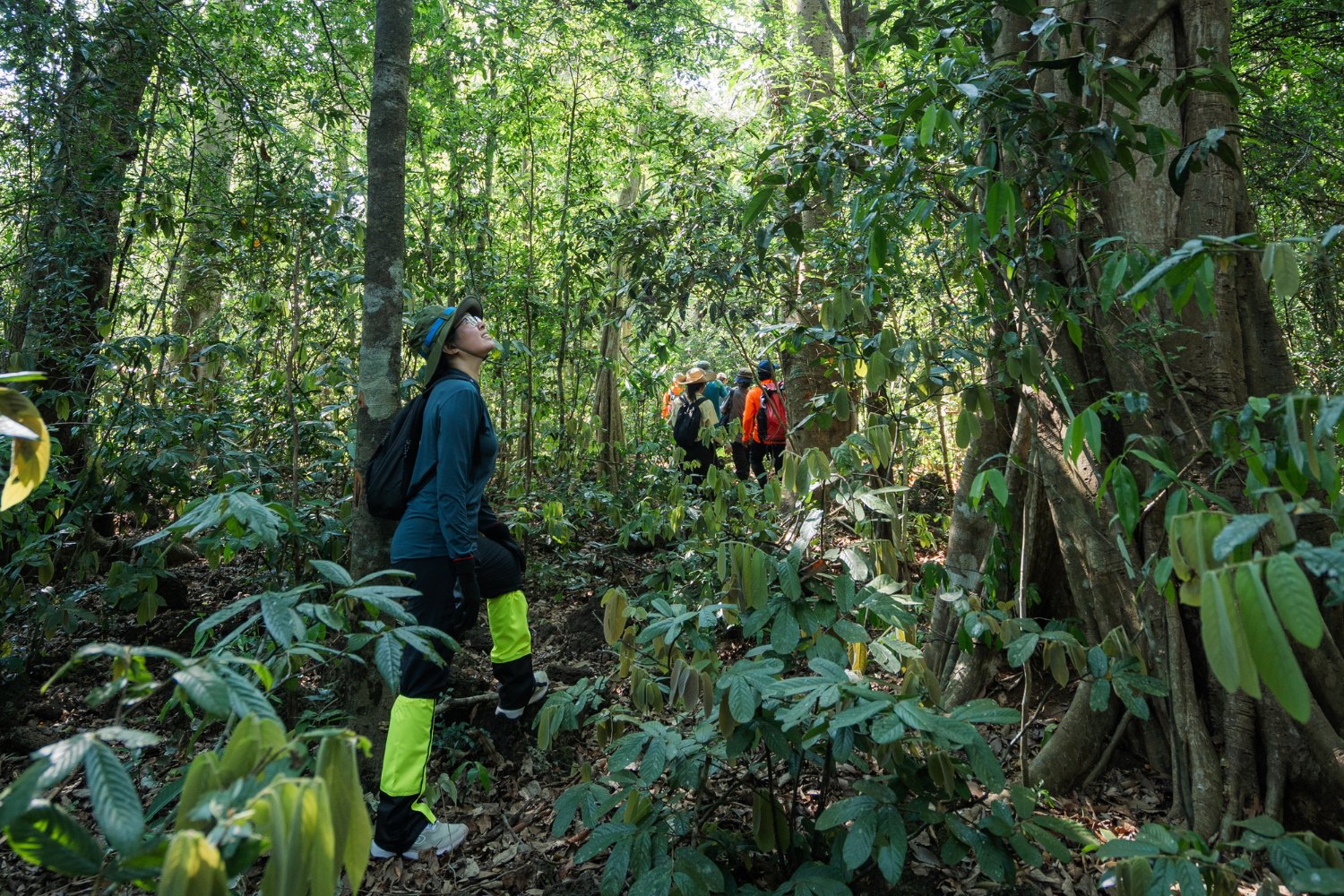
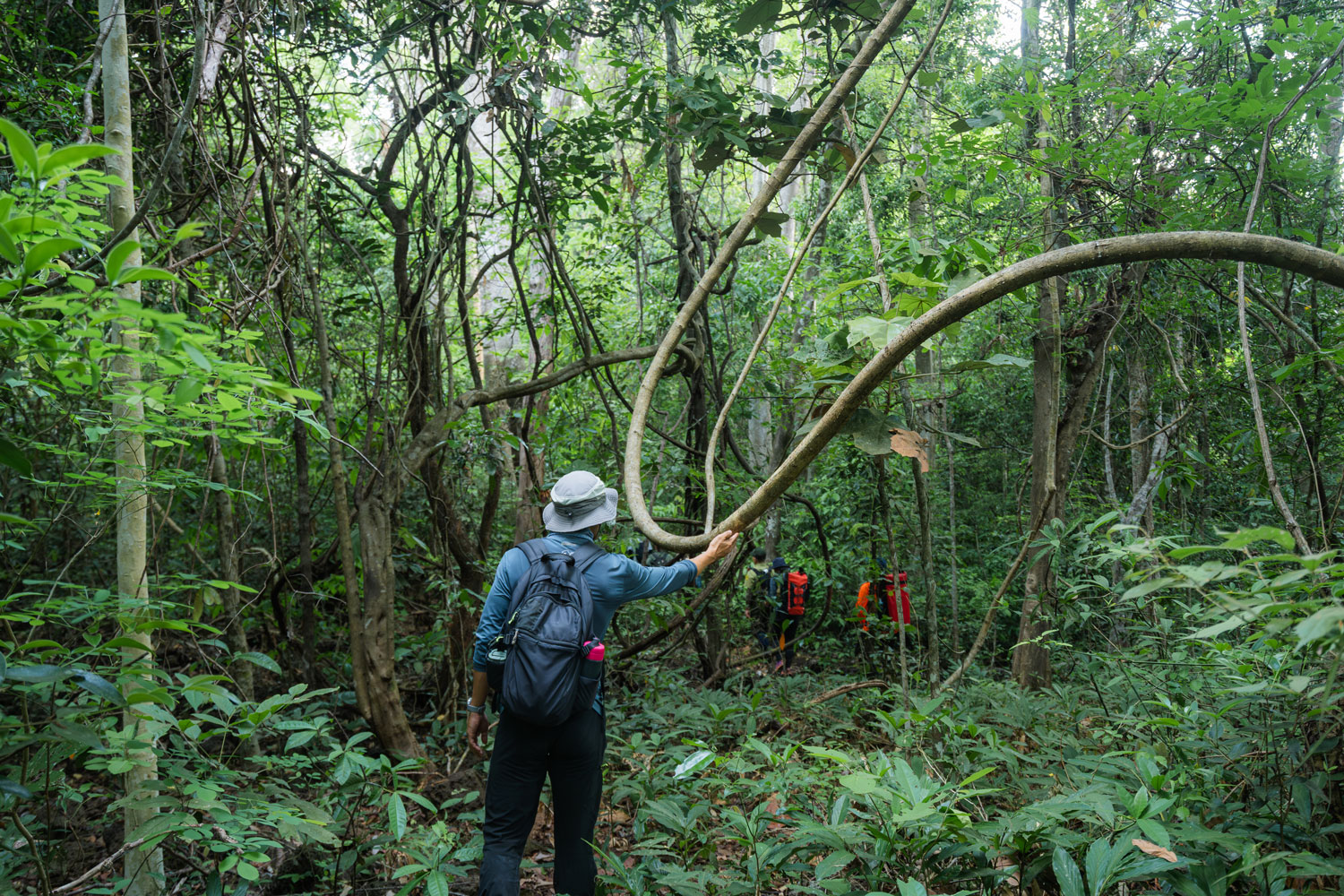
Visitors take part in trekking and wildlife exploration tours with Katien Safari.
Objective: Create more income opportunities, add value to local products and encourage visitors to stay overnight.

The Ta Lai fields will be developed into an eco-tourism destination.
Objective: Complete the tourism model, strengthen international recognition and achieve the UN Tourism award.
EXPLORE CAT TIEN WITH OXALIS - TOGETHER, LET'S BRING TA LAI VILLAGE TO THE WORLD
Every journey with Oxalis in Cat Tien National Park is more than a nature adventure. It is an opportunity to support sustainable livelihoods for the Chau Ma and S'tieng communities.
Join an Oxalis Cat Tien experience today and help Ta Lai grow into a model tourism village, working toward recognition as one of UN Tourism's Best Tourism Villages 2030.