Table of Content

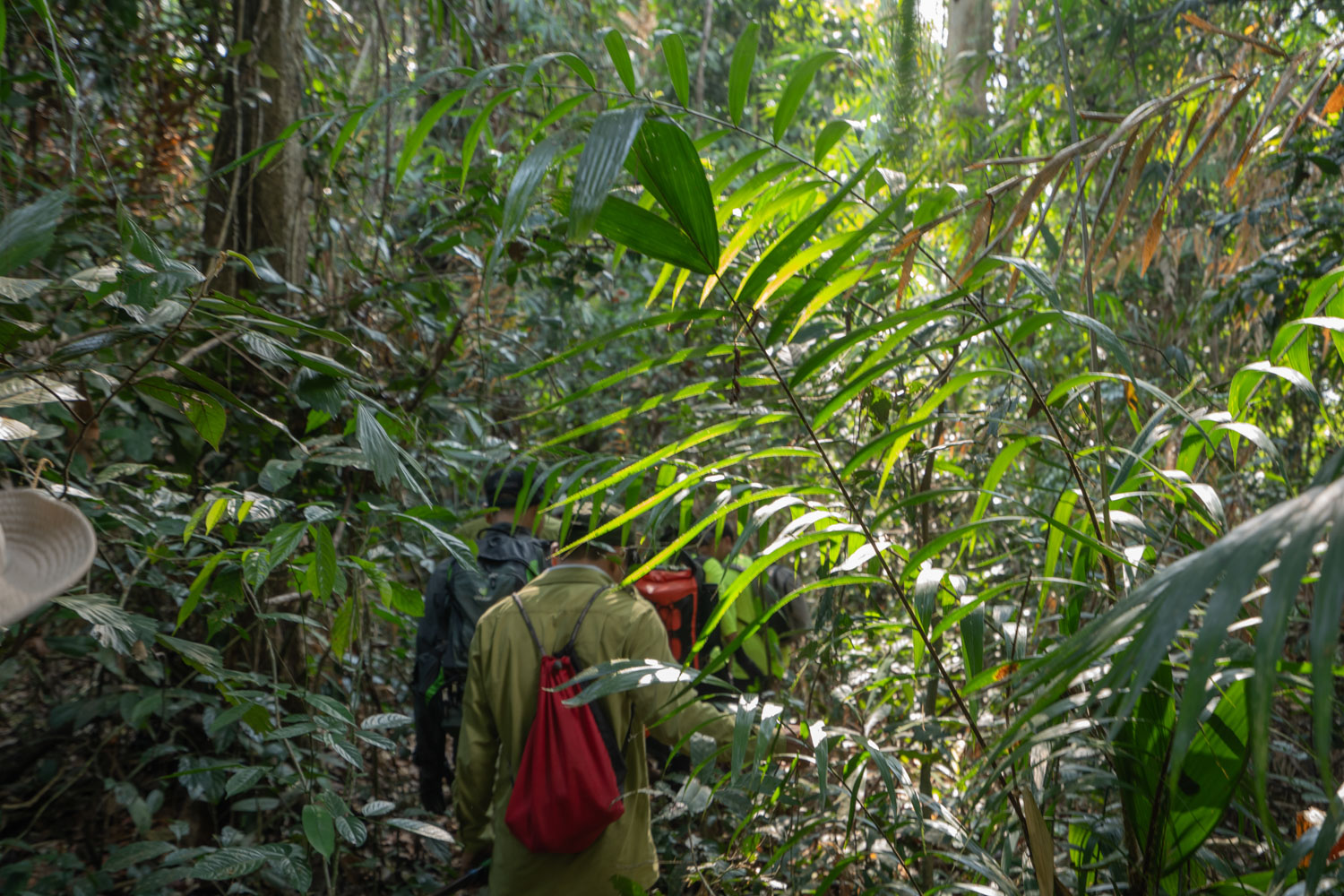
For many nature lovers, few experiences compare to exploring a tropical rainforest. The towering trees, diverse wildlife, and sense of adventure make jungle hiking an unforgettable experience. Yet beneath the damp leaf litter lives one of the rainforest's most notorious inhabitants: jungle leeches.
Although jungle leeches are not venomous and rarely pose a serious health risk, their ability to attach unnoticed and leave a bleeding leech bite has made them one of the biggest concerns for hikers. Whether you are hiking in Cat Tien National Park or exploring other tropical forests, knowing how to prevent leeches can make your adventure far more enjoyable.
This guide explains the biology of jungle leeches, practical strategies for how to prevent leeches, and the correct way to treat a leech bite in the field.
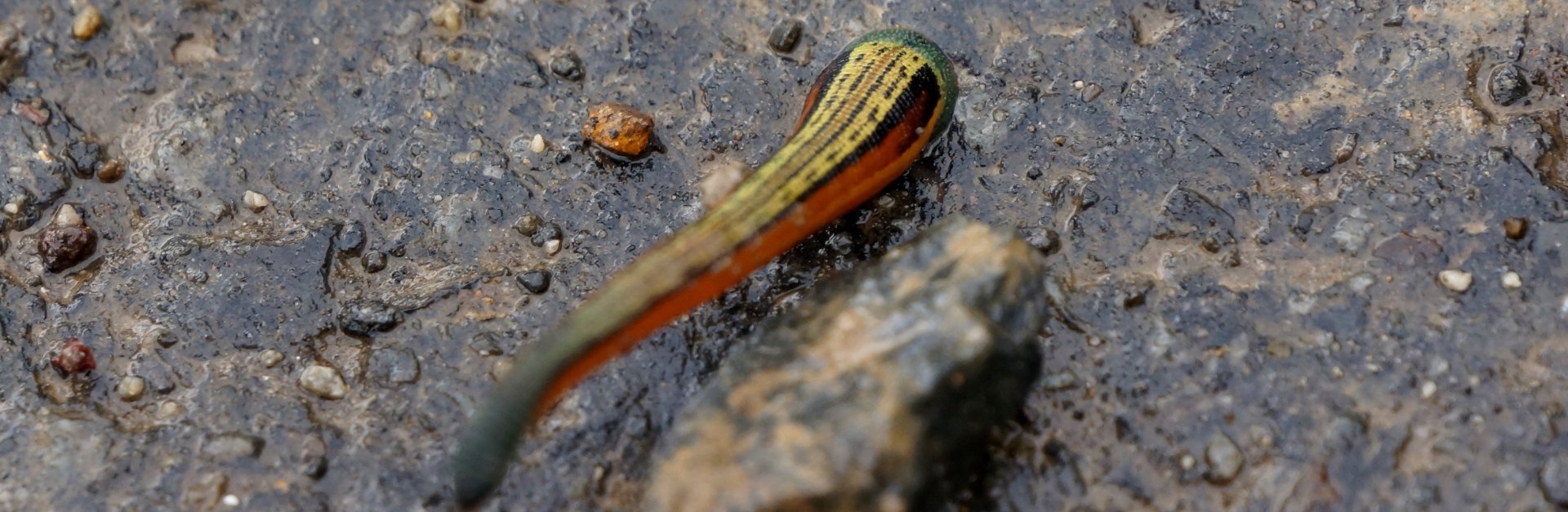
Leech found in Jungle.
Jungle leeches (Heamadipsa) belong to the annelid family of segmented worms. Their soft, highly flexible bodies allow them to stretch, contract, and move efficiently through dense vegetation.
They thrive in warm and humid environments, especially within a tropical rainforest where temperatures range between 24 - 28°C (75 - 82°F). Their numbers often increase dramatically after heavy rainfall, making encounters more common when hiking in the rain.
For anyone planning a jungle hiking adventure, understanding where leeches live is the first step toward avoiding them.
Despite having poor eyesight, leeches possess remarkably sensitive detection abilities. They can sense body heat, carbon dioxide from breathing, and vibrations caused by footsteps from several meters away.
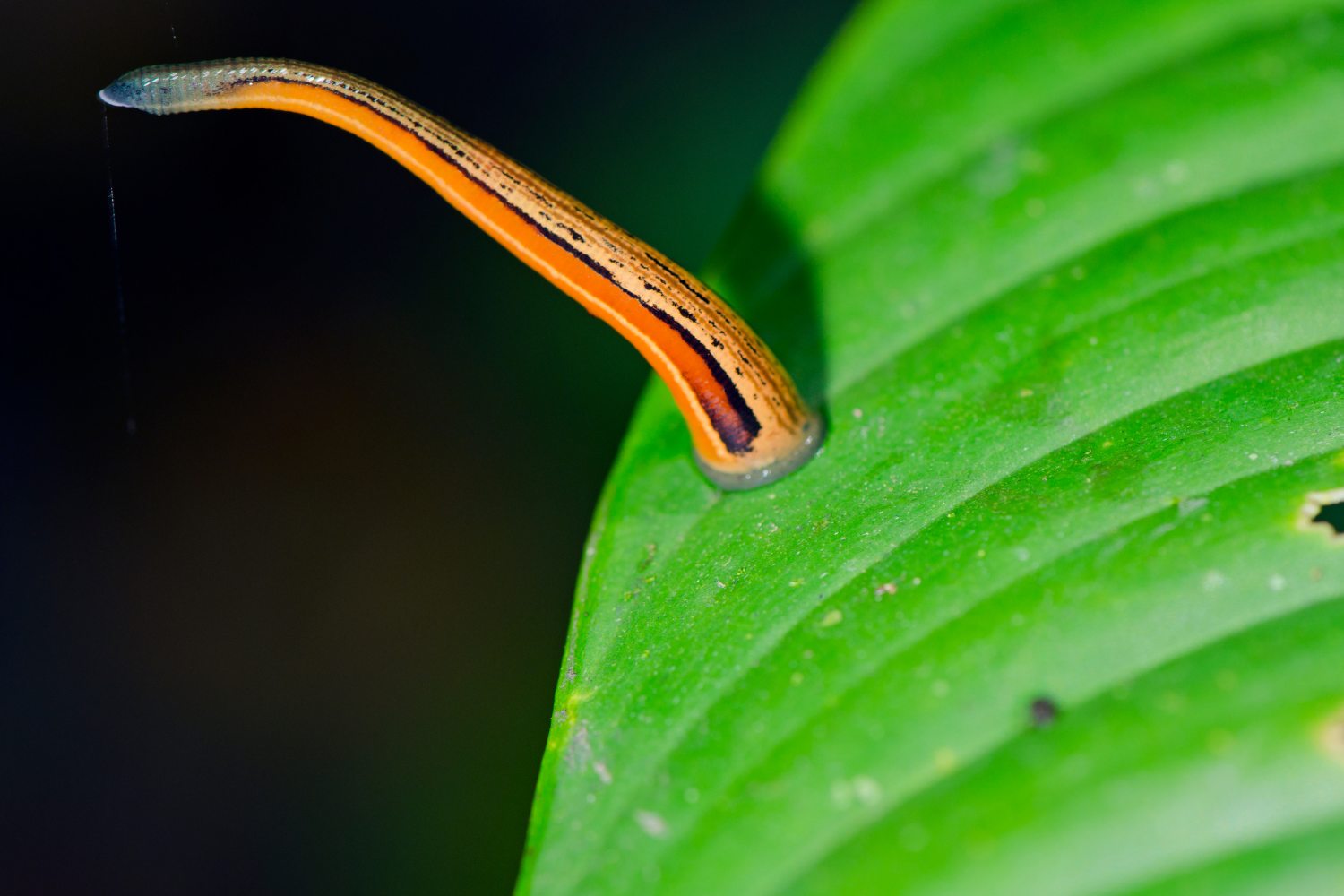
Many people mistakenly believe leeches can jump or fly. In reality, they simply extend their bodies from leaves, grass, or low branches and latch onto passing animals or humans.
While often described as blood-sucking parasites, leeches are actually opportunistic feeders that play a role in the natural ecosystem.
Leeches extend their bodies from leaves, grass, or low branches and latch onto passing animals or humans.
Many hikers only discover a leech bite after the leech has already detached.
Leeches release a natural anesthetic through their saliva, preventing the host from feeling pain. At the same time, they secrete an anticoagulant known as hirudin, which prevents blood from clotting while they feed.
This combination explains why a leech bite can continue bleeding for 15 - 30 minutes after the leech falls off. The anticoagulant properties of hirudin allow blood to flow freely even after feeding has stopped.
If there is one piece of equipment every rainforest hiker should carry, it’s a pair of anti-leech socks.
Also known as leech socks, these specialized coverings create a physical barrier that prevents leeches from reaching your skin. To wear anti-leech socks correctly, tuck your trousers inside the socks and secure them tightly below the knees.
Experienced hikers often consider anti-leech socks mandatory equipment when exploring dense forests during the rainy season.
In addition to leech socks, wear long sleeves, long trousers, and closed-toe hiking shoes or boots. At Katien Safari, guides and hikers often use specially designed anti-leech jungle boots developed from years of experience working in the field. These boots incorporate an integrated protective gaiter that helps prevent leeches from crawling inside while providing comfort and support for hiking through muddy trails, streams, and dense vegetation.
Light-colored clothing can also make it easier to spot leeches before they attach, which adds another layer of protection during jungle hikes.
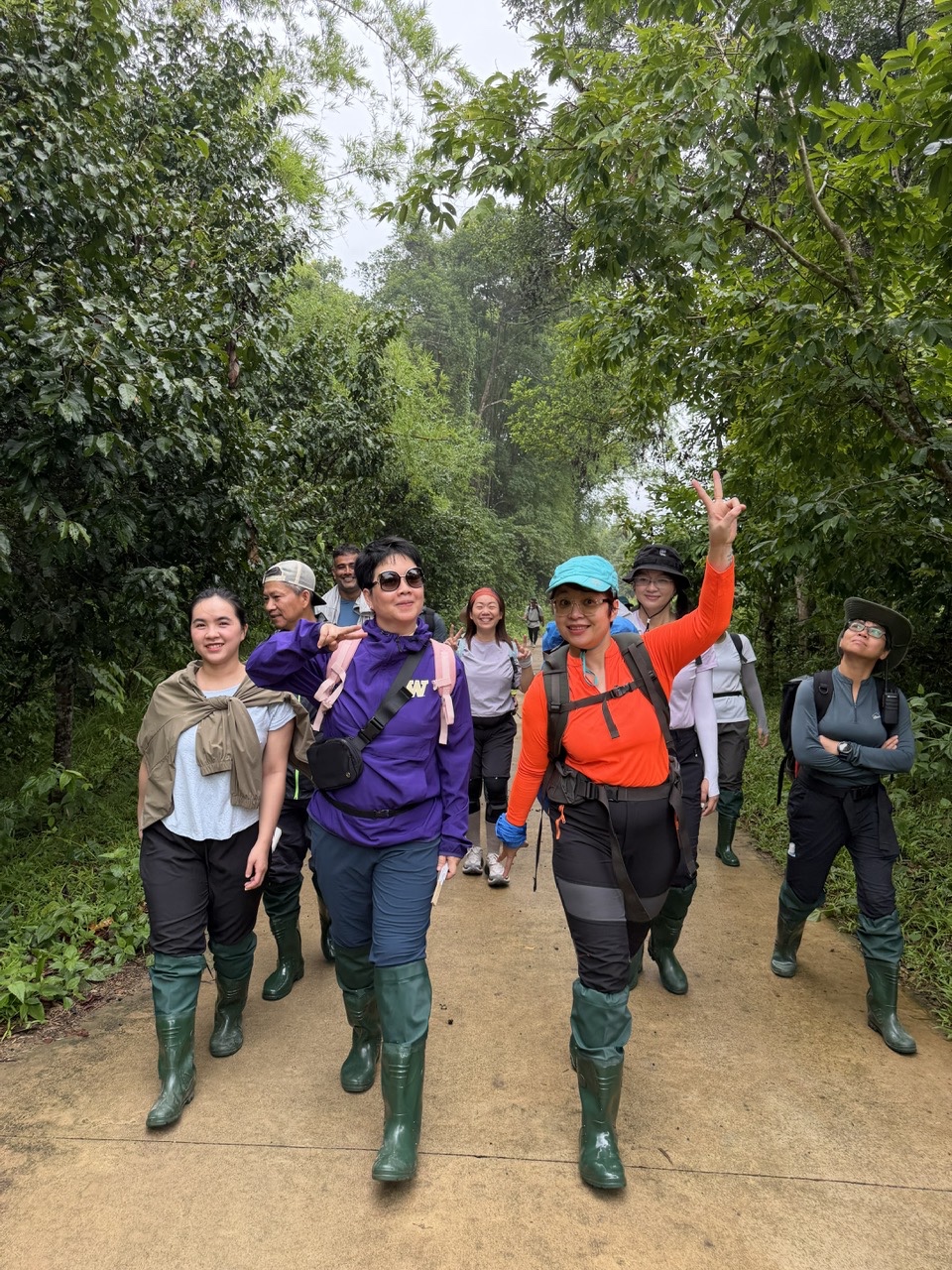
Hiking boots like these used in Katien Safari’s tours are essential during the rainy season.
Another highly effective strategy for preventing leeches is creating a chemical barrier.
Many hikers rely on insect repellents containing 15 - 30% DEET. You can apply the repellent around your boot openings, sock tops, trouser cuffs, knees, and waistbands to discourage leeches from climbing onto your body.
Some forest guides in Vietnam also use DEP (Diethyl Phthalate), a repellent that has long been used in tropical forests to help deter leeches. When hiking in Vietnam, DEP can be found in many local pharmacies and outdoor supply stores.
In addition to DEET and DEP, traditional methods such as coarse salt, lime powder, citronella oil, cajeput oil, and cinnamon oil are also commonly used. These substances may help deter leeches because they are sensitive to strong scents, salt, and certain alkaline compounds.
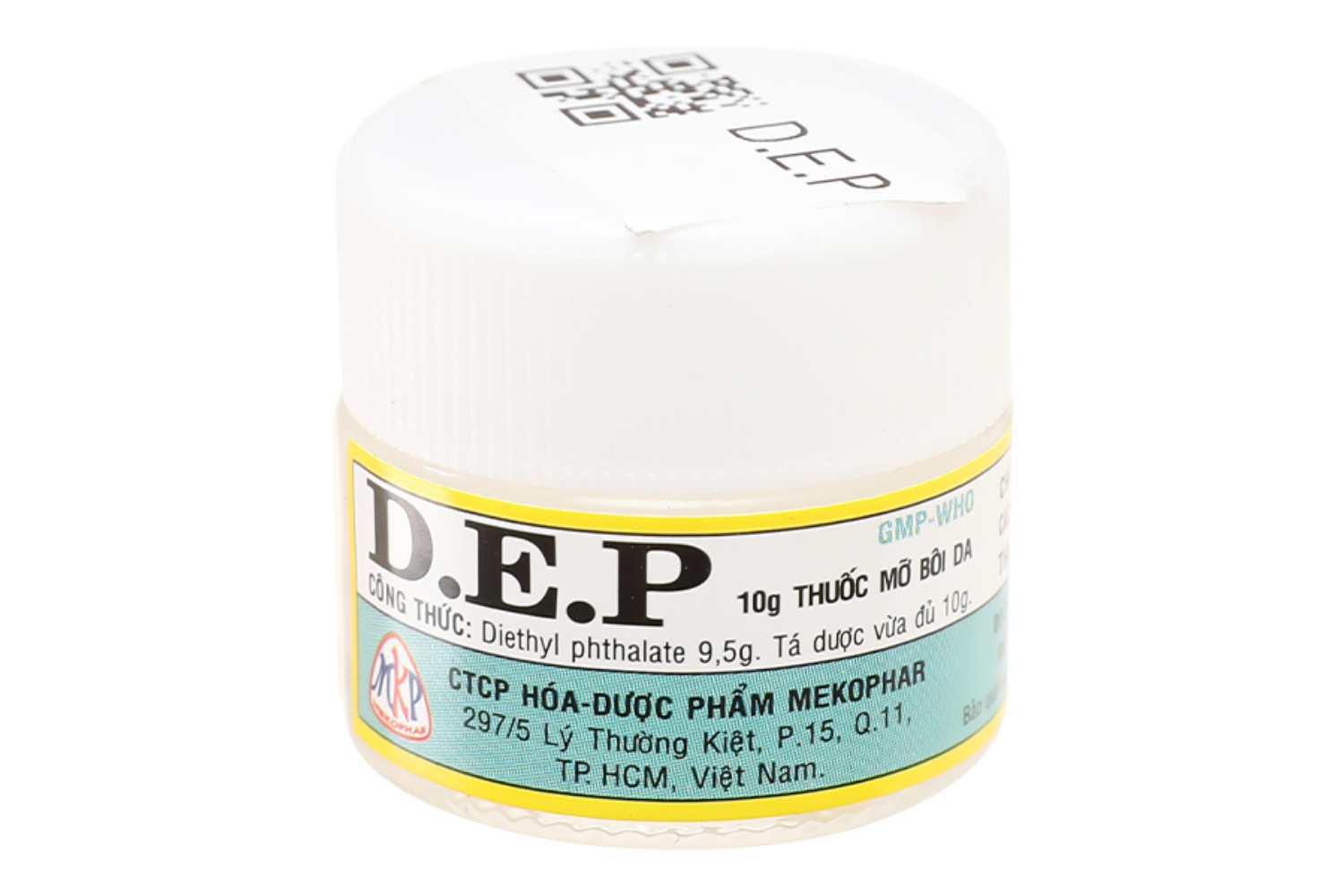
DEP is regarded as one of the most effective anti-leech treatments in Vietnam and tropical forests alike.
Preventing leeches also means learning how to move and behave in ways that minimize encounters with them while in the forest.
Remember to stay in the middle of established trails whenever possible and avoid brushing against vegetation along the sides of the path. When taking a break, you should avoid sitting directly on damp soil, rotting leaves, or fallen logs, which are common hiding places for jungle leeches.
One of the most common mistakes hikers make is forcefully removing a leech.
What happens if you pull a leech off? In some cases, parts of the leech's mouth can remain attached to the skin, causing irritation, prolonged itching, and increasing the risk of infection.
For this reason, experts recommend allowing the leech to release naturally whenever possible to avoid getting any damage to the skin.
If you are wondering how to remove a leech safely, experienced forest rangers from Cat Tien National Park recommend the following methods:
Many hikers ask, how to stop a leech bite from bleeding?
Because leeches inject hirudin, the wound may continue bleeding even after the leech has detached. To stop the bleeding, clean the wound with clean water or saline solution and apply firm pressure with a finger or clean cloth for 5 - 10 minutes.
This pressure helps counteract the effects of the anticoagulant and encourages normal clotting.
Once bleeding has stopped, cover the wound with a bandage and avoid scratching the area, even if it becomes itchy later.
A common concern among first-time hikers is: Are leech bites dangerous?
In most cases, the answer is no. A typical leech bite is harmless and heals naturally within a few days. The biggest risks usually come from excessive scratching or poor wound hygiene, which can lead to infection.
Although the sight of blood can be alarming, healthy individuals rarely experience serious complications from leech bites.
Jungle leeches are a natural part of every tropical rainforest ecosystem. Encountering them is simply one of the realities of jungle hiking, especially when you’re hiking in the rainy season.
Fortunately, learning how to prevent leeches is relatively straightforward. By wearing anti-leech socks, applying DEET repellent, staying on established trails, and understanding how to remove a leech properly, you can greatly reduce the inconvenience of a leech bite.
Don't let the fear of these small creatures stop you from exploring the wonders of the rainforest. With the right preparation, you can focus on the wildlife, landscapes, and unforgettable experiences that make every jungle adventure worthwhile.
If you found this guide helpful, share it with your hiking companions before your next rainforest expedition!