Often called the “jewels of the forest”, pitta birds are small, ground-dwelling birds renowned for their vivid colors and striking patterns. Found across Asia, Australasia, and parts of Africa, these little birds move quietly through leaf litter, often hidden from view despite their brilliant plumage. Omnivorous and active by day, they play a subtle but important role in forest ecosystems. Today, many pitta species are closely monitored by the IUCN as growing habitat loss raises conservation concerns.
| Common name | Pitta |
|---|
| Scientific name | Pittidae |
|---|
| Taxonomy
|
Class: Aves
Order: Passeriformes
Family: Pittidae
|
| Weight / Size | 42 - 210 grams in weight; 15 - 27 cm (6 - 11 inches) in length. |
|---|
| Lifespan | 5-10 years. |
|---|
| Population | Varies by species. |
|---|
| Habitat | Tropical, terrestrial, coastal, forest, urban, suburban. |
|---|
| Range | Asia, Australasia, and Africa. |
|---|
| Diet | Omnivore |
|---|
| Conservation status | Almost all Pitta bird’s species are assessed by IUCN. |
|---|
Pitta bird physical characteristics
Pitta identifying features
Many Pitta species display shimmering blue wing feathers, contrasting sharply with bright reds, greens, yellows, or blacks. They typically have a short neck, a stout bill, a compact body, short tails, and long legs, giving them a compact yet powerful appearance adapted for life on the forest floor.
Although pittas share a similar body shape, the three main genera show clear differences:
- Hydrornis: Species in this genus tend to have rich, complex color patterns, frequently combining blues, greens, and reds, and are usually more secretive.
- Pitta: This genus includes some of the most brightly colored and well-known pittas. Many species show bold contrasts and cleaner color blocks.
- Erythropitta: Typically smaller and more compact, these pittas are characterized by strong red or crimson underparts. Their coloration is usually simpler but more intense.
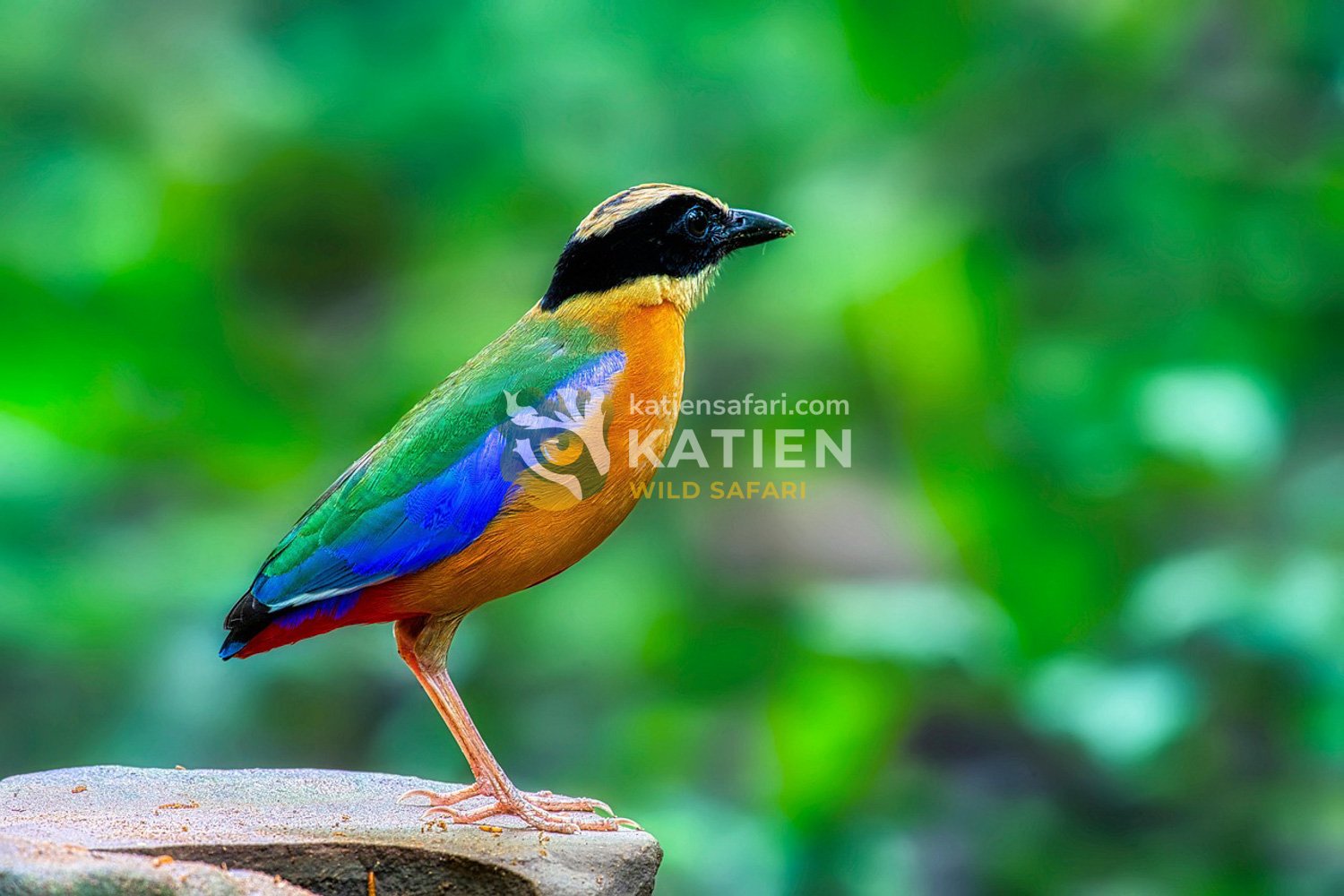
A vibrant pitta bird.
Size, Weight and Lifespan
Pitta average size
Pittas are small to medium-sized birds, typically measuring 15 to 27 centimeters in length and weighing between 42 and 210 grams.
Pitta body structure
Pittas are compact, ground-dwelling birds with a solid build. They have long, strong legs, short tails, and sturdy, slightly downcurved bills, features that help them move easily through leaf litter and dense undergrowth. Their large eyes are well adapted to the low light of forest interiors, allowing them to spot prey in the shadows.
Many pitta species are famous for their brilliant plumage. Bright blues, greens, reds, and yellows are common, but these vivid colors are often found on the underparts or hidden when the wings are folded. This clever placement helps the birds remain less visible to predators despite their striking appearance.
Plumage patterns vary greatly among species. Some pittas show bold stripes, black facial masks, or barred patterns on the breast, making them stand out as some of the most colorful birds of the forest understory. Leg and foot colors also differ between species, adding to their visual diversity.
In terms of appearance between sexes, some pittas are sexually monomorphic, meaning males and females look alike. In other species, they are sexually dimorphic, with females usually appearing duller and more cryptic than males. Juvenile pittas are less colorful than adults, typically brownish with streaks or spots, gradually developing their bright adult plumage as they mature.
Pitta lifespan
Pittas typically live for about 5 to 10 years in the wild. Records show that the oldest known wild pitta is a Blue-winged Pitta (Pitta moluccensis) that was recaptured 5.5 years after being banded. In captivity, some species can live longer; for example, Giant Pittas (Pitta caerulea) kept in zoos have been recorded living for more than 12 years.
Why are pittas so hard to spot?
This is because Pitta’s brighter colors are usually on the bird’s underparts, while the upperparts tend to be duller, making them harder for predators to spot. Many pitta species have bright colors on their rump, wings and upper tail coverts that can be covered by their wings while they are on the ground foraging. Most species also have a white wing-patch that can usually be seen only when they are flying.
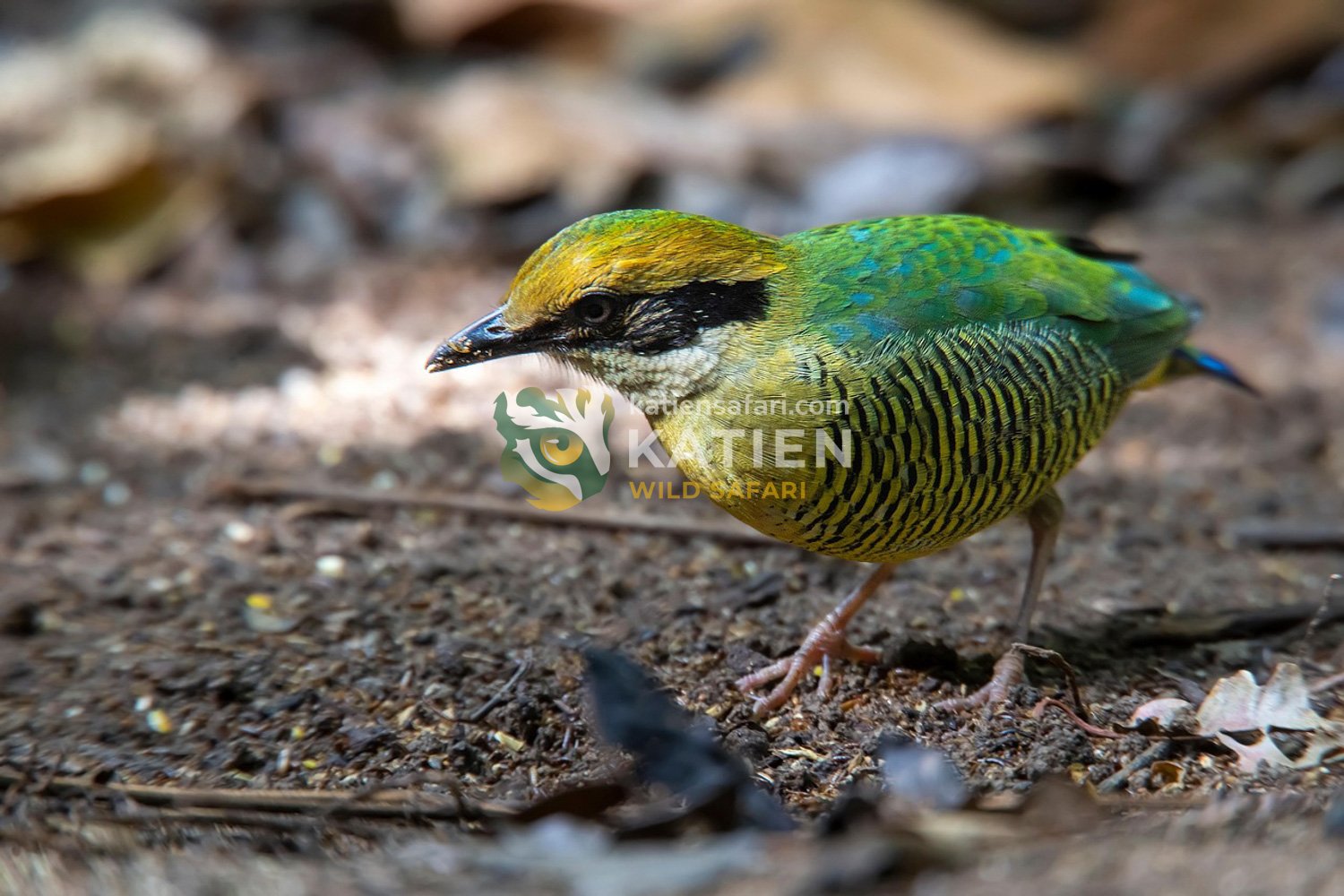
A pitta bird forages on the forest floor.
Distribution and Habitat
Most pittas live in tropical forests, where dense vegetation and moist ground provide ideal conditions for feeding and shelter. However, some species are also found in scrublands, bamboo forests, mangroves, and even semi-cultivated landscapes. Pittas spend much of their time on the forest floor, quietly searching for earthworms, insects, and other small creatures in damp areas rich in leaf litter.
Across the pitta distribution range, habitats span from coastal lowlands at sea level to mountain forests reaching elevations of up to 2,500 meters. Pittas are usually found near flowing water, such as streams or forest creeks, and prefer places where the ground is covered with fallen leaves that hide prey and offer protection.
During migration, some pitta species behave quite differently. Drawn by artificial lights, they may appear in gardens, villages, or even enter buildings, offering rare glimpses of these normally secretive forest birds far from their usual habitats.
Global distribution of pittas
Pittas are mainly found across Asia, Australasia, and parts of Africa. Their greatest diversity occurs in South and Southeast Asia, particularly in countries such as Indonesia, China, India, and Japan, where tropical forests provide ideal habitats.
Pittas in Vietnam
Vietnam is home to 9 special species of pittas. Among them, the Bar-bellied Pitta and the Blue-rumped Pitta are the top target for birdwatchers. Although their range extends beyond Vietnam’s borders, the country remains their stronghold. Vietnam also hosts seven other pitta species, including a striking subspecies of the Blue Pitta found on the Dalat Plateau and the rare, elusive Blue-naped Pitta in the north.
Endemic pitta species of Vietnam includes:
- Eared Pitta (Hydrornis phayrei): Cuc Phuong National Park.
- Blue-naped Pitta (Hydrornis nipalensis): Tam Dao National Park and Pu Mat National Park.
- Rusty-naped Pitta (Hydrornis oatesi): Dalat Plateau.
- Blue-rumped Pitta (Hydrornis soror): Cat Tien National Park, Ma Da, Tan Phu.
- Blue Pitta (Hydrornis cyaneus): Di Linh, Da Lat.
- Bar-bellied Pitta (Hydrornis elliotii): Cat Tien, Ma Da, Tan Phu.
- Blue-winged Pitta (Pitta moluccensis): Cat Tien, Nui Dinh, Ma Da.
- Fairy Pitta (Pitta nympha): Ma Da, Tan Phu.
- Hooded Pitta (Pitta sordida): Ho Chi Minh City, Mekong Delta.
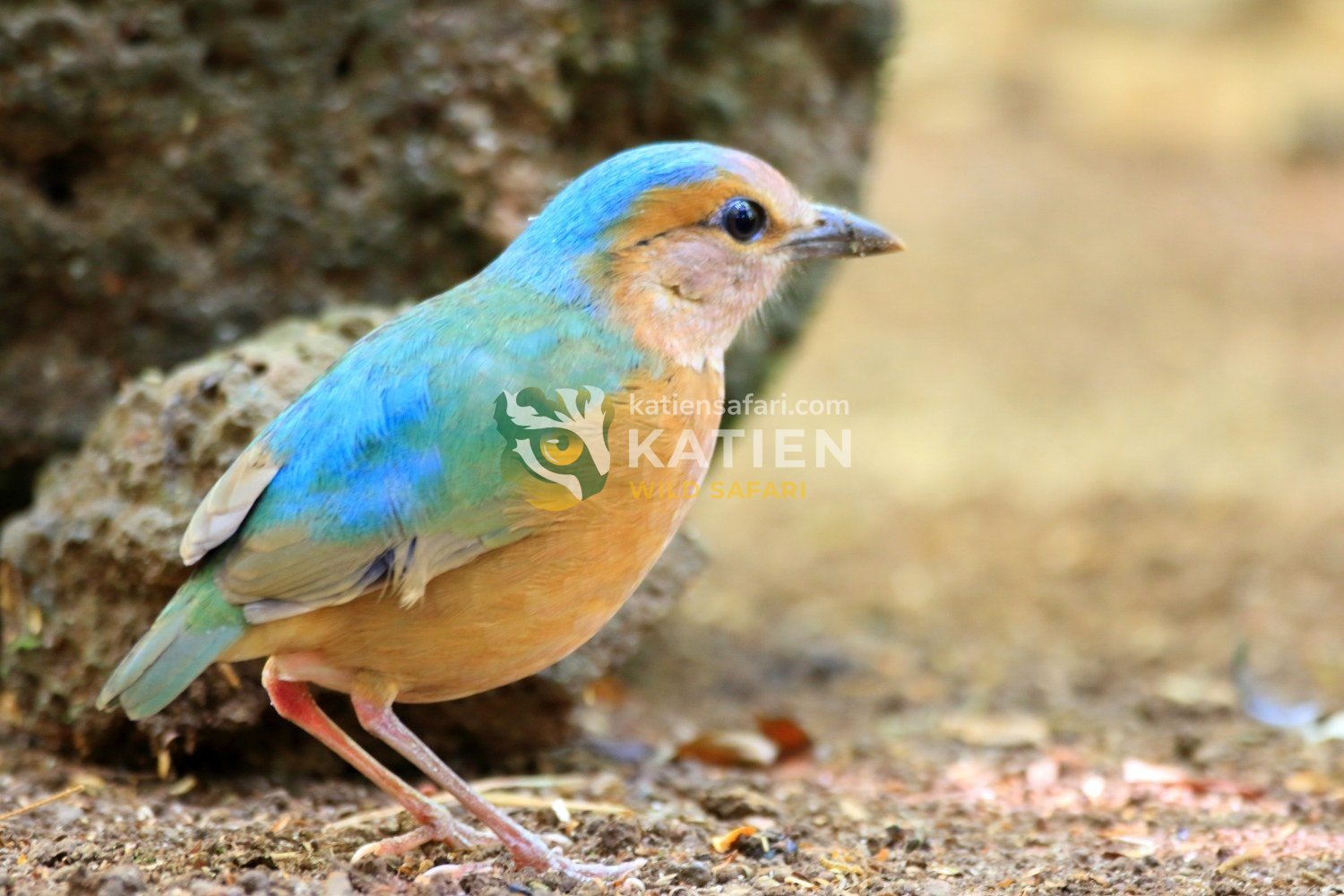
Blue-rumped pitta in Cat Tien National Park.
Pitta bird in Cat Tien National Park
At Cat Tien National Park, visitors can take part in birdwatching activities in the park’s natural forest. In this quiet environment, the calls and brief appearances of pitta birds often catch the attention of patient observers. Much like the sudden, jewel-like flashes of kingfishers, which reveal themselves briefly before disappearing back into the shadows.
One notable pitta species found here is the male Bar-bellied Pitta, a rare bird that lives deep in the forest understory. Its striking appearance has attracted many foreign wildlife photographers who come to Cat Tien hoping to see and photograph this elusive species.
Pitta behavior
Most pitta species are sedentary, meaning they stay in the same area throughout the year and do not migrate. These birds are usually solitary, spending much of their time alone on the forest floor.
However, a few pitta species are migratory. During migration, they may travel in loose groups and typically move at night. Because they are attracted to artificial light, migrating pittas are sometimes found inside buildings or near human settlements along their migration routes-an unusual sight for birds that normally live deep in forests.
Some migratory pittas follow a “leap-frog” migration pattern, flying past areas already occupied by other pitta populations to reach more distant stopover sites. An interesting example is the Hooded Pitta, where males and females may migrate separately. In one recorded group captured near the Malacca Strait, most individuals were females, showing a clear difference between the sexes during migration.
Pitta daily activity patterns
Pittas are secretive forest birds that spend most of their time hidden on the forest floor or in dense undergrowth. They are rarely seen unless they move or sing, making them more often heard than spotted.
Pittas are most vocal at dawn and dusk. Their calls are usually short whistles or trills, and they often sing from low branches or treetops. In some species, both males and females call, especially during the breeding season.
Pitta diet
Pittas are generally diurnal birds, meaning they are active during the day and rely on daylight to find food on the forest floor. Each day, they can consume about 10 - 30% of their body weight, a high intake that supports their energetic lifestyle.
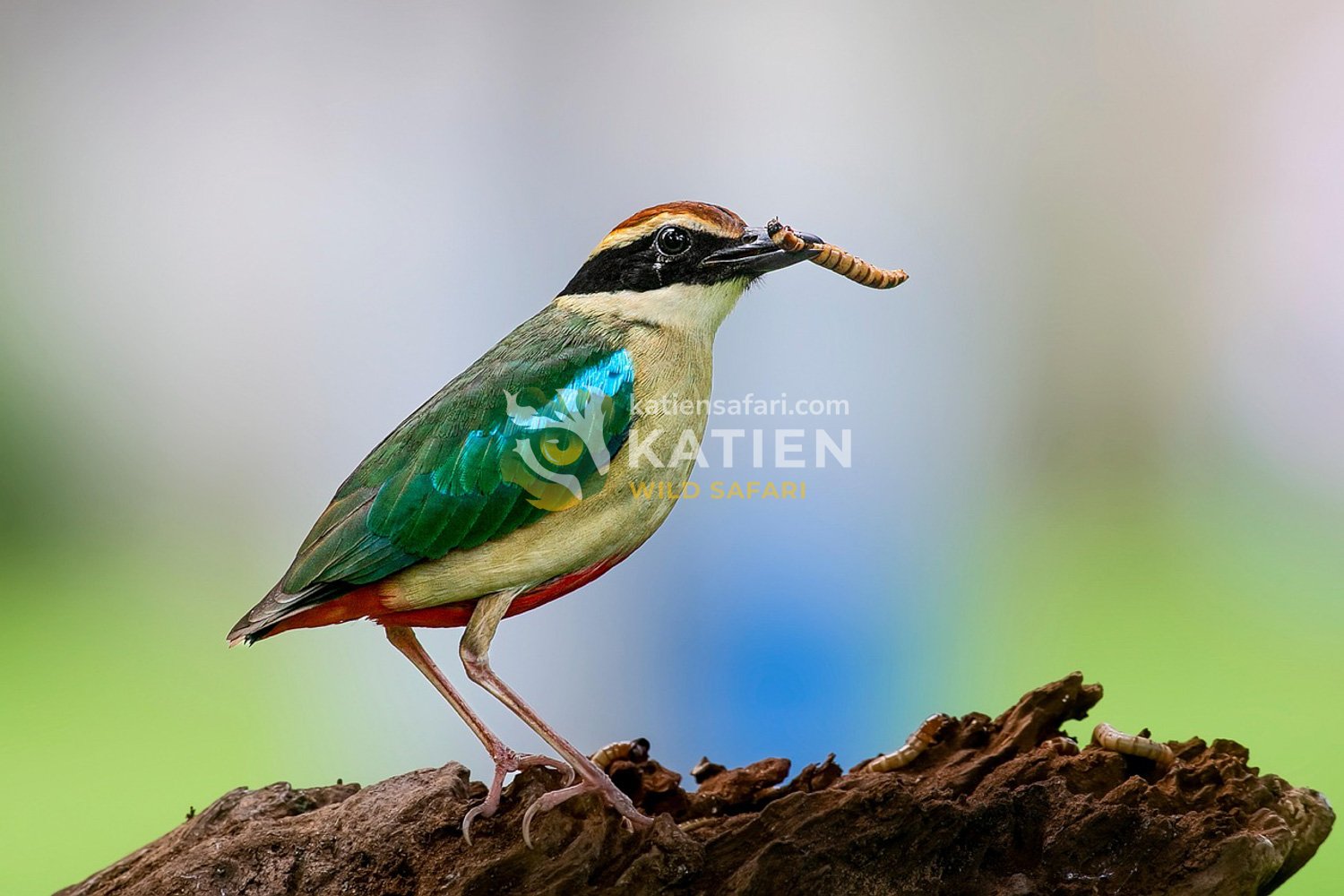
A pitta bird feeds on a worm.
Their diet is made up mainly of invertebrates, especially earthworms and insects, which they locate by digging through leaf litter with quick, precise movements. Pittas favor annelid worms and insects more than any other prey, and chicks are fed mostly earthworms.
From time to time, pittas also eat small vertebrates and plant matter. Their food may include termites, ants, grasshoppers, beetles, snails, spiders, centipedes, crabs, lizards, snakes, frogs, as well as fruit and seeds. This varied diet allows pittas to adapt well to different forest environments and seasonal changes in food availability.
Pitta territorial behavior
Pittas are strongly territorial birds, especially species such as the Ornate Pitta (Pitta concinna) that actively defend their space and are quick to respond to intruders.
Territory defense usually involves visual displays and vocal signals along the edges of their territory. Direct physical fights between rival pittas are rare and have only been recorded on very few occasions.
Migratory pitta species defend not only their breeding territories but also separate feeding territories during the non-breeding season. This helps ensure a reliable food supply, even when they are away from their nesting areas.
Pitta reproduction
Pitta breeding season
Breeding usually begins with the rainy season, when food is plentiful and thick vegetation provides cover for nests and young birds. In some regions, certain pitta species may breed for much of the year, avoiding only the wettest months.
Pittas usually live alone but form monogamous, long-term pairs during the breeding season. Males attract females through a variety of courtship displays, such as ruffling their feathers, raising small “horn-like” feathers on the head, and bowing. In some species, especially African pittas, the display is more dramatic: the bird may jump 25 - 45 centimeters into the air before fluttering back down, calling loudly and fluffing its bright red breast feathers.
Pitta clutch size
Pittas usually lay three to five eggs, though clutch size can range from two to seven. The eggs are oval-shaped, glossy white or pale buff, and often marked with reddish or purplish spots. They typically hatch after 14 to 18 days.
Hatching patterns vary among species. In some, all chicks hatch at the same time, while in others hatching occurs over several days. After the chicks emerge, adult pittas often eat the eggshells, which provide an important source of calcium.
Earthworms are the most common food given to chicks. Young pittas usually leave the nest after 15 to 17 days and continue to be fed by their parents for about another ten days. In many cases, parents will chase fledglings away soon after to make room for a second clutch.
An unusual behavior, known as “forced fledging,” has been observed in the Blue-winged Pitta (Pitta moluccensis). In this case, the parents tear open the dome of the nest to force the chicks to leave earlier than usual. This is an extreme but effective strategy to protect them from ground predators.
Moreover, young pittas do not stay close to their parents unless they are hungry. Living alone helps reduce the risk of predators, parasites, and disease, an effective survival strategy in dense forests.
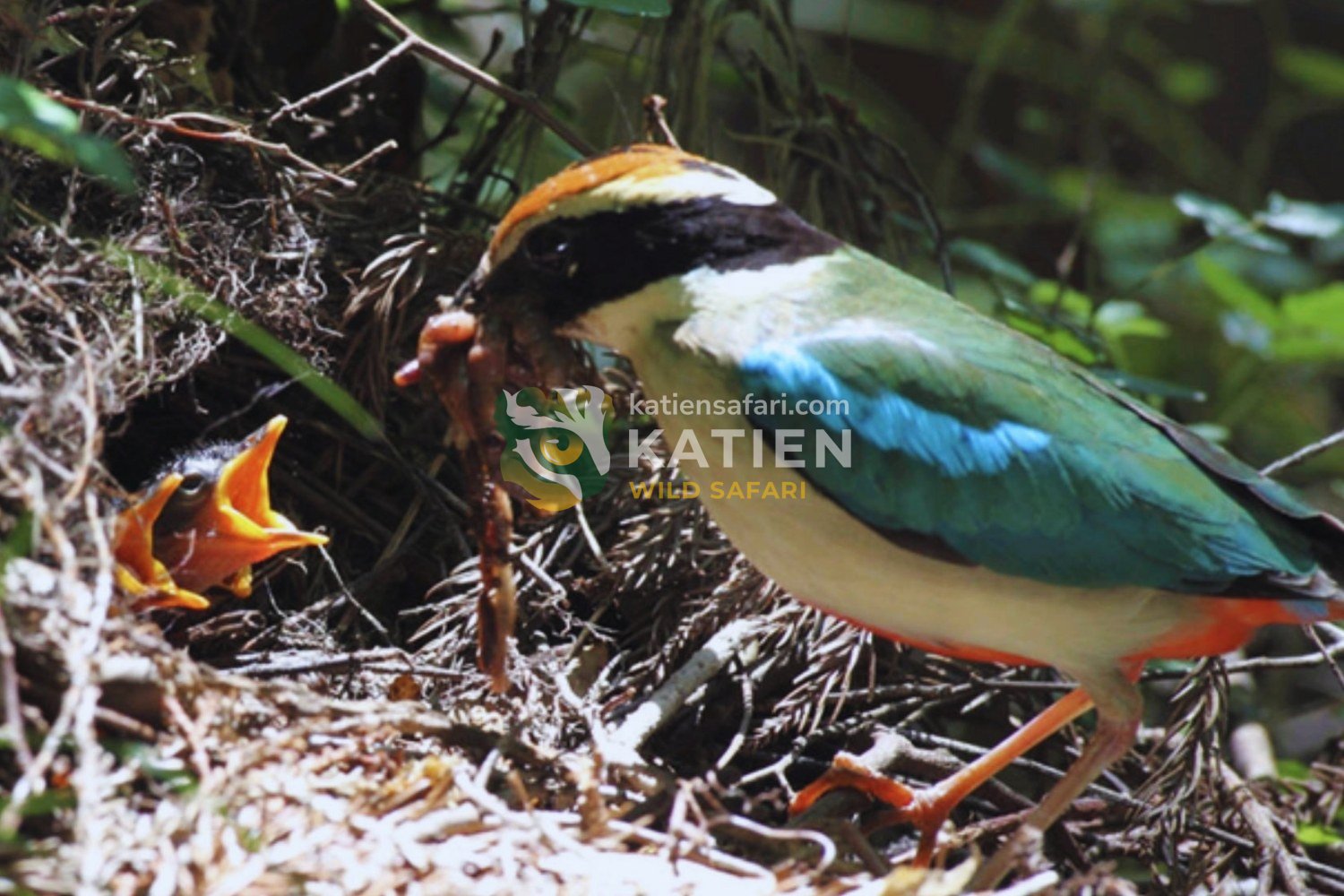
Pitta bird feeding its offspring.
Pitta nest structure
Pitta nests are usually built on the ground or one to two meters high. They may be placed in tree stumps, fallen logs, riverbanks, cliffs, roots, or dense vegetation, where they are well hidden from predators.
The nest is typically round and dome-shaped, with a small side entrance. It is made from twigs, roots, and dry leaves, then carefully covered with moss and leaf litter. In some species, a small platform made of mammal dung can be found at the nest entrance. This outer layer helps the nest blend into the forest floor, making it difficult to spot. Both the male and female help build the nest and share responsibility for caring for the eggs and chicks.
Conservation and threats
Pitta role in the ecosystem
Pittas play an important role in the ecosystems they inhabit. By feeding on insects, earthworms, and other small animals, they help regulate prey populations on the forest floor.
As pittas search for food, they turn over leaf litter and debris, which can speed up decomposition and help recycle nutrients back into the soil. Through these activities, pittas contribute to healthier forest floors and support the overall balance of tropical forest ecosystems.
Threats to pitta populations
Pittas are facing increasing threats as their forest habitats disappear rapidly due to human activities such as logging, land conversion, and development. Many pitta species are sedentary and they depend on dense, undisturbed forest floors, even small changes to their environment can have serious impacts. As a result, many pittas are now under conservation concern.
Moreover, pittas are threatened by hunting for food, the cage-bird trade, and uncontrolled fires. As human populations continue to expand across their range, increasing pressure from slash-and-burn agriculture is expected to cause further habitat loss, particularly in tropical forests.
In addition, pittas are also vulnerable to natural predators, including snakes and birds of prey, as well as feral cats, which pose a growing threat in disturbed and fragmented habitats. Together, these pressures continue to reduce pitta populations across much of their range.
Pitta conservation status
According to the IUCN Red List, pittas species show a wide range of conservation statuses:
- 3 Pitta species are listed as Critically Endangered by the IUCN: Gurney’s pitta ( Pitta gurneyi); Caseolus pittae, Licuala pitta.
- 1 Listed as Endangered by IUCN: Superb Pitta (Pitta superba).
- 3 Listed as Vulnerable by IUCN: Azure-breasted Pitta, Blue-headed Pitta, Fairy Pitta.
- 7 Listed as Near Threatened by IUCN.
- 35 Listed as Least Concern by IUCN.
In addition, several pitta species are protected under CITES Appendices I and II, reflecting concerns over international trade.
One pitta species, once relatively common from peninsular Thailand to the lowland forests of Myanmar, went unrecorded for 34 years before being rediscovered in 1986-only for its nest to be raided shortly afterward for the cage-bird trade. This highlights how quickly pitta populations can decline when protection is weak and human pressure increases.
Pitta ecotourism in Vietnam
Katien Safari will collaborate with Cat Tien National Park to launch new wildlife conservation and eco-observation programs. These will allow small visitor groups to safely observe animals like the Pittas while supporting biodiversity protection and sustainable tourism in Vietnam.
Here are some tips for better Pitta watching:
- Go early in the morning or late afternoon, when pittas are most active.
- Move slowly and stay quiet as pittas are shy and easily disturbed.
- Focus on forest floors and dense undergrowth, where pittas usually forage.
- Listen carefully for calls, as pittas are often heard before they are seen.
- Wear muted, natural colors to blend into the forest environment.
- Keep a respectful distance and never approach nests or breeding sites.
- Follow park guidelines and local guides, ensuring minimal impact on wildlife.
Interesting facts about Pitta
1. Pitta require daylight to locate food.
2. Some pitta populations migrate in a leapfrog pattern, flying past resident or shorter-distance migrants to winter farther south.
3. Blue-winged Pittas sometimes tear open their domed nests to force chicks to fledge early.
4. Pittas are generally solitary except during the breeding season.
5. Earthworms are the food most frequently given to chicks.
Reference
- Animal Diversity Web. (n.d.). *Pittidae*. University of Michigan, Museum of Zoology. https://animaldiversity.org/accounts/Pittidae/
- Donald, P. F., Aratrakorn, S., Htun, T. W., Eames, J. C., Hla, H., Thunhikorn, S., ... & Buchanan, G. M. (2009). Population, distribution, habitat use and breeding of Gurney's Pitta Pitta gurneyi in Myanmar and Thailand. Bird Conservation International, 19(4), 353-366.
- Erritzoe, J., 2004. Order Passeriformes. Family Pittidae (Pittas). In: del Hoyo, J., A. Elliot & J. Sargatal (eds.), Handbook of the Birds of the World. Volume 8. Broadbills to Tapaculos. Lynx Edicions, Barcelona, Spain. Pp. 106– 161.
- Lok, A. F. S. L., Khor, K. T. N., Lim, K. C., & Subaraj, R. (2009). Pittas (Pittidae) of Singapore. Nature in Singapore, 2, 155-165.
- Wanee Asia. (2025). *Pittas of Vietnam: A Quick Guide*. Retrieved from Wanee Asia. https://wanee.asia/pittas-of-vietnam-a-quick-guide-update-recently/