Table of Content


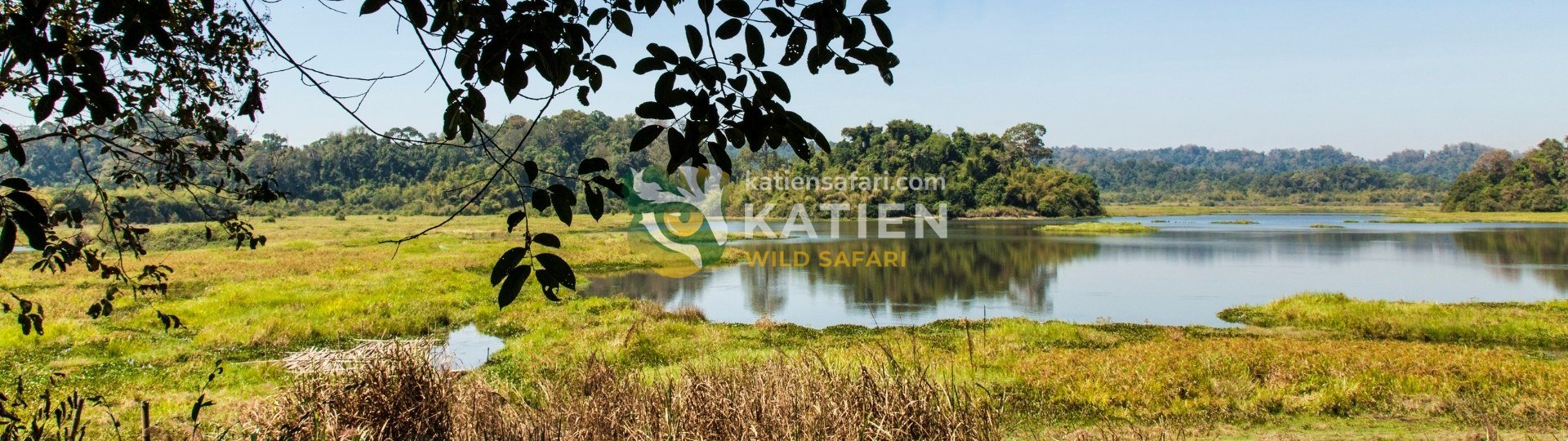
For decades, Cat Tien National Park was considered one of the last places in mainland Southeast Asia where the Javan rhinoceros could survive. Located in southern Vietnam, the Cat Loc area of the park offered a rare combination of dense lowland tropical forest, abundant food, natural mud wallows, and mineral-rich wetlands.
About 50% of the park is evergreen forest, 40% bamboo forest, and the rest includes grassland and farms. This ecosystem provided the full survival needs of the Java Rhino. Food such as rattan vines and bamboo shoots, water and minerals from areas like Bau Chim, and thick vegetation for taking refuge.
Before 1988, Java rhinoceros was believed to be extinct due to war and environmental destructrion. But the discovery of a rhino in Phuoc Cat 2 that year shocked the world and proved that a small Java rhinoceros population still existed in Vietnam.
Unfortunately, in April 2010, the body of a Javan rhinoceros was found inside Cat Tien National Park. After forensic examination and DNA analysis, the World Wide Fund for Nature (WWF) officially confirmed that this animal was the final surviving individual in the country, marking the end of the Javan rhinoceros in Vietnam.
The Javan rhinoceros (Rhinoceros sondaicus annamiticus) once ranged widely across Indochina. It was solitary, shy, and strictly herbivorous. Its diet including plants, especially ranttan vines, bamboo shots, young leaves and tender branches, with an intake of about 50kg of vegetation per day.
Mud wallowing was a defining behavior, healping the rhno cool its body and remove parasites. It regulary visited mineral-rich pools such as Bau Chim or Bau Dang Giang to drink water and lick soil for essential salts.
Females reproduced slowly, with a 16–18 month pregnancy and only one calf every 3–4 years. Mother showed strong protective instincts, walking behind their calves to erase footprints and reduce the risk of being tracked.
After many years of being declared extinct due to war and environmental destructrion, the extistence off the Javan rhinoceros was unexpectedly confirmed in 1988. A rhino was illegally shot in Phuoc Cat 2, near Cat Tien National Park. The incident shocked the global conservation community and confirmed that Vietnam still hosted a small, isolated population.
During 1990s, S’Tieng community provided rare and valuable insight into the rhino’s presence. In 1998, village elder Dieu K’Nua climbed a tree to watch a rhino giving birth at Bau Chim. Village elder Dieu K’Giang was also the most important witness. He reported seeing rhinos standing calmly near village buffalo herds and understood their seasonal movements, where they fed, when they visited Bau Chim, and how they traveled.
Scientific proof also came from camera traps. In 1999, the first seven photographs of a Javan rhinoceros in Cat Loc were released, drawing international attention. In 2006, rangers and experts recorded rare video footage of a rhino feeding in the forest.
The final signs of life were documented by a WWF survey team shortly before Tet Holiday in 2010, where fresh footprints and dung were found. After that, no new traces appeared.
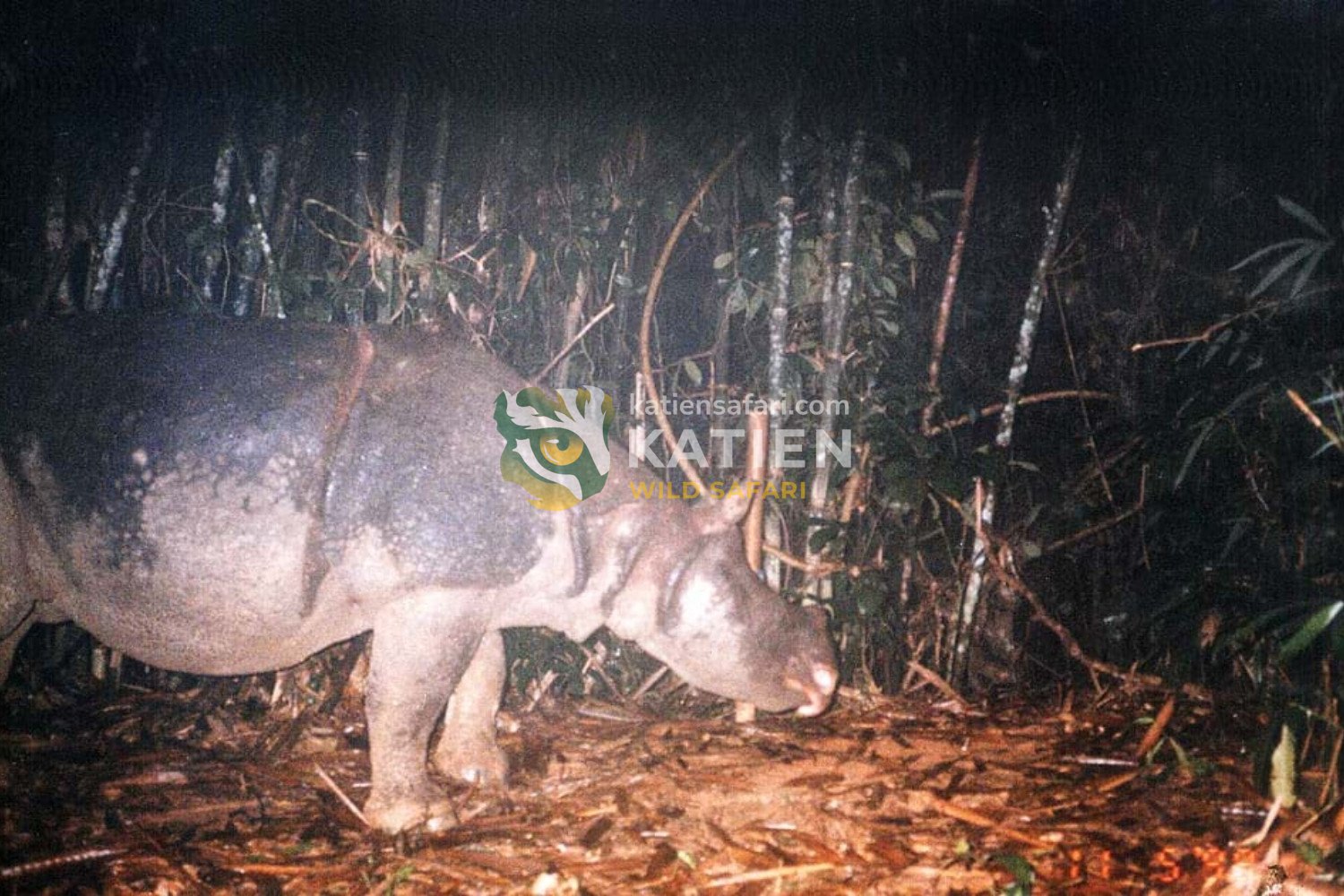
The photo captured the last rhinoceros in Cat Tien and was taken by a WWF expert.
After the Javan rhinoceros was rediscovered in Vietnam, conservation projects were launched quickly to protect the species and its habitat. In 1992, the government established the Cat Loc Rhino Reserve for rhino conservation. In 1998, the reserve was merged into Cat Tien National Park, which allowed stronger protection and better management.
The largest conservation effort began in 1998, led by the WWF with funding from the Netherlands. During this time, two rhino patrol teams were formed. Rangers and local people worked together to patrol the forest, remove snares, protect key areas, and monitor rhino signs such as footprints and dung.
From 2005 to 2007, camera traps were used to record rhino images and track its movements. Between 2009 and 2010, trained detection dogs from the United States were brought in to find rhino dung for DNA testing.
Surveys in 1989 estimated 10–15 individuals, but numbers fell rapidly. By 1999, only 7–8 rhinos were thought to remain. The dramatic decline of the species was driven by poaching and habitat loss, rooted in the false belief that rhino horn has medicinal value. In reality, rhino horn is made mainly of keratin, the same substance found in human hair and nails, and has no proven medical benefits.
At the same time, forest encroachment, farming, and infrastructure development fragmented and reduced its habitat, leaving the last individuals isolated with no space to survive.
In later years, studies showed that the final group of 3–8 rhinos in Cat Tien National Park included no male individuals. As a result, scientists estimated the population could survive for only another 3–5 years.
However, on April 29, 2010, local villagers and forest rangers discovered the remains of a Java rhino in the Cat Loc area of Cat Tien National Park. The site was located near a small stream. Above the body, several large bamboo clumps were found broken and flattened, clear evidence that the animal had struggled violently before death.
The remains were already in an advanced state of decomposition. Only a skeleton weighing 52.5 kg was left. The most critical detail was that the horn had been completely removed. The upper jaw bones were crudely hacked and drilled, indicating deliberate efforts to extract the horn after the animal collapsed.
Further investigations confirmed the scale of the loss. Dung samples collected between 2009 and 2010, along with bone and skin from the carcass, were sent to Queen’s University in Canada for DNA analysis. All 22 dung samples matched the DNA of the discovered skeleton. This result provided definitive scientific proof that, at the time of death, only one Javan rhinoceros remained in Cat Tien.
In October 2011, World Wide Fund for Nature (WWF) and International Rhino Foundation (IRF) officially announced that the Javan rhinoceros was extinct in Vietnam.
More importantly, the announcement carried global significance. The rhino population in Vietnam belonged to the subspecies Rhinoceros sondaicus annamiticus, commonly known as the Vietnamese Javan rhinoceros. This subspecies was biologically distinct from the remaining Javan rhinos in Ujung Kulon, Indonesia (Rhinoceros sondaicus sondaicus), as well as from all African rhinoceros species.
Because no other populations of R. s. annamiticus existed elsewhere, its extinction in Vietnam meant that this entire subspecies had disappeared forever from the planet.
The legacy of the last Javan rhinoceros in Vietnam is kept at the Cat Tien Nature Museum. The skeleton of the final individual has been restored and is now on display. It serves as a painful reminder of the responsibility humans carry in protecting nature and wildlife.
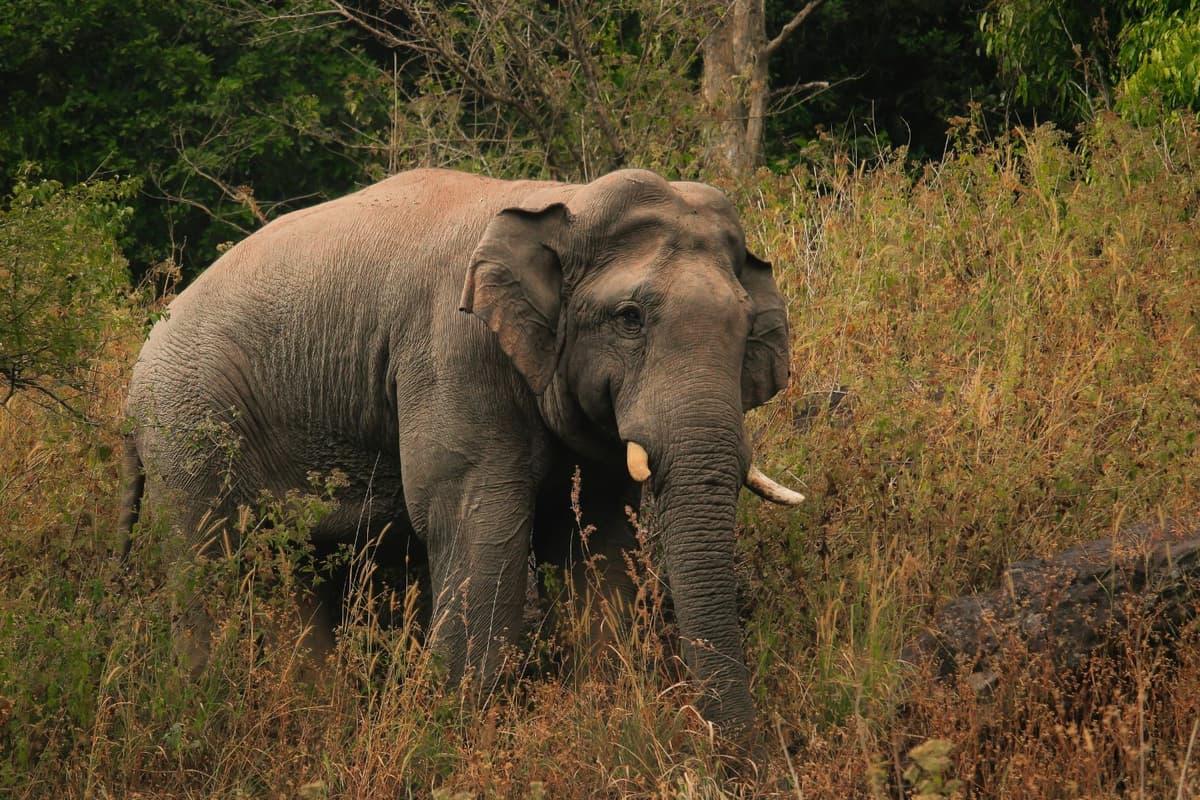
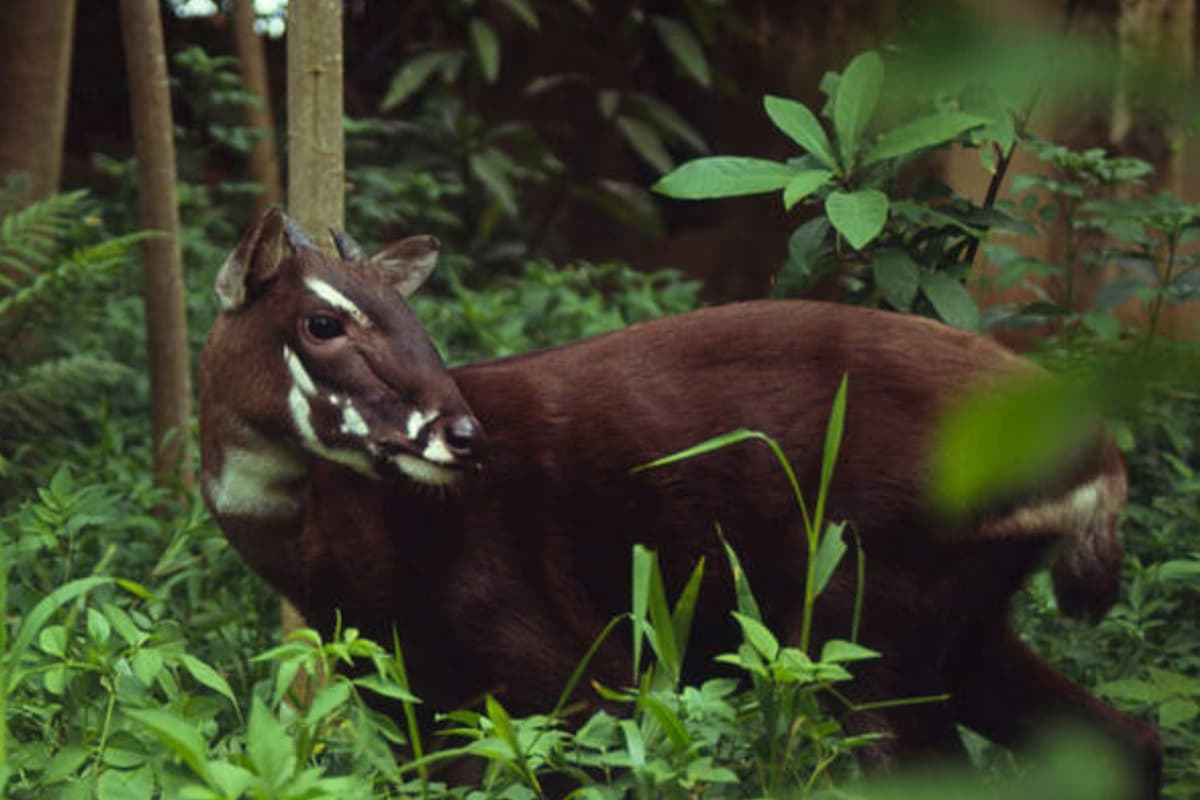
This extinction also offers an important lesson for Southeast Asia. It shows that conservation can fail if poaching and habitat loss are not stopped in time. The story of the Javan rhinoceros is a warning for other endangered species such as Asian elephants, tigers, and the saola. It is also a clear message about the urgent need to protect the remaining Javan rhinoceros population in Indonesia before it is too late.