CAM003
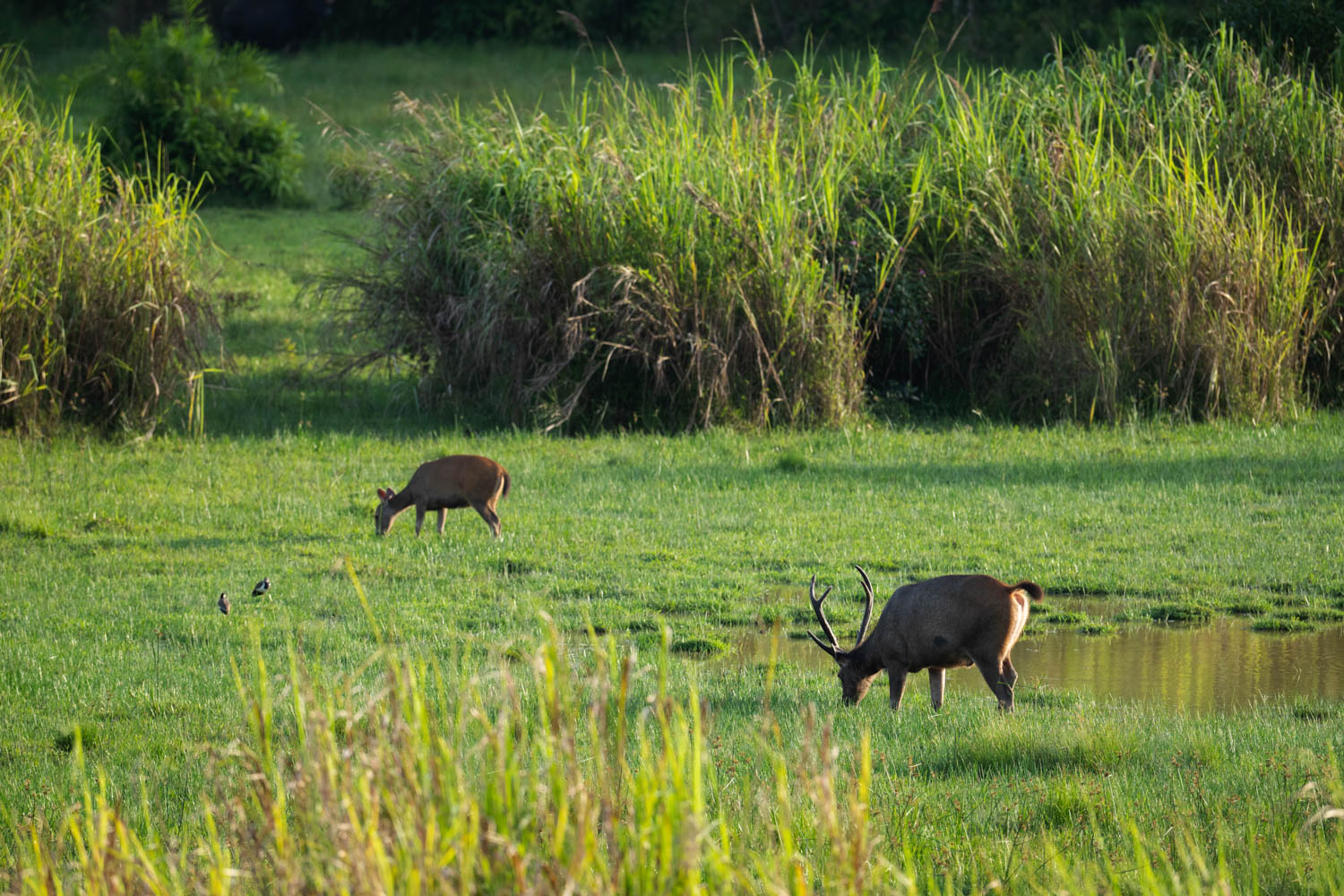
Interestingly, CAM003 rarely records these species grazing at night.

Welcome to one of the most vital hubs of Cat Tien National Park. While other cameras take you deep into forest corridors, Cam 002 is positioned along the edge of a lake - the lifeblood of this ecosystem. This quiet stretch of muddy shoreline is a key gathering point, where animals step out from the cover of the forest to drink, rest, and interact. From this single vantage point, you can witness the daily rhythm of the wild unfold.
Streaming 24/7 from the heart of the park, this live camera offers a real-time glimpse into nature as it happens - whether under the heat of the afternoon sun or in the stillness of the night.
In the next phase, CAM002 will be integrated with Katien AI Sentinel, an intelligent monitoring system powered by high-precision cameras, a dedicated AI server, and customized algorithms designed specifically for Cat Tien. With the support of Katien AI Sentinel, every movement captured becomes more than just a moment - it becomes meaningful data. Working continuously in the background, the system identifies species and analyzes behavior in real time. While you enjoy the scene, researchers are gathering valuable insights to help protect and sustain this ecosystem for the future.
Each recorded moment contributes to a broader conservation effort:
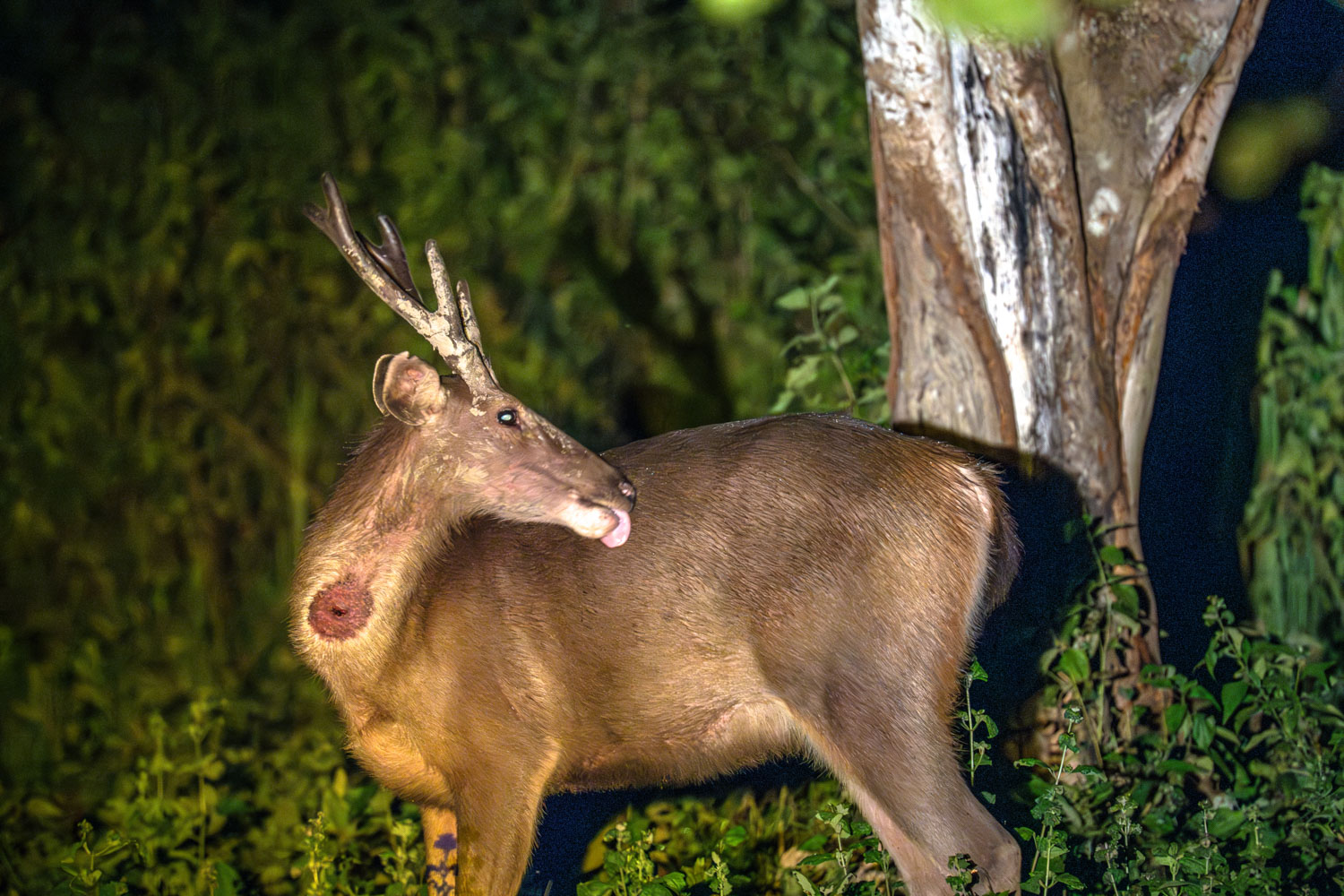
Three Sambar deer were captured at approximately 3:15 AM in the wide grassland of Cat Tien National Park. They were walking calmly on a cold night, using the peaceful environment to look for fresh plants.
Due to their social nature, deer often travel and live in small groups. In order to protect and teach their young, adults, particularly mothers, frequently stay near them. Living together also improves the group's overall safety and speeds up its ability to identify predators.
These herbivores are most active at night and in the early morning, when temperatures are lower and there is no human disturbance. Furthermore, Cat Tien National Park provides an ideal habitat for Sambar deer, thanks to its abundant water sources, lush grasslands, and minimal external impact.
Sambar deer are primarily active during the night and the cooler hours of the early morning. In this live cam clip, a group of sambar deer can be seen foraging on grasses and other vegetation along the lakeside grassland at 3 AM in Cat Tien National Park.
As one of Southeast Asia's largest deer species, sambar deer play an important role in forest and grassland ecosystems by browsing and grazing on a wide variety of plants. Open areas near lakes and wetlands often provide valuable feeding grounds, particularly during the night when temperatures are lower and human activity is minimal.
Cat Tien National Park supports a healthy population of sambar deer, which are among the most frequently observed large mammals on the park's grasslands. Their nocturnal habits help them avoid the heat of the day while reducing the risk of encounters with potential threats.
This peaceful nighttime scene offers a glimpse into the daily lives of these remarkable animals and highlights the importance of protected habitats for wildlife conservation in Vietnam.
A white stork can be seen carefully wading through the lake in Cat Tien’s grassland, scanning the shallow water for food.
Known for their patience and precision while hunting, storks often forage in wetlands where fish, insects, and amphibians are abundant. The calm waters and open grasslands of Cat Tien provide ideal habitat for many waterbirds throughout the year.
Several sambar deer are seen resting in the lake during the heat of the day, with two remaining partially submerged while another slowly steps back onto the shore. Mostly active during the early morning, late afternoon, and night, sambar deer often seek out wetlands and shaded waterholes during the hottest hours to cool down and regulate their body temperature.
As one of the largest herbivores in Cat Tien National Park, sambar deer play an important role in maintaining the forest ecosystem. Male sambar deer can be recognised by their large antlers, darker brown coats, and heavier build, sometimes weighing over 250 kg. Females are smaller, lighter in colour, do not grow antlers, and typically weigh much less than males.
Healthy populations of large mammals like sambar deer are also an important sign of the rich biodiversity still protected within Cat Tien’s forests.
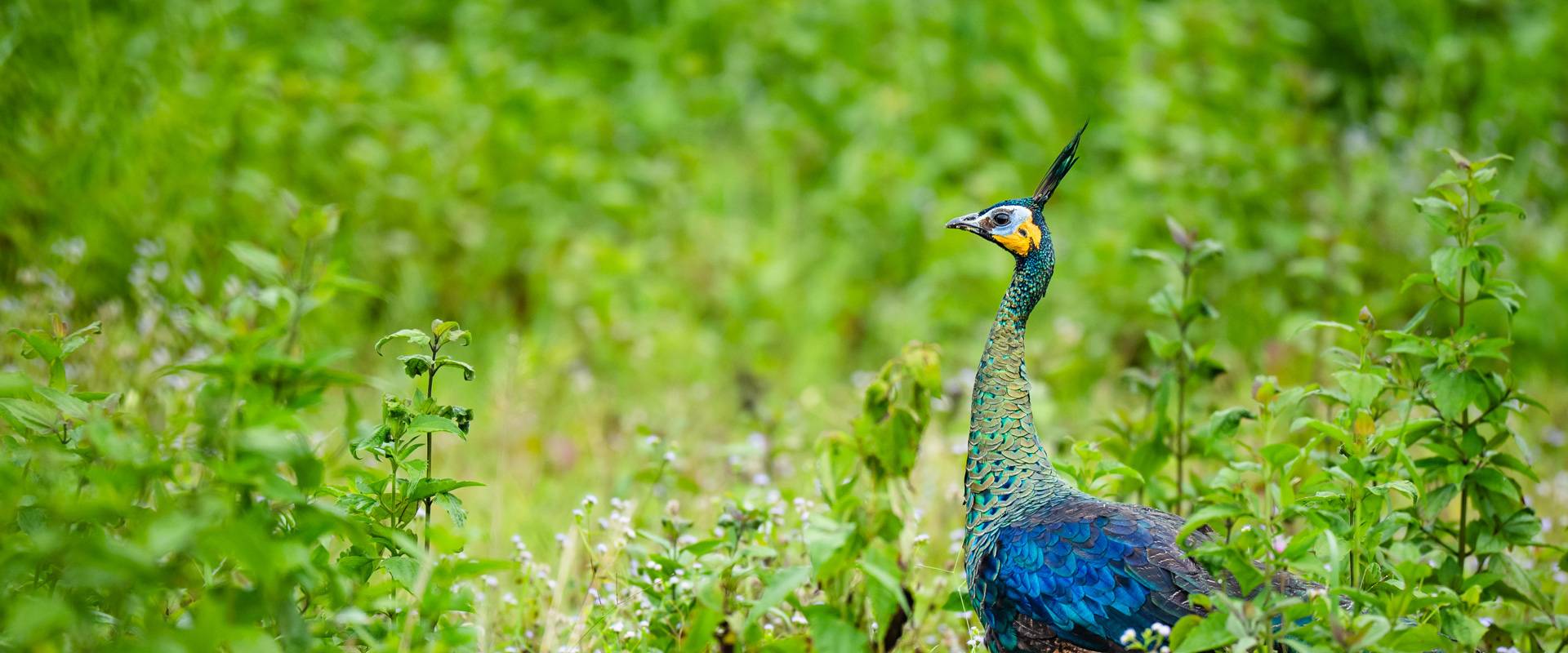
A Green Peafowl suddenly runs across the camera’s view, cutting through the grassland with speed and purpose. Despite their large size and long train, these birds are strong, agile runners and often rely on sprinting as a first response to disturbance, taking flight only when necessary.
This ground-based movement reflects their daily behavior. Green Peafowl spend much of their time foraging in open habitats such as grasslands, feeding on seeds, insects, and small animals while remaining highly alert to predators. Their preference for running allows them to navigate dense vegetation quickly and conserve energy compared to repeated flight.
As an endangered species, sightings like this are significant. Populations of Green Peafowl have declined across much of their range due to habitat loss, hunting, and human disturbance. Moments captured on live cam not only reveal their natural behavior but also highlight the importance of protecting the remaining grassland and forest ecosystems they depend on.
A lone Gaur passes through the grassland at night in Cat Tien National Park. Gaur are the world’s largest wild cattle species, known for their powerful build and cautious nature. Although they are often active during the day, they may also move and forage at night, especially in open areas.
There are several explanations why this gaur appears alone. First, seeing a lone gaur in April in Cat Tien National Park is quite normal. This particular individual is most likely an adult male. Male gaurs often live alone or in small groups outside of breeding periods, moving independently from the main herd.
Second, April also falls toward the end of the dry season, when food and water become more limited, causing individuals to range more widely and sometimes separate from the group. Also, gaurs tend to move through open grasslands at night when conditions are cooler and safer - so a solitary individual briefly passing through the area is a typical and natural behavior.
Overall, this is a subtle reminder of the powerful wildlife that roams the landscape after dark in Cat Tien National Park.
A group of Sambar deer stands in the shallow water of a lake in the grasslands of Cat Tien National Park, cooling off during the afternoon heat. They remain still for long periods, using the open water sources to rest and regulate their body temperature.
It’s a typical scene in the park, where open grasslands and freshwater sources provide essential refuge for wildlife during the warmest hours of the day.
This timestamp captured a group of Sambar deer, a species found in Cat Tien National Park and classified as Vulnerable on the IUCN Red List due to hunting and habitat loss.
In open grassland lakes, late summer afternoons mark a shift in activity as temperatures begin to drop and wildlife emerges after the midday heat. During this time, Sambar deer are often seen gathering around water, where their behavior reflects a balance between cooling, feeding, and staying alert.
One of the most noticeable behaviours is wading. Individuals frequently stand knee-to-belly deep in the water to regulate body temperature and reduce irritation from insects. In open landscapes, shallow water may also provide a slight advantage in detecting predators, as it limits how closely they can approach without being noticed.
Alongside this, drinking tends to happen in short, repeated bouts. Rather than remaining head-down for long periods, sambar deer regularly pause to scan their surroundings. When multiple individuals are present, this creates a loose system of shared vigilance, where some drink while others remain alert.
As the afternoon progresses, feeding activity increases. Deer move between the water’s edge and nearby grassland, grazing on grasses or browsing on low vegetation. These transition zones can offer fresh, moisture-rich plant growth that is especially appealing after a hot day.
Although sambar deer are generally solitary or found in small groups, water sources bring them together. These gatherings are typically loose and spread out, with minimal direct interaction. Even so, the presence of multiple individuals enhances overall awareness, as each contributes to detecting potential threats.
More broadly, this behaviour is part of a wider shift in the landscape. In places like Cat Tien National Park, late afternoon signals a general increase in wildlife activity - birds become more vocal, and other mammals begin to emerge. The presence of sambar deer at open lakes reflects this shared rhythm, as different species take advantage of cooler conditions and accessible resources before nightfall.
As the afternoon heat lingers, the lake attracts a diverse array of avian life, transitioning from the large and majestic to the small and agile.
Learn more about its unique behaviors and conservation status at: Peacocks (Peafowl): The World’s Most Beautiful Birds
From the mid-afternoon, the shoreline becomes a shared space for several waterbird species:
Every frame captured by the camera contributes to a larger picture of habitat health. By monitoring the frequency of visits to this water source, our AI systems help us understand how wildlife adapts to the changing seasons. From the high-resolution infrared clarity to the vibrant colors of the afternoon, this feed is a testament to the resilience of Cat Tien’s biodiversity.
The area surrounding the natural lake becomes a bustling hub of activity as the sun sets. Data from CAM002 confirms that the window between 7:00 PM and 3:00 AM is the most active period for the park’s hoofed residents.
Behavioral analysis: