CAM001
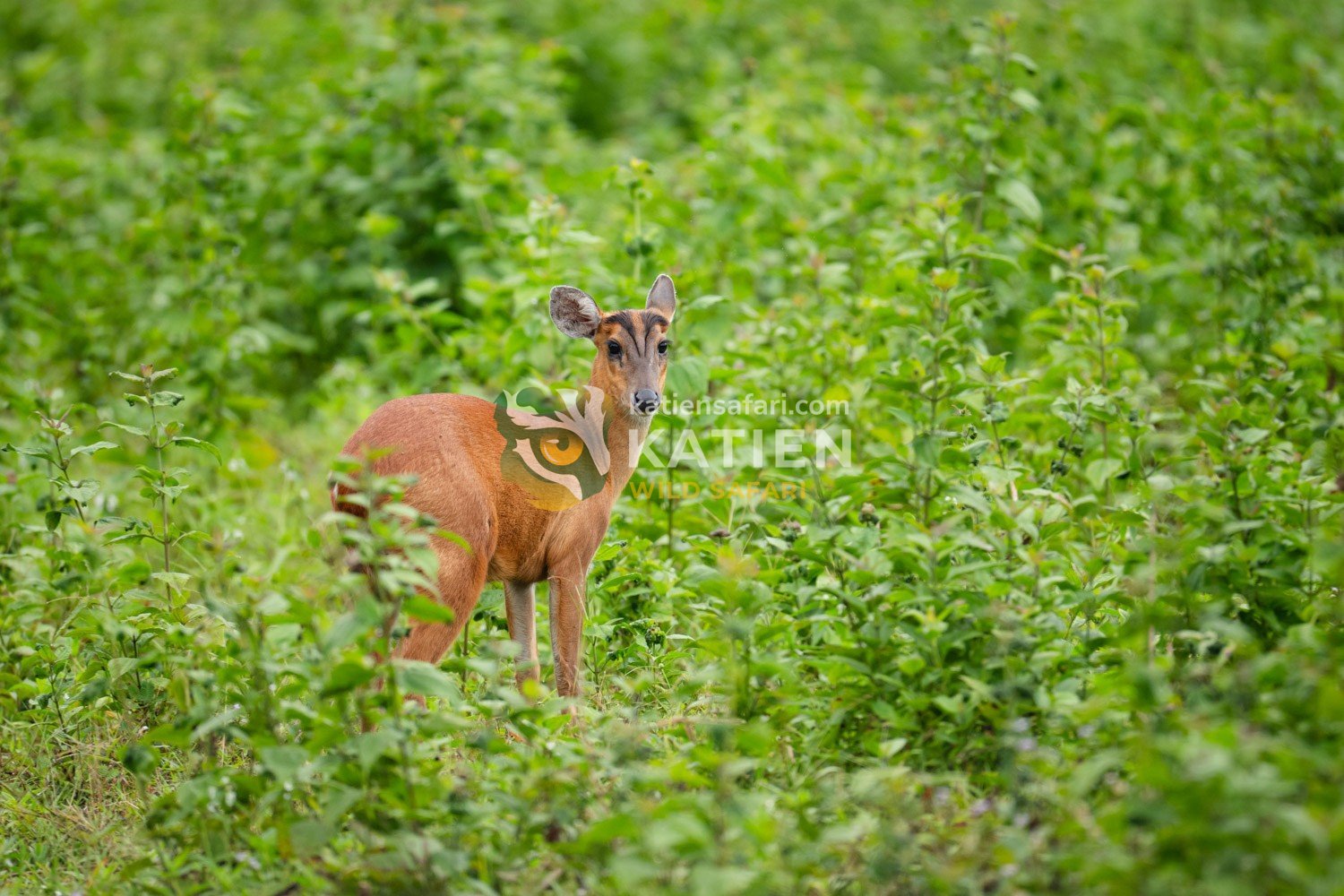
During the monitoring period, CAM001 recorded a significant gathering of barking deer

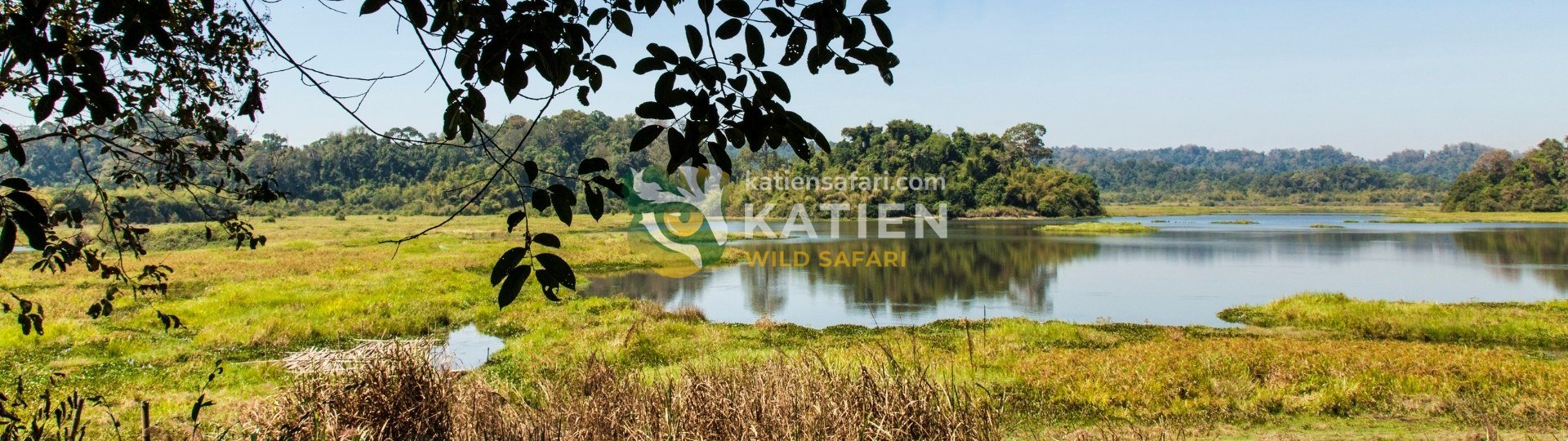
Deep within Cat Tien National Park, CAM003 overlooks a unique transition zone where dense secondary forest gradually gives way to an open grassland clearing. From this elevated vantage point, the camera captures a wide, panoramic view of a key wildlife corridor - frequently used by grazing animals and forest birds moving between shelter and open space.
Streaming live 24/7, CAM003 offers a real-time window into the rhythms of the wild, from the first light of dawn to the stillness of night. The footage is raw and unedited, presenting nature exactly as it unfolds.
In the next phase, CAM003 will be integrated with Katien AI Sentinel - an intelligent monitoring system powered by high-precision cameras, a dedicated AI server, and custom-built algorithms tailored specifically for Cat Tien National Park. As you watch, the system will automatically identify and label wildlife on screen, while continuously generating data to support biodiversity research and conservation efforts.
Three red junglefowls (Gallus gallus) were captured by Katien’s Live Camera in the grasslands of Cat Tien National Park during the mid-afternoon. As they searched for seeds, insects, and other food, the birds occasionally competed for the best foraging spots - a natural behavior that helps establish dominance and access to resources.
The red junglefowl is the wild ancestor of the domestic chicken and plays an important role in the forest ecosystem by dispersing seeds and controlling insect populations.
Watch a Small-toothed Palm Civet (Arctogalidia trivirgata) forage through the grasslands of Cat Tien National Park under the cover of darkness. Although often associated with the forest canopy, this agile climber regularly descends to the ground to search for fruits, insects, small vertebrates, and other available food.
Small-toothed Palm Civets are primarily nocturnal and solitary, spending most of their lives foraging alone within their own home ranges. Their slow, deliberate movements and excellent sense of smell allow them to locate food while remaining hidden from predators and other wildlife. Individuals usually only come together during the breeding season or when females are raising young.
Despite their secretive nature, these civets play an important ecological role. By feeding on a wide variety of fruits, they help disperse seeds throughout the forest, contributing to rainforest regeneration and maintaining healthy ecosystems.
Rarely seen by visitors, the Small-toothed Palm Civet is one of many elusive mammals that emerge after sunset in Cat Tien National Park. Live camera footage like this offers a unique window into the hidden lives of Vietnam's nocturnal wildlife and highlights the importance of protecting these biodiverse forests.
A rare sight on Cat Tien's grasslands, this herd of gaur spent much of the night foraging in the open before continuing to feed into the early morning hours. As daylight approached, the animals gradually disappeared back into the surrounding forest.
As Asia's largest wild cattle species, gaur are highly adaptable herbivores that feed on a wide variety of grasses, bamboo, leaves, and shrubs. During the rainy season, fresh vegetation can provide particularly attractive feeding opportunities in open habitats, making grasslands an important part of their foraging range. Captured by Katien Safari's live camera system, this footage offers a glimpse into the movements and feeding behavior of one of Cat Tien's most impressive mammals.
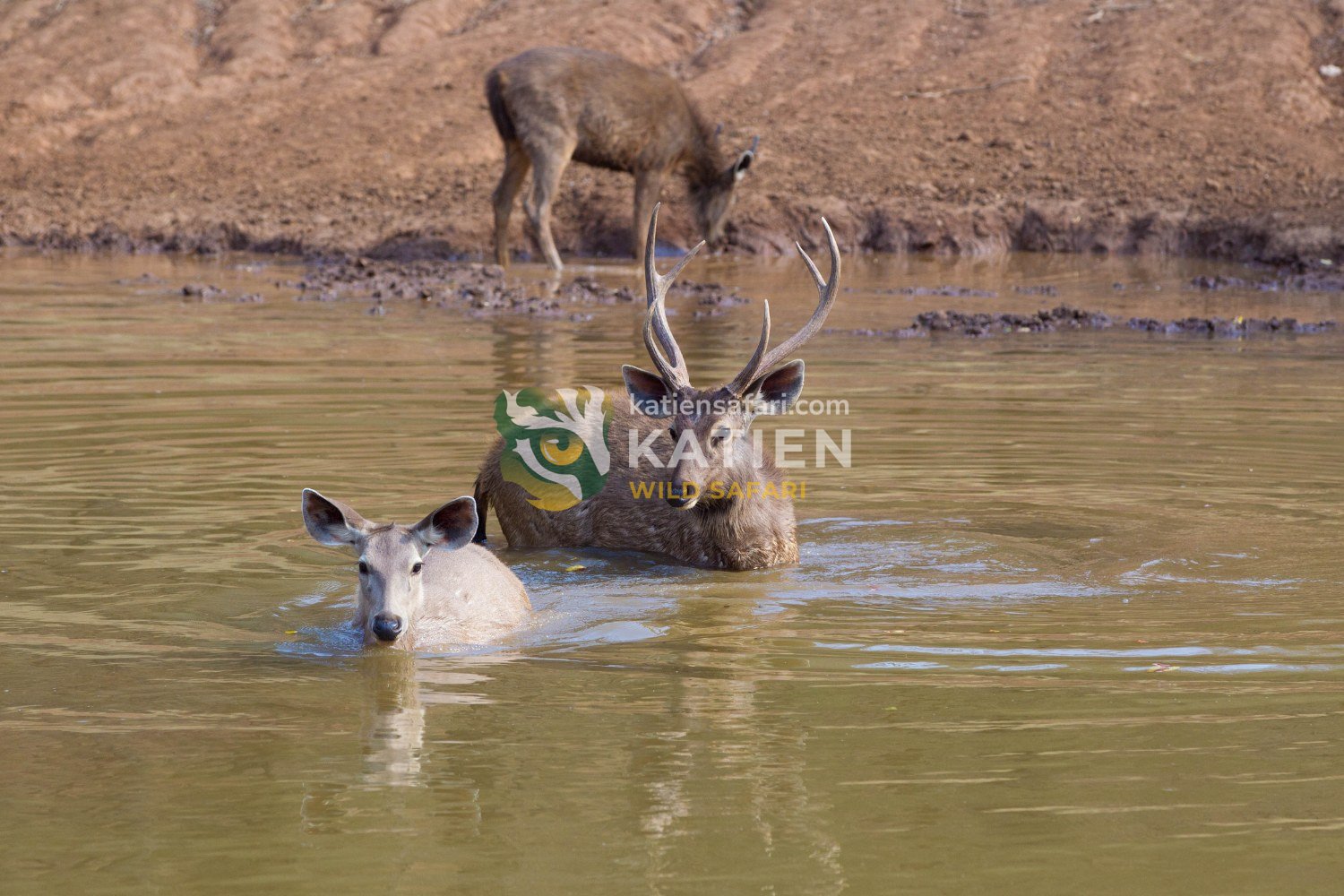
Life moves at a slower pace in the Cat Tien grasslands this afternoon. Two sambar deer alternate between grazing and cooling off in a shallow pond, almost as if they're taking turns enjoying a refreshing break from the heat.
Scenes like this reveal the everyday rhythms of wildlife in Cat Tien National Park, where ponds and seasonal wetlands provide essential resources for many of the park's large mammals.
A lone red-wattled lapwing stands quietly in the grassland of Cat Tien National Park. While this moment may seem uneventful, vigilance is an important part of the species’ daily routine.
Red-wattled lapwings are ground-dwelling birds commonly found in open habitats such as grasslands, wetlands, riverbanks, and agricultural areas across much of South and Southeast Asia. They are easily recognized by their black head and breast, white cheeks and sides of the neck, brown wings and back, long yellow legs, and the bright red wattles in front of the eyes.
Because they nest directly on the ground, these birds spend much of their time scanning their surroundings for potential threats. When disturbed, they often give loud alarm calls that can carry across open country. Their diet consists mainly of insects and other small invertebrates picked from the ground or shallow wet areas.
This peaceful scene offers a glimpse into the everyday life of one of Cat Tien’s most recognizable grassland birds.
A group of sambar deer can be seen foraging across the grassland during the early afternoon in Cat Tien National Park. While sambar deer are generally most active during the early morning and late afternoon, they may also continue feeding throughout the day when conditions are favourable.
As they move through the grass in search of fresh vegetation, these deer play an important role in the park's ecosystem. This peaceful wildlife encounter offers a glimpse into the daily life of one of Cat Tien's most iconic mammals.
As dawn approaches in Cat Tien National Park, two sambar deer emerge onto the vast grassland to forage in the cool, fresh conditions left behind by overnight rain. At 5 AM, the landscape is quiet and refreshed, providing ideal conditions for these large herbivores to feed on grasses and other vegetation.
Rainfall often stimulates new plant growth and leaves vegetation moist and nutritious, making grasslands particularly attractive feeding areas for sambar deer. The cooler temperatures following rain also encourage wildlife activity, allowing animals to move and forage more comfortably before the heat of the day arrives.
As one of Southeast Asia's largest deer species, sambar deer play an important role in maintaining healthy ecosystems through their feeding habits. In Cat Tien National Park, they are among the most frequently observed large mammals and are often seen grazing in open grasslands near lakes and wetlands during the early morning hours.
Late afternoon rain sweeps across the grasslands of Cat Tien National Park, where a mother red-wattled lapwing gently gathers her tiny chicks beneath her wings for warmth and protection.
Known for their loud, unmistakable “did-you-do-it” calls echoing across wetlands and open fields, red-wattled lapwings are among the most attentive and fearless parents of the grasslands. Unlike many birds, their chicks leave the nest within hours of hatching, already able to run alongside their parents through the grass in search of insects and other small prey. Because they nest directly on the ground in shallow scrapes, the chicks remain vulnerable to predators, heat, and sudden tropical storms, making parental care especially important.
The red-wattled lapwing is a resident species in Cat Tien National Park, meaning it can be found here year-round rather than migrating seasonally. Pairs often remain within the same territory and become especially protective during the breeding season. When danger approaches, adult lapwings may perform dramatic distraction displays - pretending to have a broken wing to lure predators away from their young - while their loud warning calls echo across the grasslands.
Moments like this reveal a softer side of life in the wild. Beneath the rain and fading afternoon light, survival in Cat Tien is not only about resilience, but also about protection, patience, and family.
Early in the morning, two muntjac deer can be seen on the grassland. One male, small in size and naturally cautious, notices another individual across the open area and moves closer to investigate. However, muntjacs are highly alert animals - the second deer quickly flees, highlighting their instinct to avoid potential threats.
Muntjac deer, often called “barking deer,” are among the smallest deer species in Asia, commonly found in forest edges and grasslands such as those in Cat Tien National Park. Males are distinctive, with short antlers and elongated canine tusks that can be used in territorial disputes.
Rather than relying on herd protection, muntjacs are typically solitary and depend on stealth and quick reflexes to survive. This brief encounter reflects their cautious nature - curious, yet always ready to retreat at the slightest sign of risk.
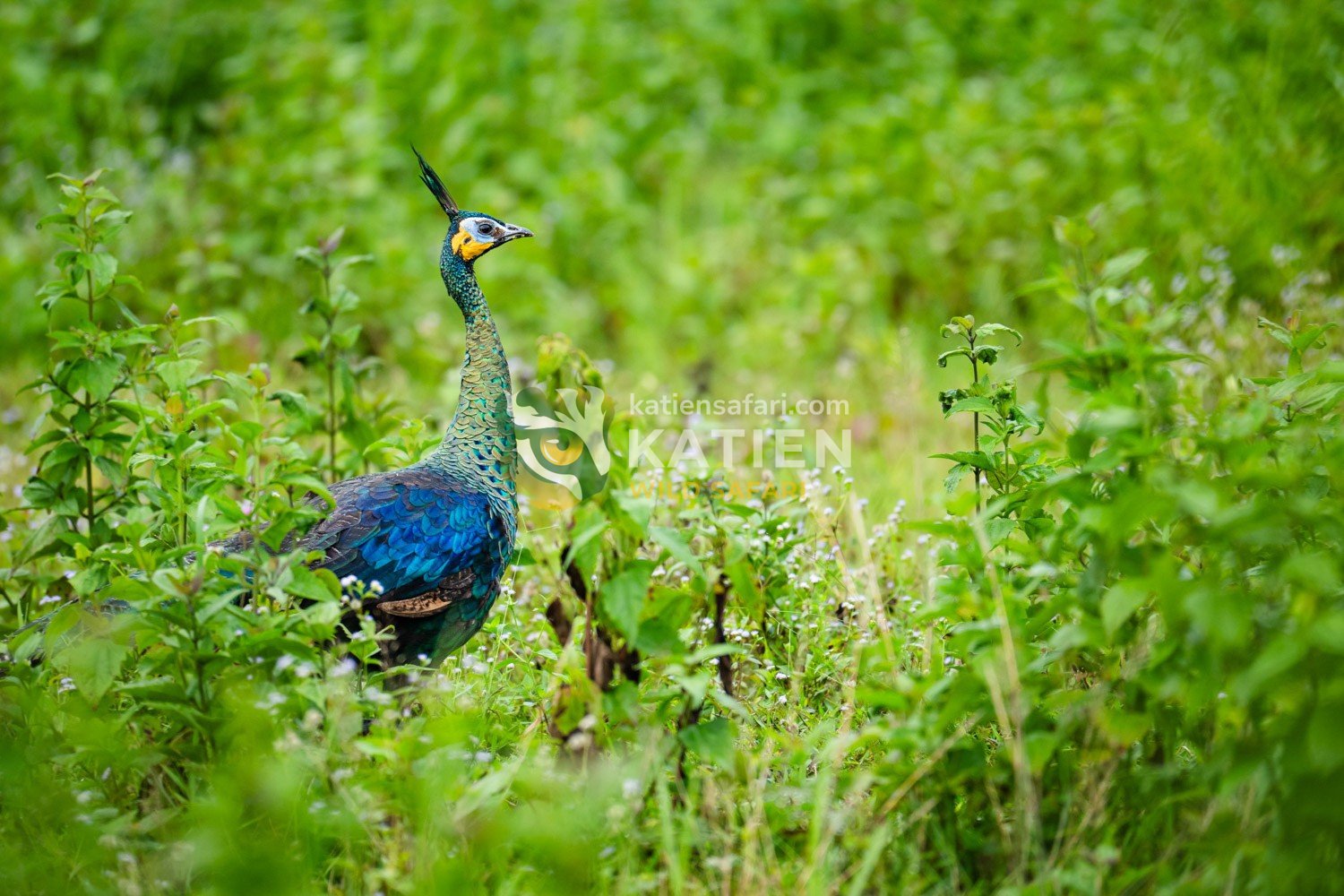
A Green Peafowl moves through the grassland at dawn, feeding quietly as the day begins. While males are famous for their elaborate displays, this behaviour is typically reserved for courtship when females are present. At other times - like this solitary early morning moment - they remain grounded, conserving energy and focusing on foraging.
Classified as Endangered, the Green Peafowl is increasingly rare across its range, making even these quiet, everyday sightings in places like Cat Tien National Park especially meaningful.
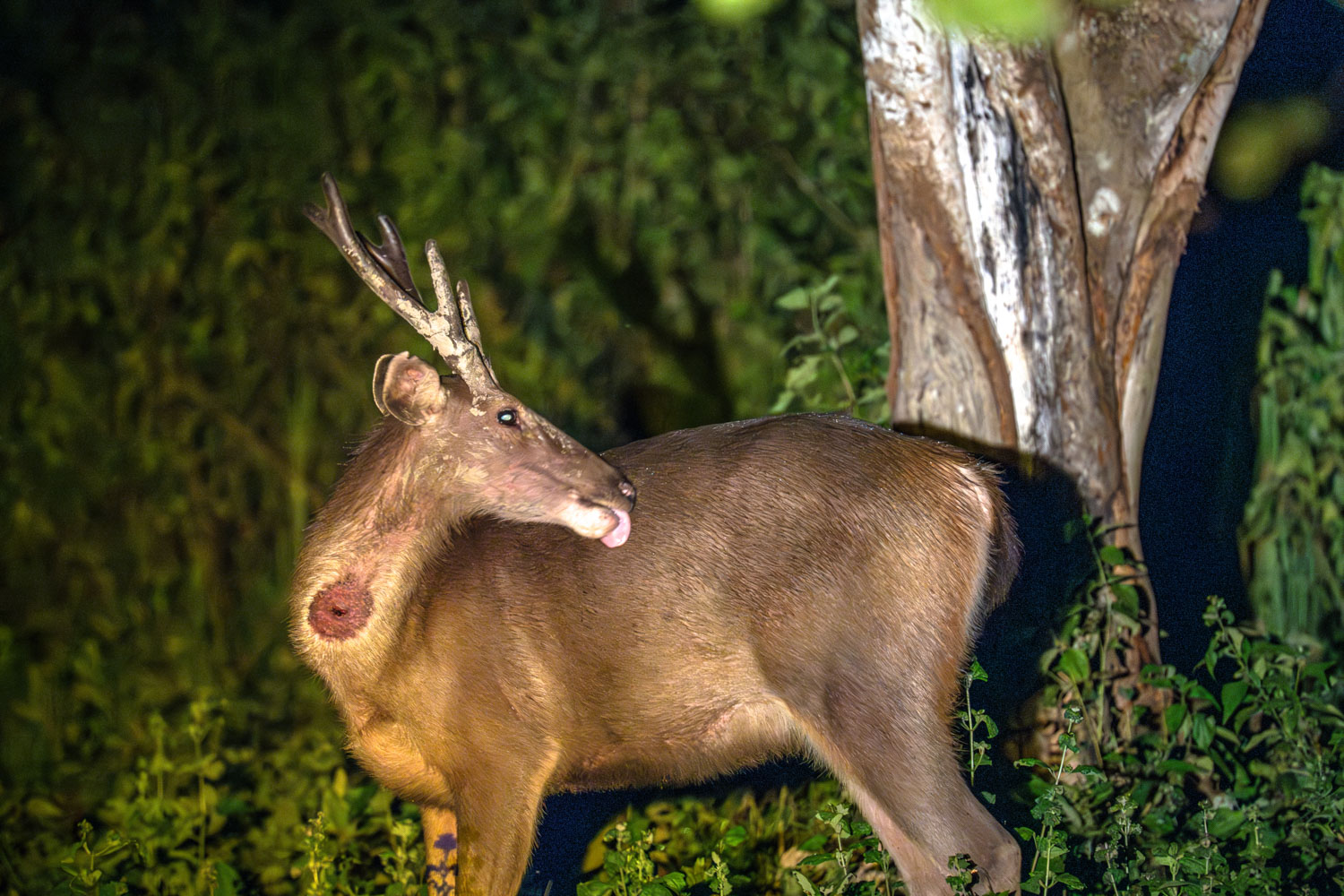
A lone Sambar Deer is observed foraging in the grassland during the late afternoon in Cat Tien National Park. Moving steadily across the open area, it searches for grasses and vegetation before nightfall.
Sambar deer are typically most active during the cooler hours of the day, often feeding in open habitats while remaining alert to potential threats. Although they can form small groups, they are frequently solitary animals, especially adult individuals.
The deer’s steady, cautious movement reflects its need to balance feeding with vigilance, offering a natural glimpse into how the species navigates open environments.
Read more about: Sambar deer - the largest deer species in Cat Tien.
Two porcupines pass through the frame at night in Cat Tien National Park, moving in close succession, with one following closely behind the other. The interaction suggests courtship behavior, offering a brief glimpse into the species’ nocturnal activity in the Park.
As a nocturnal species, porcupines are most active after dark, when cooler temperatures and reduced disturbance make it easier for them to move around, forage and interact.
A group of wild boars emerges into the open grassland in the late afternoon - a time when the heat begins to ease and activity across the landscape starts to pick up.
As they move, a few individuals briefly lower their heads to sniff and root through the soil, using their strong snouts to search for food such as roots, insects, and fallen fruits. This behaviour doesn’t only help them feed but also contributes to turning over the soil, supporting nutrient cycling in the ecosystem.
The group moves with a loose but coordinated structure. Larger individuals set the pace, while younger boars stay close to the center, keeping up as the group pushes forward. Even while moving, they remain alert, balancing feeding with awareness of their surroundings.
Their quick movement across the open grassland can be explained by several factors. In exposed areas like this, visibility is high and cover is limited, so moving fast helps reduce vulnerability - especially for younger individuals. Staying close as a group also strengthens protection, allowing them to move as a unit and avoid separation.
In some cases, this burst of speed may be triggered by a disturbance, such as a sudden noise, human presence, or a potential predator. Wild boars are highly responsive, and when one reacts, the rest tend to follow immediately.
It may also simply reflect a natural shift in activity. Late afternoon is when many animals begin moving between resting and feeding areas, and this group could be relocating to a safer or more resource-rich spot before nightfall.
As the sun begins to dip and the heat of the day breaks, the grasslands play host to Vietnam’s most iconic bird - the Green Peafowl.
This camera reveals a specific ecological rhythm. Unlike other areas of the park, the tall grass sanctuary is most vibrant during the twilight hours of early morning and late afternoon.
Interestingly, CAM003 rarely records these species grazing at night. The data suggests they utilize this thick cover primarily during the day (especially around 7-8 AM and 5 PM), likely retreating into deeper forest cover once total darkness falls.
This open wetland margin becomes an active nocturnal gathering ground for ground-dwelling birds such as the lapwings.