CAM001
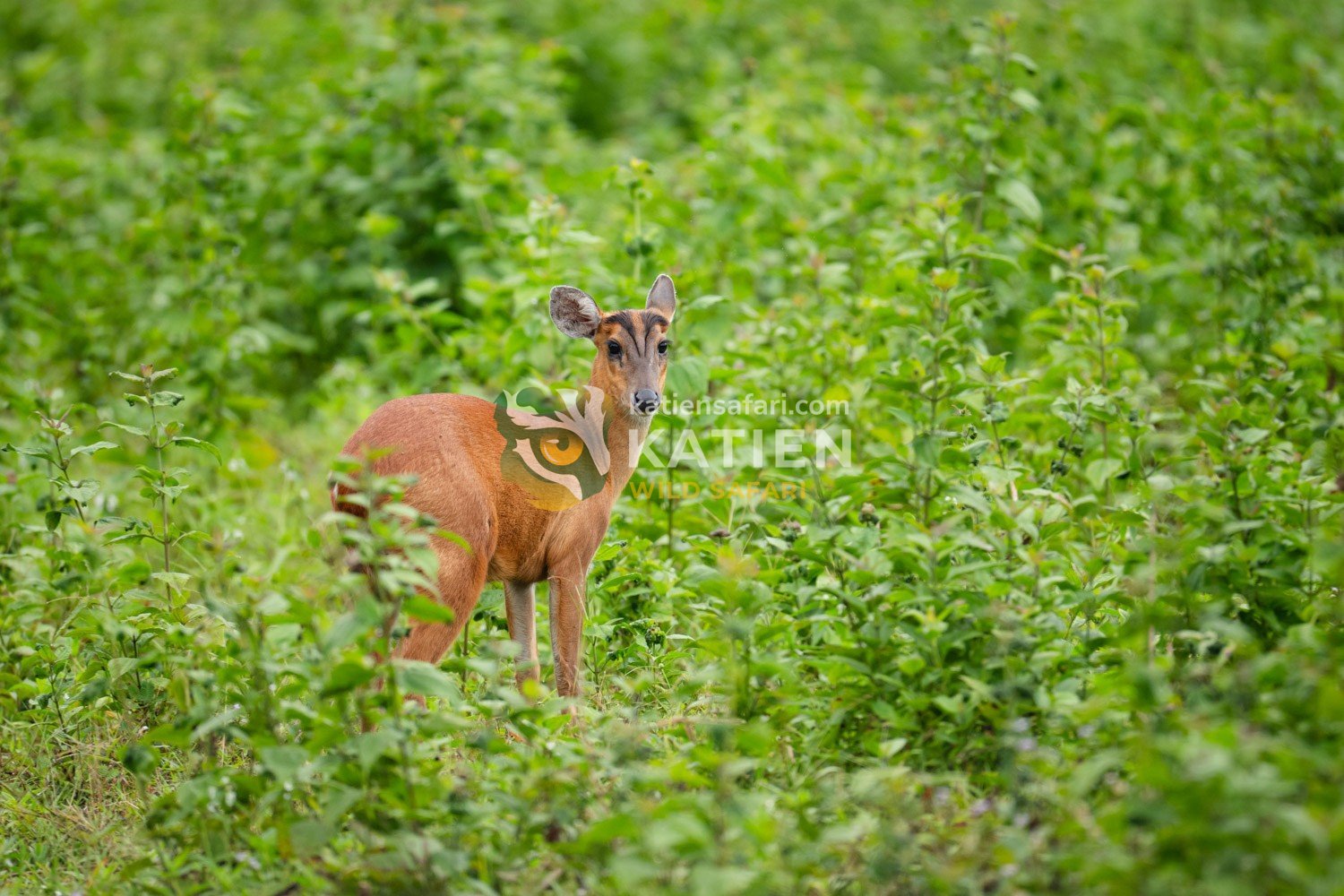
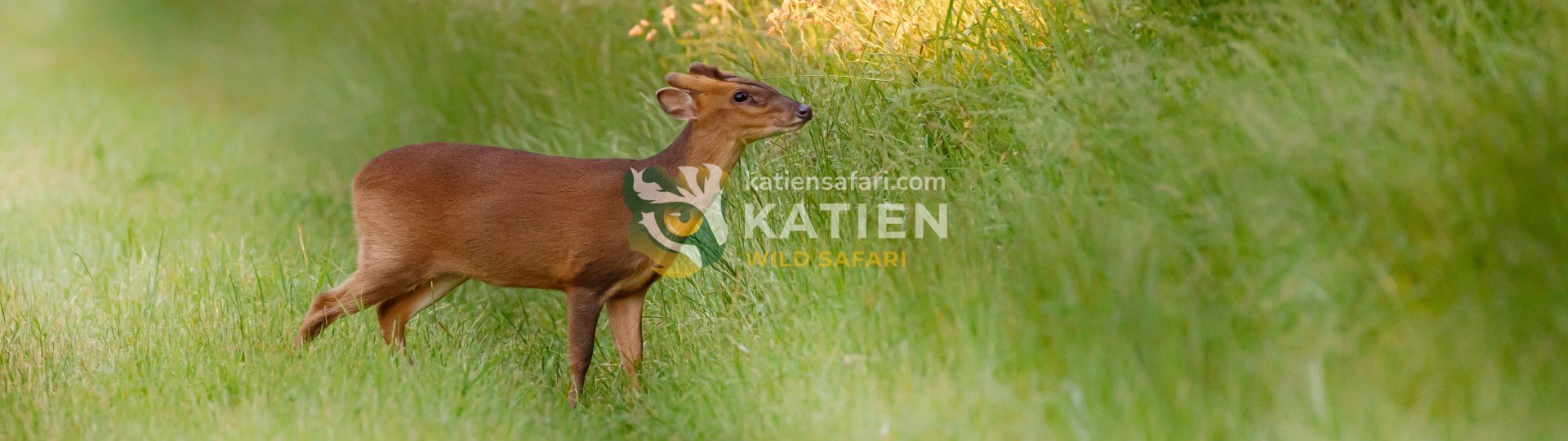
During the monitoring period, CAM001 recorded a significant gathering of barking deer

Experience nature in real time from Cat Tien National Park - one of Vietnam’s richest biodiversity hotspots. This live camera captures a unique landscape where grassland meets the forest edge and an open lake, creating a thriving hub for wildlife activity.
This area is where multiple habitats overlap. These transition zones are especially important because they provide:
Because of these features, wild animals are drawn here throughout the day, and even more so after dark.
This feed is part of a larger conservation initiative powered by Katien AI Sentinel - a smart monitoring system using high-precision cameras, a dedicated AI server, and custom-built algorithms. In real time, it helps to:
Every moment captured supports real conservation work:
By watching, you’re not just observing - you’re contributing to the protection of one of Vietnam’s most remarkable natural landscapes.
Watch an Oriental Darter (Anhinga melanogaster) standing quietly beside a lake in the grasslands of Cat Tien National Park during the early morning.
Often called the "snakebird" because of its long, slender neck, the Oriental Darter is a skilled diving bird that hunts fish beneath the water's surface. Unlike ducks, its feathers are only partially waterproof, allowing it to dive more efficiently. After fishing, it can often be seen perched with its wings spread to dry in the sun.
This individual appears alone, which is common outside the breeding season. Oriental Darters frequently forage and rest by themselves, patiently watching the water for fish before making a swift underwater strike.
Wetlands like Bau Sau (Crocodile Lake) in Cat Tien National Park provide essential habitat for this Near Threatened species, supporting healthy fish populations and a rich diversity of waterbirds.
A peaceful mid-afternoon unfolds in Cat Tien National Park as two Woolly-necked Storks (Ciconia episcopus) forage along the edge of a wetland while several Sambar Deer (Rusa unicolor) graze nearby.
The Woolly-necked Stork is a large wading bird that feeds on fish, frogs, insects, and other small aquatic animals. Nearby, Sambar Deer, the largest native deer in Southeast Asia, browse quietly across the grasslands, helping shape forest ecosystems through grazing and seed dispersal. This peaceful coexistence is made possible by ecological niche partitioning, meaning each species relies on different food resources, allowing both to thrive within the same wetland ecosystem.
Moments like these highlight the rich biodiversity of Cat Tien National Park, part of a UNESCO World Biosphere Reserve and one of Vietnam's most important protected landscapes.
During a quiet mid-afternoon in Cat Tien National Park, a Lesser Adjutant stands alone beside a pond in the park's grasslands. Remaining motionless for long periods, these large wetland birds often rely on patience while searching for fish, frogs, reptiles, crabs, and other prey along the water's edge. Nearby, several sambar deer can be seen foraging peacefully, creating a scene that highlights the diversity of wildlife supported by Cat Tien's grassland and wetland habitats.
The Lesser Adjutant (Leptoptilos javanicus) is among the largest wading birds in Asia, reaching about 110 - 120 cm in height with a wingspan of up to 2 meters. Its long legs, bare head, and powerful bill are well adapted for foraging in shallow wetlands, grasslands, and seasonally flooded habitats.
Mid-afternoon visits to ponds like this are not unusual. As temperatures rise, many aquatic and semi-aquatic animals become concentrated around remaining water sources, increasing feeding opportunities for large wading birds. At the same time, open wetland areas allow the stork to scan for prey while minimizing unnecessary movement, helping it conserve energy during the hottest part of the day.
Wetlands are among the most important habitats in Cat Tien, supporting a rich diversity of wildlife throughout the year. Encounters such as this highlight the ecological value of these grassland ponds, which serve as feeding and resting grounds for a wide variety of bird species and mammals across the park.
Watch a herd of sambar deer congregate around a lake in Cat Tien National Park's grassland ecosystem. As the afternoon heat intensifies, the deer seek water for drinking and cooling, creating a rare opportunity to observe natural social behavior in one of Vietnam's most important wildlife habitats. These open grasslands and seasonal wetlands provide essential feeding and watering grounds for many of Cat Tien's large mammals.
A solitary adjutant stork searches for food along the edge of a lake in the grasslands of Cat Tien National Park during a warm mid-afternoon.
One of the largest birds in the region, the adjutant stork is immediately recognizable by its towering stature, long legs, massive wedge-shaped bill, and bare head and neck. Its dark wings contrast with a paler body, giving the bird a distinctive silhouette as it moves through open wetlands and grasslands. These features help the stork stay cool while foraging in hot environments and allow it to feed efficiently in shallow water and muddy shorelines.
Adjutant storks are opportunistic feeders, consuming fish, frogs, reptiles, insects, and other small animals found in wetland habitats. They may also scavenge carrion, playing an important role in the ecosystem by helping recycle nutrients.
As water levels change throughout the year, the shallow edges of lakes can become rich feeding areas for many species. By slowly patrolling the shoreline and carefully scanning for prey, this adjutant stork demonstrates the patient hunting strategy that has helped its family thrive in wetlands for millions of years.
This peaceful afternoon scene offers a glimpse into the daily life of one of Cat Tien's most impressive wetland birds.
As the sun rises over the grasslands of Cat Tien National Park, two woolly-necked storks begin their morning search for food near the edge of the lake. They use their long bills to probe the ground and shallow water for insects, frogs, small reptiles, fish, and other prey.
The woolly-necked stork is easily recognized by its striking white neck, contrasting dark body, and long red legs. Despite its large size, this species often goes unnoticed as it quietly forages in wetlands, grasslands, agricultural fields, and forest clearings across South and Southeast Asia.
Unlike many colonial waterbirds that feed in large flocks, woolly-necked storks are frequently observed alone, in pairs, or in small family groups. Their broad diet and ability to utilize a variety of habitats help them adapt to changing environmental conditions, but they still depend on healthy wetlands and open landscapes that provide reliable food sources.
Early morning is one of the best times to observe these birds, as cooler temperatures encourage wildlife activity around Cat Tien's lakes, marshes, and grasslands.
Two sambar deer can be seen quietly foraging across the grassland during a rainy mid-afternoon in Cat Tien National Park. While these deer are often most active during the early morning and late afternoon, cooler temperatures and rainfall can encourage feeding activity throughout the day.
As the rain falls across the landscape, the deer move steadily through the grass in search of fresh vegetation, offering a peaceful glimpse into the daily life of one of Cat Tien's largest mammals.
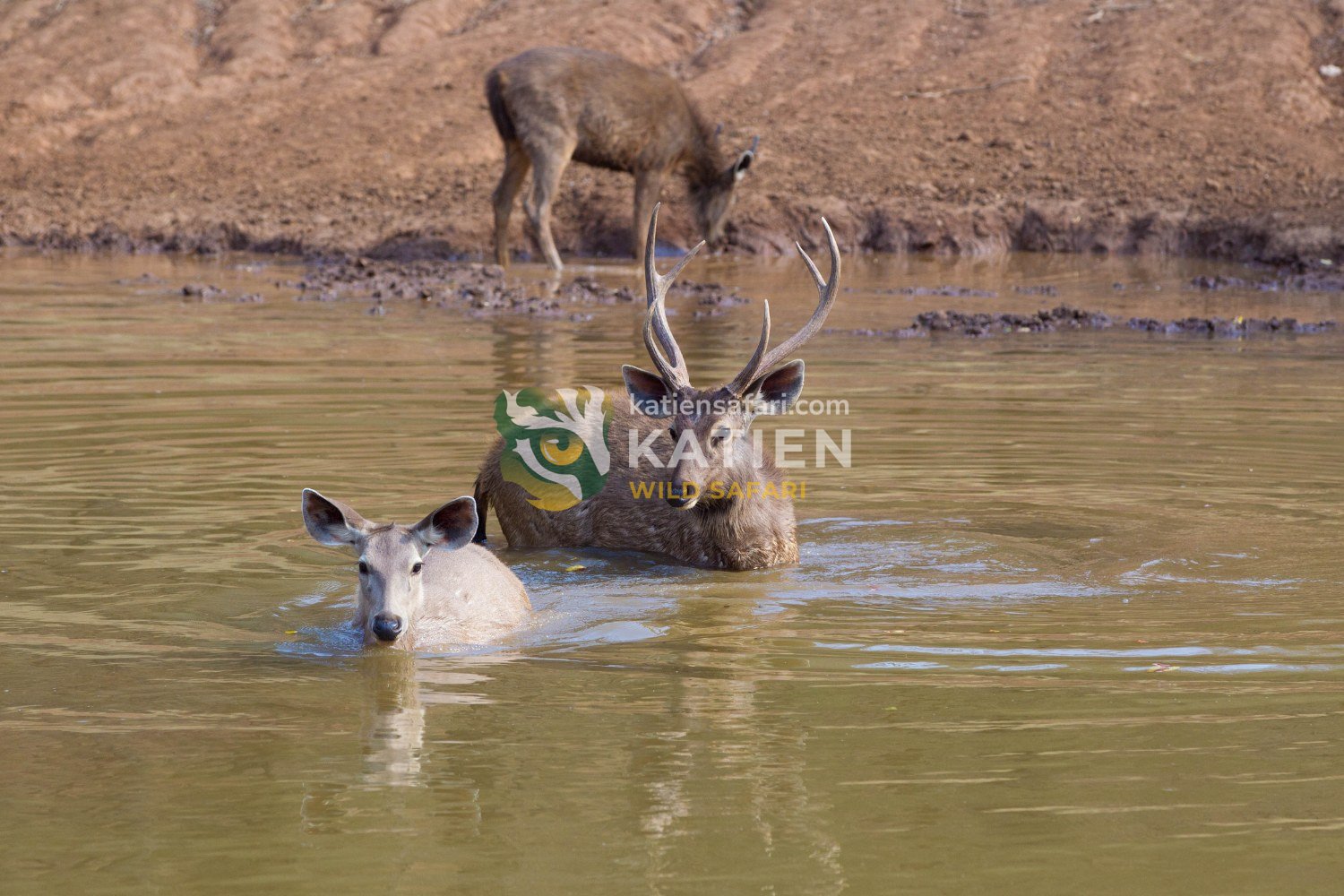
A group of sambar deer can be seen quietly foraging while others remain partially submerged in the lake to escape the heat of the day. Although mostly active during the early morning, late afternoon, and night, sambar deer frequently rest near water during the hottest part of the day. During these hours, these large herbivores often seek out wetlands and shaded waterholes to cool down and regulate their body temperature.
Moments like this offer a peaceful glimpse into the natural rhythm of the wild.
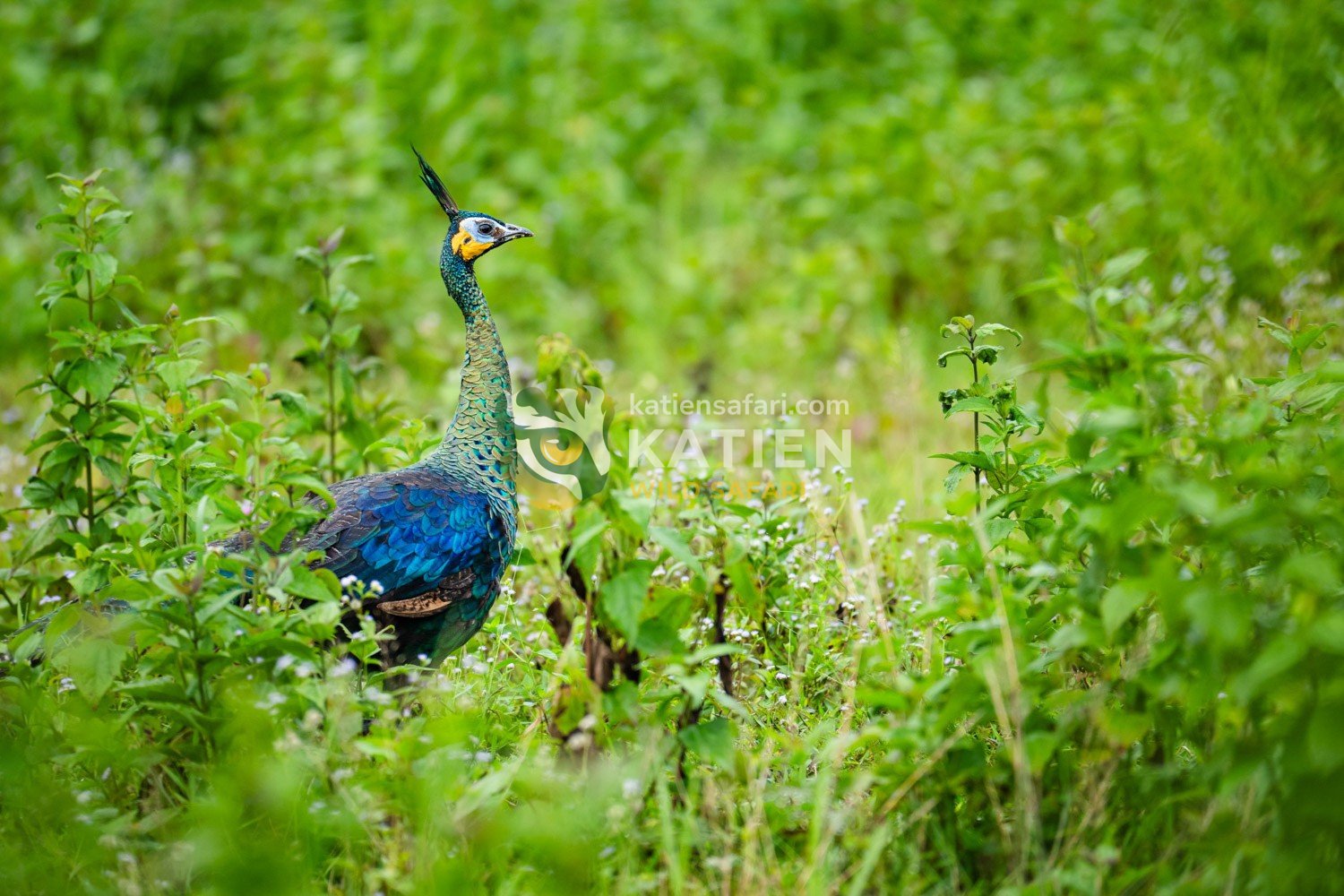
Several green peafowls are seen foraging across the grassland in the late afternoon at Cat Tien National Park. Moving slowly through the open habitat, they search for seeds, insects, shoots, and other small food sources hidden among the grasses.
Unlike the brightly coloured males, female green peafowls are generally smaller and less vividly patterned, helping them remain camouflaged while nesting. During the cooler hours of the day, these large ground-dwelling birds often emerge from the forest edge to feed in more open areas before returning to cover as evening approaches.
As one of Southeast Asia’s most iconic and threatened bird species, sightings of green peafowls are an important reminder of the rich biodiversity still protected within Cat Tien’s forests and grasslands.
A group of Green Peafowls is observed moving across the area in the early morning while foraging. At this time of day, they are typically active, feeding on a varied diet that includes seeds, shoots, insects, and other small ground-dwelling invertebrates.
No courtship display is observed in this timeframe. Instead, the birds maintain a steady walking pace and periodically stop to feed, which is characteristic of their routine outside the breeding season. Green Peafowl are often seen alone, particularly adult males. However, in this instance, several individuals are present together.
This grouping can be explained by factors such as food availability, peak activity periods at dawn, and safety advantages, as loosely associating with others increases overall vigilance against threats. In some cases, these may be females accompanied by juveniles, forming small family units. Outside the breeding season, territorial behavior is reduced, allowing for these temporary aggregations.
The lakeshore becomes active in the late afternoon as animals take advantage of cooler conditions in Cat Tien National Park. Green Peafowls forage along the open ground, while Sambar deer graze nearby vegetation.
These interactions highlight how key habitats like lakes support both feeding and social behavior across different species, providing essential resources for the park's diverse wildlife.
A lone gaur is seen foraging in the grassland in the late afternoon, feeding on grasses and low vegetation.
Solitary individuals are not uncommon, particularly adult males, which often move independently or stay on the edges of herds. This can happen at any time of year, as they shift between feeding areas or move in search of breeding opportunities.
Several birds are spotted moving nearby, likely taking advantage of insects disturbed by the gaur, adding to this typical late afternoon scene in Cat Tien.
During this timestamp, a Small-toothed Palm Civet was observed foraging in proximity to a group of Sambar Deer. This small carnivore takes advantage of low-light conditions to hunt or feed on ripe fruits, moving with fluid, near-silent motion through dense undergrowth.
Its brief and elusive appearance suggests opportunistic use of the area rather than prolonged feeding, highlighting its role as a highly mobile nocturnal forager and predator.
Multiple species can be observed sharing the same space where the forest edge, open lake, and grassland converge. As temperatures ease in the late afternoon, animals such as Sambar Deer, Green Peafowl, and Storks gradually move into this area to forage and access water.
This overlap highlights the ecological importance of such transition zones, where diverse resources attract a wide range of species, particularly during cooler periods of the day.
During this monitoring period, CAM006 recorded a significant gathering of sambar deer at night. The footage indicates frequent use of this site by a social group, offering valuable insight into herd size and nocturnal feeding behavior.
Species identification: At least five individual deer were observed within the camera’s field of view.
Environmental context: The presence of a group of this size at this time suggests the area serves as a preferred nighttime feeding site, likely supported by minimal human disturbance and abundant, high-quality forage.
Behavioral analysis:
A flock of storks is spotted gathering around the open lake. This is typical behavior during the dry season (November - April) in Cat Tien National Park. As water sources become scarce during this period, wading birds like storks are often found stalking small fish or amphibians in these shallow pools, especially in the late afternoon when the temperatures begin to drop.
The Yellow-cheeked Gibbon is currently classified as Endangered on the IUCN Red List, with assessments in recent years confirming its continued decline. Populations have decreased by more than 50% over the past 45 years. Native to Vietnam, Laos, and Cambodia, the species faces significant threats from habitat loss due to deforestation, along with ongoing pressures from hunting and the illegal wildlife trade.
In this timestamp, a family of Yellow-cheeked Gibbons is captured. They are easily identified by their distinct appearances, with adult males covered in black fur and bright yellow cheek patches, while females are pale yellow to golden, especially when lit by sunlight in the canopy. This contrast makes them recognizable even from a distance or when moving quickly through the trees.
They are most active in the early morning, when males begin loud, far-reaching calls that are answered by softer, coordinated vocalizations from females. These duets can last several minutes and play an important role in maintaining pair bonds and signaling the presence of a family group across the forest.
Living almost entirely in the treetops, gibbons move with remarkable agility, swinging hand over hand beneath branches in smooth, controlled motions. Young individuals often follow more cautiously, pausing at wider gaps as they develop confidence. Males are typically seen leading movement and scanning the surroundings, while females forage more frequently and stay close to their young - together reflecting a highly adapted, social life in the canopy.
These observations confirm the area as an important activity hub, supporting diverse species across both day and night. The findings highlight its value as a key feeding ground and the effectiveness of our ongoing wildlife monitoring and conservation efforts.