Table of Content
Stories & Updates From THE WILD WORLD


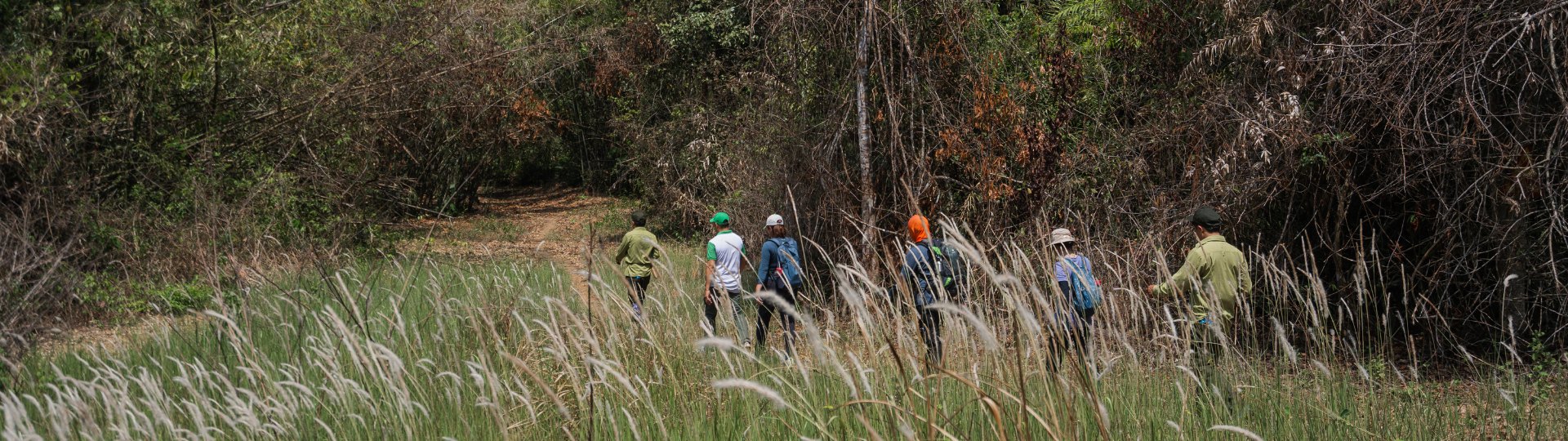
Across Vietnam’s forests, conservation is entering a new era - one shaped not only by urgency, but by innovation and collaboration. As biodiversity faces mounting pressure from habitat loss, illegal wildlife trade, and human encroachment, efforts to protect the country’s ecosystems are becoming increasingly diverse and interconnected. From advanced technologies like camera traps, artificial intelligence, and drones to community-led initiatives and cross-sector partnerships, a wide range of approaches is being deployed to better understand, monitor, and safeguard wildlife.
This article explores how these tools and initiatives are working together on the ground - revealing both the progress being made and the challenges that remain in protecting Vietnam’s biological diversity.
In Vietnam’s dense tropical forests, where much of wildlife remains hidden from view, camera traps have become an essential tool for conservationists. These motion- and heat-sensitive devices automatically capture images of animals as they pass, offering rare insight into species that are elusive, nocturnal, or difficult to track. Capable of detecting animals weighing over 500 grams moving in front of the camera’s sensor, the camera traps are particularly effective for monitoring mammals and ground-dwelling birds.
Since 2019, WWF Vietnam has deployed 1176 camera traps across 21 special-use and protection forests in 8 provinces and cities in Vietnam including Quang Nam, Quang Tri, Thua Thien Hue, Quang Binh, Lam Dong, Cuc Phuong National Park, Vu Quang National Park and Cat Tien National Park. With funding from USAID and in collaboration with the Ministry of Agriculture and Rural Development, this network is one of the largest of its kind in Southeast Asia, designed to monitor biodiversity and track changes in wildlife populations in Vietnam over time.
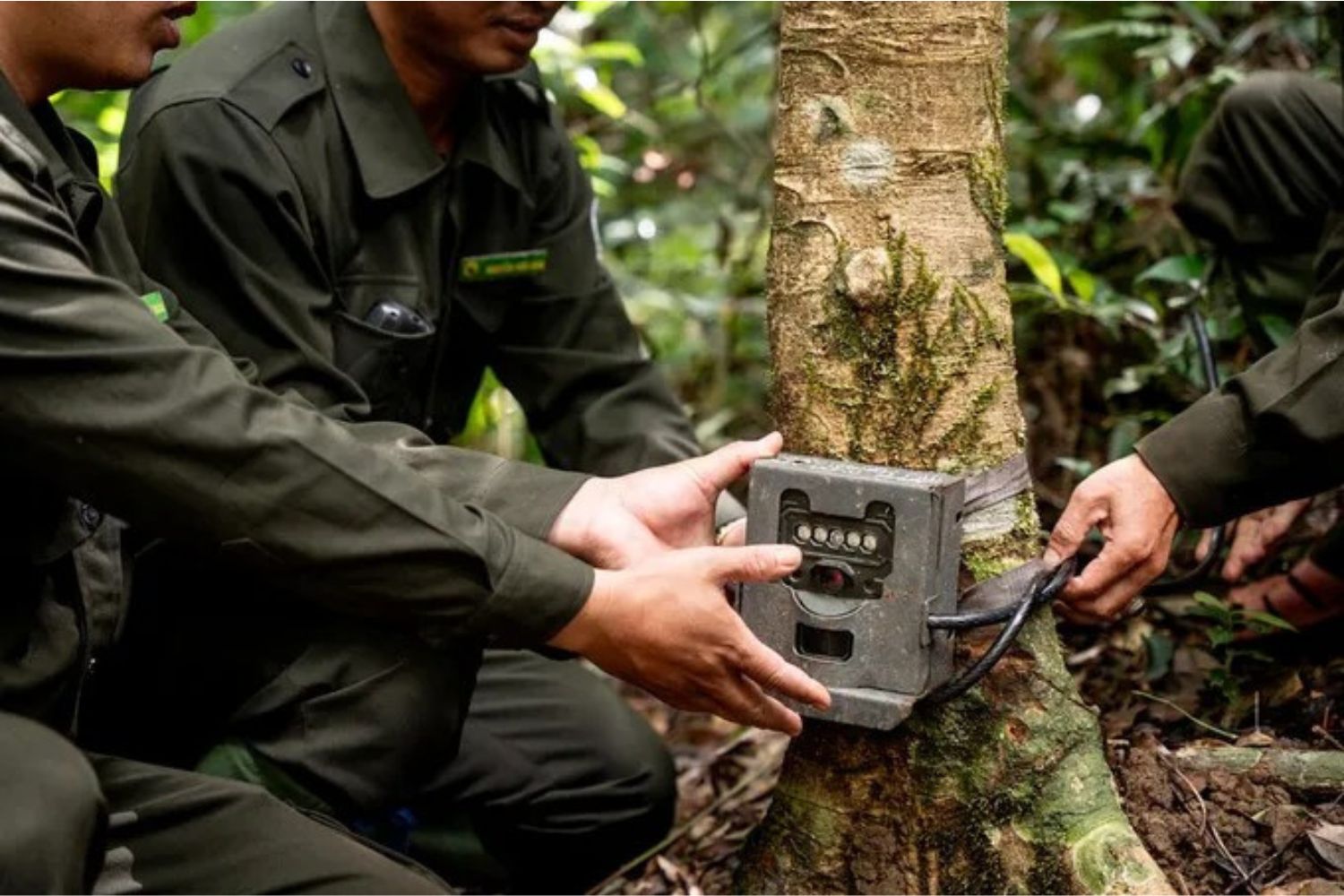
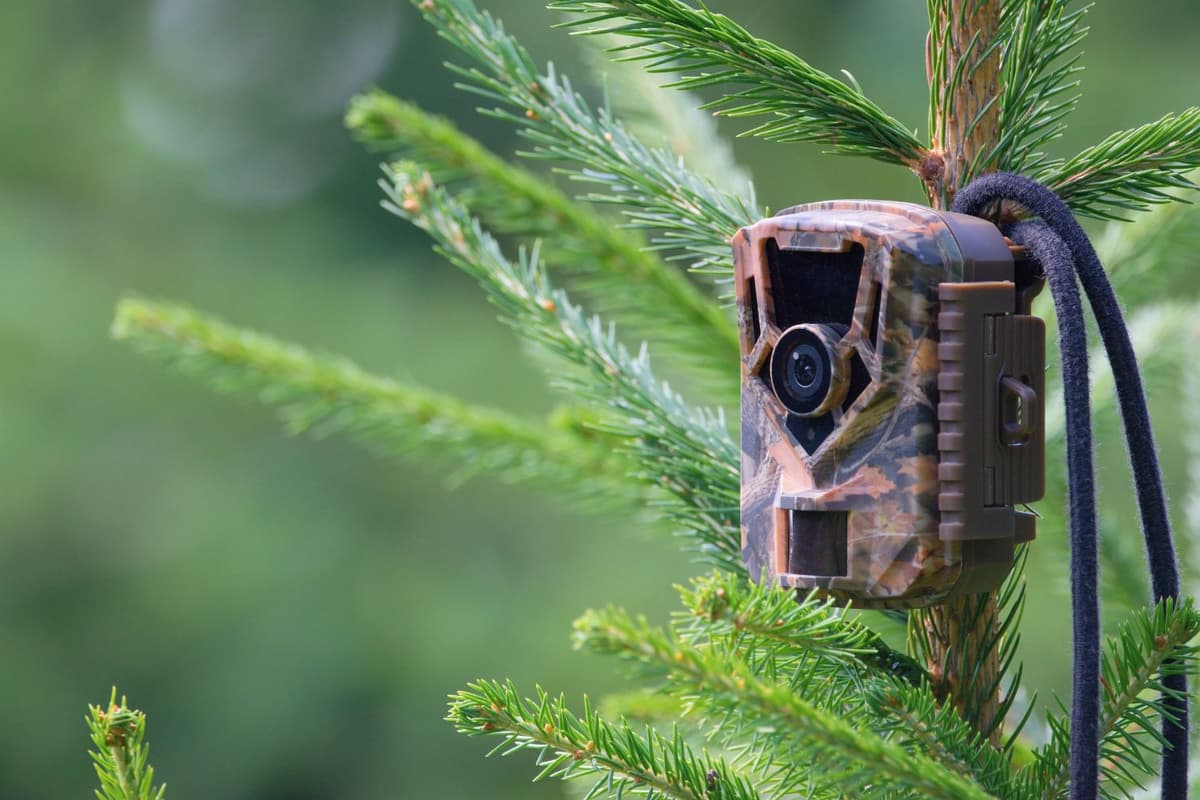
Installing a camera trap. Source: WWF Vietnam.
The results recorded between 2019 and 2023 are mixed. Data from more than 350,000 camera trap days show population increases in mammals and ground-dwelling birds at 16 of the 21 monitored sites. Over the five-year period from 2019 to 2024, the system captured over 120,000 animals in millions of images, including rare species such as the large-antlered muntjac, sun bear and large-spotted civet - some of the few confirmed sightings in Vietnam in decades. In places like Cat Tien National Park, pangolins have also shown signs of recovery.
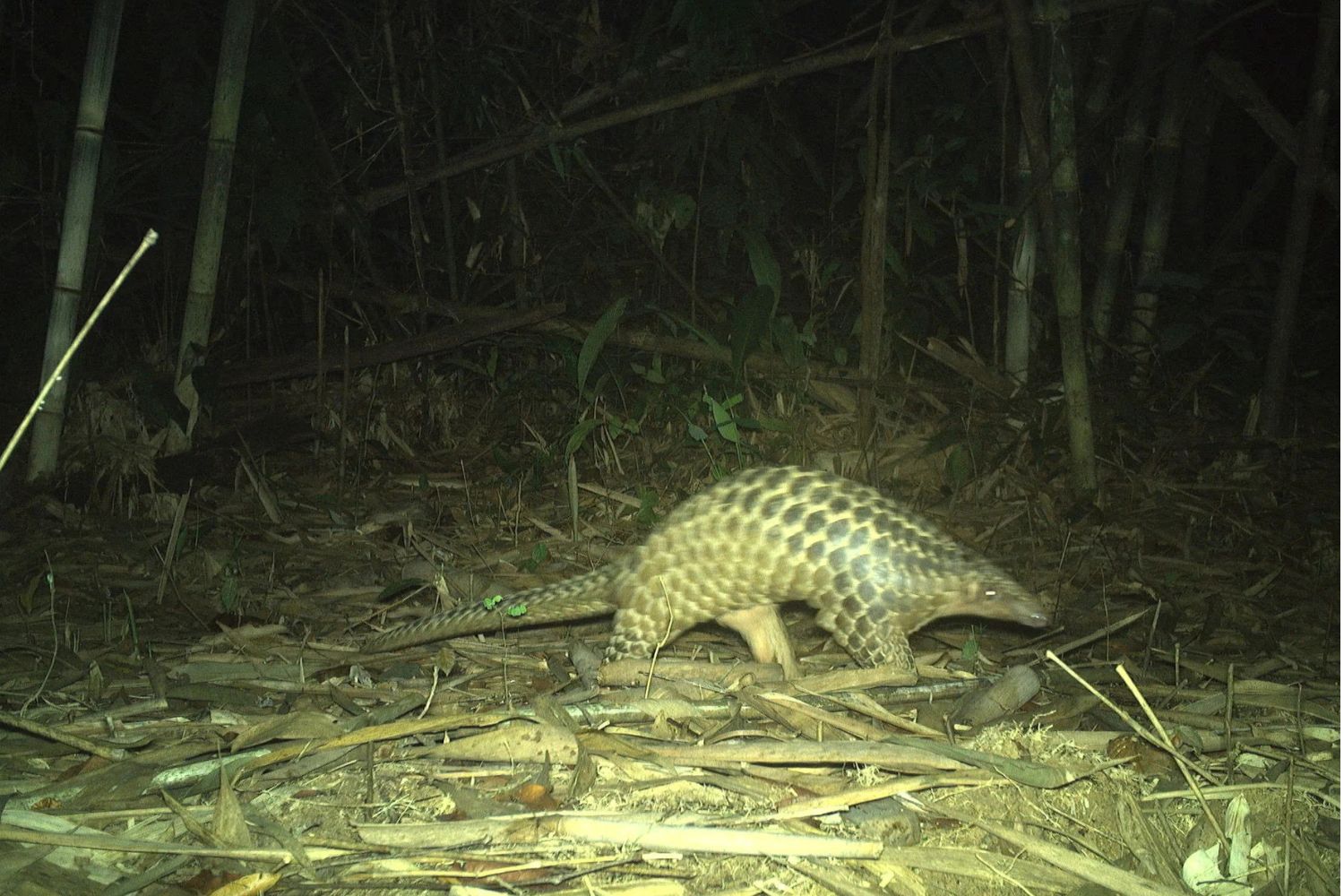
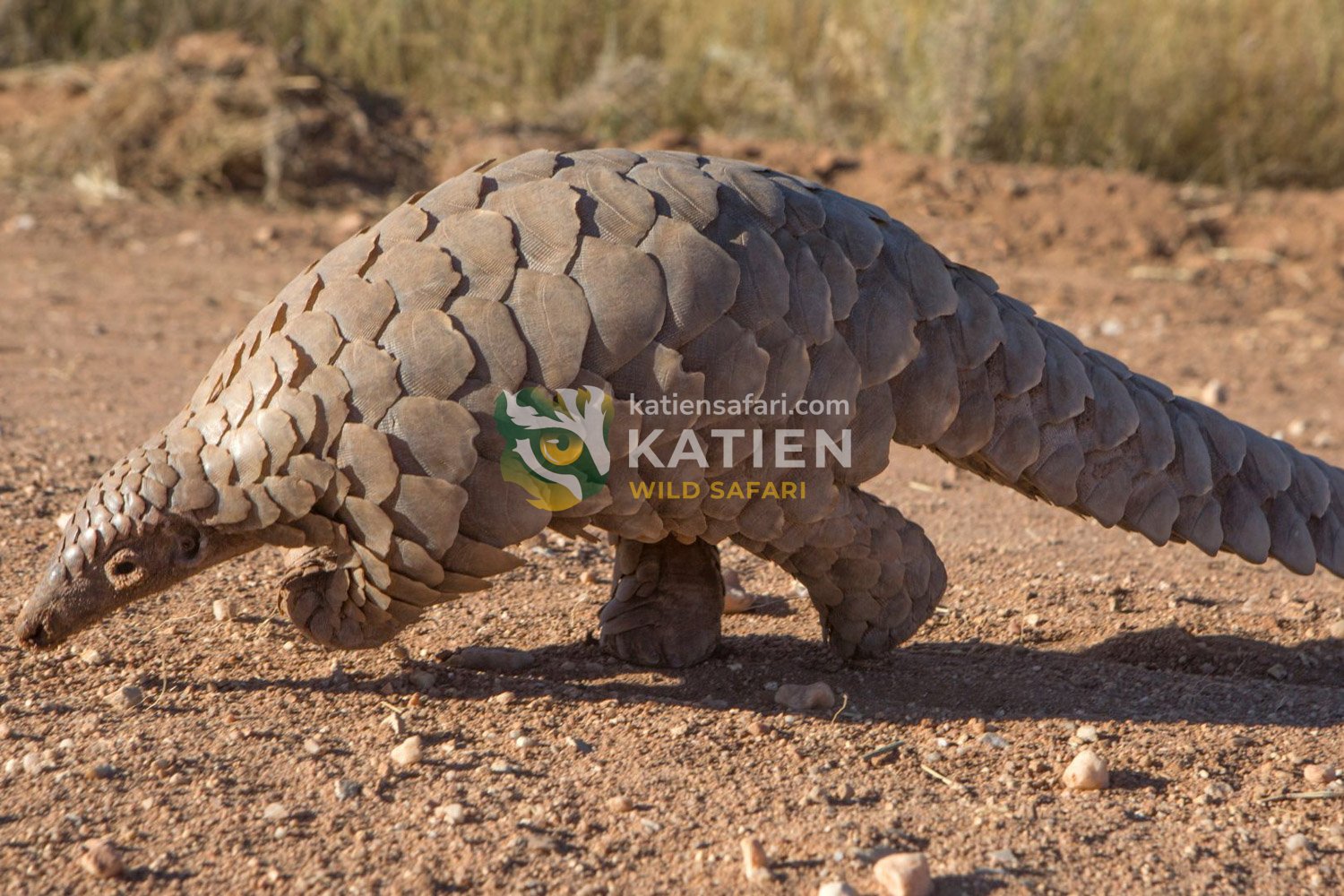
Pangolin sightings have increased in many areas, especially in Cat Tien National Park. Source: Znews.vn.
However, the widespread absence of larger carnivores and herbivores points to the lasting impact of snaring and hunting. While camera traps are helping build a critical scientific database for conservation, they also highlight a stark reality: Vietnam’s wildlife remains under severe pressure, and recovery will require sustained, large-scale protection efforts.
Artificial intelligence is adding a new layer of speed and precision to wildlife monitoring in Vietnam. Through platforms like Wildlife Insights, developed with support from Google, conservationists can now process vast volumes of camera trap data in a fraction of the time it once took.
Used by WWF Vietnam and its partners, the system applies AI-powered image recognition to automatically identify species from camera trap photos. What previously required hours of manual sorting can now be done in minutes, with accuracy rates of up to 98 percent.
One of the clearest examples comes from nationwide surveys led by WWF Vietnam. In recent large-scale biodiversity assessments between 2022 and 2025, millions of camera trap images collected across 21 protected areas were processed using Wildlife Insights. Instead of taking weeks or months to sort manually, the platform analysed these datasets rapidly, producing around 120,000 independent wildlife detections.
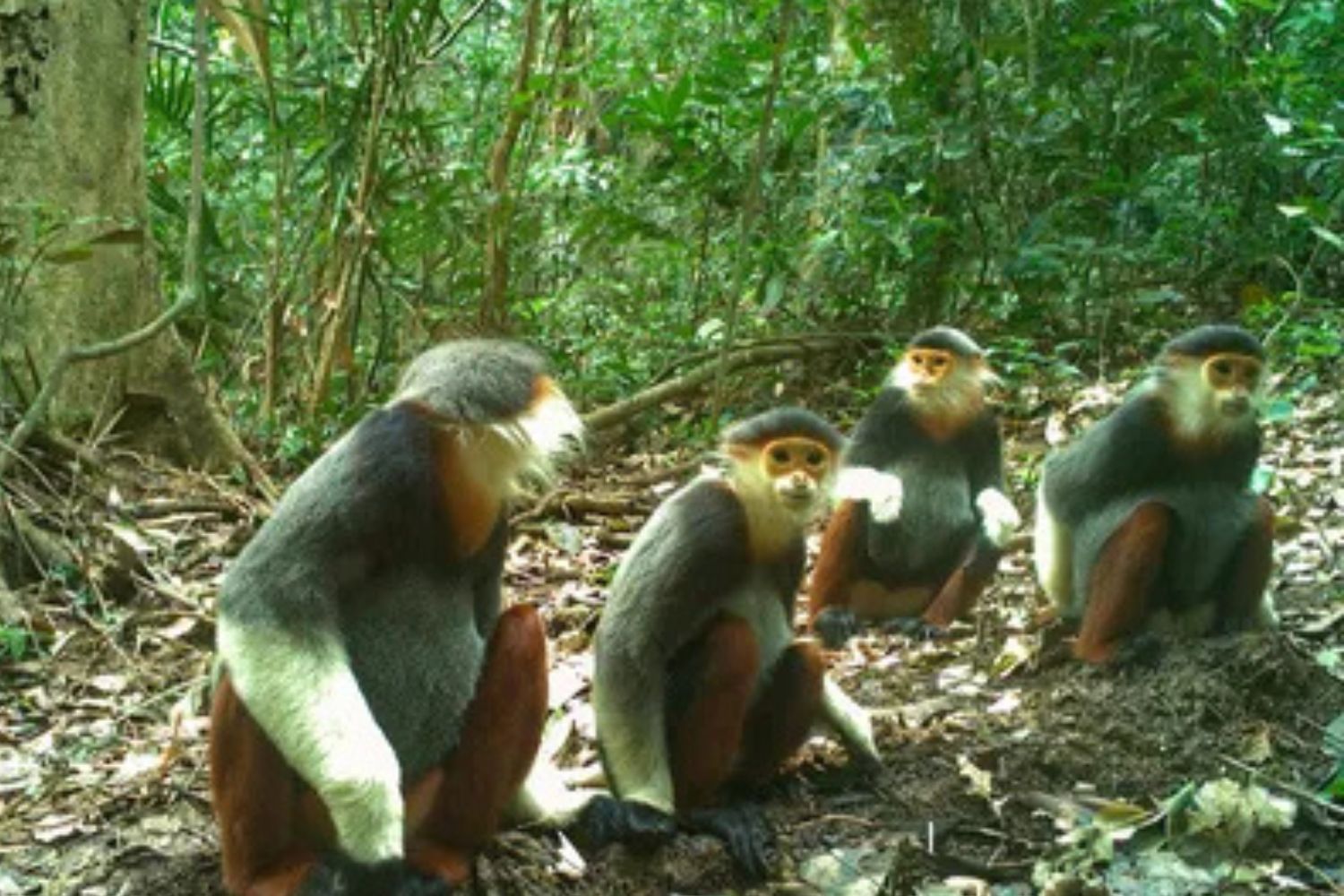
Red-shanked doucs captured by camera traps. Source: WWF Vietnam.
This technology is particularly valuable as camera trapping efforts continue to expand across Vietnam’s forests, generating millions of images. By rapidly filtering and classifying this data, Wildlife Insights allows researchers to focus on analysis rather than processing, accelerating everything from population assessments to threat detection.
As conservation increasingly relies on large-scale data, AI-powered tools like this are helping turn raw images into actionable insights, strengthening the ability to protect wildlife in a faster, more informed way.
In Cat Tien National Park, initiatives led in part by Katien Ranger Patrol are using live camera technology to bring wildlife into view in real time. Unlike camera traps, which capture still images when triggered, live cameras stream continuous footage, offering a 24/7 window into the deep forest. Installed across key habitats, this system forms a modern, mobile and non-invasive approach to track biodiversity.
The network - currently made up of six live cameras - records activity day and night, documenting species that are rarely seen by human observers. Footage has captured animals such as muntjac deer, gaur, green peafowl, yellow-cheeked gibbons and small-toothed palm civets, along with a wide range of birdlife. Beyond sightings, the real value lies in the consistency of the data: researchers can track active hours, frequency of appearance and behavioural patterns while also observing changes across seasons and locations. The system even logs human movement along forest trails, providing insight into the extent of human disturbance within protected areas.
A live cam positioned at the watering hole in Cat Tien National Park by Katien Ranger Patrol
This continuous stream of information is proving to be a reliable resource for ecological research and long-term conservation planning. At the same time, it serves another purpose - bringing wildlife closer to people. For many, encountering wild animals in their natural habitat is rare, if not impossible. Live cameras bridge that gap, making these moments accessible to schools, universities, researchers, local communities and audiences far beyond the forest.
The SMART platform (Spatial Monitoring and Reporting Tool) is a suite of software and analytical tools designed to strengthen wildlife protection by improving how data is collected, managed and used. This platform is built for conservation practitioners by standardising field data collection and streamlining analysis and reporting, which helps critical information move more efficiently from patrol rangers on the ground to decision-makers. What makes this tool stand out is that it can operate in both connected and offline environments, making it well suited to challenging forest conditions.
In Vietnam, SMART was first introduced in 2013 and has since become a key component of forest protection efforts. Its use was formalised in 2022, when the Ministry of Agriculture and Rural Development issued Decision No. 197/QD-TCLN-DDPH, establishing nationwide procedures for implementing the system across special-use and protection forests.
The platform has significantly modernised patrol and data management. Previously, patrol rangers relied on handheld GPS devices, paper forms and cameras, followed by manual data entry - a process that was slow and prone to errors. With SMART Mobile, data is recorded directly in the field using built-in functions such as GPS positioning, azimuth readings, altitude and speed tracking, along with the ability to attach photos to specific observation points.
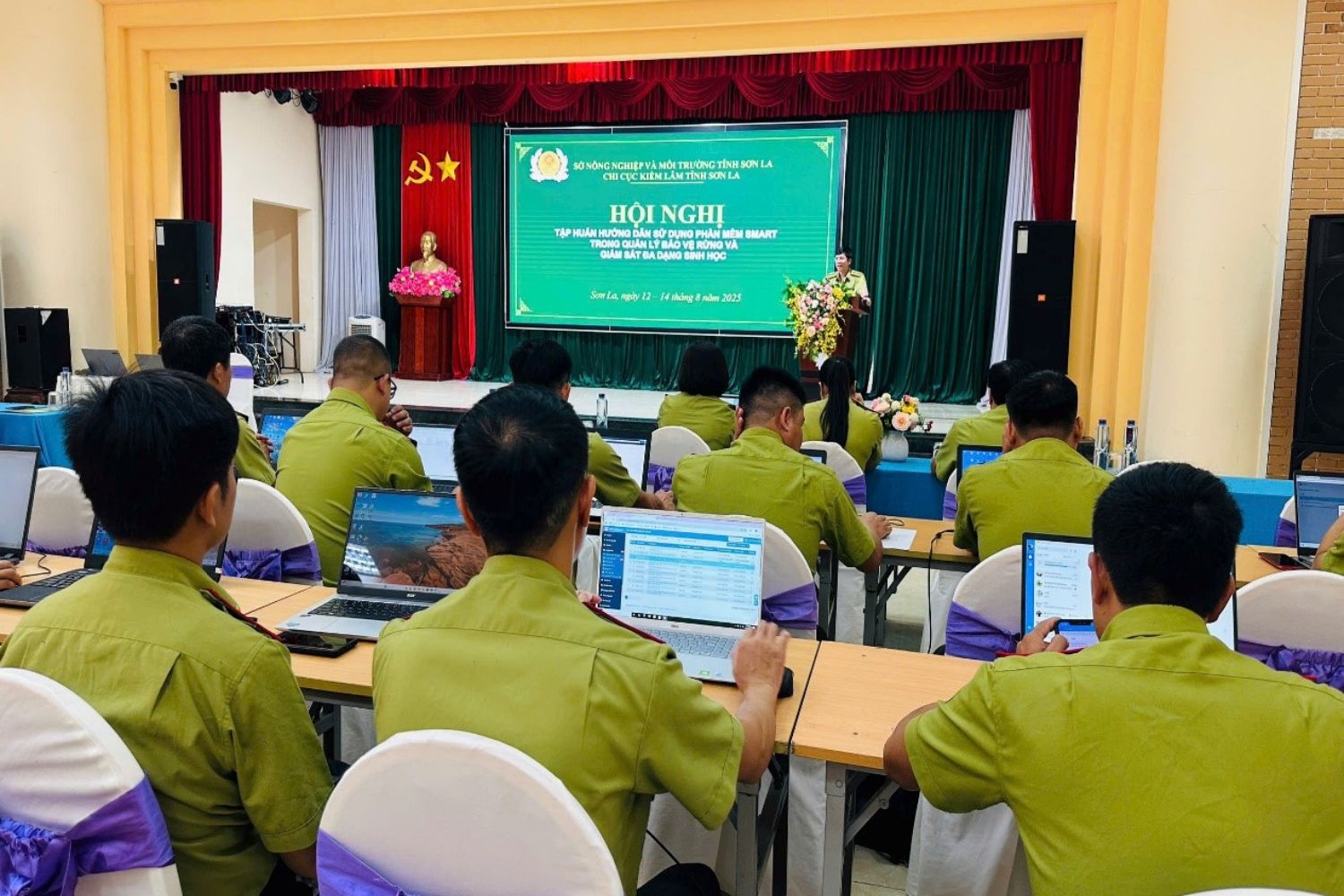
A SMART training session was held for patrol rangers in Son La province, Vietnam. Source: Son La provincial department of agriculture and environment.
Today, SMART is widely used in protected areas across the country including Cat Tien National Park, Cuc Phuong National Park, Vu Quang National Park, and Phong Nha - Ke Bang National Park, as well as numerous protection forests throughout central Vietnam. Together, these features have made forest patrols more efficient, accurate and responsive, strengthening efforts to protect Vietnam’s remaining wildlife.
Drones are emerging as a powerful tool in wildlife conservation. These devices can offer a fast, flexible and non-invasive way to monitor animals across difficult terrain. Equipped with thermal sensors, they can detect mammals even in dense forests or at night when body heat stands out against cooler vegetation. This in turn helps conservation teams to track movements in real time and respond quickly to potential threats.
In Vietnam, drones are increasingly integrated with radio-telemetry systems, enabling the tracking of animals fitted with VHF(Very High Frequency) tags. By collecting signals from the air, a single drone can monitor multiple individuals simultaneously - work that once required a full day of manual tracking on foot can now be completed in under two hours. This approach not only improves efficiency, but also minimises disturbance to wildlife and their habitats. In some areas, drones are also linked to AI-powered systems that send automatic alerts when animals enter high-risk zones.
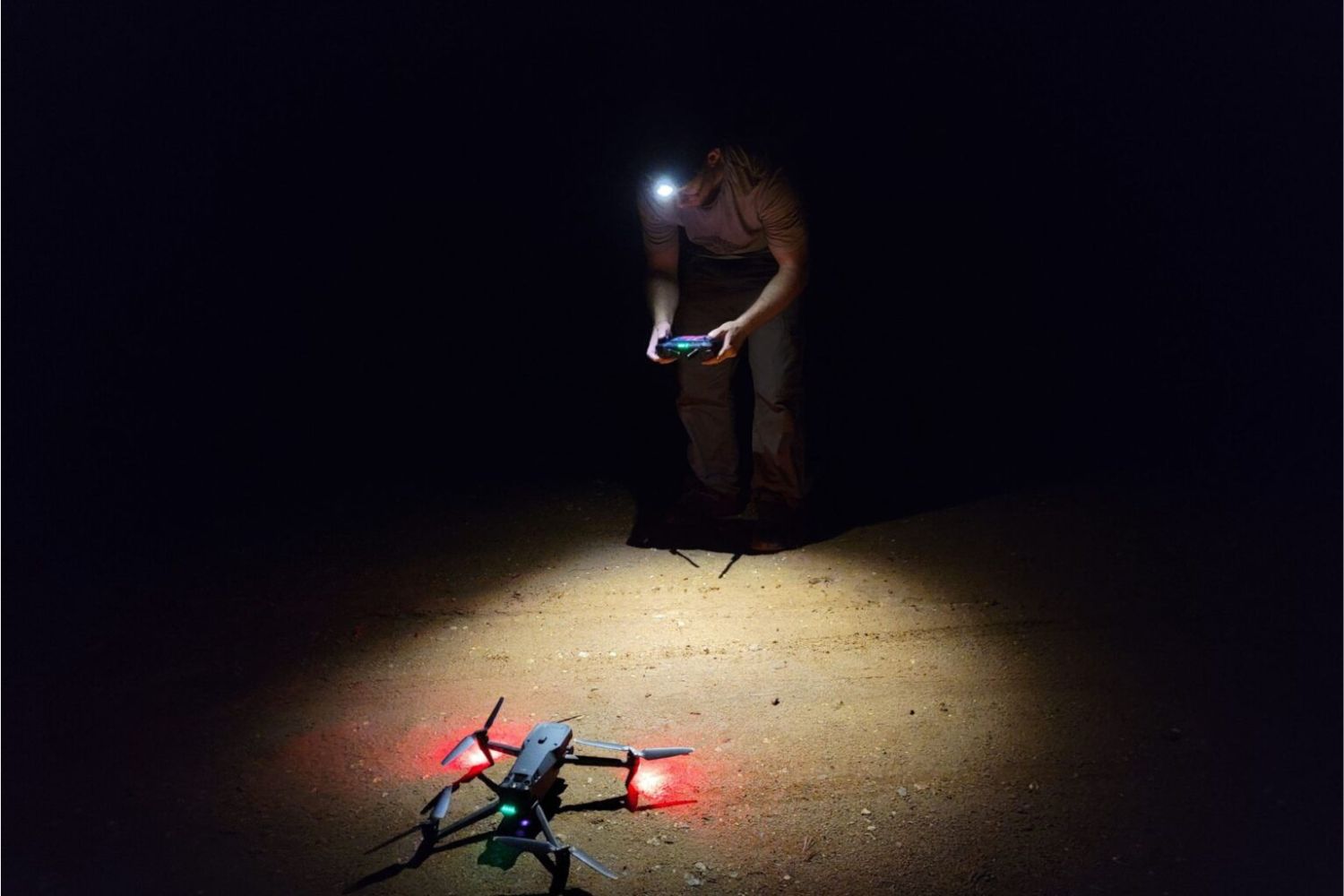
Thermal drones are emerging as a powerful tool in wildlife conservation. Source: Save Vietnam’s Wildlife.
One of the most notable applications of drones is in pangolin conservation in Vietnam. Since 2019, Save Vietnam’s Wildlife has partnered with Wildlife Drones to monitor rehabilitated pangolins after their release back into the wild. In the past, researchers often spent days navigating dense and rugged terrain to locate a single pangolin, with the risk of losing track of individuals altogether. Now, using drone-based radio telemetry, the team can track multiple individuals at once - something that was previously difficult with handheld equipment.
With drone support, monitoring has become faster and more accurate, significantly improving both data quality and conservation outcomes. To date, 24 pangolins have been tracked using this method, including extended monitoring of the Sunda pangolin for up to eight months - the longest recorded post-release monitoring period for the species globally. This breakthrough marks the first time drone technology has been used anywhere in the world to systematically monitor released pangolins, providing critical insight into their survival rates and behaviour in the wild.
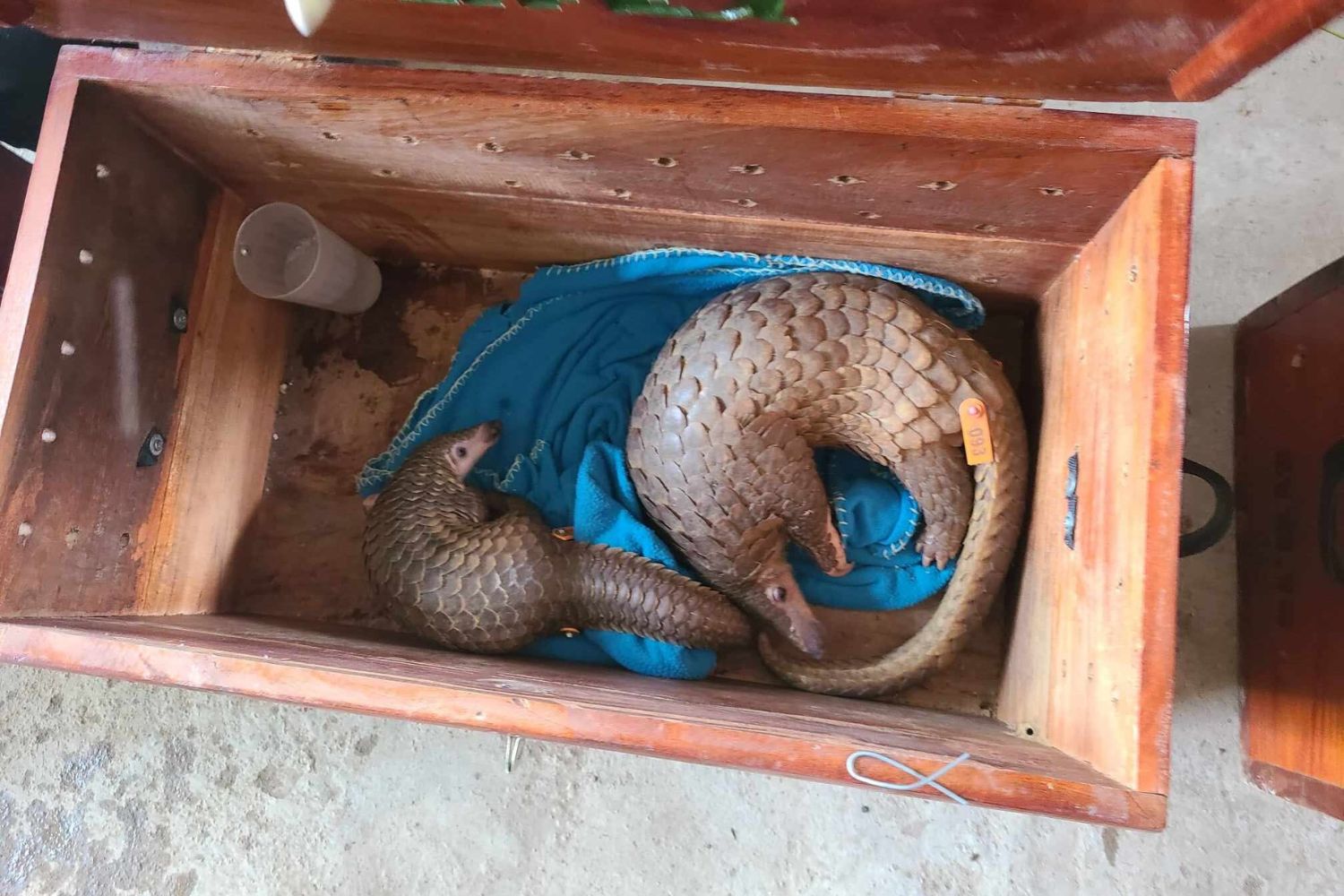
Two pangolins ready to be returned to the wild. Source: Russell Gray.
Also, in southern Vietnam, drones have been used to bridge the gap between conservation and human-wildlife coexistence. In Dong Nai, a population of just over 20 Asian elephants are frequently recorded to move between Cat Tien National Park and Dong Nai Culture and Nature Reserve. As habitat loss pushes elephants closer to human settlements, crop raiding and property damage in human habitations have become more frequent.
By using thermal drones to monitor elephant movements, patrol rangers can detect herds early and take timely action to guide them away from the residential areas. As Vietnam’s wildlife populations face increasing pressure, drone technology offers a more precise, efficient way to protect species on the brink of extinction as well as protect the livelihoods of the local community.
A multi-stakeholder working group was officially launched on June 16, 2023 at Cat Tien National Park, bringing together conservation leaders and local communities in a shared effort to protect biodiversity. Initiated by WWF Vietnam with support from USAID, this collaborative platform aims to bridge the gap between conservation goals and community livelihoods.
At its core, the initiative empowers buffer zone communities to play an active role in managing and safeguarding the Park’s ecosystems. By involving local residents, women’s unions, and the Park’s authorities, this group creates a space for open dialogue, joint problem-solving, and environmental education. Participants work together to address pressing challenges from balancing livelihood needs with conservation priorities to navigating policies such as forest environmental service payments.
Since its launch, the working group has fostered stronger connections among stakeholders, laying the groundwork for more inclusive and sustainable conservation efforts in Cat Tien.
Son La is home to a rich network of protected areas, including five nature reserves, one historical landscape protection site, one habitat conservation area, and 11 nationally recognized scenic sites. These ecosystems support a wide range of rare aquatic and terrestrial species in Vietnam. The province also has more than 26,500 hectares of water surface area, with annual aquaculture and capture fisheries production exceeding 9,000 tons.
To advance conservation efforts, the province collaborates with the Ministry of Agriculture and Environment Vietnam to implement key priority projects, including:
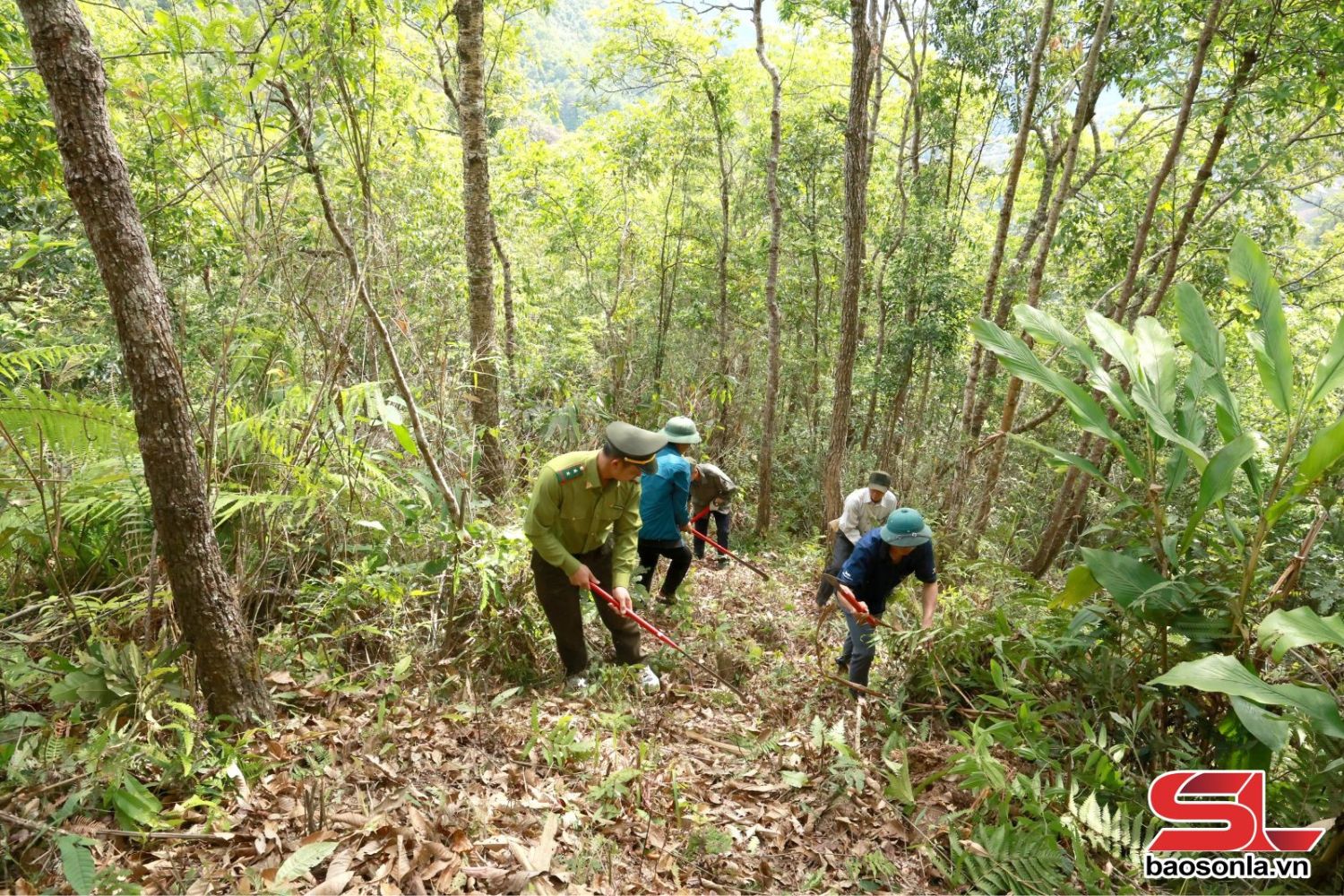
Rangers patrolling in Muong La Nature Reserve. Source: baosonla.vn.
To ensure feasibility, the Department of Agriculture and Environment will serve as the lead agency, responsible for coordination, advisory support, and implementation of priority projects. Meanwhile, provincial police, the Department of Industry and Trade and local authorities will strengthen patrols and enforcement to combat illegal wildlife trade in markets and other hotspots. What’s more, public awareness is also a key focus, with local media outlets expanding outreach programs including content in ethnic minority languages to promote conservation awareness across communities.
A unique partnership between GreenViet and Six Senses Ninh Van Bay is helping protect the endangered black-shanked douc langur while preserving the rich biodiversity of the Hon Heo Peninsula in Khanh Hoa Province.
Spanning more than 16,000 hectares, the Hon Heo Peninsula is bordered by the sea on three sides and connected to the mainland by a narrow land corridor - geographical features that contribute to its exceptional ecological value. However, this fragile ecosystem is increasingly under threat. For example, deforestation and habitat loss continue to shrink the Blank-shanked douc langur’s natural range while illegal wildlife trade remains a major driver of population decline. The species is often hunted for use in traditional medicine, particularly for “bone glue” (cao), placing further pressure on an already vulnerable population.
In response to these growing challenges, GreenViet has conducted detailed research on the species’ population size, structure, and distribution in Hon Heo. The organization maintains annual monitoring programs to track changes over time and respond quickly to emerging threats.
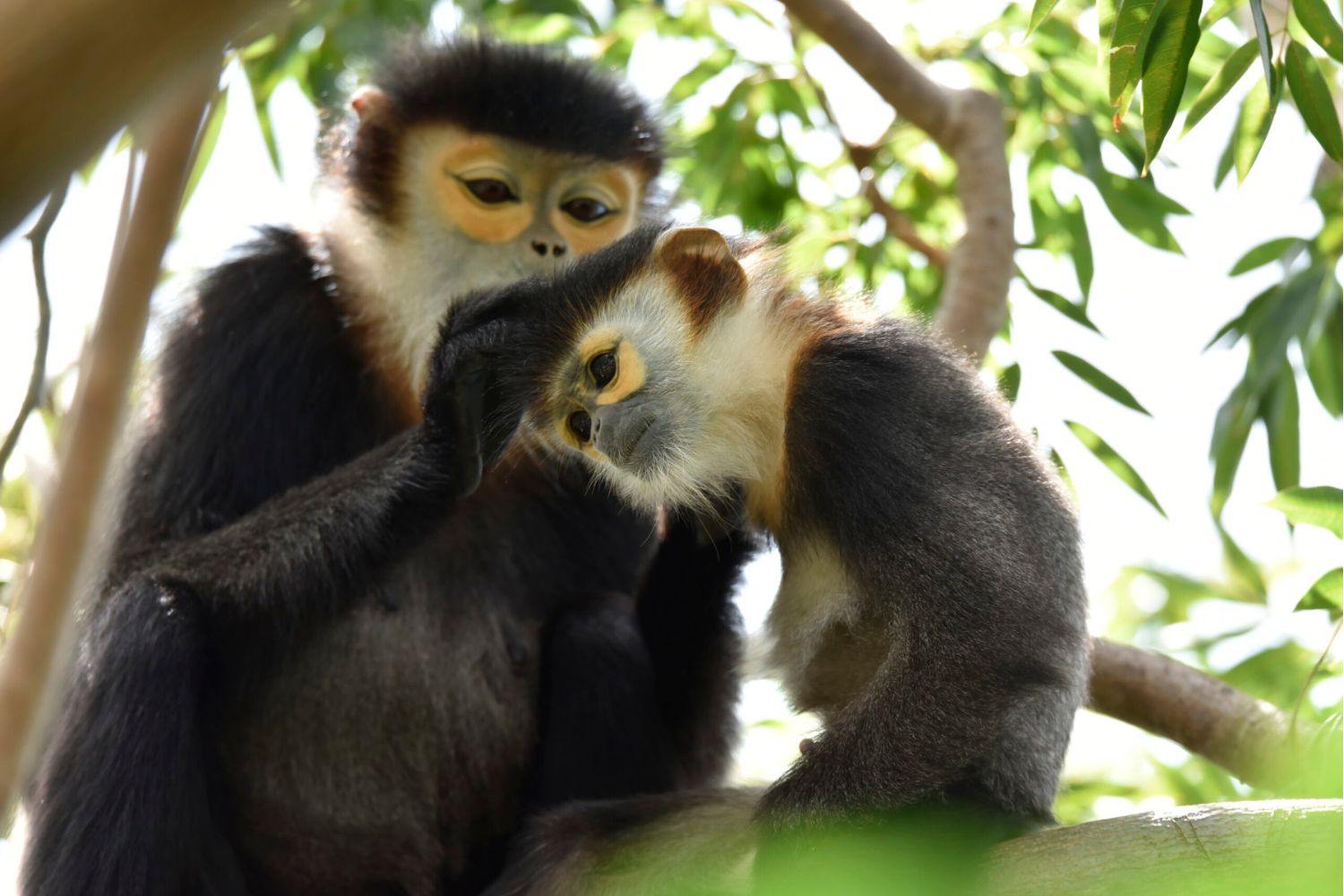
Black-shanked doucs at Six Senses Ninh Van Bay. Source: GreenViet.
This collaborative model, combining scientific research, long-term monitoring, and environmental education, aims to safeguard the ecosystem while raising conservation awareness among both local communities and travellers. As a result, around Six Senses Ninh Van Bay, the population of Black-shanked douc langurs has shown encouraging recovery, increasing from 109 to 211 individuals from 2019 to 2025.
The Chu Yang Sin Forest Guardian Award is an initiative led by WildAct in collaboration with Chu Yang Sin National Park, supported by Conservation Vietnam to recognize and honor those working on the frontlines of forest protection.
As one of Vietnam’s most threatened biodiversity hotspots, Chu Yang Sin National Park faces immense conservation challenges. With only around 100 dedicated patrol rangers responsible for safeguarding nearly 60,000 hectares of forest, this has proven to be an enormous responsibility that comes with constant pressure and risk such as encounters with illegal loggers and wildlife poachers. In 2018, a ranger in the park was injured by gunfire, and in early 2022, seven others narrowly escaped a life-threatening incident.
As deforestation and illegal wildlife hunting grow increasingly complex, the need to acknowledge and support forest protection forces has become more urgent than ever. The second season of the award expands its scope beyond patrol rangers to also recognise the vital contributions of the local communities - those who work tirelessly to protect the forests that are deeply intertwined with their livelihoods.
The Silent Forest campaign is a nationwide initiative led by Save Vietnam’s Wildlife, combining a traveling nature exhibition with a broad public awareness movement. The campaign is supported by singer Ha Anh Tuan as its ambassador.
Through a series of communication activities and community-driven projects, the campaign aims to educate the public, raise awareness and encourage active participation in preventing species extinction and restoring Vietnam’s ecosystems. Its core message is clear and urgent: End the use of wildlife - so the forests are no longer silent.
At its heart, Silent Forest seeks to shift social norms by promoting more responsible, nature-friendly behaviors and reducing demand for wildlife products. The campaign encourages individuals and communities to adopt more ethical choices, contributing to a broader cultural movement that respects and protects wildlife.
A wide range of activities has been implemented across the country, including:

A restaurant in Con Cuong, Nghe An pledged not to illegally trade, store, transport, process, or advertise wildlife and wildlife products. Source: Save Vietnam’s Wildlife.
The campaign also calls for concrete action through public commitments, urging individuals to boycott and report businesses involved in the captive breeding, promotion, and illegal trade of wildlife, supported by a dedicated hotline: 18001522 for reporting violations.
These efforts highlight a conservation landscape in Vietnam that is both innovative and collaborative. While technology is transforming how wildlife is monitored and protected, community engagement and partnerships remain essential to long-term success.
Despite encouraging progress, ongoing threats such as habitat loss and illegal wildlife trade continue to put pressure on the ecosystems. Sustained commitment across all sectors will be key to ensuring that Vietnam’s forests remain vibrant and full of life for generations to come.