About the Cat Tien Wildlife Rescue Center
Located within one of Vietnam's richest biodiversity hotspots, Cat Tien National Park is recognized by UNESCO as a World Biosphere Reserve. The park is home to countless rare and endangered species and plays a vital role in wildlife conservation and biodiversity protection across Vietnam.
Despite ongoing conservation efforts, illegal hunting and wildlife trafficking continue to threaten many species. Numerous animals arrive at the Cat Tien Wildlife Rescue Center after being injured, confiscated from the illegal wildlife trade, or rescued from captivity. Many have lost the survival skills needed to live independently in the wild.
To address these challenges, the Cat Tien Wildlife Rescue, Conservation and Development Center was established in 2005 within the national park, covering more than 66 hectares. The center features veterinary facilities, quarantine areas, and semi-wild enclosures where rescued animals receive medical treatment, recover their health, and gradually regain the natural behaviors needed before being released back into the forest.
Since its establishment, the center has rescued and successfully returned thousands of animals from more than 40 wildlife species to their natural habitats. In 2024 alone, it admitted over 190 rescued animals, with more than 180 successfully released back into the wild. The center also provides long-term care for several endangered primates, including the southern yellow-cheeked gibbon and the black-shanked douc.
Through specialized care and a recovery environment designed to closely resemble natural habitats, the center gives injured and displaced wildlife a second chance, helping them heal, rebuild their survival instincts, and ultimately return to the forests where they belong.
Facilities at the Cat Tien Wildlife Rescue, Conservation and Development Center
The center is divided into several specialized areas designed to rescue, treat, and rehabilitate wildlife after they are brought in. These include dedicated rescue facilities for bears and primates, along with functional zones such as animal enclosures, veterinary treatment areas, quarantine facilities, and semi-wild rehabilitation enclosures where animals gradually adapt and rebuild the skills needed for life in the wild.
Bear Rescue Area
The Bear Rescue Area is home to rescued sun bears, Asiatic black bears. Most of these animals were rescued after being kept illegally in captivity or injured in the wild.
When they first arrive, they receive medical treatment and special care to help them recover. Once they are healthy enough, they are moved to a semi-natural forest enclosure where they can slowly regain their natural behaviors, such as climbing trees, searching for food, and exploring their surroundings.
As their strength and survival skills improve, the animals are transferred to a larger semi-wild habitat to prepare for life in the wild. For those that are healthy and able to survive on their own, the final goal is to release them back into their natural forest home.
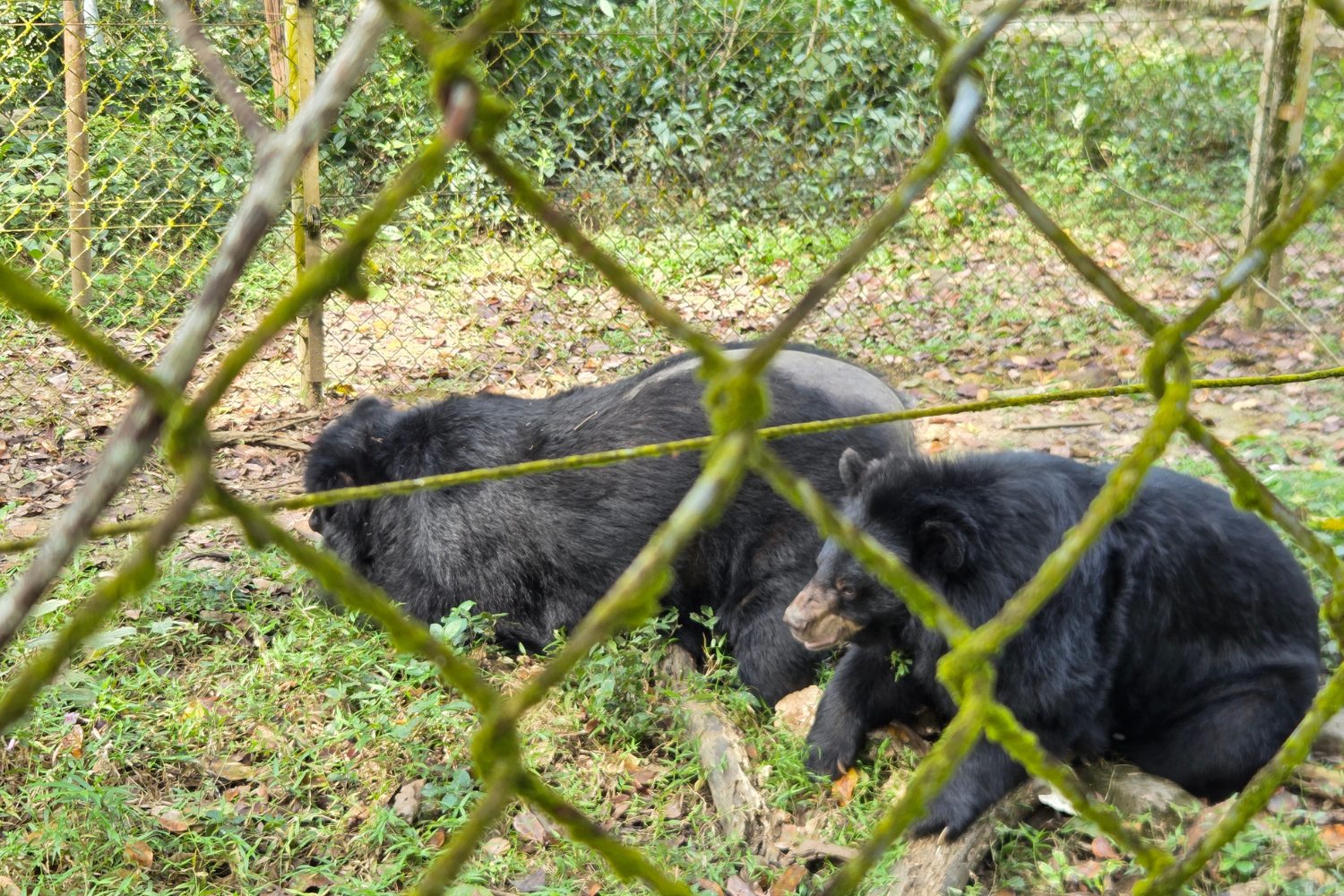
The bear in the semi-wild environment at the Cat Tien Rescue Center. Source: Tien Phong
Primate Rescue Area
The Primate Rescue Area provides care and rehabilitation for many endangered primates rescued from the illegal wildlife trade or injured by human activities. Many of these animals were once kept as pets, caught in traps, or rescued after suffering serious injuries.
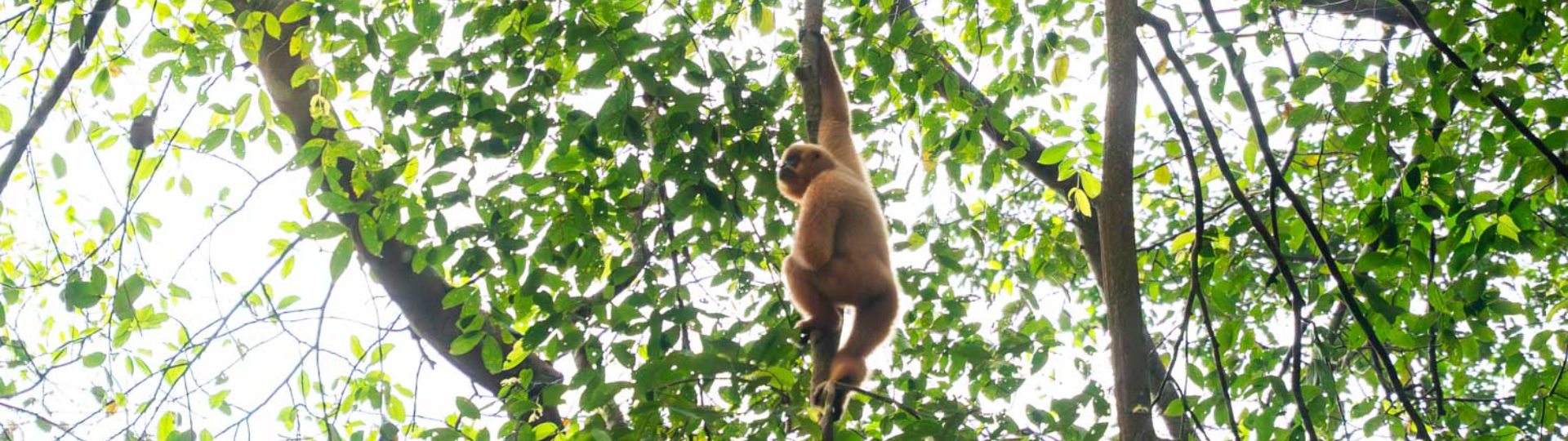
As you enter this area, you'll likely hear the distinctive calls of the southern yellow-cheeked gibbon echoing through the forest, one of the most iconic sounds of Cat Tien National Park. Here, the rescue team carefully monitors each animal's health, provides a balanced diet, and creates an environment that helps them gradually regain their natural behaviors.
One of the center's most heartwarming success stories is a southern yellow-cheeked gibbons that was successfully released back into the wild. Instead of moving far away, it chose the towering tung trees near the rescue area as its new home and even started a family there. If you're lucky, you may spot this gibbon family swinging gracefully through the treetops, a living reminder that rescued wildlife can truly find its way back home.
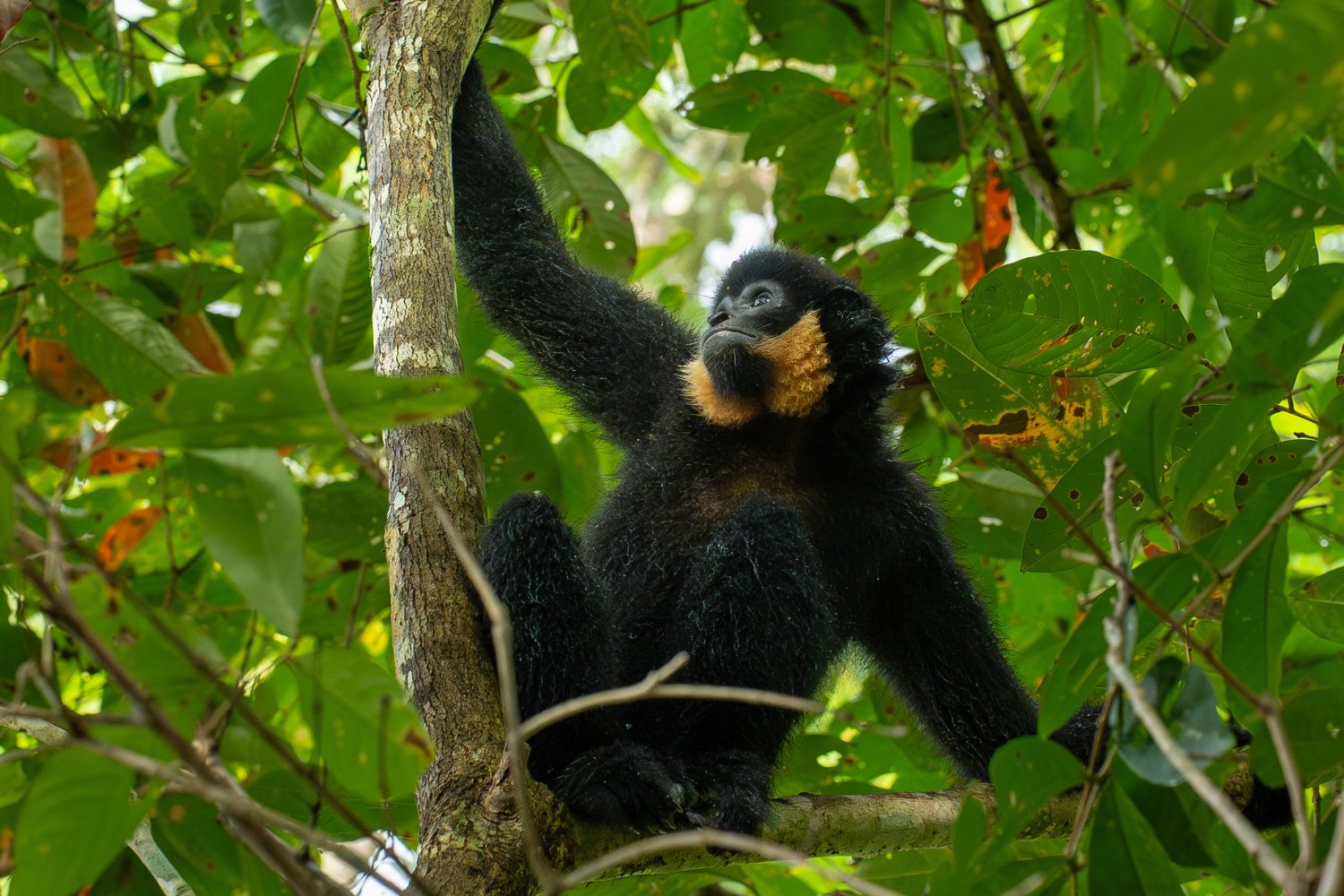
The yellow-cheeked gibbons at the rescue center have gradually adapted to the natural environment, climbing among the high tree canopies.
Rescue Area for Other Endangered Wildlife
This area cares for a wide variety of endangered wildlife rescued by Cat Tien National Park. Many of the animals here were confiscated from the illegal wildlife trade, rescued from illegal captivity, or found injured after being caught in traps in the forest.
During your visit, you may see species such as the elongated tortoise, great hornbill, reticulated python, Siamese crocodile, wildcat, Nepal fulvetta, pheasants, and many other rare animals.
One of the center's most remarkable rescue efforts involves the Sunda pangolin, one of the world's most threatened mammals. Many rescued pangolins arrive with severe injuries caused by wire snares, including broken or missing limbs, deep wounds, and serious infections. Some are even found with metal wires tightly wrapped around their necks. Thanks to intensive veterinary care and long-term rehabilitation, many have recovered successfully and have been released back into the wild.
The center also rescues and rehabilitates freshwater turtles, tortoises, otters, and many other native species. In some cases, otters wander into nearby communities while searching for food. Local residents often notify park rangers, allowing the animals to be rescued safely and returned to suitable habitats.
Every rescued animal represents another step toward protecting Cat Tien's extraordinary biodiversity. Through rescue, rehabilitation, and public education, the center helps ensure that endangered wildlife has a better chance of surviving in the wild while inspiring visitors to support conservation efforts.
How Rescued Animals Return to the Wild
Every rescued animal at the center follows a carefully planned rehabilitation process before it can return to the forest. The process includes five main steps: rescue and admission, veterinary treatment, daily care, rehabilitation in semi-wild enclosures, and finally, release into the wild.
After arriving at the center, each animal receives medical treatment and dedicated care. As its health improves, it is moved to a semi-natural environment where it can rebuild its strength and relearn important survival skills, such as finding food, avoiding predators, and adapting to life in the wild. Only animals that are healthy and able to survive independently are considered ready for release.
Before release, many endangered animals are fitted with a microchip or a GPS tracking collar. These devices allow conservation staff to monitor the animals remotely after they return to the forest, helping them track their movements, behavior, feeding habits, and how well they adapt to their natural habitat.
Monitoring animals after their release is an essential part of wildlife conservation. The information collected helps the rescue team understand whether each animal has successfully returned to life in the wild and provides valuable knowledge to improve future rescue, rehabilitation, and release programs.
Cat Tien Wildlife Rescue - Where Wildlife Finds Its Way Home Again
Every animal that arrives at the Cat Tien Wildlife Rescue, Conservation and Development Center has a story. Some were injured after being caught in traps, while others were rescued from illegal captivity or the wildlife trade. At the center, they receive medical treatment, dedicated care, and the time they need to recover in an environment that closely resembles their natural habitat. For those that regain the strength and skills to survive on their own, the ultimate goal is to return to the forest where they belong.
Beyond rescuing individual animals, the center also plays an important role in protecting endangered species through conservation breeding, scientific research, and post-release monitoring. Environmental education programs help visitors and local communities better understand the importance of biodiversity and why protecting wildlife matters.
Every successful rescue and release is more than a second chance for one animal, it also helps preserve the rich ecosystem of Cat Tien National Park. That is the mission the center continues to pursue: giving wildlife the opportunity to return to the natural home where it truly belongs.
Visitor Guide to the Cat Tien Wildlife Rescue, Conservation and Development Center
How to Get to the Center
The Cat Tien Wildlife Rescue, Conservation and Development Center, including the Bear Rescue Area and other wildlife rehabilitation facilities, is located near the main headquarters of Cat Tien National Park, right next to the Cat Tien Nature Museum.
To visit the center, you'll first need to purchase an entrance ticket to the national park and take the ferry across the Dong Nai River. The center is just a short distance from the ferry terminal. You can reach Cat Tien National Park by either private car or coach bus.
- By private car: From Ho Chi Minh City, follow National Highway 20 toward Tan Phu. At Ta Lai Junction, turn left and continue for about 13 km. Then turn right onto the road leading to Nam Cat Tien. The journey takes approximately 3.5 hours, depending on traffic.
- By coach bus: From Mien Dong Bus Station in Ho Chi Minh City, you can take a direct coach to Nam Cat Tien Bus Station. Alternatively, take a bus to Tan Phu, then continue to the national park by taxi, motorbike rental, or other local transportation.
The Cat Tien Wildlife Rescue Center ticket
To visit the Wildlife Rescue Center at Cat Tien National Park, visitors must first purchase an entrance ticket to the park. Tickets can be bought at the ticket counter near the main gate. You can also purchase tickets for the Wildlife Rescue Center and the Nature Museum at the same location. The park entrance ticket includes one round-trip ferry transfer to enter and exit the park. Other services are not included.
The Cat Tien National Park entrance fees:
- Adults (16 years old and above): 60,000 VND per person
- Students (with valid student card or school letter): 20,000 VND per person
- Children (under 16 years old): 10,000 VND per person
The Cat Tien Wildlife Rescue Center & Nature Museum ticket:
- Adults: 50,000 VND per person
- Children under 1.5 meters in height: 25,000 VND per person
During your visit, please do not feed the animals. Feeding can affect their health and natural behavior. Visitors should also avoid making loud noises or using flash photography, as this may stress the animals. By respecting this code of conduct for wildlife viewing, you help protect endangered species and support long-term conservation efforts.
Suggested activities to explore Cat Tien National Park
Since your ticket to the Wildlife Rescue Center already includes entry to the Nature Museum, it is a good idea to visit the museum on the same day. The museum helps you better understand the park’s biodiversity before or after exploring the rescue center.
Below are some recommended activities to make your trip more complete:
- Night safari tour in Cat Tien National Park: This special tour allows visitors to observe wild animals at night by using an open-roof specialized vehicle. It is a unique chance to see deer, wild boars, and other nocturnal animals in their natural habitat.
- Bau Sau (Crocodile Lake) trekking Tour: Bau Sau is a famous wetland area located about 14 km from the park center. The first 9 km can be traveled by car or bicycle, while the remaining 5 km is a forest trail that must be explored on foot. The lake is famous for its rich ecosystem, where you may see water birds, monkeys, deer, and other wildlife. Sunrise and sunset here are especially peaceful and beautiful.

The natural landscape of Bau Sau (Crocodile Lake).
- Cycling around the Cat Tien National Park: Visitors can rent bicycles at the park’s management office after crossing the ferry. Cycling is a relaxing and eco-friendly way to explore ancient trees and forest trails.
- Camping at Cat Tien National Park: Visitors can set up tents under the forest canopy and enjoy a peaceful atmosphere. During the day, you can relax on the grass, listen to birds singing, and feel the fresh forest breeze. At night, the forest becomes lively with the sounds of insects and frogs.
- Tropical forest routes: There are different forest routes depending on your time and interest. Some shorter routes, such as the ancient Tung tree, Go tree, and Ben Cu Rapids trail, are about 3 km long and take around 1 hour. Longer routes, such as the 16 km trail to the Giant Banyan Lake, take about 3.5 hours.
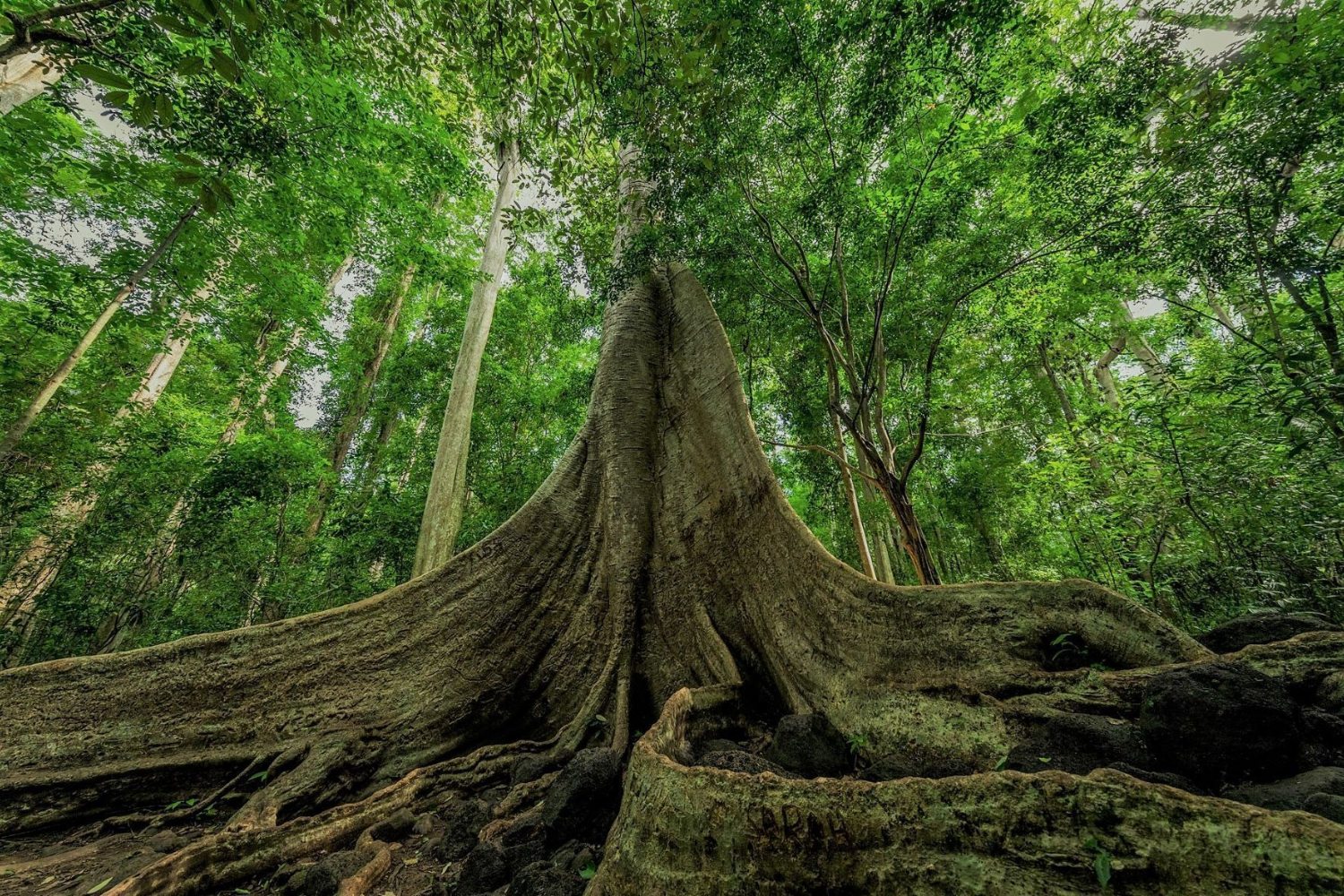
You can trek to the ancient Tung tree to witness its massive size. Soure: The Cat Tien National Park
- Ma ethnic village and Ta Lai rice fields: The Ma ethnic village and Ta Lai rice fields tour is a 12 km route that takes about 2.5 hours to complete. During the visit, travelers can explore the lifestyle, customs, and traditions of the Ma and S’tieng ethnic groups.
Values of the Wildlife Rescue Center at Cat Tien National Park
The Wildlife Rescue Center plays a vital role in rescuing, rehabilitating, and protecting endangered species in Vietnam. Many animals arrive injured or weak due to illegal hunting and wildlife trade. With professional care, they are treated, regain their natural instincts, and, when possible, are released back into the wild to support ecosystem recovery and reduce extinction risks.
The center also promotes anti-poaching education and builds community awareness through visitor programs and training activities. In addition, it supports breeding and conservation for species like the Siamese Crocodile Crocodylus siamensis and Sunda Pangolin Manis javanica.
Overall, it is not only a rescue facility but also a safe place that improves animal welfare and gives endangered wildlife a second chance to return to nature.