Every year, thousands of animal traps are removed from forests across Vietnam. Behind seemingly simple wire snares and steel traps lie countless stories of wildlife suffering severe injuries, dying slow and painful deaths, or disappearing entirely from their natural habitats.
Once used as a means of survival, animal traps have now become one of the leading causes of wildlife population decline. This article explores the most common types of animal traps, their devastating impacts on biodiversity, and the conservation efforts being implemented in Cat Tien National Park to combat illegal wildlife hunting.
Animal Traps: From a Means of Survival to a Threat to Biodiversity
Animal traps are devices designed to capture, restrain, or kill animals through automatic triggering mechanisms. They are among humanity's oldest hunting tools, dating back to prehistoric times when early humans relied on hunting for food and survival.
Throughout history, traps served many purposes. Besides providing food, they were used to obtain fur and hides for trade and to control species considered harmful to agriculture. In many parts of the world, trapping played an important role in local livelihoods for centuries.
Today, however, animal traps exist in two very different forms.
On one hand, wire snares and homemade traps have become the preferred tools of illegal poachers. These indiscriminate devices can injure or kill virtually any animal that encounters them, from common species to some of the world's most endangered wildlife.
On the other hand, modern trapping techniques have become valuable tools for conservation. Wildlife biologists and park rangers use live cage traps to rescue, relocate, or monitor animals, while camera traps allow researchers to observe wildlife and study animal behavior without disturbing their natural habitats.
As a result, traps are no longer solely associated with hunting, they have also become an essential component of modern wildlife conservation.

Forest rangers dismantle thousands of illegal traps to protect wildlife.
Common Types of Animal Traps
Historically and today, animal trapping methods can be divided into two main groups: live-capture traps and kill traps.
Live-Capture Animal Traps
These traps are designed to restrain or hold an animal in one place until the hunter returns. However, if they are not checked regularly, trapped animals may slowly die from hunger, thirst, infection, or even bite off their own limbs in an attempt to escape.
1. Leghold Traps
Leghold traps, also known as foot-hold traps, are usually made of steel. Their basic structure includes two metal jaws, a spring mechanism, and a trigger plate in the center. When an animal steps on the plate, the jaws snap shut and clamp tightly around its foot or lower leg.
These traps are often used to target medium and large mammals such as foxes, coyotes, raccoons, wild boars, deer, bears, and gaur. In Vietnam, some leghold traps are modified with sharp teeth and stronger springs, causing severe injuries to wild animals.
Some modern versions use offset jaws, rubber-padded jaws, or double jaws to reduce the risk of crushing bones. In the Saola Nature Reserve in Thua Thien Hue, authorities removed 225 leghold traps between 2014 and 2019.
2. Snares / Wire Traps
Snares are among the most common and dangerous types of animal traps. They are often made from steel wire, electrical wire, or bicycle brake cables, shaped into a tightening loop and placed along animal trails, near water sources, or in areas where wildlife frequently passes through.
When an animal is caught, the loop tightens around its neck, leg, or body. The more it struggles, the deeper the wire cuts into its flesh, causing suffocation, open wounds, infection, and eventually death.
The greatest danger of wire snares lies in their indiscriminate nature. They can catch anything from small animals such as rabbits, civets, and squirrels to endangered species such as saola, tigers, elephants, wild cattle, and gorillas.
Because snares are cheap, easy to make, and simple to set, hunters can place hundreds or even thousands of them in forests, creating what conservationists often call “snare carpets” or “ghost nets on land.”
An estimated 12.3 million snares are threatening protected areas across Vietnam, Laos, and Cambodia. In Pu Mat National Park, more than 15,000 snares have been collected since 2018. In saola habitats, nearly 120,000 snares were removed between 2011 and 2021, helping reduce snare numbers by about 37%. In Cat Tien National Park alone, rangers remove an average of 4,400 - 5,000 snares each year, with some years recording as many as 15,600 traps.
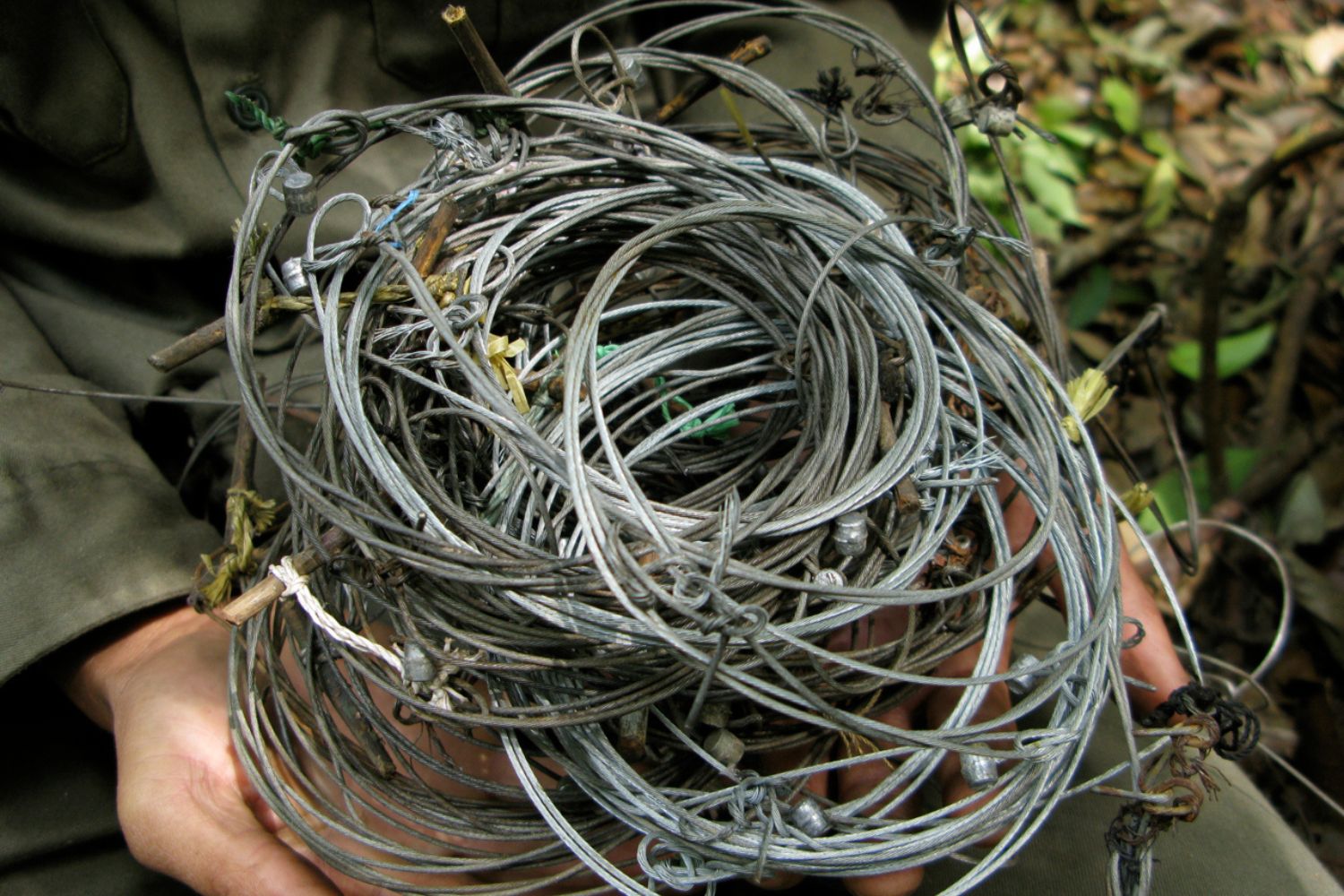
Hidden wire loops strangle wildlife when they walk through.
3. Cage Traps / Box Traps
Cage traps or box traps are built in the form of a metal cage or enclosed box. Bait such as fruit, fish, or meat is placed inside. When an animal enters and touches the trigger plate, the door shuts, keeping the animal inside without directly injuring it.
These traps are commonly used to capture small and medium-sized mammals such as civets, squirrels, monkeys, porcupines, rats, or feral cats. Compared with leghold traps and wire snares, cage traps are considered more humane because they do not tighten, clamp, or break limbs.
In conservation, cage traps are used to rescue and relocate animals or fit them with GPS collars for research.
Today, some smart cage-trap systems are equipped with cameras, sensors, IoT technology, and artificial intelligence. These systems can identify the target species before closing the trap and send images, timestamps, and GPS coordinates to forest rangers for timely action.
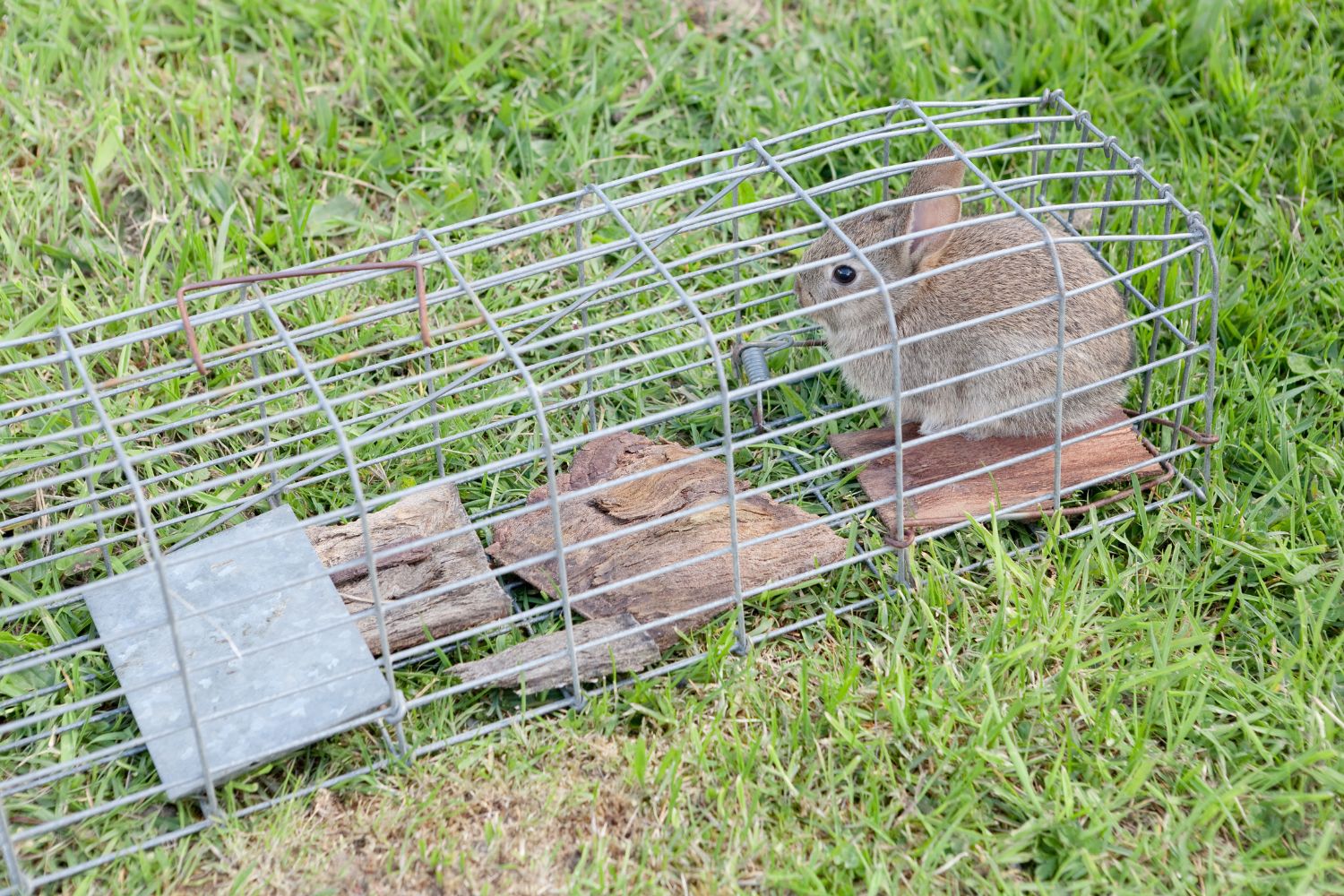
Enclosed cages that capture animals alive without direct injury.
Animal Kill Traps
Unlike live-capture traps, kill traps are designed to kill an animal as quickly as possible. They are commonly used in North America and parts of Europe for fur harvesting and pest control.
1. Body-Gripping Traps (Conibear Traps)
Body-gripping traps, commonly known as Conibear traps, were invented in the late 1950s by Frank Conibear. They consist of two square steel frames connected by powerful springs with a trigger mechanism positioned in the center.
When an animal passes through and touches the trigger, the frames snap shut with tremendous force around its neck or chest. The impact crushes the spine, compresses the airway and major blood vessels supplying the brain, causing the animal to lose consciousness quickly before dying.
Conibear traps are manufactured in various sizes, from models designed for muskrats and martens to larger versions capable of killing beavers and otters. Due to their immense clamping force, they can also be fatal to domestic dogs and cats if accidentally triggered. For this reason, trappers must use specialized setting tools and safety catches, as the trap can cause severe injuries if it snaps onto a person's hand.
2. Deadfall Trap
Deadfall traps are among the oldest hunting methods ever developed by humans. They work by supporting a heavy rock or log with a trigger mechanism. When an animal disturbs the bait, the support collapses, causing the heavy object to fall and crush the animal beneath it.
These traps are typically used to catch rodents and other small mammals. To be effective, the weight of the falling object should be at least three times heavier than the target animal. If poorly designed, the trap may seriously injure rather than kill the animal immediately, resulting in prolonged suffering.
Today, deadfall traps are primarily found in wilderness survival guides and bushcraft training. In many countries, their use is restricted or prohibited due to concerns over animal welfare and the potential risks they pose to people.

Falling logs instantly crush animals underneath.
Unique Destructive Animal Traps Found in Vietnam
The "bẫy đú" is a traditional trap commonly found in the forests of Central Vietnam and the Central Highlands. It is typically constructed from bamboo, rattan, or wire mesh and forms a long tunnel-like structure with multiple chambers and one-way passages resembling a maze.
These traps are placed along dry streambeds, forest trails, or wildlife corridors. Once an animal enters in search of food or a way through, the internal structure allows it to move only deeper into the trap, preventing any escape.
According to many forest rangers, the bẫy đú is among the most destructive types of traps used in Vietnam. It captures not only small mammals but also snakes, monitor lizards, frogs, birds, and many other forest-dwelling species. Because it is completely indiscriminate, virtually any animal passing through can become a victim.
Due to their large size and heavy weight, many bẫy đú traps cannot be carried out of the forest once discovered. Patrol teams usually dismantle and destroy them on site to prevent reuse. These traps continue to pose a significant threat to biodiversity across many of Vietnam's protected areas.
The Impact of Animal Traps on Wildlife and Ecosystems
1. Causing prolonged suffering and slow death
Unlike many other hunting methods, animal traps often leave wildlife to endure prolonged pain before dying. Once trapped, most animals instinctively struggle to escape, frequently tearing their skin, severing tendons, suffering severe infections, or collapsing from exhaustion.
Conservation studies have documented numerous cases of animals remaining alive for days after becoming trapped. In tropical forests, they endure hunger, dehydration, and worsening injuries before eventually dying. Some animals even chew off their own limbs in desperate attempts to escape.
These impacts extend far beyond individual animals. They reduce the overall health and resilience of wild populations, particularly for species that reproduce slowly or already exist in low numbers.

These indiscriminate traps cause a slow, painful death for hoofed animals.
2. Driving species toward extinction and creating "empty forest syndrome"
Animal traps are now considered one of the greatest threats to wildlife across Southeast Asia. An estimated 12.3 million snares remain scattered throughout protected forests in Vietnam, Laos, and Cambodia. Their sheer density has left many forests almost devoid of large mammals and ungulates.
Scientists refer to this phenomenon as Empty Forest Syndrome - a condition in which forests appear healthy, with trees and vegetation still intact, yet wildlife has largely disappeared. As herbivores, seed dispersers, and apex predators decline, food webs become disrupted, triggering cascading ecological consequences throughout the ecosystem.
Many endangered species are under particularly intense pressure from indiscriminate trapping. The dhole (Asian wild dog) is estimated to have only around 2,500 individuals remaining in the wild worldwide. The saola, one of the world's rarest mammals, has not been confirmed in the wild since 2013. Conservationists believe that wire snares are among the primary factors pushing the species to the brink of extinction.
For the Indochinese tiger, traps not only cause direct mortality but also decimate its prey base. In Malaysia's Belum - Temengor Forest Complex, the tiger population declined by approximately 50% between 2009 and 2018, with wire snares identified as one of the major contributing factors.
3. Increasing the risk of zoonotic disease transmission
The consequences of animal trapping extend beyond biodiversity loss and directly affect public health. Hunting and collecting trapped wildlife increase contact between humans and wild animals that may carry infectious diseases.
Species commonly targeted for the bushmeat trade, including wild boars, civets, and pangolins - are recognized as potential hosts for a range of dangerous viruses and pathogens. The capture, transport, slaughter, and consumption of wild animals create opportunities for diseases to cross species barriers and infect humans.
International conservation organizations have repeatedly warned that wildlife trapping and the illegal bushmeat trade not only devastate ecosystems but also heighten the risk of emerging zoonotic diseases. Addressing illegal wildlife trapping is therefore essential not only for biodiversity conservation but also for global public health and biosecurity.
Protecting Wildlife from Illegal Trapping in Cat Tien National Park
As one of Vietnam's most important protected areas, Cat Tien National Park is home to more than 80 threatened animal species listed in the Vietnam Red Data Book and the IUCN Red List. However, this rich ecosystem faces constant pressure from illegal wildlife trapping.
Wire snares, leghold traps, and various homemade devices are commonly set along animal trails, feeding grounds, and migration routes. Together, they form a deadly network stretching from the forest edge deep into the park's core zone. Because these traps are completely indiscriminate, countless animals become unintended victims regardless of whether they were the original target.
Victims range from small mammals such as squirrels, civets, and mouse deer to larger species including deer, wild boar, and gaur. Many suffer severe injuries, lose their ability to survive in the wild, or die before they can be rescued.
The ongoing battle of forest rangers
Protecting Cat Tien's vast rainforest requires year-round patrols by dedicated forest rangers. With only 130 - 140 rangers and forest protection staff, they are responsible for safeguarding tens of thousands of hectares of forest crossed by numerous access routes.
On average, each ranger walks about 80 kilometers through the forest every month. Combined, the patrol teams cover approximately 125,000 kilometers annually - equivalent to circling the Earth more than three times.
During these patrols, thousands of illegal traps are discovered and dismantled each year. In 2015, rangers removed more than 15,600 traps. The number declined to 4,473 traps in 2023 and 3,889 in 2024, suggesting encouraging progress, although illegal trapping remains a significant challenge.
The work is also dangerous. Rangers frequently confront organized poaching groups armed with knives, homemade firearms, pepper spray, and other weapons. In March 2023, three forest rangers were injured and hospitalized after being attacked during a patrol. Every mission into the forest is therefore not only a conservation effort but also a high-risk operation to protect Vietnam's natural heritage.
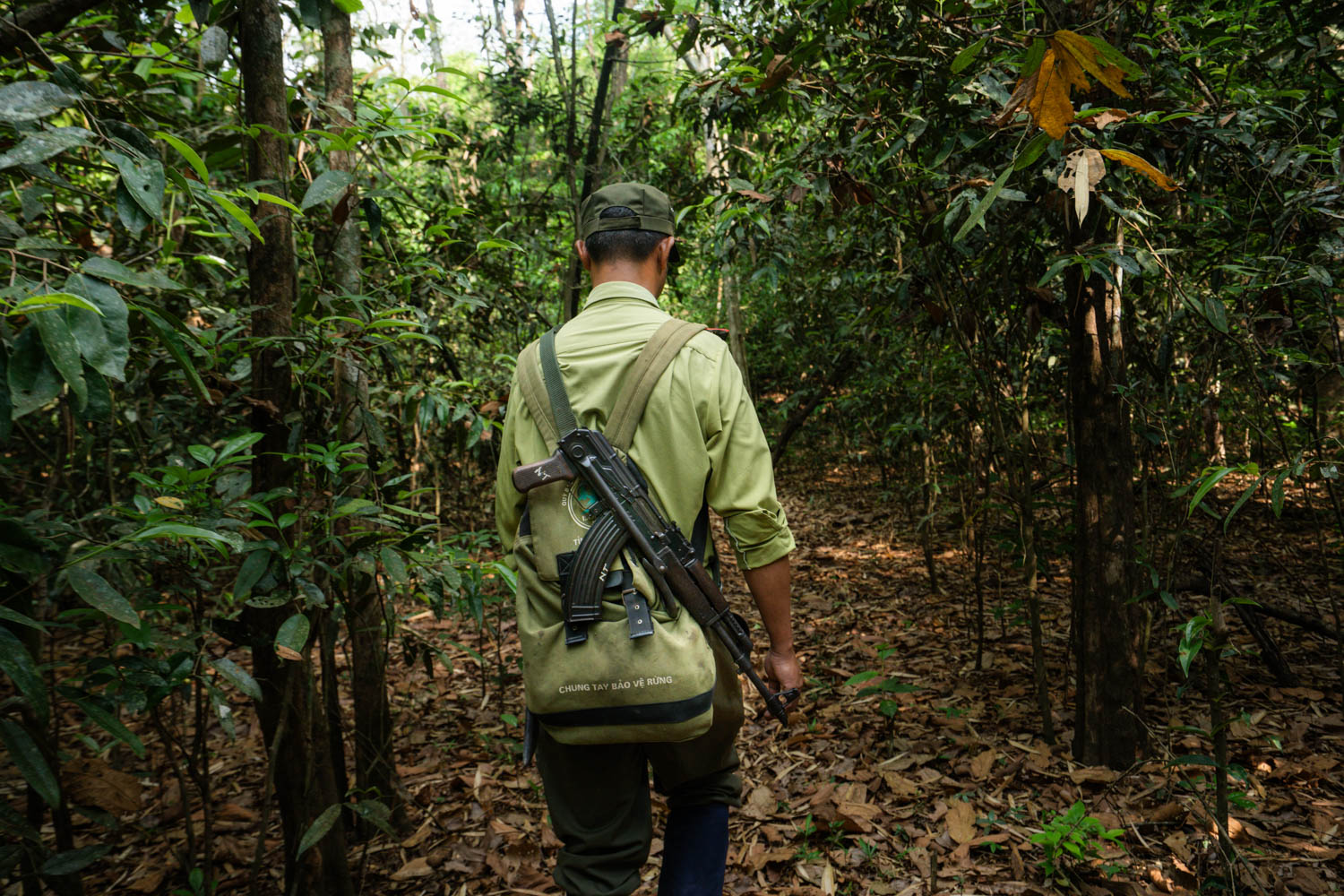
Cat Tien rangers walk long distances through hot, dense jungles to protect the forest.
Innovative conservation initiatives
To combat illegal hunting more effectively, Cat Tien National Park has adopted a combination of law enforcement, community engagement, and advanced technology.
One notable initiative is the Professional Snare Removal Team, established in 2023 with support from USAID through the Vietnam Forests and Deltas Program (VFBC). The team consists of nine members, most of whom are local residents living in communities surrounding the park. In addition to assisting rangers in locating and removing traps, they also help raise awareness among local communities about wildlife conservation and discourage illegal hunting.
At the same time, the park is increasingly incorporating modern technologies into its conservation efforts. Camera traps, surveillance systems, drones, and artificial intelligence are being deployed to detect poaching activities and monitor endangered wildlife populations. In 2026, Cat Tien plans to install an additional 131 camera traps in key conservation areas to strengthen wildlife monitoring and anti-poaching efforts.
Katien Safari: When tourism supports conservation
Beyond law enforcement and technology, Cat Tien has developed an innovative ecotourism model that directly supports wildlife conservation. Through the "Patrol with the Rangers" program, jointly operated by Katien Safari and Cat Tien National Park, visitors have the opportunity to experience conservation work firsthand.
Participants accompany forest rangers into the park's core zone, learn how to identify signs of illegal hunting, recognize different types of animal traps, and even assist in removing traps under professional supervision. The experience also includes spending a night in the rainforest, observing nocturnal wildlife, and hearing firsthand stories about the daily challenges of protecting Vietnam's forests.
Beyond raising public awareness, the program also creates sustainable livelihoods for the Chau Ma community in Ta Lai. Many local residents now work as porters, guides, cooks, and logistics staff for ecotourism activities. By generating stable income from conservation-based tourism, local communities become active partners in protecting the forest rather than relying on resource extraction or wildlife hunting for their livelihoods.
By choosing responsible ecotourism experiences, visitors can contribute to the long-term protection of these natural habitats while helping sustain conservation-focused tourism initiatives. To learn more about Katien Safari and our three immersive nature experiences in Cat Tien National Park, visit our website katiensafari.com or contact our team today!
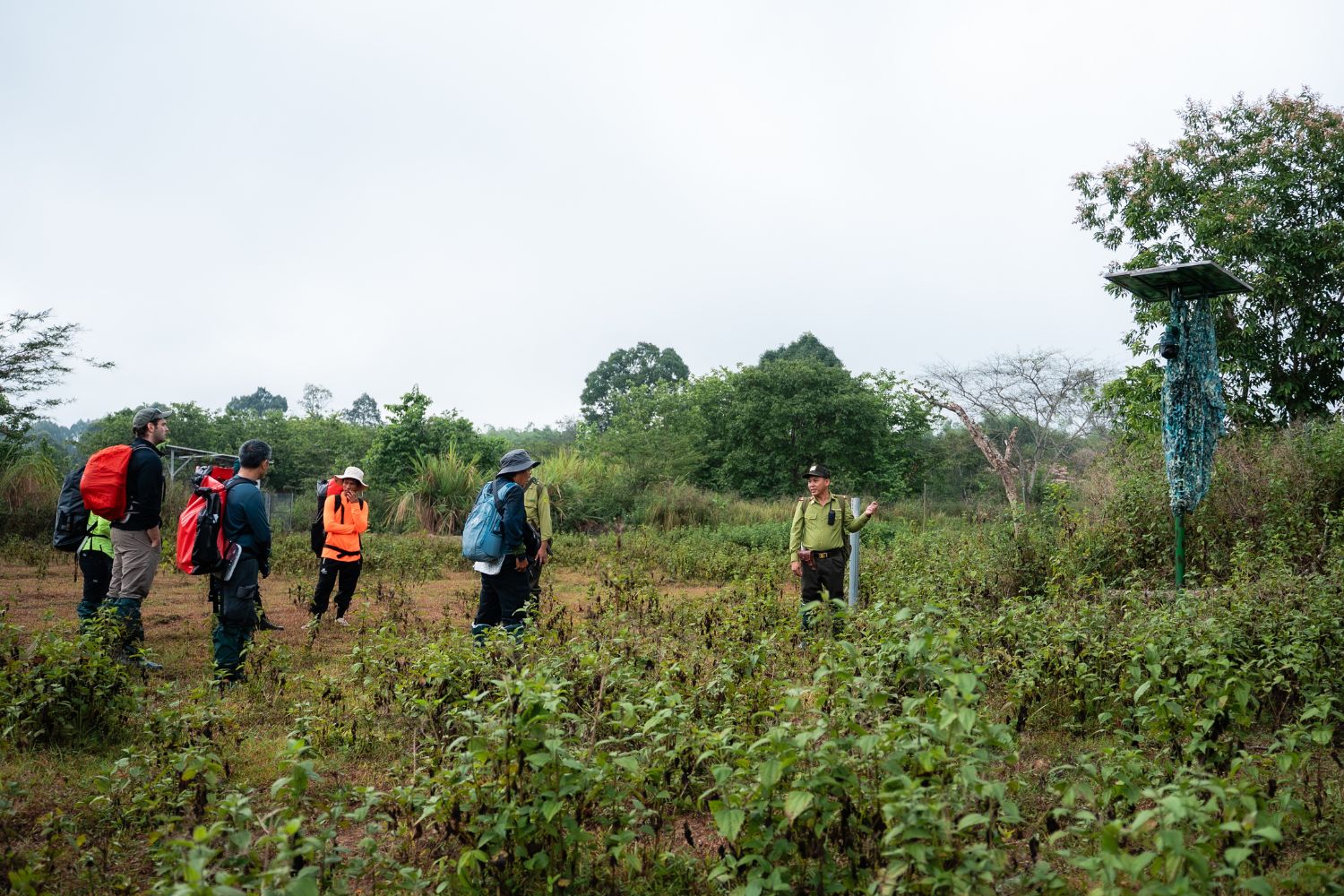
Guests patrol the jungle with rangers and watch the live camera system.
Legal Penalties and Technology for Forest Protection
In Vietnam, setting traps, hunting, killing, transporting, or trading wildlife illegally is punishable under national law. Offenses involving endangered species listed under Group IB or Appendix I of CITES may result in criminal prosecution under Article 244 of the Vietnamese Penal Code.
Depending on the nature and severity of the offense, individuals convicted of illegally hunting, killing, keeping, transporting, or trading protected wildlife may face substantial fines or imprisonment, with maximum prison sentences of up to 15 years. These penalties reflect Vietnam's commitment to protecting biodiversity and combating wildlife crime.
If offenders use military-grade firearms or other illegal weapons while hunting, they may also face additional criminal charges related to the possession and use of prohibited weapons, leading to even harsher penalties under Vietnamese law.
Camera traps: The forest's silent guardians
Alongside traditional ranger patrols, many protected areas across Vietnam now rely on camera traps as a vital conservation tool.
Camera traps use motion and infrared sensors to automatically capture photographs or videos whenever wildlife, or people, pass by. They are strategically installed along animal trails, wildlife hotspots, and areas known for illegal hunting activities.
At Cat Tien National Park, camera traps not only document the presence of large mammals, primates, and ground-dwelling birds, but also help detect unauthorized human activity within the park's core zone. The collected data enables rangers to identify poaching hotspots, prioritize patrol routes, remove illegal traps more efficiently, and better protect threatened wildlife.
In 2026, the park plans to install an additional 131 camera traps, further expanding its wildlife monitoring network across the protected area.
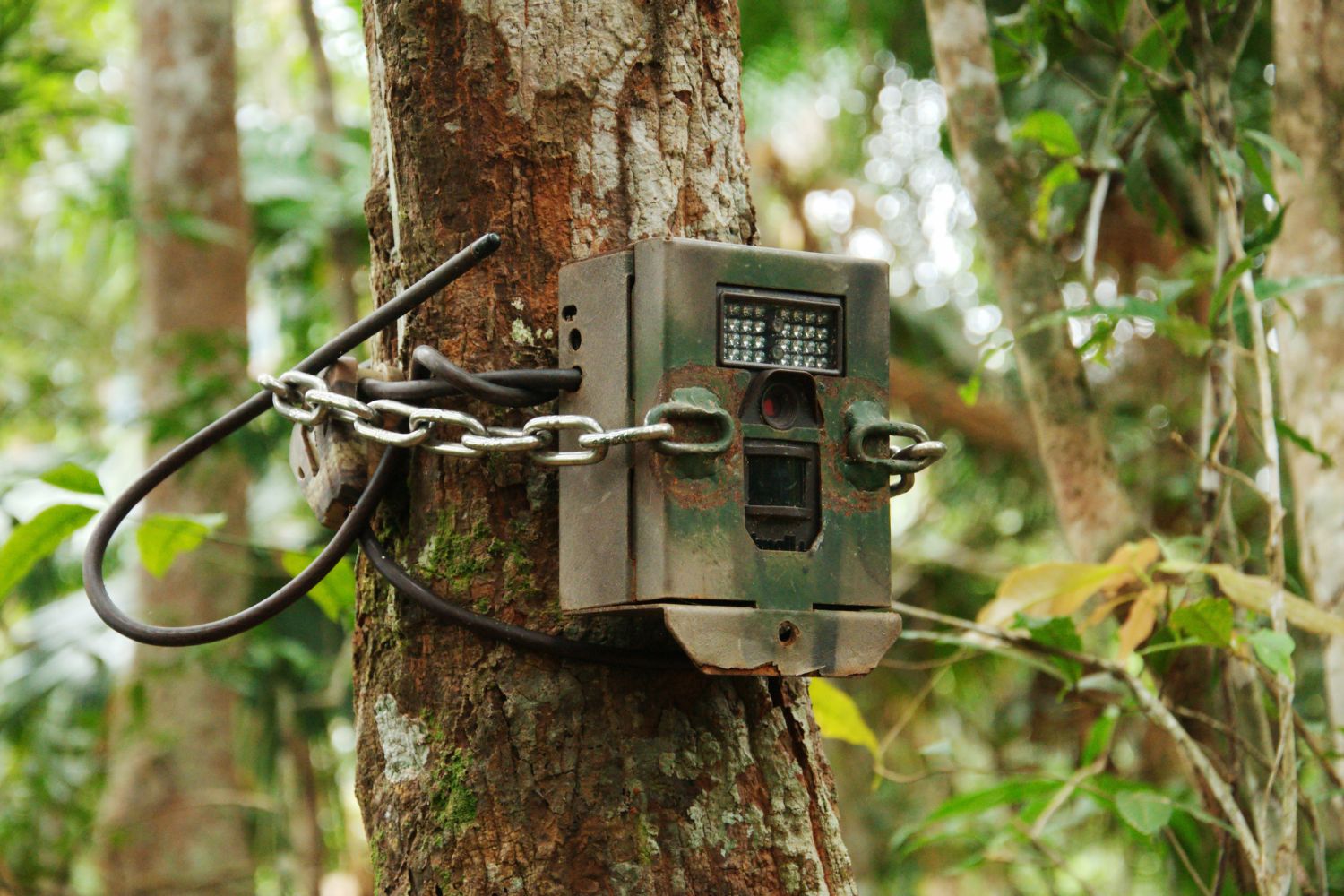
Camera traps and advanced tech now help rangers monitor rare wildlife.
Katien Safari's live camera system
One of the most innovative conservation initiatives in Cat Tien is the Live Camera System, funded by Katien Safari to support forest protection.
The system consists of eight high-performance optical surveillance cameras capable of monitoring areas up to 500 meters away, both day and night. When human activity is detected in sensitive locations, the system automatically sends real-time alerts to nearby ranger stations, enabling rapid response to potential illegal activities.
Beyond supporting law enforcement, the Live Camera System also serves as a powerful educational and outreach platform. Through an online livestream, viewers can observe wildlife in real time from deep within Cat Tien National Park.
Watching deer forage at the forest edge, birds gathering in natural clearings, or simply listening to the sounds of the tropical rainforest allows people to experience the beauty of Vietnam's wildlife from anywhere in the world. More importantly, it helps foster a deeper appreciation of tropical forest ecosystems and encourages long-term public support for wildlife conservation.