Table of Content

Around Cat Tien National Park, life in the buffer zone is closely connected to the forest. Many ethnic minority communities have lived here, among them, the Ma, S’tieng, and Cho Ro are the long-established local communities. They have lived near the forest for centuries. Nowadays, in Hamlet 4, Ta Lai Village, Dong Nai province more than 370 out of 487 households are Ma and S’tieng, along with a smaller number of Cho Ro families. In Dong Nai Thuong Commune, Lam Dong Province, the Ma community makes up around 97% of the population.
For generations, life here has been shaped by a close relationship with the forest, where livelihoods, culture, and spiritual beliefs are all deeply connected to nature.
The Ma, S’tieng, and Cho Ro communities have lived for generations around Cat Tien National Park. Over time, they have developed lifestyles deeply connected to the forest, sharing many similarities in traditional livelihoods.
In the past, the forest was more than just a source of food. It was the heart of cultural and spiritual life. Life mainly depended on forest resources and small-scale farming. The Ma people once described their way of life with a simple saying: “farm in the fields, eat from the forest, and drink rainwater.” Much of their daily food came directly from nature, including fish, wild vegetables, bamboo shoots, honey, and wild meat.
Even with this strong dependence on nature, local communities developed deep respect for the forest. They believed in the forest spirit, known as Yang Bri, and followed the idea that every living being has a spirit. Because of this belief, some animals and old trees were considered sacred and were never hunted or cut down.
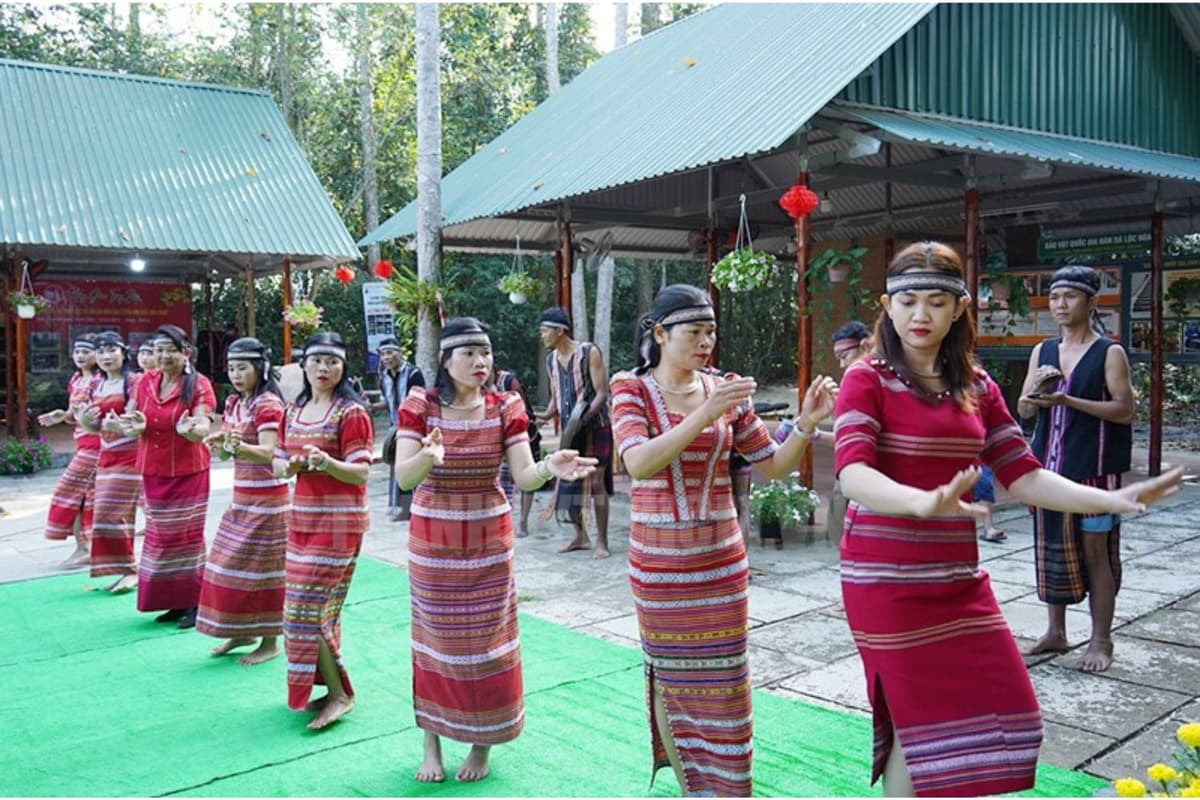
Life in the forest was also creative and skillful. The Ma people are known for their brocade weaving and blacksmithing, making tools used in farming and daily life. The S’tieng community developed bamboo weaving and textile crafts, passed down through generations.
Today, life in the buffer zone is changing. Forest-based living is no longer the main source of income. Many families now depend on farming, growing cash crops such as coffee, pepper, and fruit trees to support their livelihoods. However, this shift also brings new challenges. Farmland is becoming more limited, population is increasing, and droughts are more frequent. These changes make agriculture less stable than before.
As a result, many households still face economic difficulties. Poverty and near-poverty levels remain relatively high. In 2021, average income for poor households was about 920 USD per person per year, while near-poor households earned around 1,230 USD (according to the Cat Tien National Park regional profile by Deutsche Gesellschaft für Internationale Zusammenarbeit (GIZ) GmbH).
This raises an important question: How can local people earn a stable living while also protecting the forest? More importantly, how can development build on the traditional knowledge, skills, and cultural values that local communities have preserved for generations?
Today, sustainable tourism is creating new opportunities for communities living in the buffer zone of national parks. In many areas, tourism is no longer only about development and visitor experiences, but also about supporting local livelihoods.
Many tourism companies now hire and train local residents directly. Instead of only developing tourism services, they also involve local communities in daily tourism operations. Local people are hired for stable jobs and receive full social insurance benefits. This helps families earn more stable incomes and improve their quality of life. Another important benefit is the use of local food sources. Tourism operations can buy meat, vegetables, and farm products directly from nearby communities. This creates an additional and more stable source of income for local households.
One clear example of this approach is Oxalis Adventure near Phong Nha - Ke Bang National Park and Tan Hoa. This area is well known for the spectacular cave systems. When adventure tourism was introduced, local residents became an essential part of the experience. They work as porters, safety assistants, tour guides, cooks, drivers, and service staff. Many families also began running homestays and small accommodation services in their own homes.
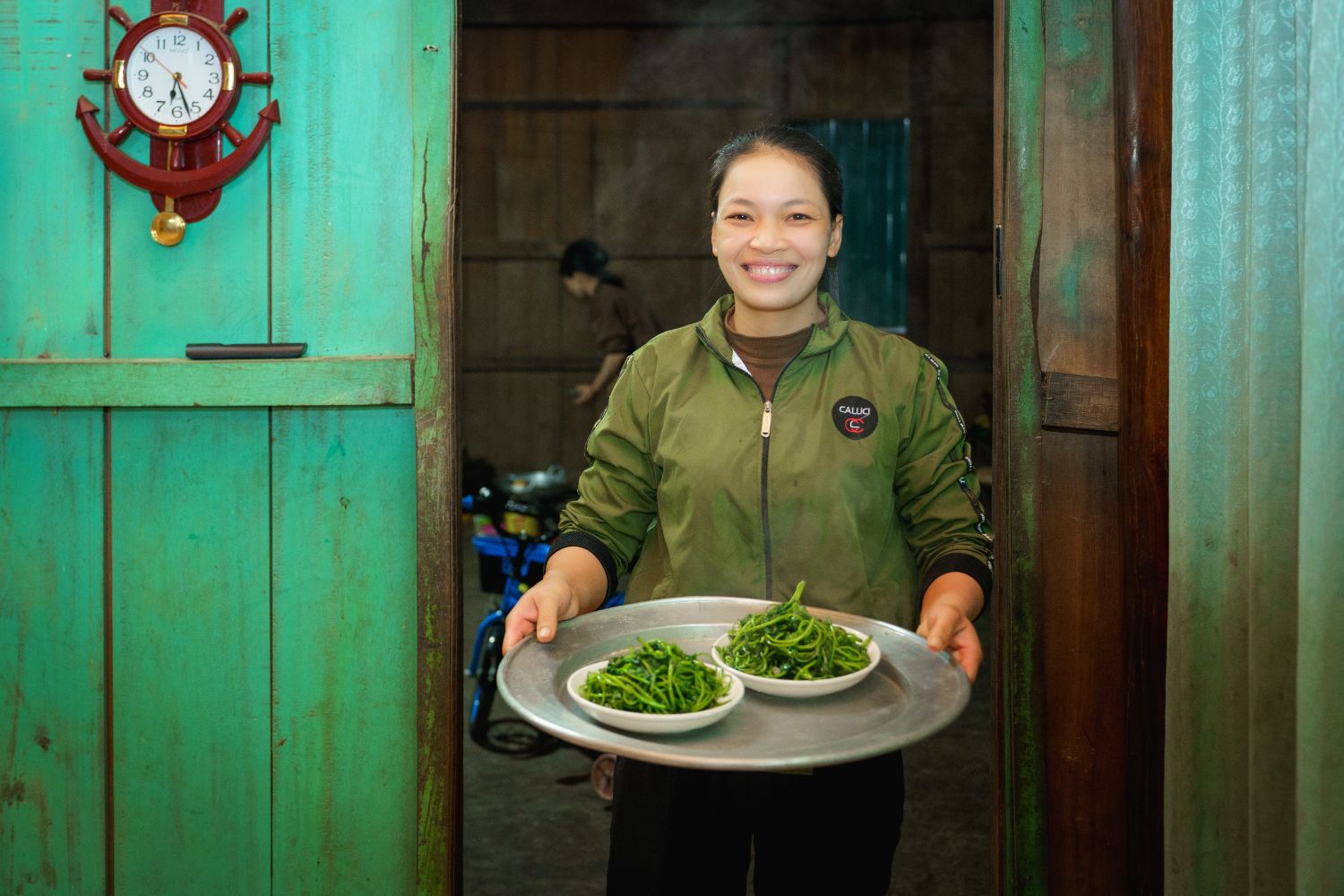
Local people in Tan Hoa prepare meals for visitors joining Oxalis Adventure cave tours.
Today, more than 130 people in Tan Hoa are directly involved in tourism activities with Oxalis Adventure. Over the past decade, average annual income has increased from about 190 USD in 2014 to around 1,400 - 1,650 USD in 2024. Many households also earn a steady monthly income of approximately 315 - 470 USD from homestays and local dining services. Beyond income, tourism has allowed local people to build stable careers while continuing to live on their own land.
Inspired by this success, a similar direction is now gradually emerging for the Ma, S’tieng, and Cho Ro communities living around Cat Tien National Park. Instead of relying heavily on collecting forest products, local people can create income from their traditional knowledge and cultural assets. These include forest guiding skills, understanding of local biodiversity, and traditional crafts passed down through generations.
When these local values become part of tourism experiences, they are no longer just cultural heritage, they become a source of livelihood. People can work in their own communities and earn stable incomes. At the same time, they also help protect the forest and preserve their traditions
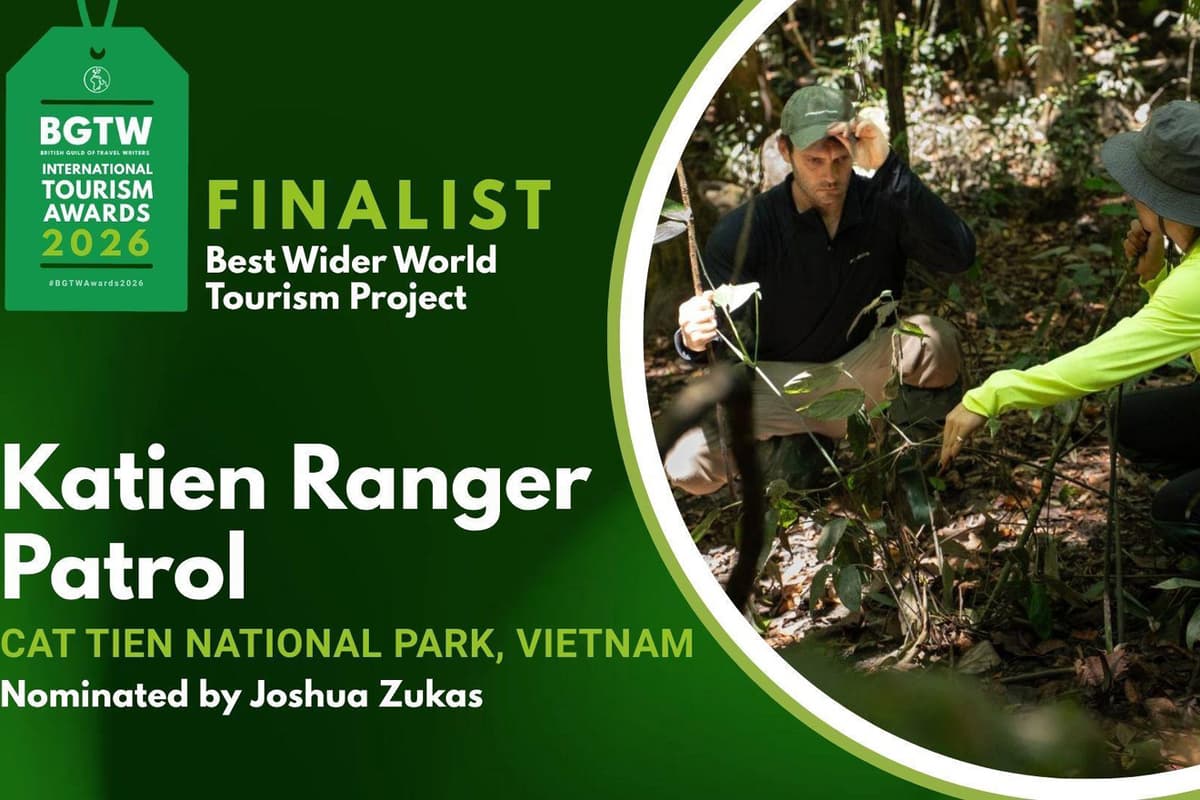
In January 2026, Katien Ranger Patrol officially launched its tourism operations in Cat Tien National Park, the culmination of over a year of rigorous field surveys and development. The vision goes beyond tourism alone. It also aims to create long-term, sustainable livelihoods for local communities. From this, a new and hopeful chapter is slowly opening for the Ma, S’tieng communities living around the Cat Tien national park.
In Cat Tien National Park, Oxalis Adventure is operating the Katien Safari tour series, a specialized initiative that integrates high-standard adventure tourism with direct conservation efforts. This series includes three main products: Patrol with Cat Tien Ranger, Cat Tien Wild Expedition, and Cat Tien Wild Safari Adventure.
A key feature of these tours is the strong involvement of local communities living around the park, especially the Ma, Stieng and Cho Ro ethnic groups. Local men, who have deep knowledge of the forest, work as porters, supporting logistics and leading trekking routes. Local women take part in cooking, service, and sharing cultural stories as well as traditional handicrafts such as weaving. Thanks to tourism, local families will have a more stable income. This is a big change compared to the past, when most households depended only on farming and livestock.
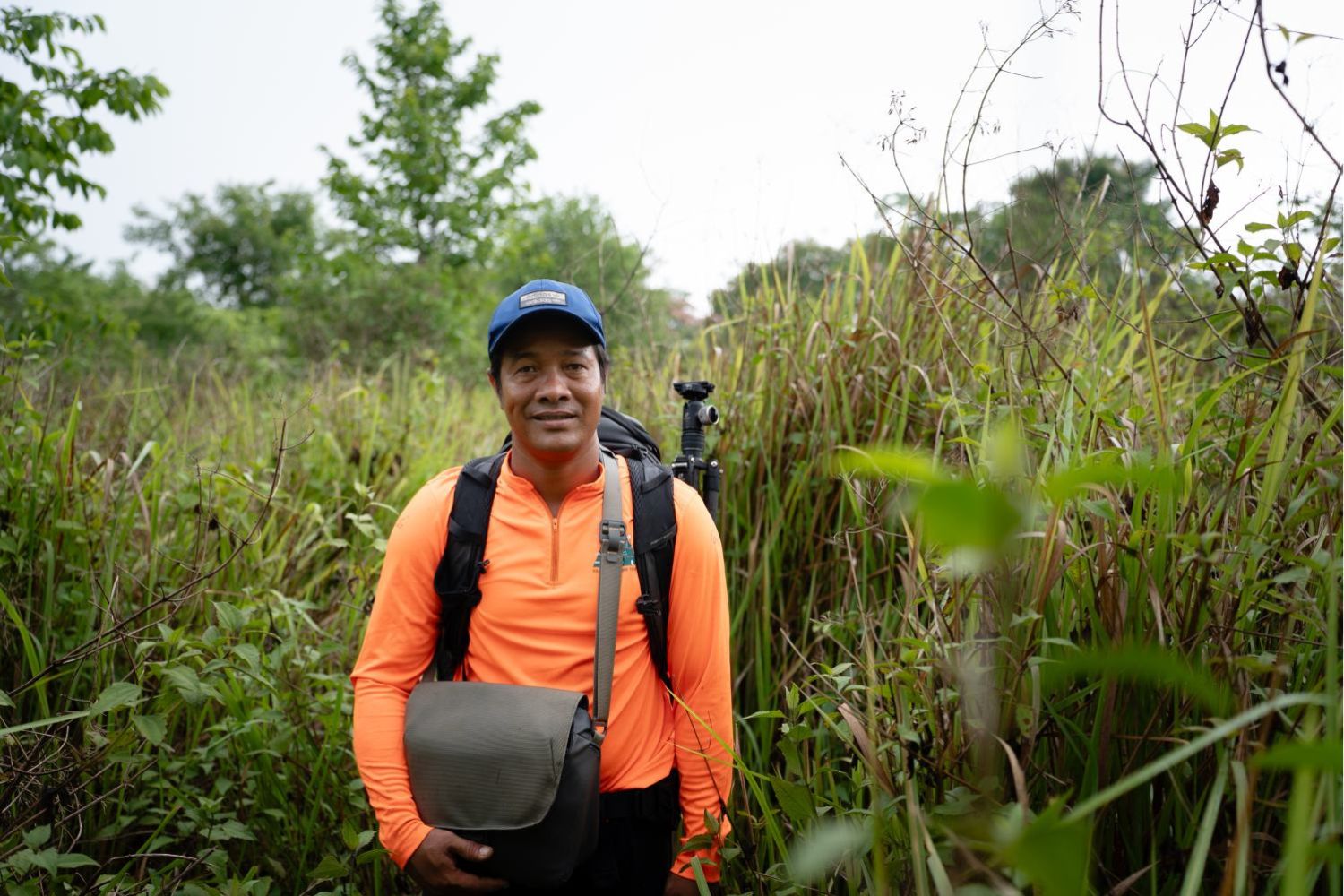
K’Eo, a member of the Ma people, now works as a porter for the Katien Safari tour.
Currently, Oxalis Adventure employs local people as porters and cooks in the Katien Safari tours. This already creates direct jobs for the community. In the next phase, the company plans to use more local products in the tours. These include meat, vegetables, and other farm produce from nearby villages. As visitor numbers increase, local people will have more motivation to expand farming and livestock activities. This helps strengthen the local supply chain and improves household income stability.
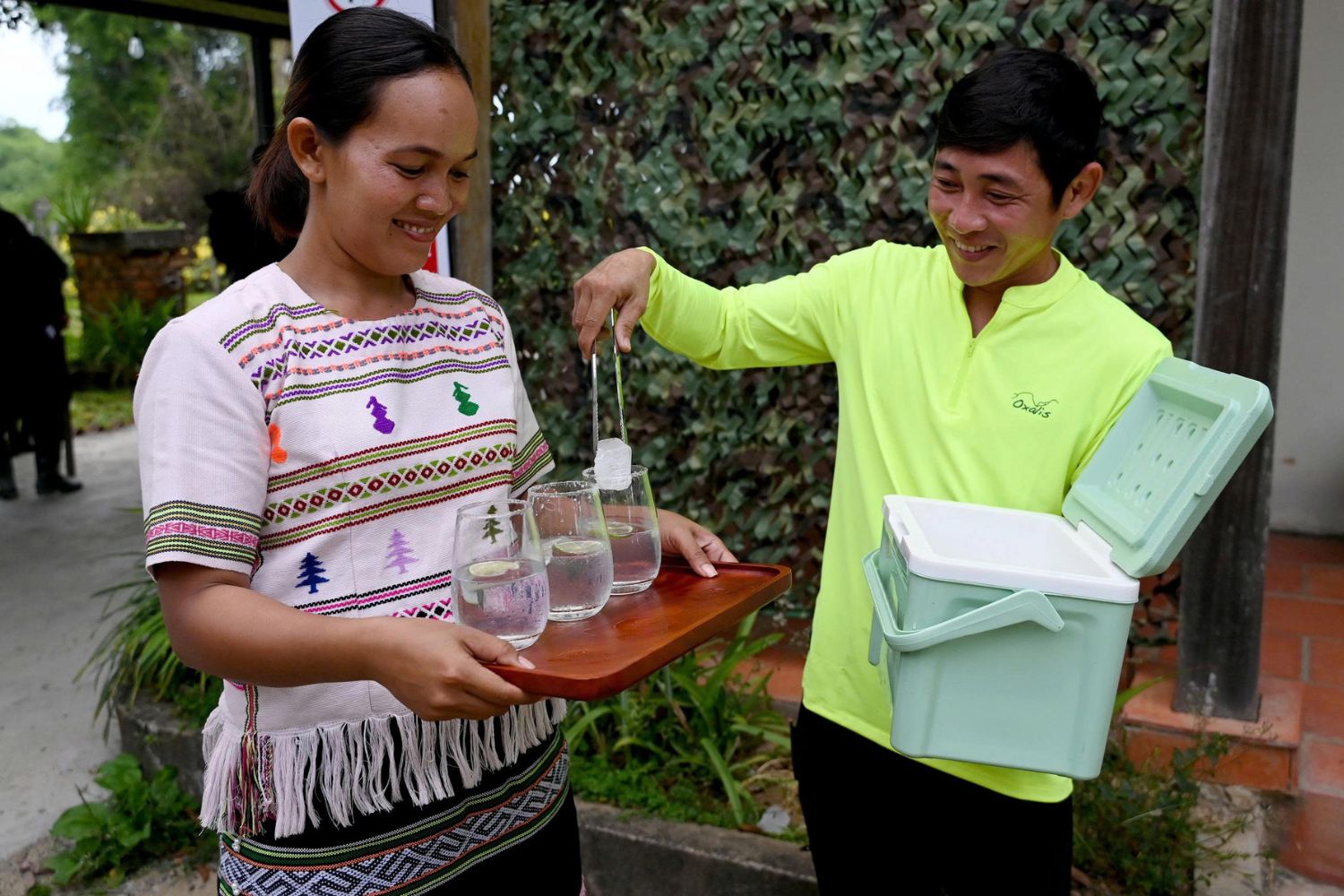
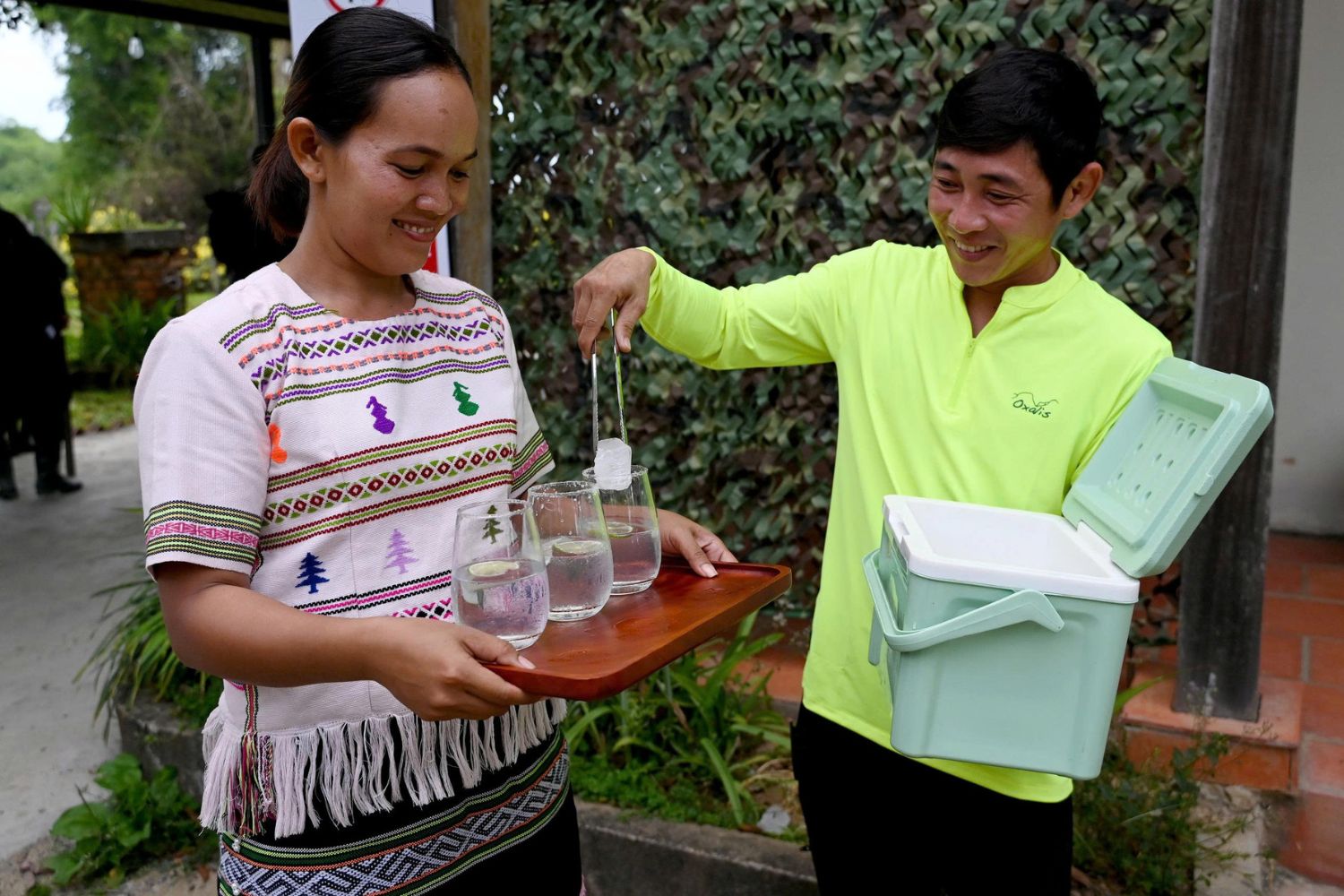
Ms. Ka' Vien prepares drinks for travelers taking part in the Katien Safari experience.
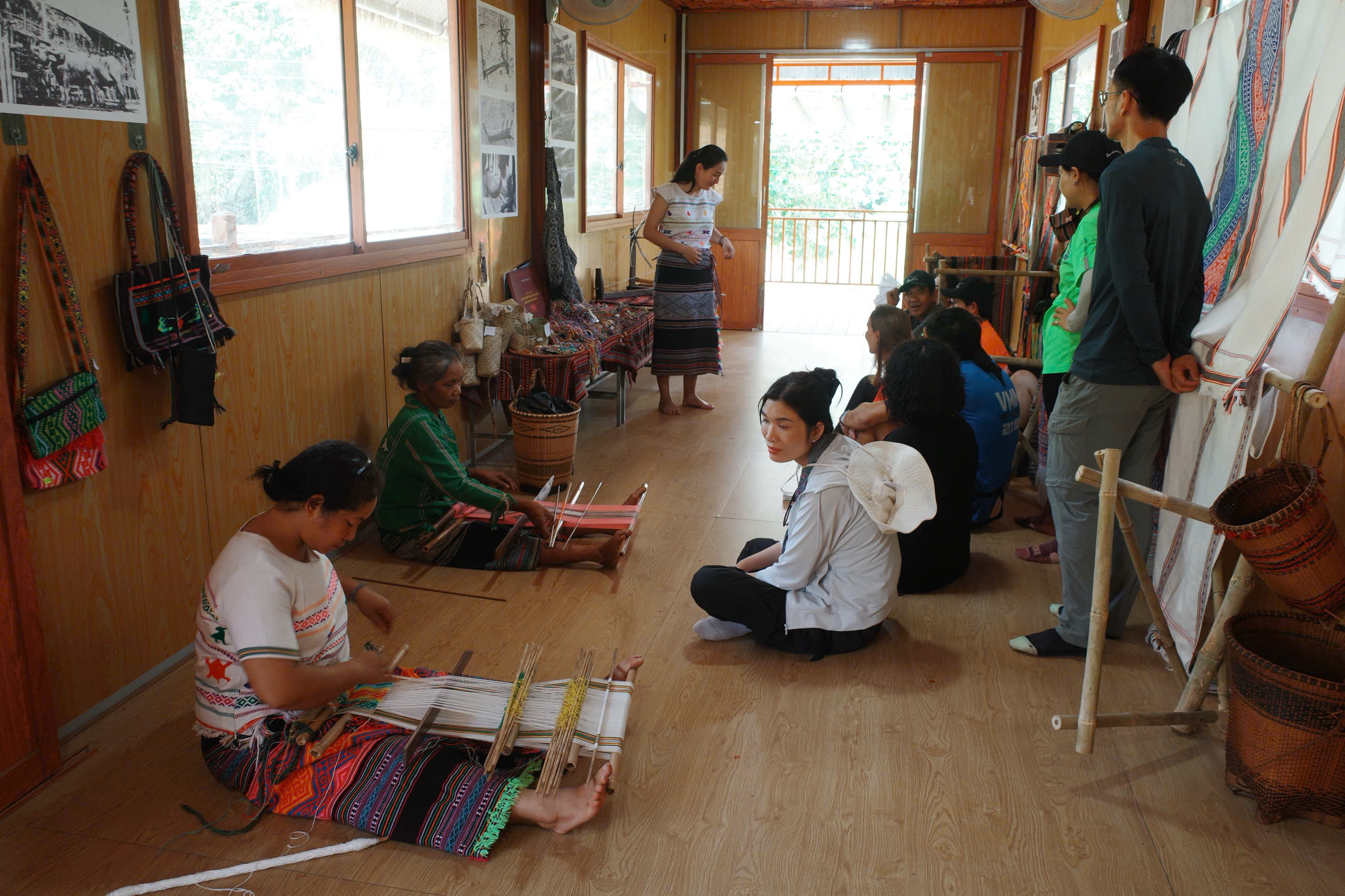
Beyond livelihood support, tourism serves as a vital tool for preserving the traditional culture of Ta Lai Village - a long-standing settlement of the Ma and S’tieng ethnic groups. While the village is renowned for its intricate brocade weaving, this craft currently faces a decline, with only a few elderly artisans remaining to practice the skill.
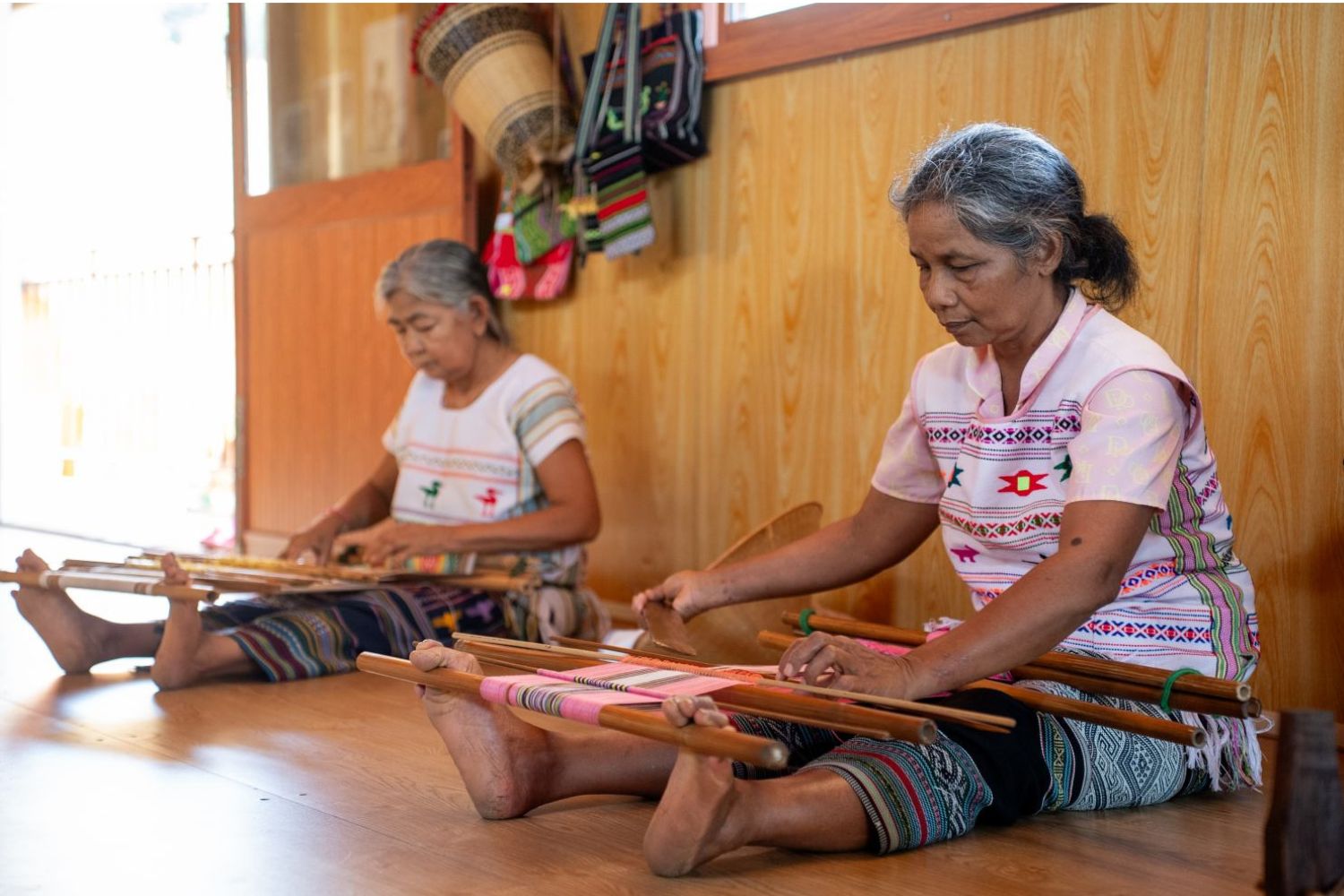
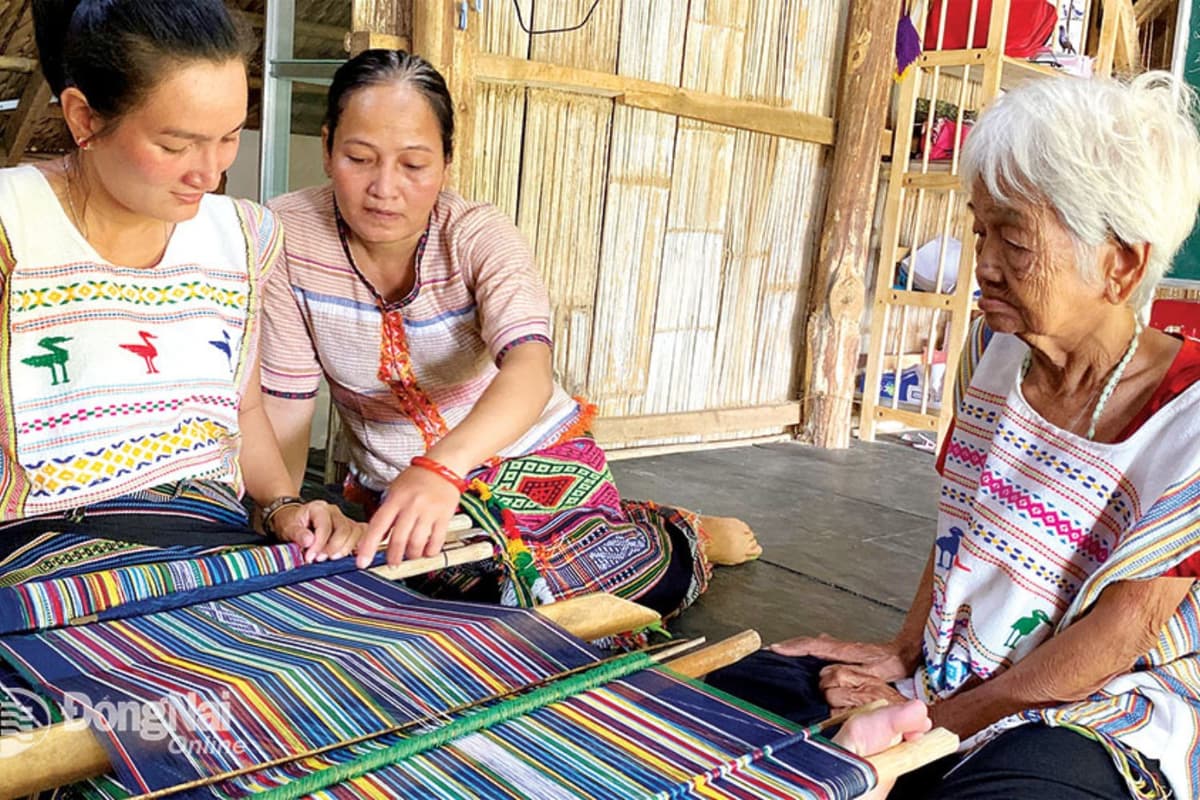
Many artisans are weaving fabric to make traditional clothing.
The integration of this heritage into the tourism experience changes that dynamic. Direct engagement with the weaving process enhances the perceived value of these handmade products among visitors. This increased exposure expands market reach, providing artisans with a reliable source of supplemental income. As these sustainable tourism initiatives scale, they create strong economic incentives for younger generations to master the craft. By professionalizing traditional skills, the project effectively safeguards cultural heritage that might otherwise be at risk of disappearing.
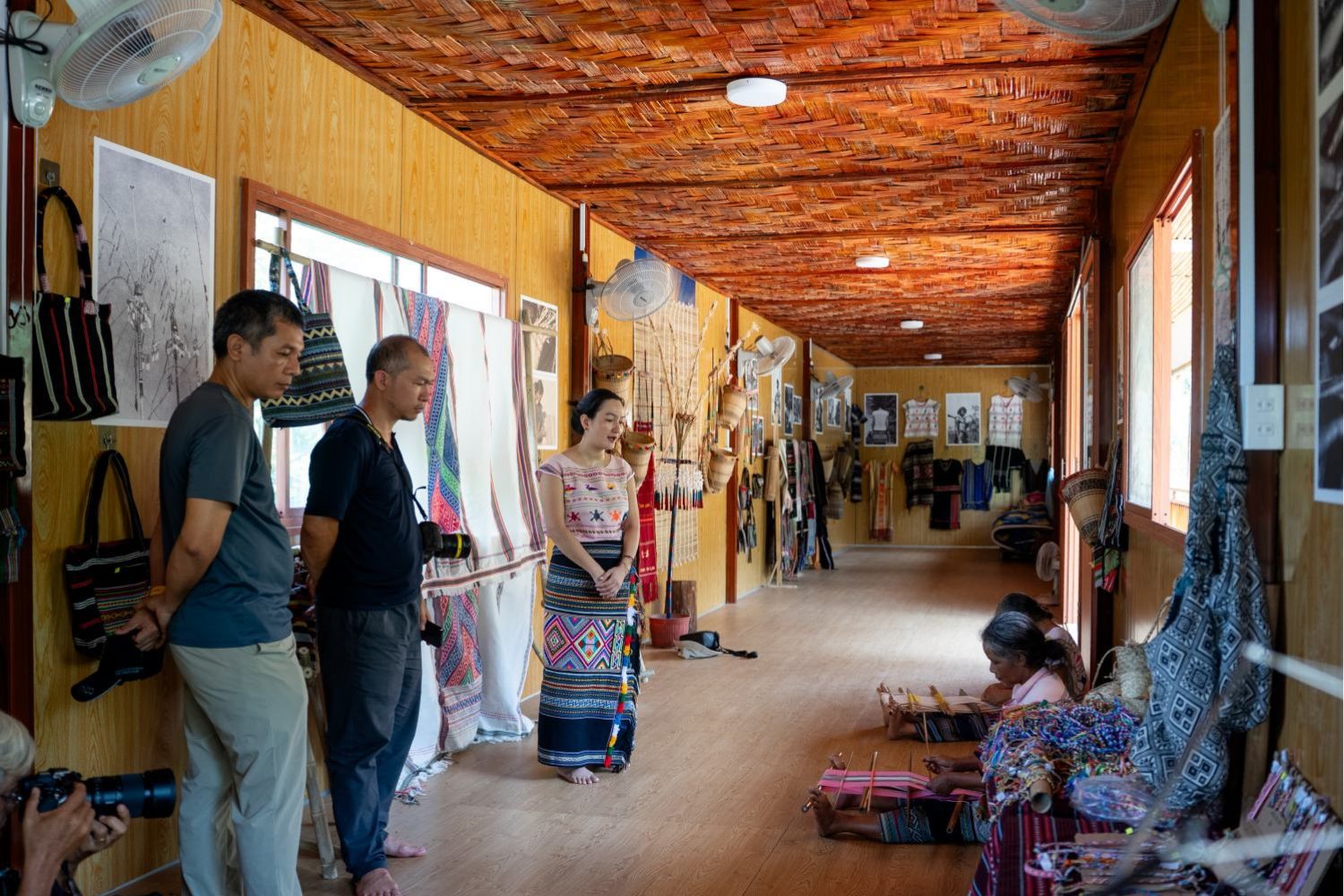
Visitors learn from Ms. Ka Huong about traditional Ma weaving techniques as part of a Katien Safari tour experience.
In the past, the Ma, S’tieng, and Cho Ro communities depended on the forest for survival. Today, the forest still supports their lives, but in a very different way. Nature conservation tourism is giving local people long-term livelihoods. It also helps preserve and promote the cultural identity of their ethnic communities.
Through activities in Cat Tien National Park, the Katien Safari tours are working step by step to help local communities take part in tourism in a more sustainable way. And for visitors, the journey becomes more meaningful as well. Every step through the forest is not only an adventure in nature, but also a way to support the Ma and Stieng communities and contribute to protecting the forest for the future.