Table of Content

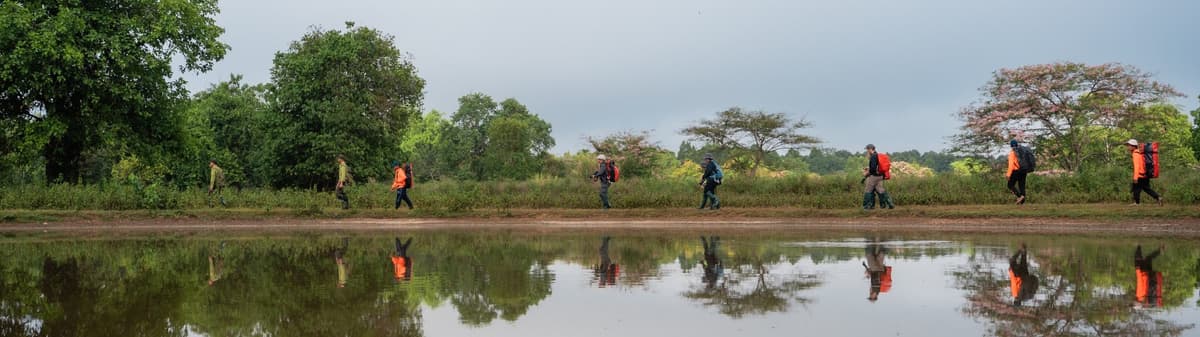
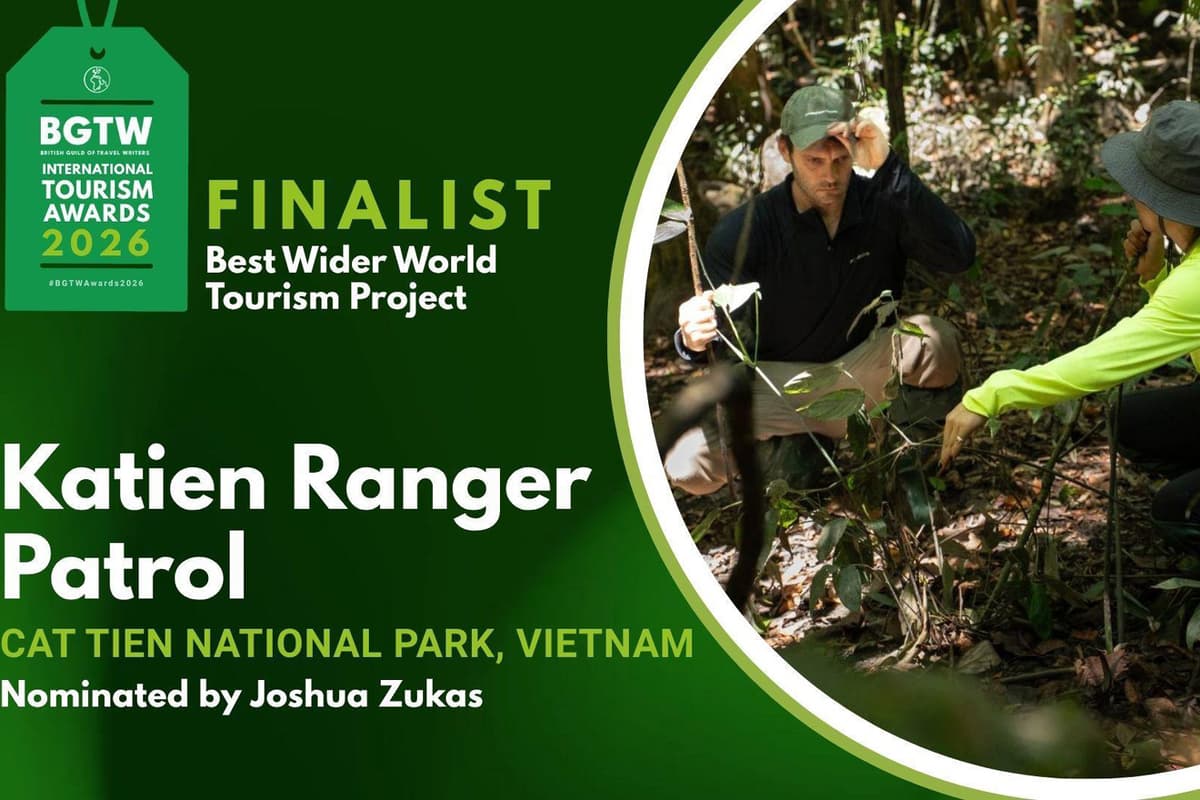
At the BGTW Annual Awards Gala held in London, UK, at 2:00 AM on November 3, 2026 (Vietnam time), Katien Ranger Patrol, a tourism product by Katien Safari, was named among the Top 3 finalists in the “Best Wider World Tourism Project” category at the 2026 BGTW International Tourism Awards. This prestigious category recognizes outstanding tourism projects making a meaningful contribution beyond the UK and Europe.
Notably, this marks the first time a Vietnamese representative has received recognition at these awards. For a relatively new tourism product, being selected among the Top 3 following an evaluation by more than 250 experienced travel journalists from the British Guild of Travel Writers is a significant international achievement. It highlights not only the appeal of a distinctive tourism experience but also the value of a model that connects travel with nature conservation and local livelihoods in Cat Tien National Park.
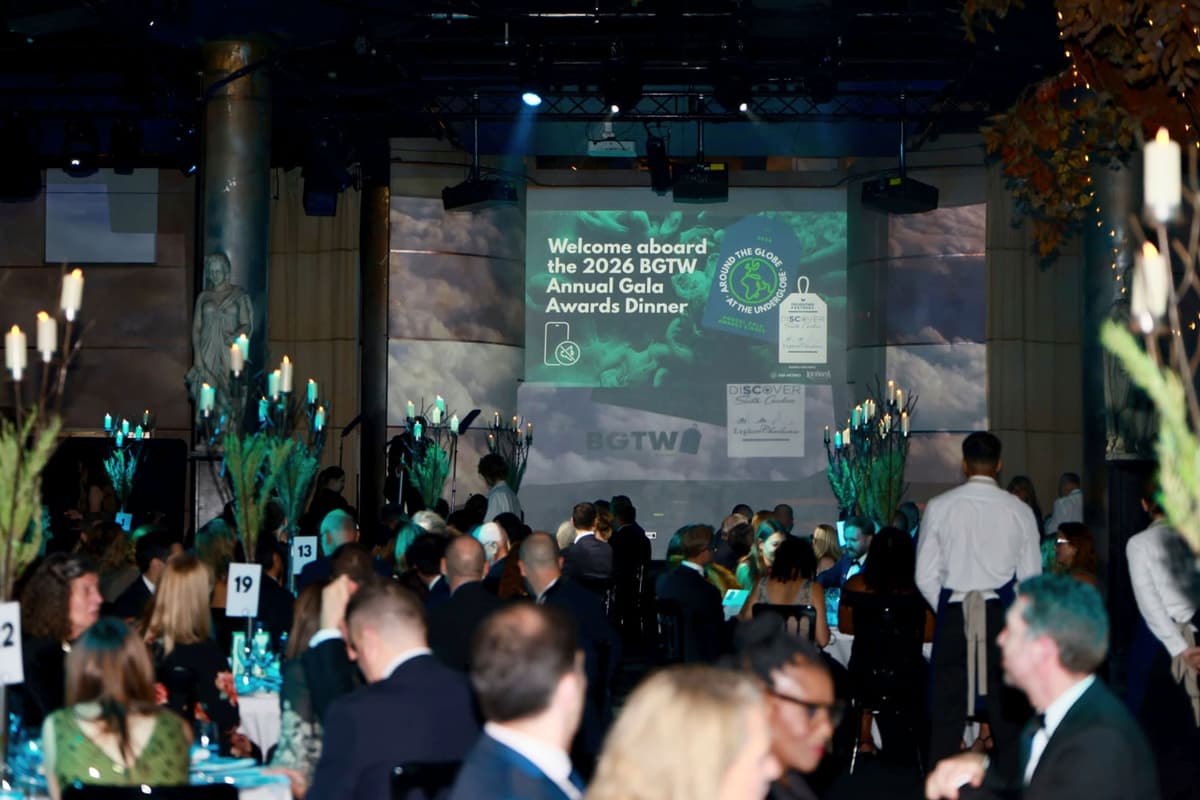
Guests gather for the 2026 BGTW Annual Gala Awards Dinner.
During his Katien Safari experience at Cat Tien National Park, British travel journalist Joshua Zukas explored the ecosystem and learned how tourism activities operate alongside conservation efforts. What makes Katien Safari distinctive is its focus on bringing forest protection activities into the visitor experience. Guests take on the role of forest guardians, joining field activities alongside dedicated conservation teams.
This distinctive experience impressed Joshua Zukas and led him to nominate Katien Safari for the 2026 BGTW International Tourism Awards, where the product was named among the Top 3 finalists in the Best Wider World Tourism Project category.
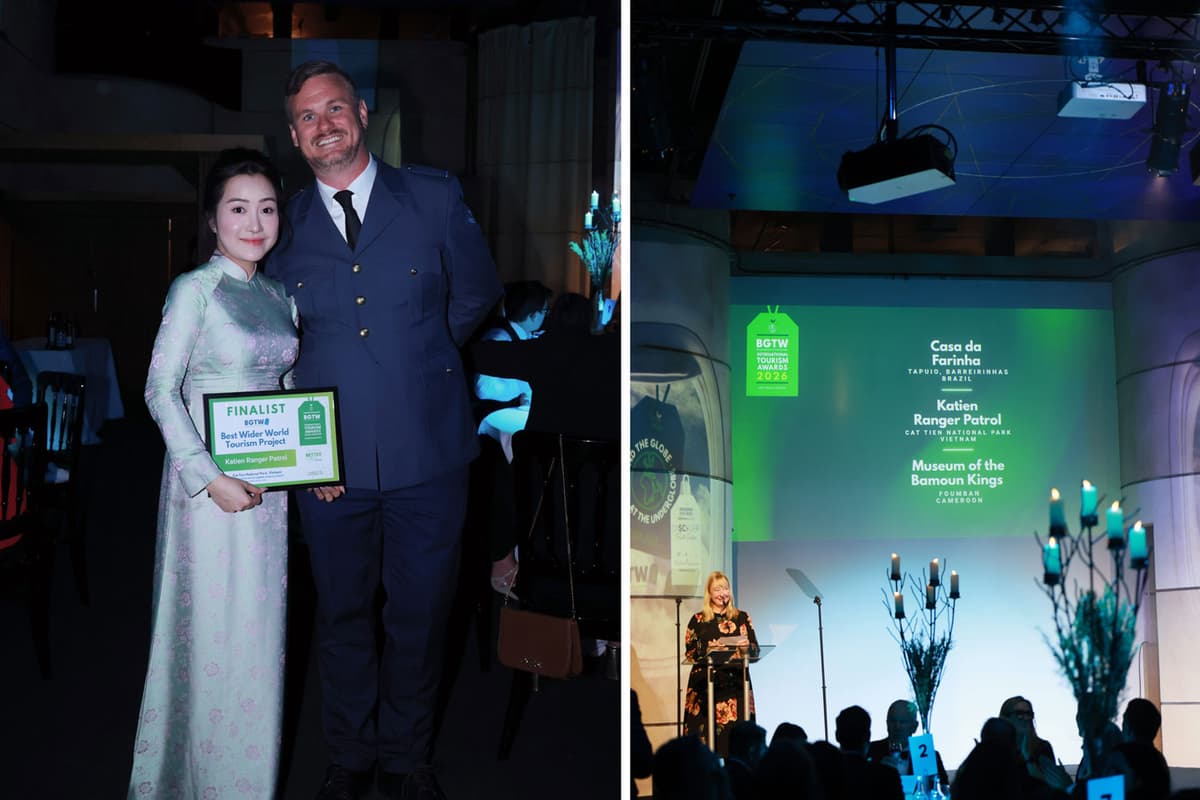
Katien Safari’s representative at the BGTW 2026 awards, receiving the finalist certificate and meeting the organising team.
Katien Safari is designed as a field-based conservation experience, with trips lasting from 2 to 4 days. Rather than following conventional sightseeing routes, small groups of 4–8 guests can venture into important forest areas and learn how rangers monitor and protect the ecosystem.
On some trips, guests trek 10–12 km per day, covering approximately 20 km in total, through dense forests and along trails regularly used by rangers on patrol. With guidance from the rangers, visitors learn how to identify animal tracks, check areas where snares may be present, and understand methods used to monitor wildlife.
One of the most distinctive activities is learning about wildlife traps. After being introduced to common types of traps, such as wire snares and clamp traps, guests may join rangers in checking areas around water sources and practice removing traps in the field when permitted. Visitors also learn how to read footprints and other signs to identify the presence of species such as gaur, deer, muntjac, wild boar, and wild elephants.
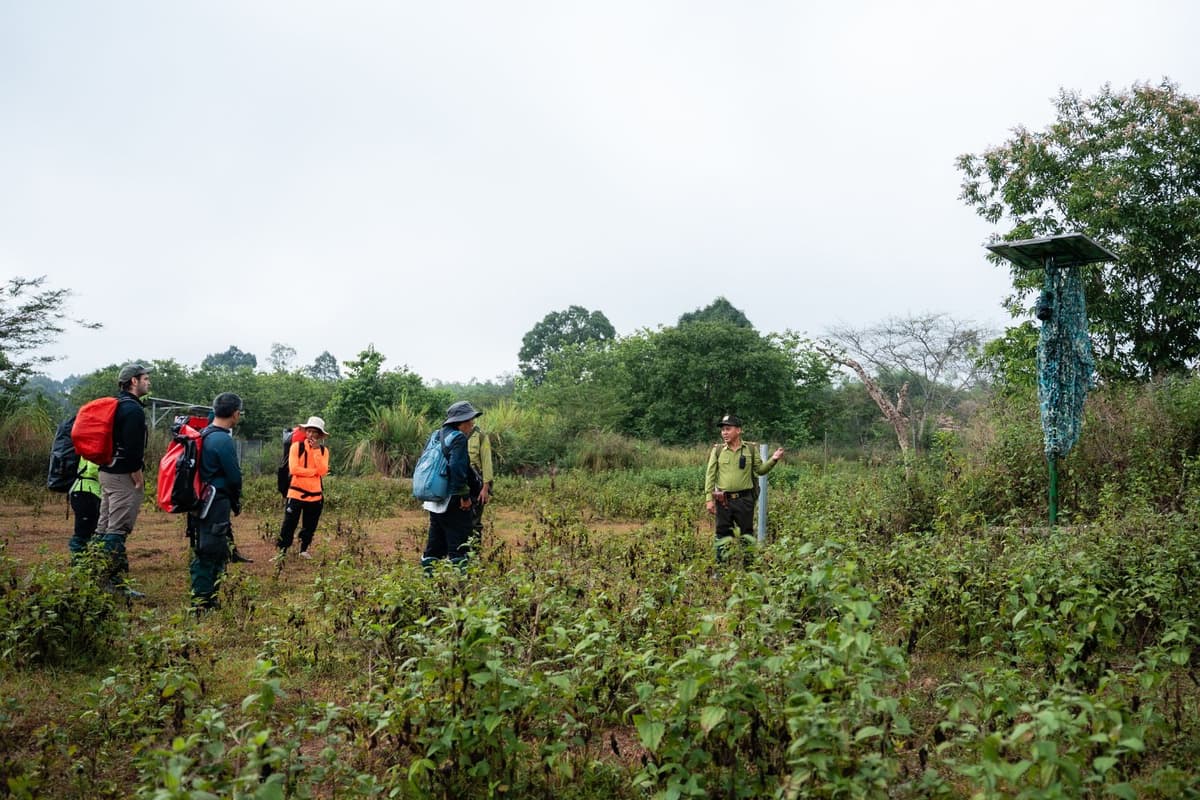
Rangers and visitors learning about the modern optical camera system used for forest monitoring.
The deep forest exploration tour in Cat Tien National Park takes visitors through several habitats within a single trip, from old-growth forest and bamboo forest to grasslands and wetlands. With a maximum of 8 guests per group, the experience places greater emphasis on observing and learning about nature.
The trekking route passes through old-growth forest with towering trees and bamboo groves before reaching the Ta Lai grasslands toward the end of the day. The group then continues deeper into the core zone along the route to Bau Sau. Rather than focusing solely on the distance covered, guests are encouraged to notice the small changes in the forest, from footprints and movements in the vegetation to the sounds of wildlife. With some luck, they may spot species such as monitor lizards and red junglefowl, or discover fresh signs of gaur, wild boar, and deer.
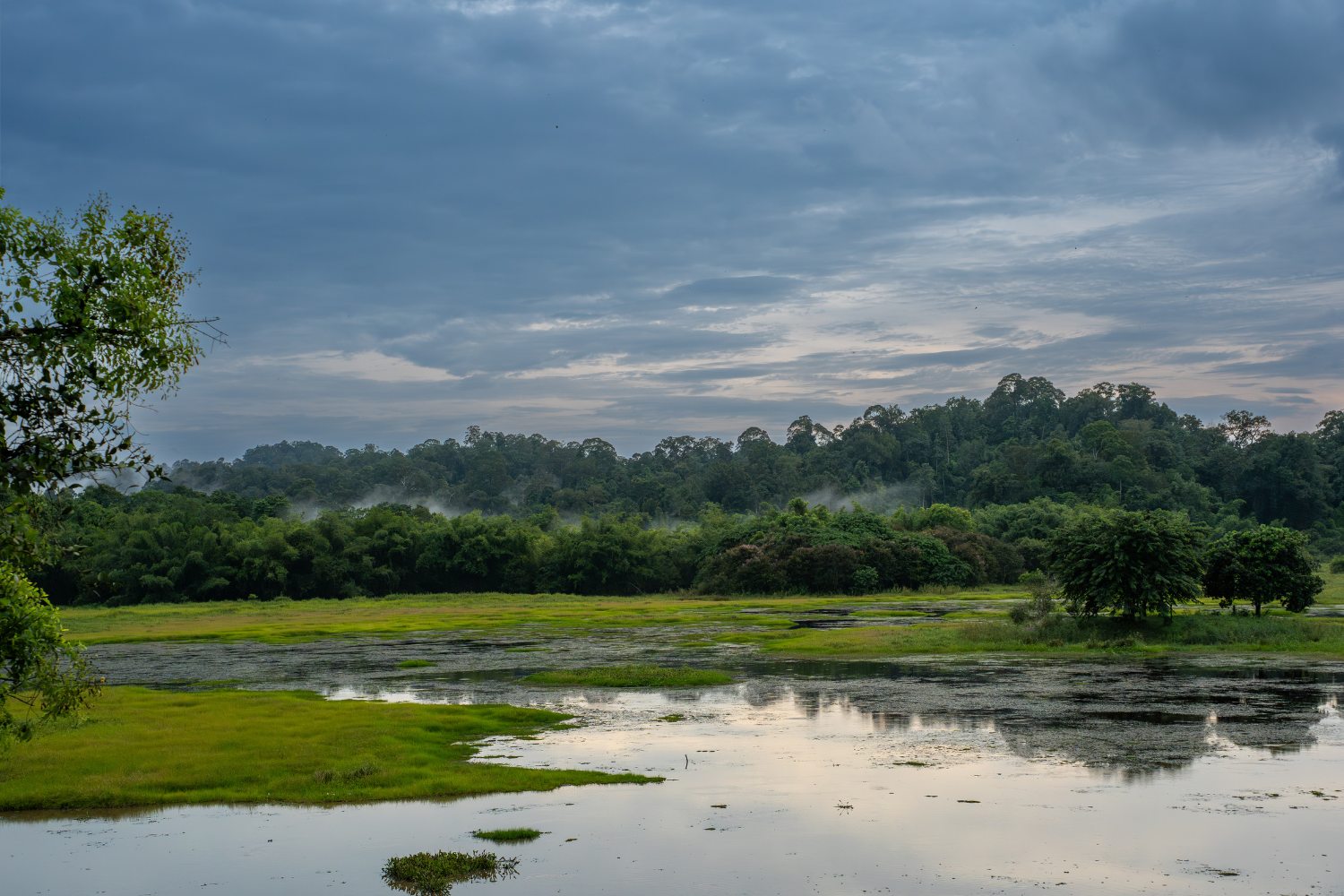
Along the route to Bau Sau, large bomb craters dating back to the war have gradually been covered by forest vegetation, becoming part of Cat Tien's natural landscape. As visitors venture deeper into the forest, the scenery transitions into the Bau Sau wetland ecosystem, an ecologically important Ramsar site recognized in 2005.
Bau Sau is also closely associated with the recovery program for the Siamese crocodile (Crocodylus siamensis) population in Cat Tien. Since 2001, the national park has carried out a program to reintroduce purebred freshwater crocodiles into their natural habitat after health checks and rehabilitation to help them adapt. Today, Bau Sau is home to nearly 700 Siamese crocodiles. Visitors can rest at the ranger station and observe crocodiles, waterbirds, and other species associated with the wetland ecosystem.
After dark, the forest takes on a completely different character. On the way back from Bau Sau Ranger Station, visitors can use thermal cameras to observe nocturnal animals that are difficult to spot with the naked eye.
The final day focuses on conservation. A visit to the Wildlife Rescue, Conservation and Development Center and the Nature Museum helps visitors understand the process of rescuing, caring for, and reintroducing wild animals, as well as the work behind forest protection.
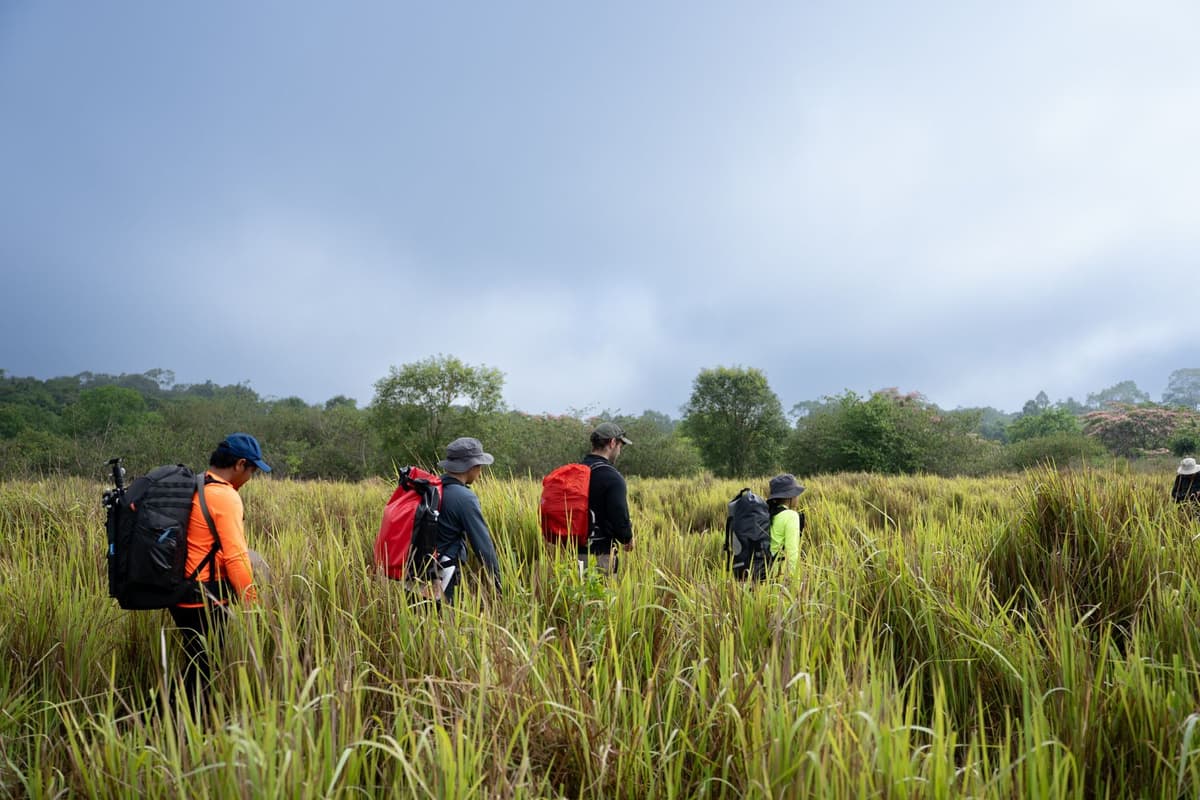
Visitors trekking through the different ecosystems of Cat Tien National Park.
One of Katien Safari's distinctive features is the direct connection between tourism experiences and conservation activities in Cat Tien National Park. Visitors not only explore the forest but also learn how rangers and forest protection teams help safeguard the ecosystem.
With approximately 130 rangers, the forest protection force carries out tens of thousands of patrols each year, covering a total distance of around 125,000 km, equivalent to more than three trips around the Earth. During these patrols, rangers regularly detect and remove wildlife traps while addressing cases of illegal entry and unauthorized forest resource extraction.
In the area managed by Nui Tuong Ranger Station, the vast forest area makes it challenging to monitor the entire territory. Katien Safari organizes small groups, usually consisting of 4–8 guests, who travel with guides and rangers along approved forest routes. This approach increases human presence in the forest and helps support the early detection of unusual signs, such as wildlife traps, unauthorized entry, or illegal resource extraction.
In addition, part of the revenue from tourism activities contributes to forest protection and the operation of monitoring equipment used for conservation. This connects the visitor experience with a broader purpose, helping provide additional resources to protect the very ecosystem they have come to explore.
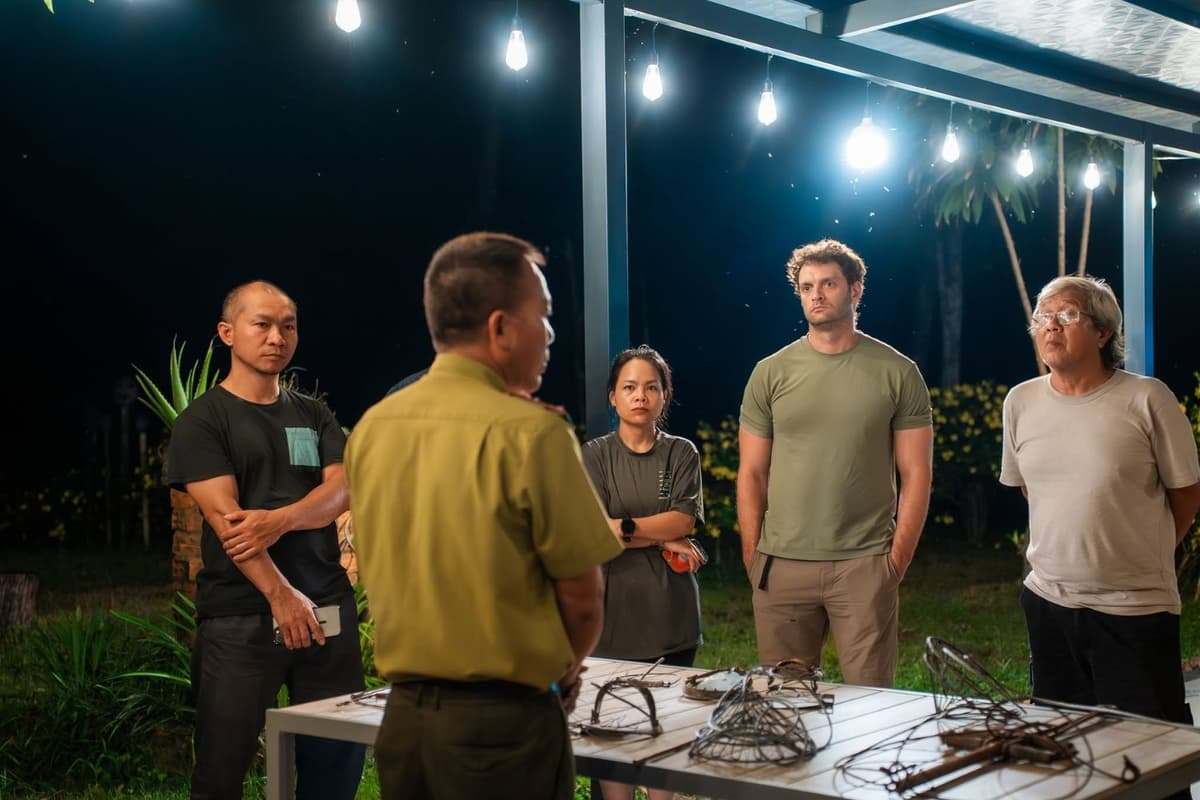
Visitors learning about common types of wildlife traps found in the forest and their harmful effects on wild animals.
Katien Safari also connects tourism activities with local livelihoods, particularly those of the Ma and S'tieng communities in the Ta Lai buffer zone. In the past, some local residents entered the forest to hunt or set traps for a living. Their in-depth knowledge of the terrain and forest has since become valuable in new roles as trail guides, porters, logistics staff, and wildlife trap detection assistants.
Skills and knowledge gained from years in the forest have now become valuable assets for conservation and tourism. Income from tourism-related services can reach approximately VND 4–8 million per month, providing an additional source of livelihood and reducing dependence on activities that put pressure on the forest.
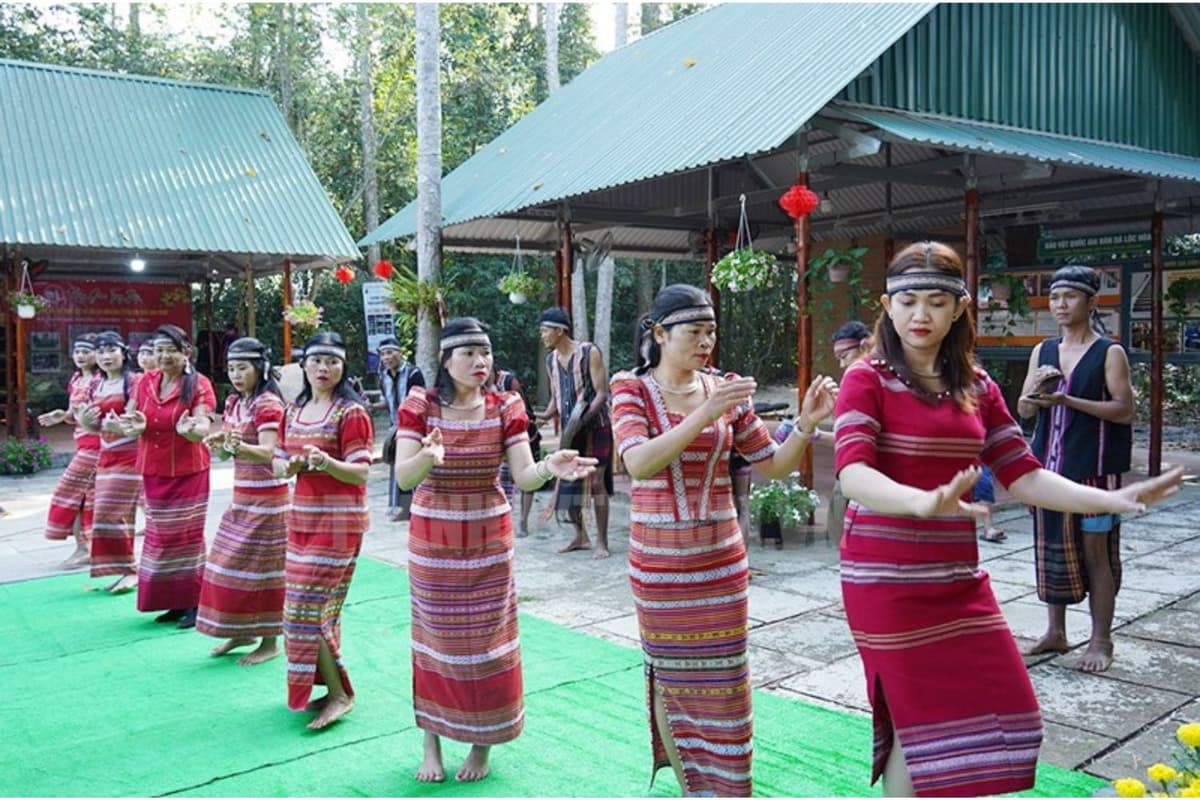
Visitors also have opportunities to learn about local culture through traditional brocade weaving, local cuisine, visits to traditional longhouses, and insights into gong culture. Ma women can introduce visitors to handmade products and traditional dishes from their community.
In addition, the Oxalis Foundation supports free English classes for local residents and children in Ta Lai. Through these activities, Katien Safari connects visitors, rangers, local communities, and conservation efforts in a shared experience, allowing each trip to create value for both participants and the forest.
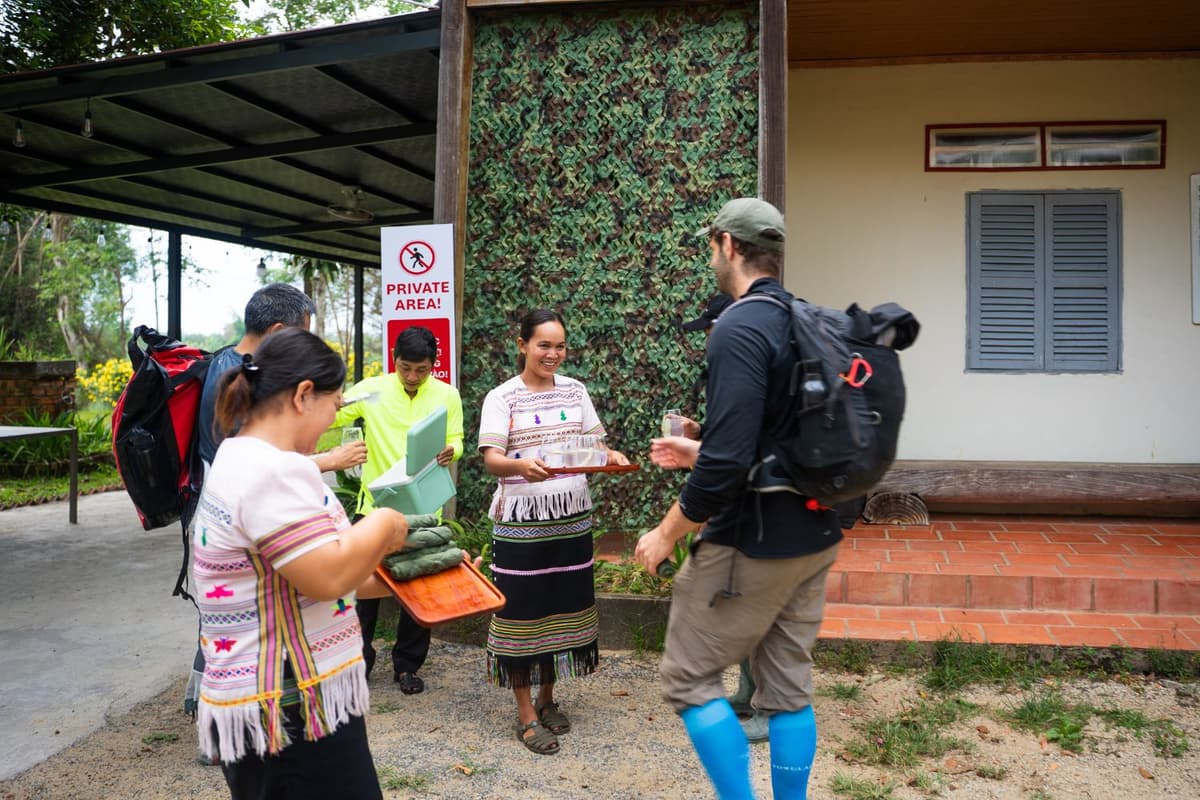
Members of the Chau Ma community welcoming visitors with cold water and chilled towels after a hike.
Katien Safari's place among the Top 3 finalists for Best Wider World Tourism Project highlights the potential of green tourism in Vietnam. The model, which combines nature-based experiences with conservation activities, has been recognized by an international tourism award that evaluates projects based on their practical value and contributions to their destinations.
This recognition also adds to the list of international distinctions received by Cat Tien National Park. The park has been recognized as a UNESCO World Biosphere Reserve, included in the IUCN Green List, and has received four awards from the Asian Ecotourism Network (AEN). These recognitions reflect Cat Tien's role in nature conservation and ecotourism development.
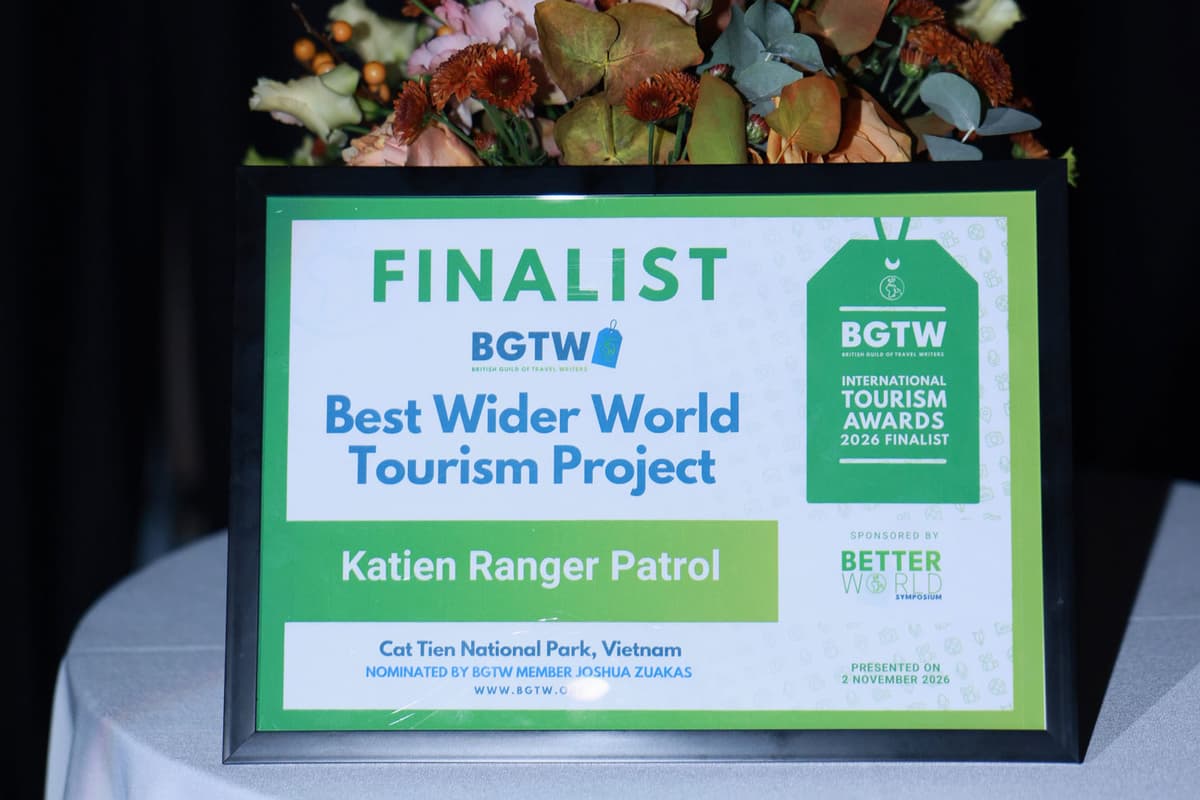
A certificate recognising Katien Ranger Patrol as a finalist in the 2026 BGTW International Tourism Awards.
From a community perspective, this model creates more opportunities for people living in the buffer zone to participate in the tourism value chain. Indigenous communities such as the Ma and S'tieng people in Ta Lai village can provide services, guiding, and cultural experiences. Jobs and income from tourism offer local residents additional livelihoods connected to the value of the forest.
In the long term, this approach offers a way for conservation and livelihood development to coexist within a tourism model. When local communities benefit directly from protecting nature, the forest can become a sustainable source of value worth preserving, rather than continuing to face pressure from resource extraction.
Official photographs from the BGTW Annual Awards Gala 2026 are available here.