Table of Content

As bamboo torches lit up the night, the rhythmic sound of wooden pestles echoed through Soc Bom Bo. Immortalized in the song Tiếng Chày Trên Sóc Bom Bo, these nightly scenes became powerful symbols of the S'Tieng people's resilience during the US resistance war. In present-day Dong Nai Province, S'Tieng villagers spent countless nights pounding rice to support Vietnamese soldiers, leaving behind a legacy that continues to inspire generations.
But the story of the S'Tieng extends far beyond this defining moment in history. As one of Vietnam's 54 officially recognized ethnic groups, they have lived for centuries across the forests and highlands of southeastern Vietnam, shaping a culture deeply rooted in the natural world. Their traditions, from sacred gong performances and seasonal agricultural festivals to intricate brocade weaving and forest-inspired cuisine, reflect a way of life that has evolved in harmony with the surrounding landscape.
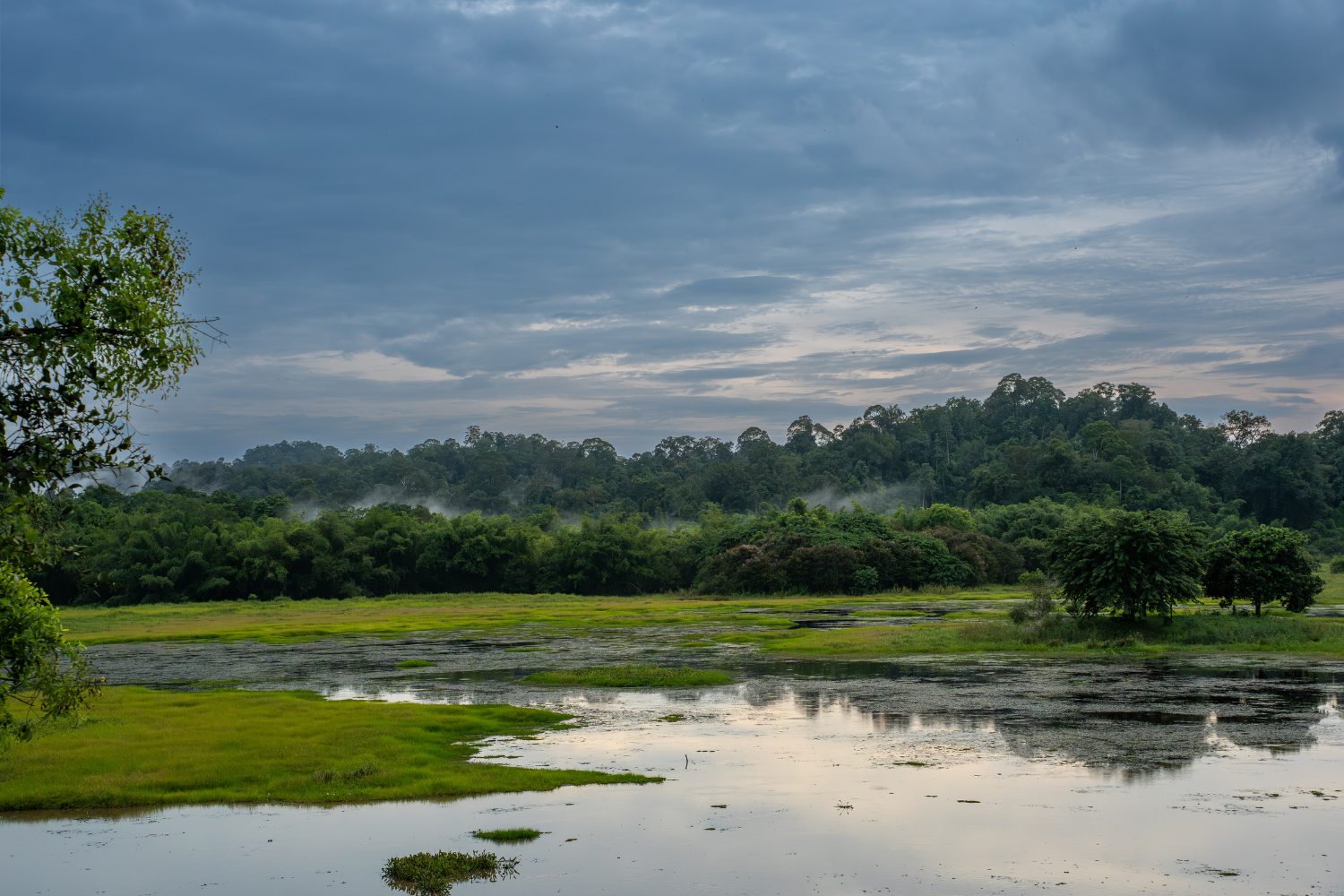
Today, several S'Tieng communities continue to live near Cat Tien National Park, where visitors can experience their warm hospitality, learn about their enduring traditions, and gain a deeper appreciation for a culture that has thrived alongside one of Vietnam's most biodiverse forests for generations.
The S'Tieng (also spelled X'Tieng, Xa Dieng, or Xa Chieng) are one of Vietnam's 54 officially recognized ethnic groups. According to the 2019 Population and Housing Census, there are 100,752 S'Tieng people in Vietnam, living primarily in Binh Phuoc Province, with smaller communities in Tay Ninh, Dong Nai, Lam Dong, and Binh Duong. An estimated 6,500 S'Tieng also live across the border in Cambodia. Today, several S'Tieng communities remain near Cat Tien National Park, where the surrounding forests continue to play an important role in daily life and cultural traditions.
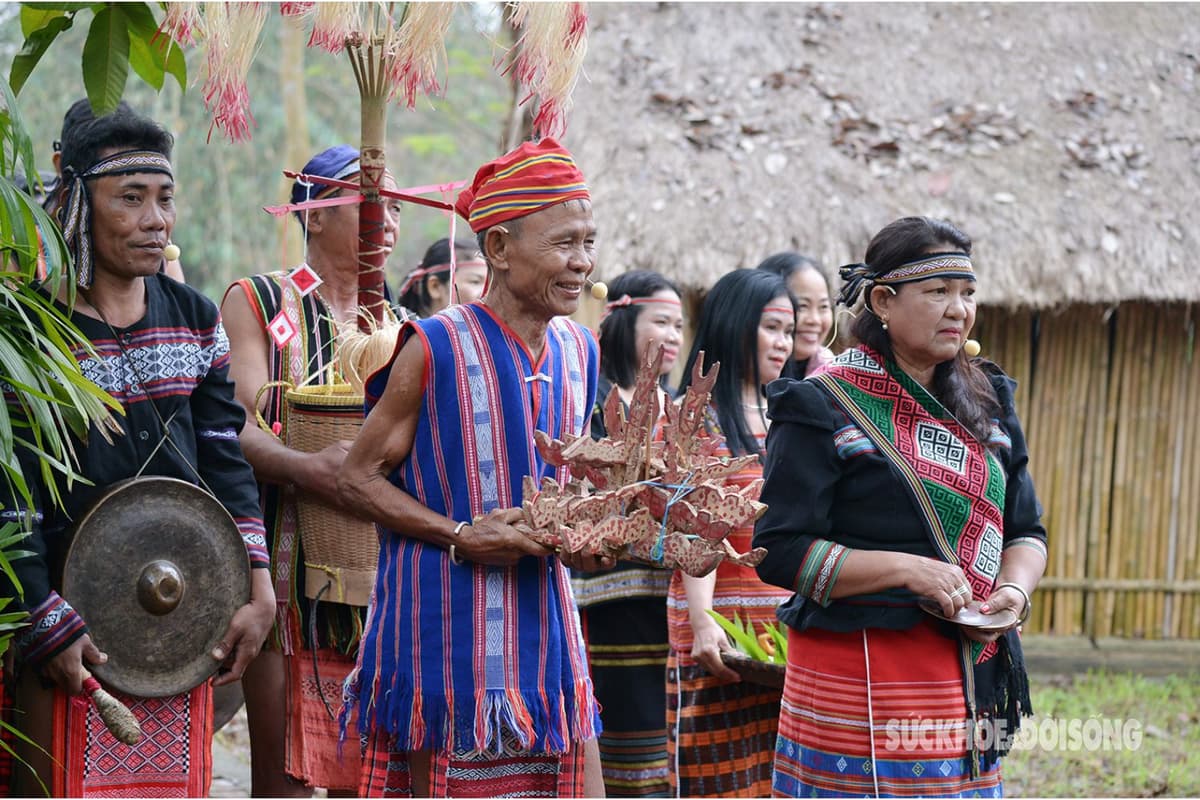
The S’tieng people live primarily in Binh Phuoc (now Dong Nai Province). Source: Bao Suc Khoe va Doi Song.
The S'Tieng are one of several indigenous communities living in the Cat Tien region. They have long shared the landscape with neighboring peoples such as the Ma, who have their own language, customs, and cultural traditions. While the two communities have lived side by side for centuries and share certain cultural features, including a close relationship with the forest, harvest festivals, cong chieng music, and ruou can, they remain distinct ethnic groups with their own histories, beliefs, and identities.
Historically, the S'Tieng inhabited a vast region stretching from Ba Den Mountain in present-day Tay Ninh Province to Ba Ra Mountain in the former Song Be Province. While their population is now concentrated mainly in Binh Phuoc, their cultural heritage remains deeply rooted throughout southeastern Vietnam.
The S'Tieng language belongs to the Mon-Khmer branch of the Austroasiatic language family. Most S'Tieng people are bilingual, speaking both their native language and Vietnamese, while communities in Cambodia also speak Khmer. A Latin-based writing system has been used since before 1975, helping preserve traditional stories, folklore, and cultural knowledge. The surname Dieu remains the most common family name among the S'Tieng.
Traditionally, the S'Tieng were divided into four groups: Bu Lo, Bu Dek, Bu Lap, and Bu Biet. Today, they are generally classified into two main groups: Bu Lo and Bu Dek, each reflecting the landscapes where they traditionally lived. The Bu Dek settled in lowland areas, cultivating wet rice and using buffaloes and cattle to plough their fields. The Bu Lo lived in the uplands, practicing shifting cultivation while gathering wild foods and forest products to supplement their livelihoods.
Traditional S'Tieng villages were close-knit, self-governing communities led by a respected village elder whose authority was based on experience, knowledge of customary laws, and the trust of the community. Wealth was measured not by money but by valuable possessions such as buffaloes, cattle, bronze gongs, ceramic jars, and jewelry, which also reflected a family's social standing.
For generations, the S'Tieng have lived in close harmony with the natural world. The forest has provided food, timber, medicinal plants, and other essential resources while also shaping their beliefs, customs, and spiritual life. Although livelihoods have diversified over time, respect for nature remains central to S'Tieng identity - a connection that is still evident in the communities living around Cat Tien National Park today.
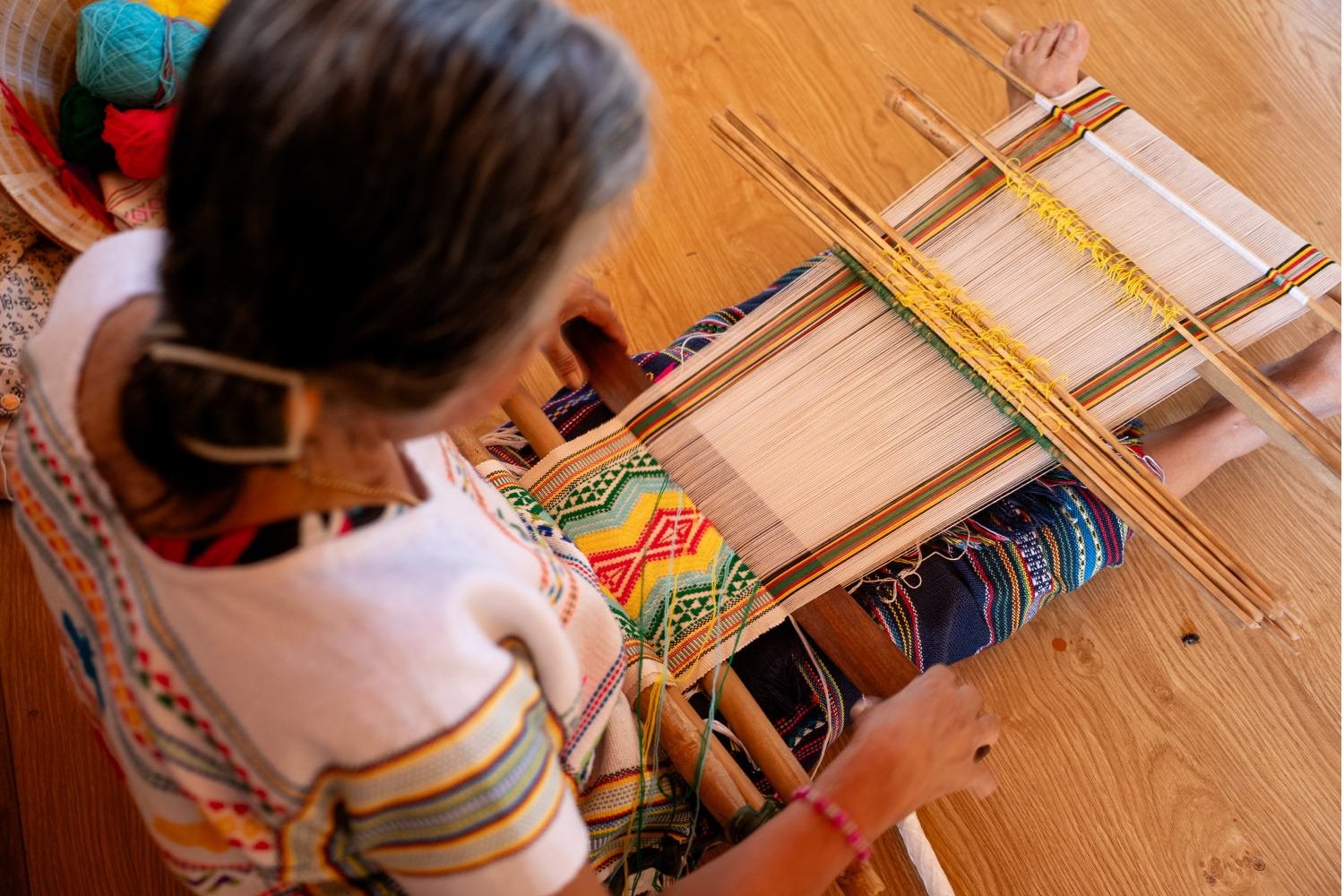
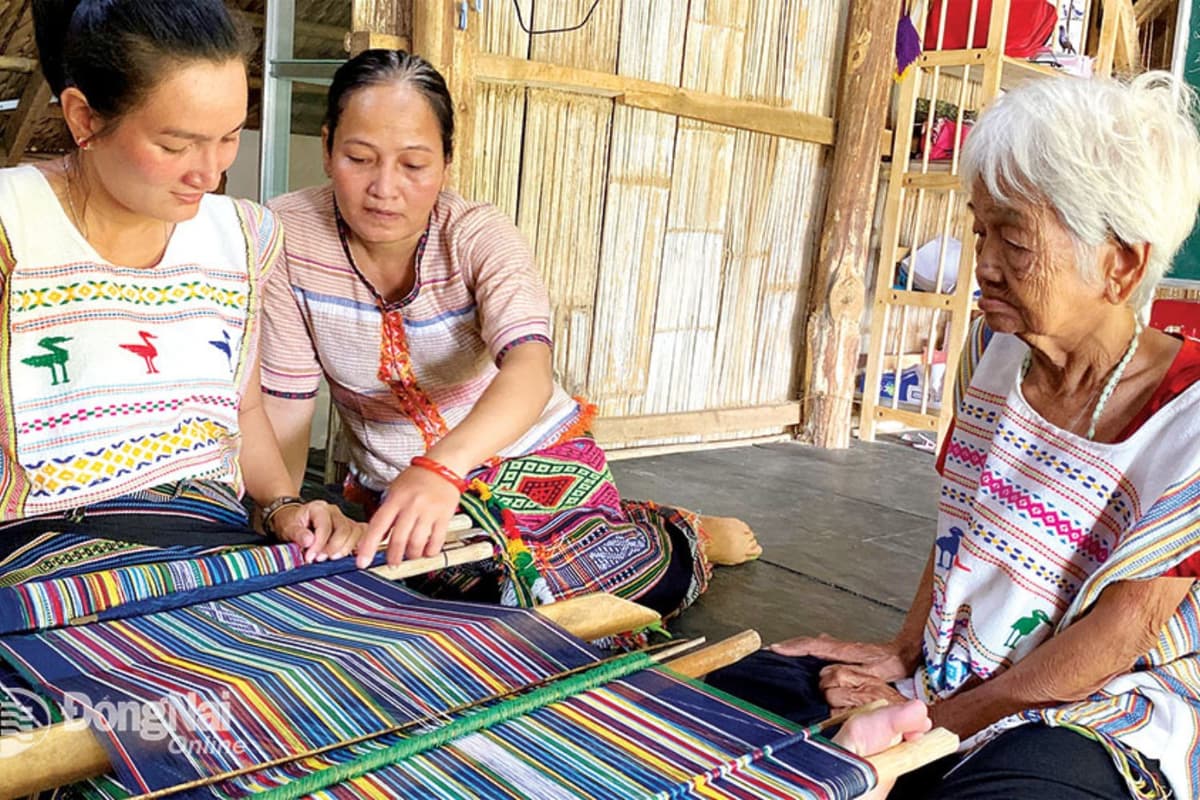
Traditional S'Tieng clothing reflects both everyday life and the community's artistic heritage. Men traditionally wore loincloths, while women wore handwoven cotton skirts dyed with natural black, indigo, and red pigments. These garments featured bold geometric patterns inspired by forests, rivers, mountains, and rice fields. Metal bracelets, bead necklaces and other ornaments were also important, with large ivory bracelets once symbolizing beauty and prosperity.
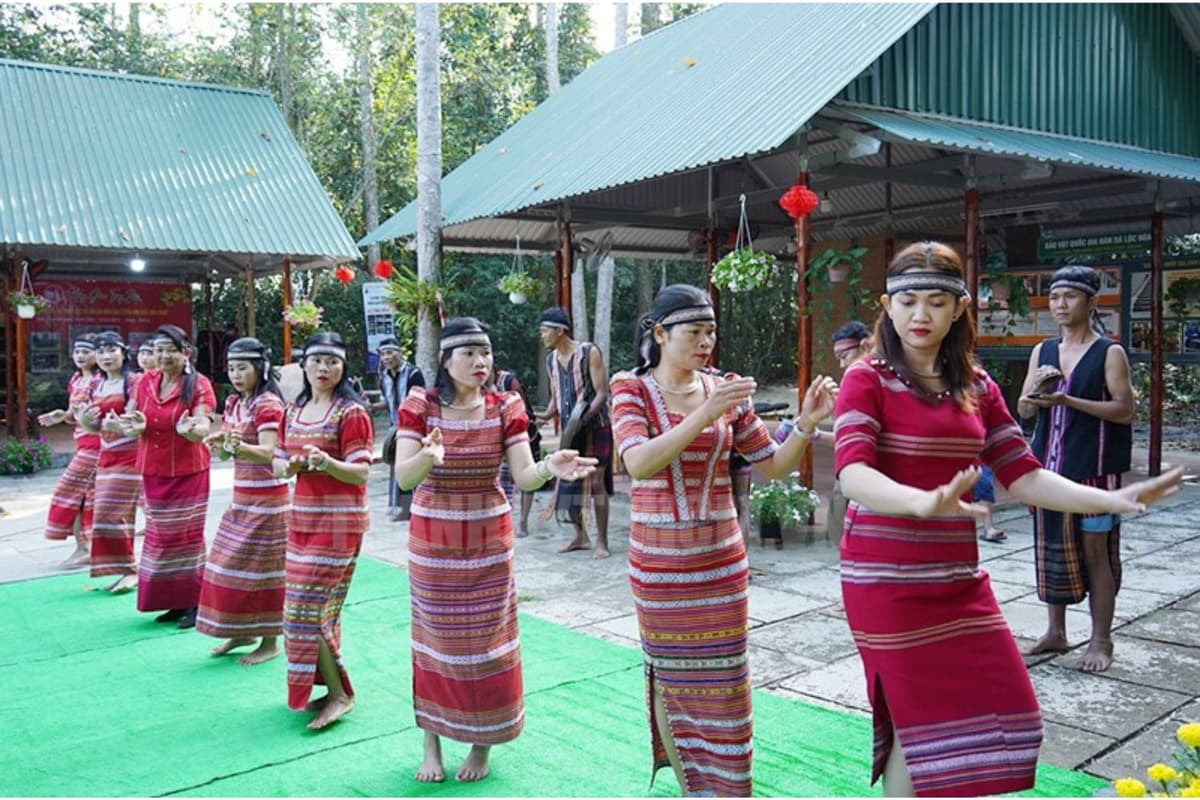
Traditional S’tieng women’s clothing are handwoven using cotton dyed with natural red, indigo and black pigments. Source: Thanh Uy TP Ho Chi Minh.
Brocade weaving was one of the S'Tieng's most valued traditional crafts. Using hand-spun cotton and natural dyes, artisans created textiles with distinctive geometric motifs inspired by the surrounding landscape. These fabrics were worn for daily life, ceremonial occasions, and historically traded with neighboring Kinh, Khmer, Ma and Mnong communities through regional barter networks.
Today, traditional clothing is mainly worn during festivals and cultural events, while modern clothing is common in daily life. Although only a small number of artisans continue weaving, especially in Binh Phuoc (now Dong Nai) and nearby communities, this handicraft is still preserved through cultural festivals, handicraft demonstrations, and community-based tourism. Handwoven brocade is occasionally sold as a cultural souvenir, supporting local livelihoods while keeping this important S'Tieng tradition alive.
Music plays a central role in S'Tieng community life, serving as a way to celebrate important occasions, express emotions and strengthen community bonds. Among the S'Tieng's most treasured cultural traditions is the cồng chiêng ensemble. In many S'Tieng communities, a complete ensemble includes five bossed gongs (cồng) and six flat gongs (chiêng), each producing a distinct pitch that contributes to the rich, layered sound of traditional performances. More than musical instruments, these gongs are regarded as sacred objects that embody the community's cultural identity and spiritual beliefs.
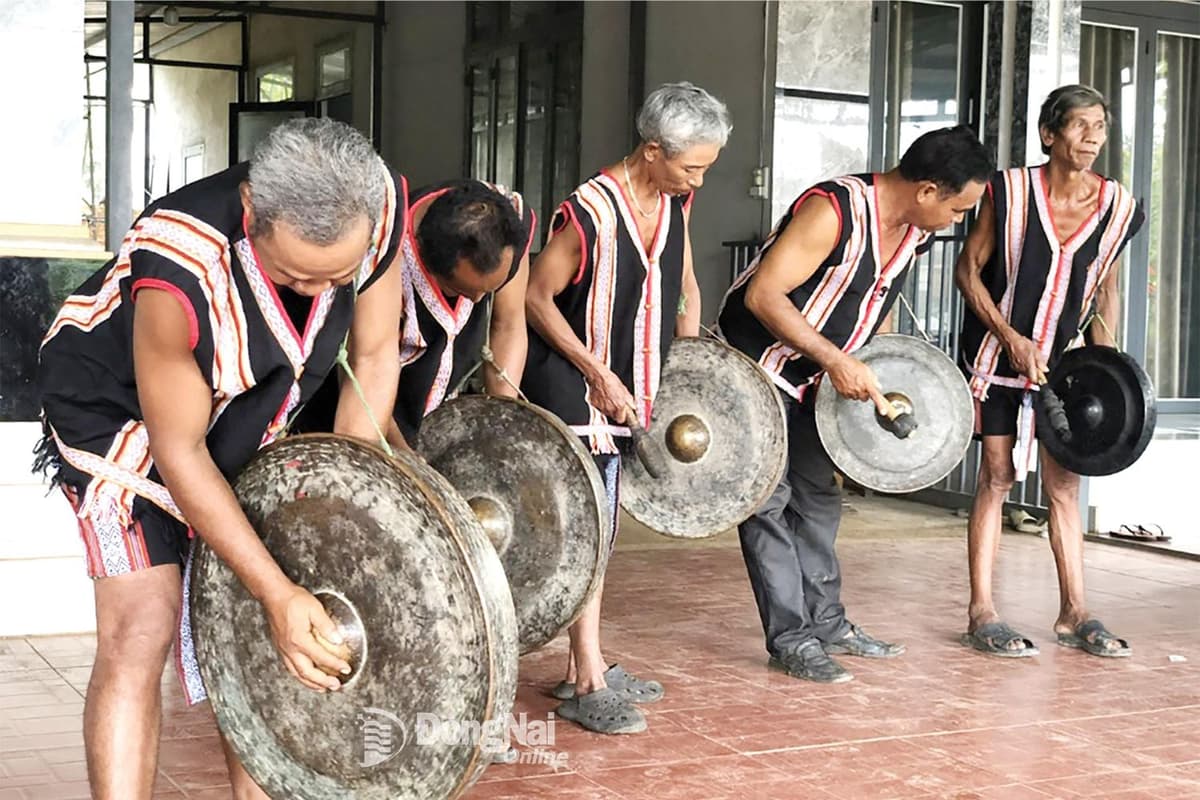
More than musical instruments, these gongs are regarded as sacred objects that embody the cultural identity and spiritual beliefs of the S’tieng community. Source: Bao Dong Nai
The deep, resonant sound of the cồng chiêng accompanies the S'Tieng's most important ceremonies, festivals, and communal celebrations. It is believed to strengthen the connection between the living and the spiritual world while expressing gratitude, joy and respect. Gong performances also play an important social role, accompanying celebrations and helping reinforce community harmony. According to S'Tieng custom, the cồng chiêng are traditionally played only during significant rituals, such as the buffalo sacrifice ceremony, reflecting the reverence accorded to these sacred instruments.
In addition to the cồng chiêng, the S'Tieng play a variety of traditional instruments, including the khèn bầu (a free-reed wind instrument), bamboo flutes, and percussion instruments crafted from bamboo and other natural materials collected from the forest. Together, these instruments create the distinctive sounds that have accompanied S'Tieng ceremonies, storytelling and daily life for generations.
Today, traditional music remains a vibrant expression of S'Tieng cultural identity. Gong performances continue to be featured during festivals, cultural exchanges, and community celebrations, while local artisans and performers pass these traditions on to younger generations. For visitors to communities near Cat Tien National Park, experiencing a cồng chiêng performance offers a unique opportunity to appreciate one of the S'Tieng's most enduring cultural traditions.
Like many indigenous communities in southeastern Vietnam, the S'Tieng celebrate the rhythms of nature through seasonal ceremonies, harvest festivals, and life-cycle rituals. While they share animistic beliefs with neighboring groups like the Ma, their customs and spiritual traditions are uniquely their own.
At the heart of S'Tieng spirituality is the belief that the natural world is inhabited by protective spirits, known as Prak, who watch over forests, rivers, mountains, fields, and ancestral lands. Among the most important are the forest spirit (Bri), earth spirit (The), sky spirit (Nar), and rice spirit (Pa). Maintaining harmony with these spirits has traditionally been central to community life, as they are believed to protect people, ensure abundant harvests, and bring prosperity.
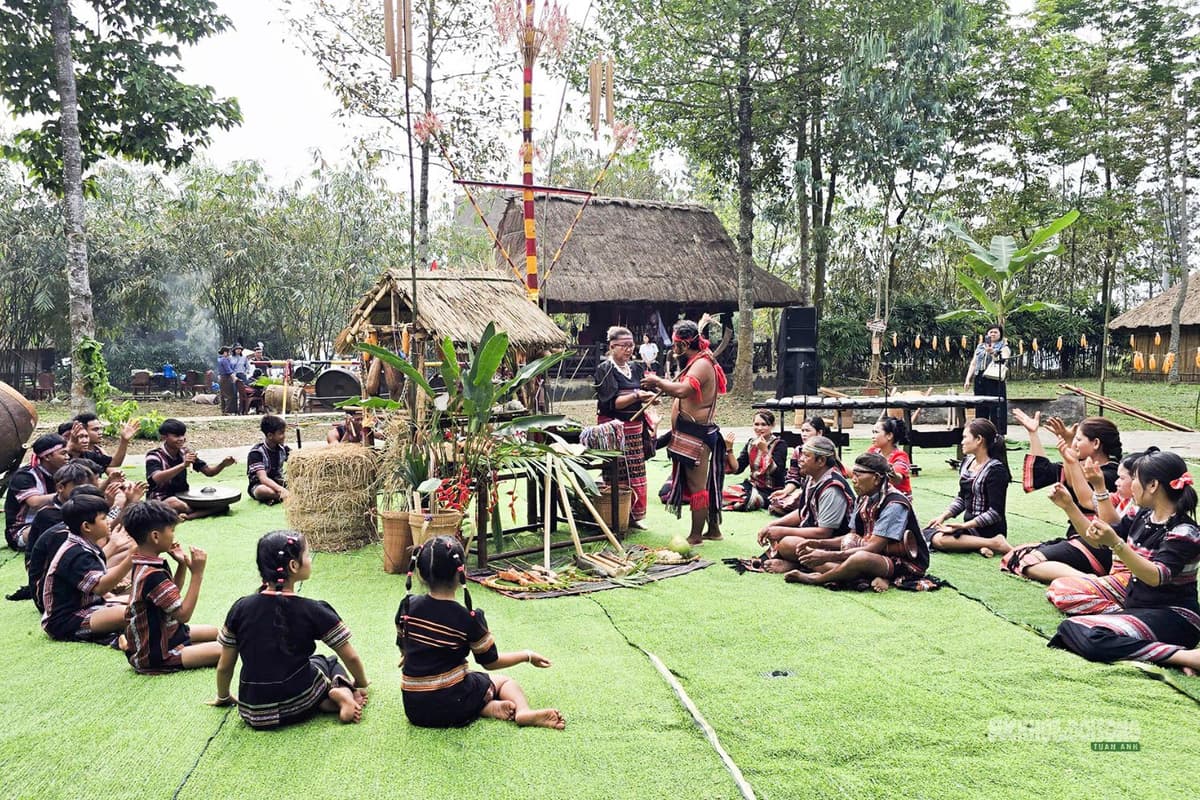
At the heart of S'Tieng spirituality is the belief that the natural world is inhabited by protective spirits that watch over forests, rivers, mountains, fields, and ancestral lands. Source: Bao Suc Khoe va Doi Song
These beliefs are closely tied to the S'Tieng's agricultural traditions. The Bu Lo practiced swidden (slash-and-burn) farming in the uplands, while the Bu Dek cultivated wet rice in lower-lying areas. Before clearing new fields, families performed ceremonies to seek permission from the forest spirits, while prayers and offerings throughout the growing season expressed gratitude and sought blessings for a successful harvest.
Among the most important celebrations is the New Rice Festival (Lễ Mừng Lúa Mới), held after the harvest, typically between December and January. Families thank the rice spirit and their ancestors for a successful growing season while praying for health and prosperity in the year ahead. Offerings of newly harvested rice, rượu cần (traditional rice wine), and other local dishes are shared with relatives and neighbors, accompanied by cồng chiêng performances, traditional dances, storytelling, and communal feasts. Although celebrations are generally smaller today, the festival continues to be observed in many S'Tieng communities in Binh Phuoc and Dong Nai. In December 2025, for example, S'Tieng communities gathered in Tan Hung Commune, Dong Nai Province, for a New Rice Festival and Cong Chieng Cultural Exchange, celebrating their traditions through music, dance, and local cuisine.
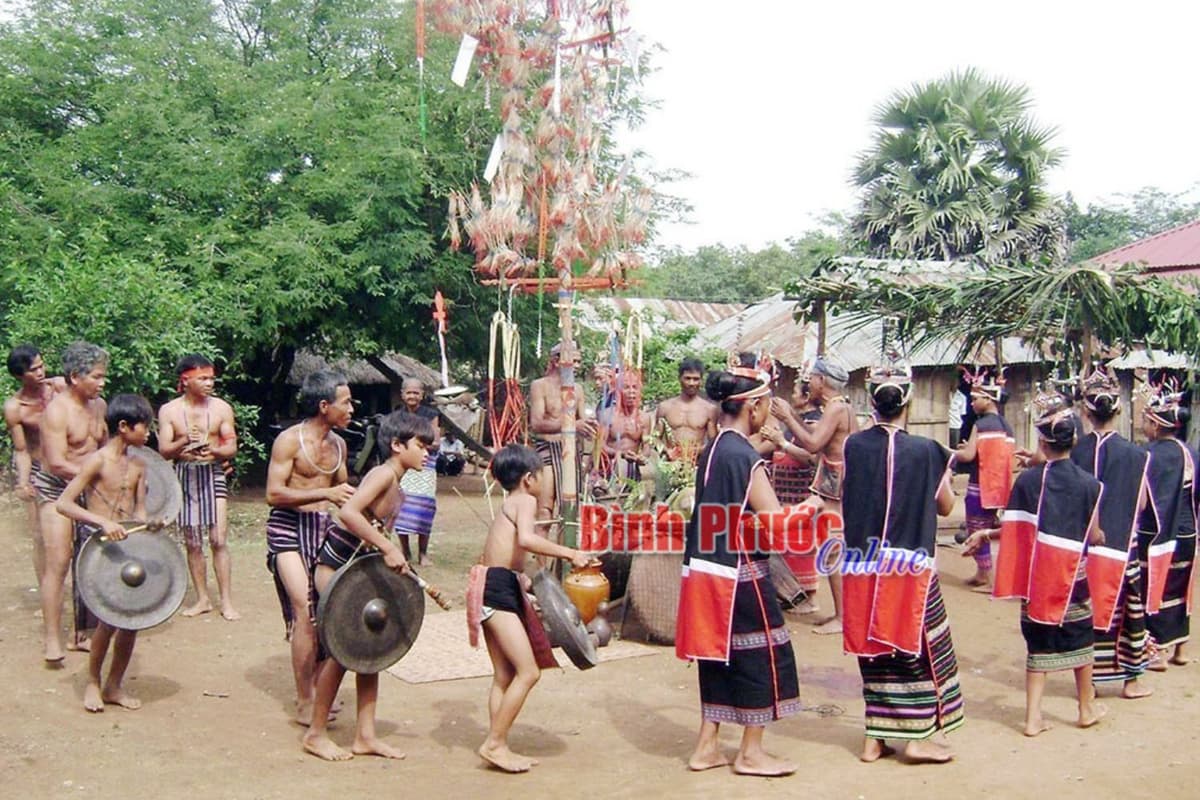
In the New Rice Festival, families thank the rice spirit and their ancestors for a successful growing season while praying for health and prosperity in the year ahead. Source: Binh Phuoc Online
Another important traditional ceremony is the Buffalo Sacrifice Festival (Lễ Đâm Trâu), historically held to celebrate abundant harvests, prosperity, or other significant occasions. Buffaloes, and sometimes cattle or pigs, were offered to honor the spirits, while the sacred cồng chiêng ensemble accompanied music, dancing, and communal feasting. Although animal sacrifice is now uncommon, many communities continue to preserve the festival's cultural elements through traditional performances and community gatherings.
Beyond agricultural festivals, the S'Tieng also observe ceremonies marking major life events, including birth, coming of age, marriage, illness, and funerals. Together, these rituals reinforce family and community bonds while reflecting the enduring S'Tieng belief that people should live in harmony with their ancestors, the spiritual world, and nature.
Although many customs have evolved over time, S'Tieng beliefs and ceremonies remain an important part of the community's cultural identity, helping preserve traditional knowledge for future generations.
Like many indigenous communities of southeastern Vietnam, the S'Tieng's cuisine has been shaped by the forests, rivers, and fertile lands they have called home for generations. Closely tied to the seasons, traditional meals make use of ingredients gathered from nature alongside crops cultivated in the fields. Rice has long been the staple food, with both ordinary rice and sticky rice forming the foundation of daily meals. Freshwater fish, shrimp, bamboo shoots, mushrooms, wild vegetables, herbs, and edible forest plants have traditionally provided a diverse and nutritious diet. Although many families now purchase food from local markets, seasonal ingredients collected from the surrounding landscape continue to play an important role in S'Tieng cooking.
S'Tieng dishes are known for their simplicity, allowing the natural flavors of fresh ingredients to take center stage rather than relying on heavy seasoning. Some of the best-known traditional foods include cơm lam, sticky rice cooked inside bamboo tubes over an open fire; gà nướng, charcoal-grilled chicken; canh bồi, a hearty soup made from vegetables and ground grains; and grilled or steamed freshwater fish wrapped in forest leaves. Wild herbs and seasonal vegetables are often served alongside these dishes, reflecting the community's deep knowledge of the local ecosystem and its edible resources.
No celebration is complete without rượu cần, a traditional fermented rice wine shared from a large earthen jar through long bamboo straws. Reserved for festivals, ceremonies, and other important gatherings, rượu cần is more than a drink, it is a symbol of hospitality, friendship, and community. Families and guests usually gather around a jar of rượu cần to share stories, enjoy cồng chiêng performances, sing traditional songs, and celebrate together.
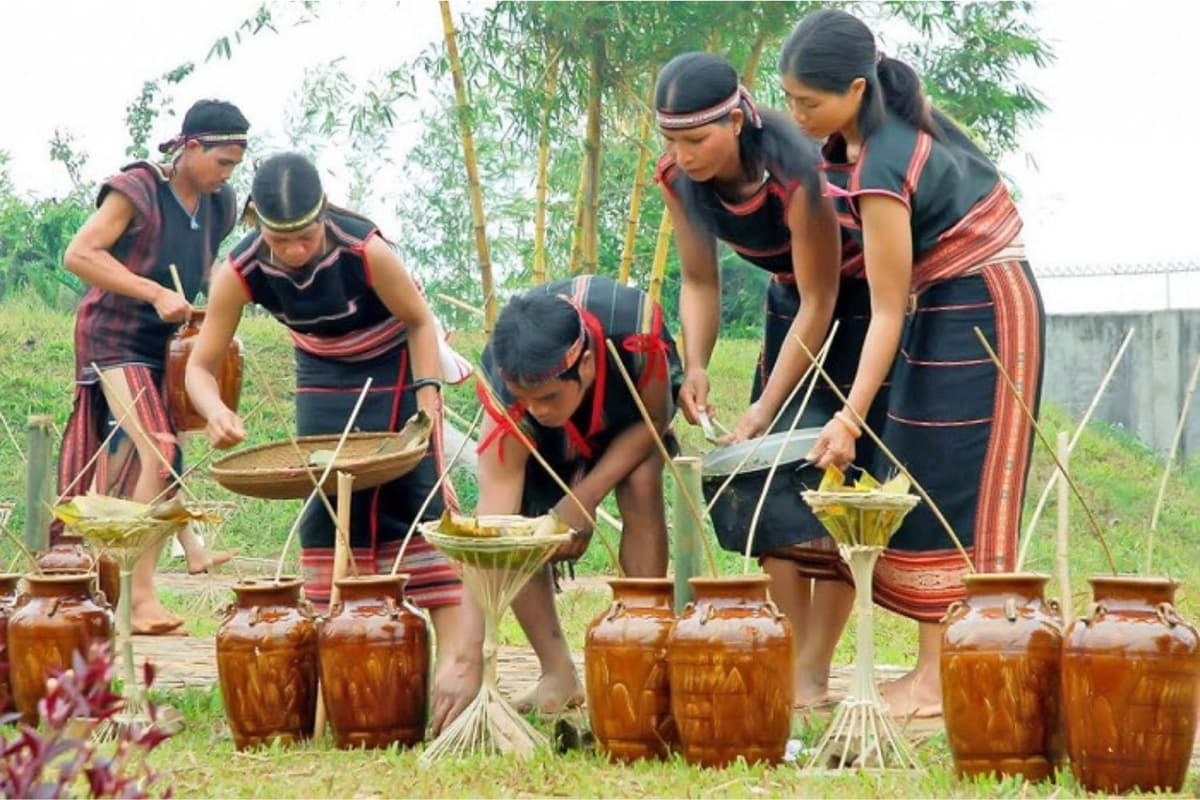
Rượu cần - a traditional fermented rice wine shared from a large earthen jar through long bamboo straws. Source: Lu hanh Viet Nam
The S'Tieng's close relationship with nature is reflected not only in their food but also in the tools used to prepare and serve it. In the past, many household utensils were crafted from materials gathered from the forest. Gourds, for example, were hollowed out to create lightweight containers for rice, soup, and drinking water, demonstrating the community's resourceful use of natural resources.
Today, communal meals remain at the heart of S'Tieng culture. Food is often shared from large serving platters, encouraging conversation and strengthening family and community bonds. While daily diets have evolved with modern lifestyles, traditional dishes continue to be prepared during festivals, family gatherings, and when welcoming visitors, ensuring that the culinary heritage of the S'Tieng is passed from one generation to the next.
A visit to a S'Tieng community offers a meaningful way to experience one of southeastern Vietnam's oldest indigenous cultures. Living alongside the forests of Cat Tien National Park for generations, the S'Tieng have preserved traditions deeply connected to nature.
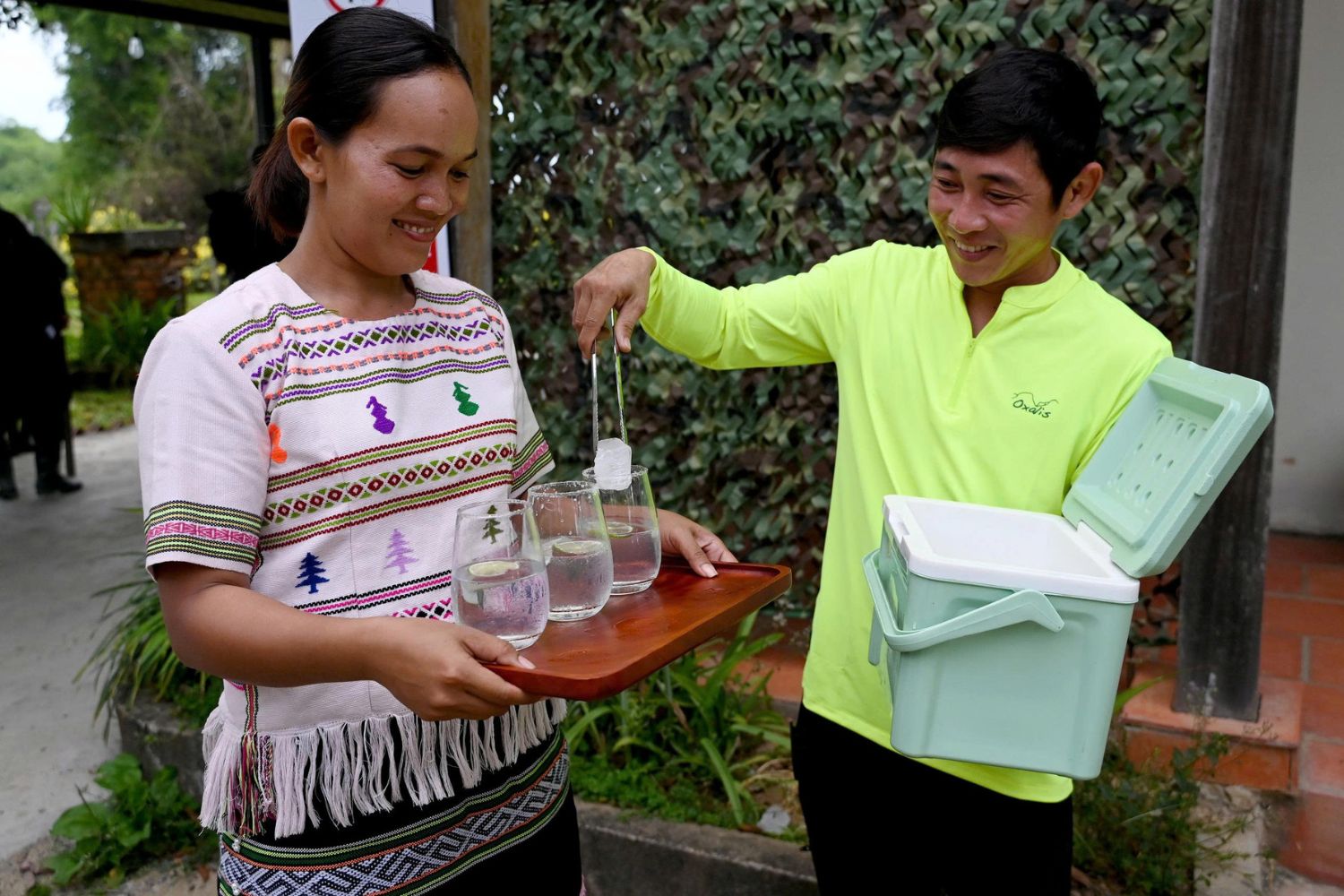
As part of selected Katien Safari tours, visitors can meet local families, walk through scenic rice fields, and gain insight into local customs. These authentic experiences foster meaningful cultural exchange while supporting community-based tourism and the preservation of the local communities’ heritage.
Respect for local customs is an important part of visiting any indigenous community. Simple acts of courtesy help create positive experiences for both visitors and hosts while supporting responsible tourism.
When visiting a S'Tieng village, remember to:
By visiting with curiosity and respect, you'll not only gain a deeper appreciation of S'Tieng culture but also contribute to the long-term preservation of one of Vietnam's cultural treasures.
Cat Tien National Park is renowned for its extraordinary biodiversity, but its forests are also part of a living cultural landscape that has been shaped by indigenous communities for generations. The traditions of the S'Tieng, from their spiritual beliefs and agricultural festivals to their cồng chiêng music and forest-inspired cuisine, offer a fascinating glimpse into the rich cultural heritage of southeastern Vietnam and the deep relationship between people and nature.
While Katien Safari's community-based experiences focus on the neighboring Ma community, learning about the S'Tieng provides valuable insight into the rich cultural diversity of the Cat Tien region. Together, these indigenous communities have lived alongside the forest for centuries, shaping the landscapes and traditions that define the area today.
Through Katien Safari, visitors can meet local families, enjoy traditional cuisine, and explore Cat Tien's wildlife and landscapes. By choosing responsible tourism, every visit helps support local livelihoods while contributing to the long-term conservation of both the region's natural environment and its cultural heritage.