Table of Content
Stories & Updates From THE WILD WORLD
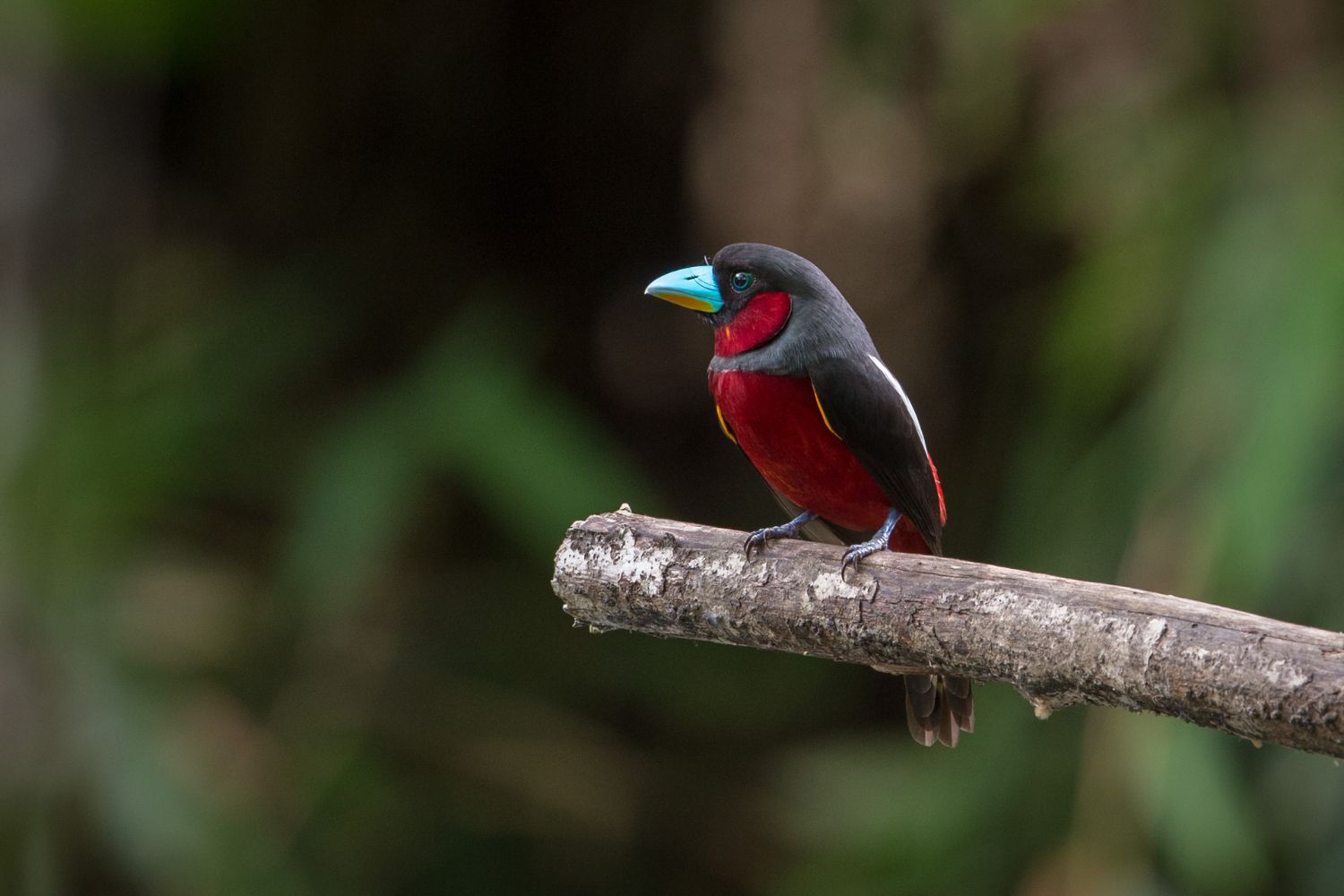


In recent years, avitourism - also known as birdwatching tourism - has become one of the fastest-growing forms of nature travel around the world. More than simply spotting birds, birdwatching allows travellers to immerse themselves in some of the planet’s most pristine ecosystems, from tropical rainforests to wetlands, grasslands, and remote mountain ranges.
For many birders, the journey is about far more than building a species list. It is about slowing down, listening to the sounds of the forest at dawn, witnessing rare wildlife in its natural habitat, and developing a deeper connection with the natural world. In many destinations, birdwatching has also become an important tool for conservation, helping protect fragile habitats while supporting local communities through sustainable ecotourism.
The world of birds is astonishingly diverse. Scientists have recorded more than 10,000 bird species globally, each adapted to unique environments across every continent on Earth. From the dazzling Birds-of-Paradise of Papua New Guinea and the iconic Resplendent Quetzal of Central America to the elusive pittas and pheasants of Southeast Asia, birdwatching offers endless opportunities for discovery and adventure.
Whether you are a beginner discovering your first kingfisher or an experienced birder travelling across continents in search of rare endemics, the world of avitourism opens the door to some of nature’s most unforgettable experiences!
Birdwatching, often shortened to “birding,” is the practice of observing birds in their natural habitats. While many people casually enjoy watching birds in gardens or parks, birding can also become a lifelong passion that takes travellers across the globe in search of rare and extraordinary species.
Within the birding community, highly dedicated birdwatchers are often known as “twitchers.” A twitcher is someone who actively travels to see specific bird species, particularly rare or difficult-to-find birds. For many twitchers, every trip becomes a unique challenge - waking before sunrise, trekking through dense rainforest, waiting silently in bird hides, or scanning distant wetlands in hopes of a single unforgettable sighting.
What makes birdwatching especially rewarding is the way it transforms travel into a deeper experience of place. Birders often explore remote forests, wetlands, mountain ranges, and untouched wilderness areas that many tourists never visit. Along the way, they learn not only about birds, but also about ecosystems, migration patterns, conservation efforts, and local cultures connected to the natural environment.
Birdwatching also encourages patience, observation, and mindfulness. Unlike fast-paced tourism, birding teaches travellers to slow down and pay attention to subtle movements, sounds, and seasonal changes in nature. Even a common species can become fascinating when observed closely in the wild.

Birdwatching has proved to increase patience, observation and mindfulness.
Today, birding has grown into a global community supported by conservation organisations, bird festivals, citizen science platforms, photography groups, and ecotourism operators. Whether you are hoping to see your first hummingbird or planning an expedition to search for rare endemic species, birdwatching offers an endless journey of exploration and discovery.
A successful birding trip requires more than simply choosing a destination. Careful planning can dramatically improve your chances of seeing target species while also creating a smoother and more rewarding travel experience.
Before travelling, it is important to learn about the region’s habitats, climate, and bird diversity. Some destinations are famous for endemic species found nowhere else in the world, while others are best known for migratory birds or seasonal wildlife gatherings. Therefore, reading trip reports, birding guides, and recent sightings can help you identify the best locations and timing for visiting!
Seasonality plays a major role in birdwatching success. Breeding seasons are often ideal for viewing colourful displays and vocal activity, while migration periods can bring enormous numbers of species into a single region. Remember to check the weather of your intended destination beforehand as weather conditions also affect accessibility, especially in tropical forests and mountain areas.

Tropical forests like Cat Tien forest have two seasons - dry and wet season.
Experienced local bird guides can significantly increase your chances of finding rare or elusive species. Many birds are identified more easily by sound than sight, and local guides often know exact feeding areas, nesting sites, or seasonal movements. Hiring guides also helps support local conservation economies and sustainability of that area.
Bird activity is usually highest shortly after sunrise and again in the late afternoon. Most serious birding trips begin before dawn, especially in tropical forests where bird activity can slow dramatically during midday heat.
Responsible birdwatching is essential for conservation. Remember to avoid disturbing nests, limit the use of playback calls, stay on designated trails, and observe wildlife from a respectful distance. Ethical birding can help protect sensitive species and preserve habitats for future generations.
Birdwatching often requires patience. Some species may appear only briefly, while others remain hidden for hours. Otherwise, unexpected weather, changing forest conditions, or seasonal variations can all affect sightings. So it’s really important that you prepare to be flexible and persistent throughout your birdwatching trip!
Having the right equipment can greatly improve both comfort and success during a birdwatching trip. While beginners can start with simple gear, experienced birders often rely on specialised equipment for observation, photography, and species identification. Whether you’re a beginner or an experienced birder, here are a few toolkits we’d like to suggest for your birdwatching trip!
Binoculars
A quality pair of binoculars is the most important tool for any birder. Most birdwatchers prefer lightweight binoculars with magnification between 8x and 10x, offering a balance between clarity, brightness, and field of view.
Spotting Scopes
Spotting scopes are especially useful in wetlands, grasslands, coastal habitats, and open mountain landscapes where birds may be viewed from long distances. Scopes provide significantly higher magnification than binoculars and are commonly used for observing shorebirds and raptors.
Field Guides
Traditional bird field guides remain valuable tools for identification, particularly in regions with high species diversity. Many guides include illustrations, range maps, behavioural notes, and vocal descriptions. Therefore, having a field guide in the forest, especially where there is no internet connection, is incredibly helpful.
Camera Equipment
Bird photography often requires cameras with fast autofocus systems and telephoto lenses capable of capturing distant or fast-moving subjects. And if you’re considering which lenses to use, lenses ranging from 300mm to 600mm are commonly used by wildlife photographers.
Tripods and Monopods
Long telephoto lenses can become heavy during extended birding sessions. Tripods and monopods help stabilise equipment and improve image sharpness, particularly in low-light forest environments.
Weather Protection
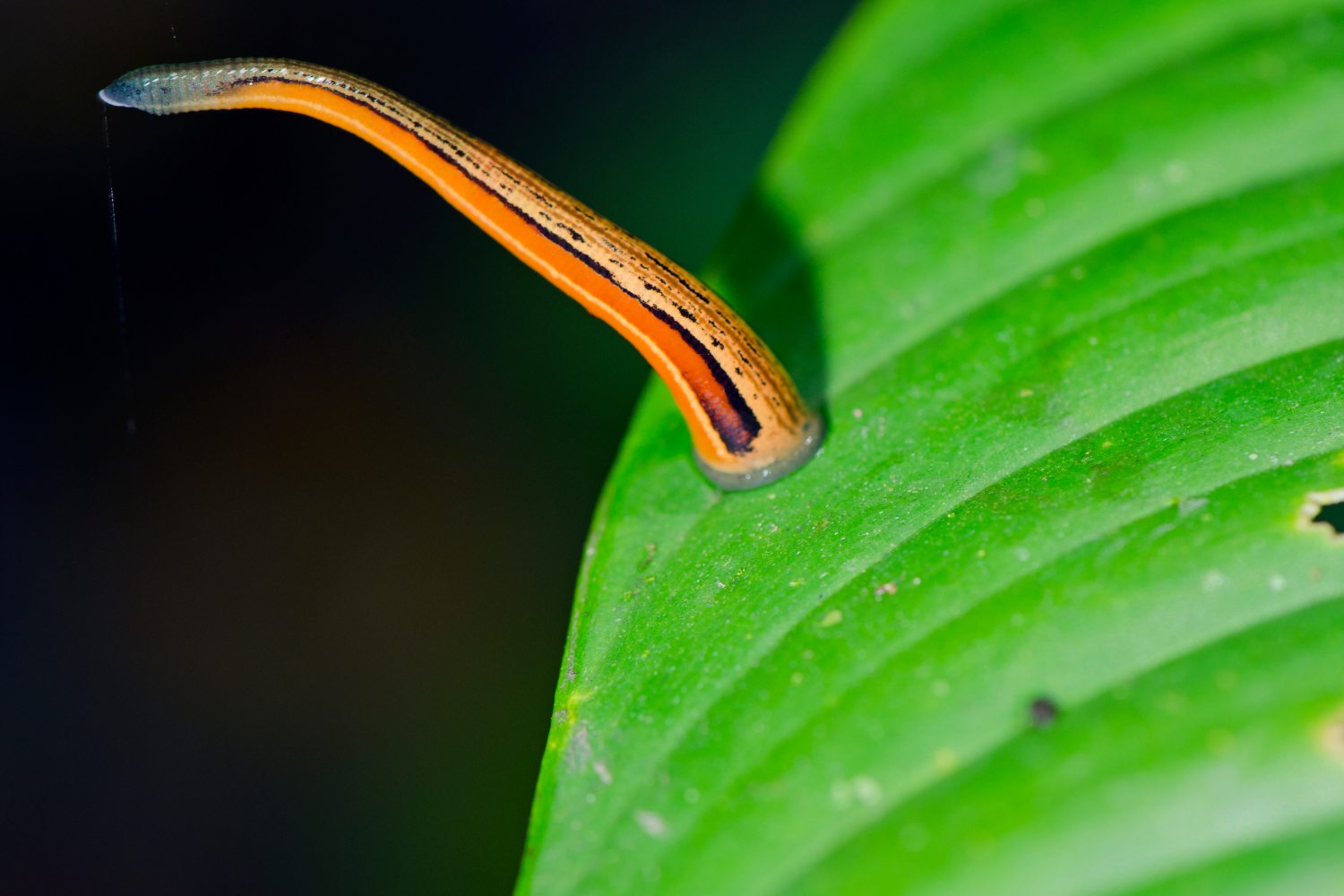
If you’re birding in tropical forests or humid environments, rain covers, dry bags, and waterproof backpacks are essential where sudden weather changes are common. Also, to protect yourself from insects and leeches, remember to wear long sleeved shirts, long pants and closed shoes!
Bird Identification Apps
Modern birding apps have transformed how birdwatchers identify species in the field. You can download applications such as Merlin Bird ID and eBird, which allow users to compare sightings, identify bird calls, and track regional bird records.
Also, if you use these platforms, you might contribute sightings to global conservation databases, helping scientists track migration patterns, species distribution, and population trends worldwide.
GPS and Offline Maps
As you might have known, remote birding destinations may have limited mobile signal. Offline mapping applications and GPS devices can help birders navigate trails safely and record important observation locations.
Sound Recording Devices
Some birders use portable audio recorders to document bird vocalisations, especially in dense forest habitats where species are often heard before they are seen.
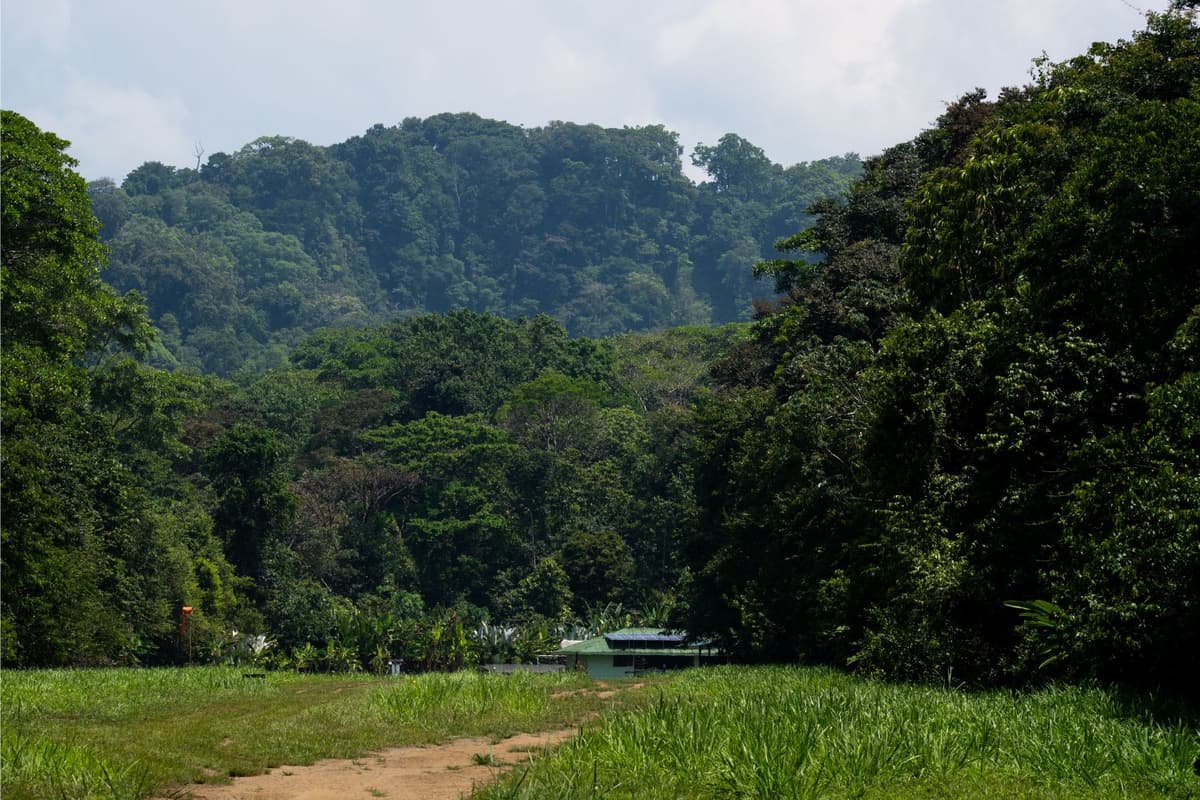
Corcovado National Park in Costa Rica
Costa Rica is often considered one of the world’s best birding destinations thanks to its incredible accessibility, stable ecotourism infrastructure, and extraordinary biodiversity. Within a relatively small country, birders can explore cloud forests, volcanic highlands, mangroves, and tropical rainforests while encountering more than 900 recorded bird species. Here are some of the national parks in Costa Rica where you can birdwatch:
Monteverde Cloud Forest
The legendary Monteverde Cloud Forest is one of the most famous birdwatching sites in the world. Covered in mist almost year-round, this high-elevation forest is especially renowned for sightings of the dazzling Resplendent Quetzal, often considered one of the most beautiful birds on Earth. Other specialties include the Three-wattled Bellbird, Emerald Toucanet, and numerous hummingbird species that thrive in the cool cloud forest ecosystem.
Corcovado National Park
Located on Costa Rica’s remote Osa Peninsula, Corcovado National Park protects one of the most biologically intense places on the planet. The Park’s pristine lowland rainforest provides excellent opportunities to observe Scarlet Macaws flying overhead in pairs or large flocks. Visitors may also encounter trogons, antbirds, king vultures, and dozens of coastal and rainforest species in one trip.
La Selva Biological Station
La Selva is one of the most important tropical research stations in Central America and a paradise for lowland rainforest birding. The area is famous for colourful toucans, Montezuma Oropendolas, tanagers, and an extraordinary diversity of hummingbirds. Birders can also often be found in search of elusive species such as the Great Green Macaw and Snowy Cotinga.
Vietnam has rapidly emerged as one of Asia’s most exciting birding destinations due to its exceptional diversity of endemic birds, dramatic landscapes, and relatively underexplored tropical rainforests. From tropical lowland rainforest to cool mountain cloud forests, the country offers outstanding birding opportunities for both casual birdwatchers and serious listers.
Cat Tien National Park
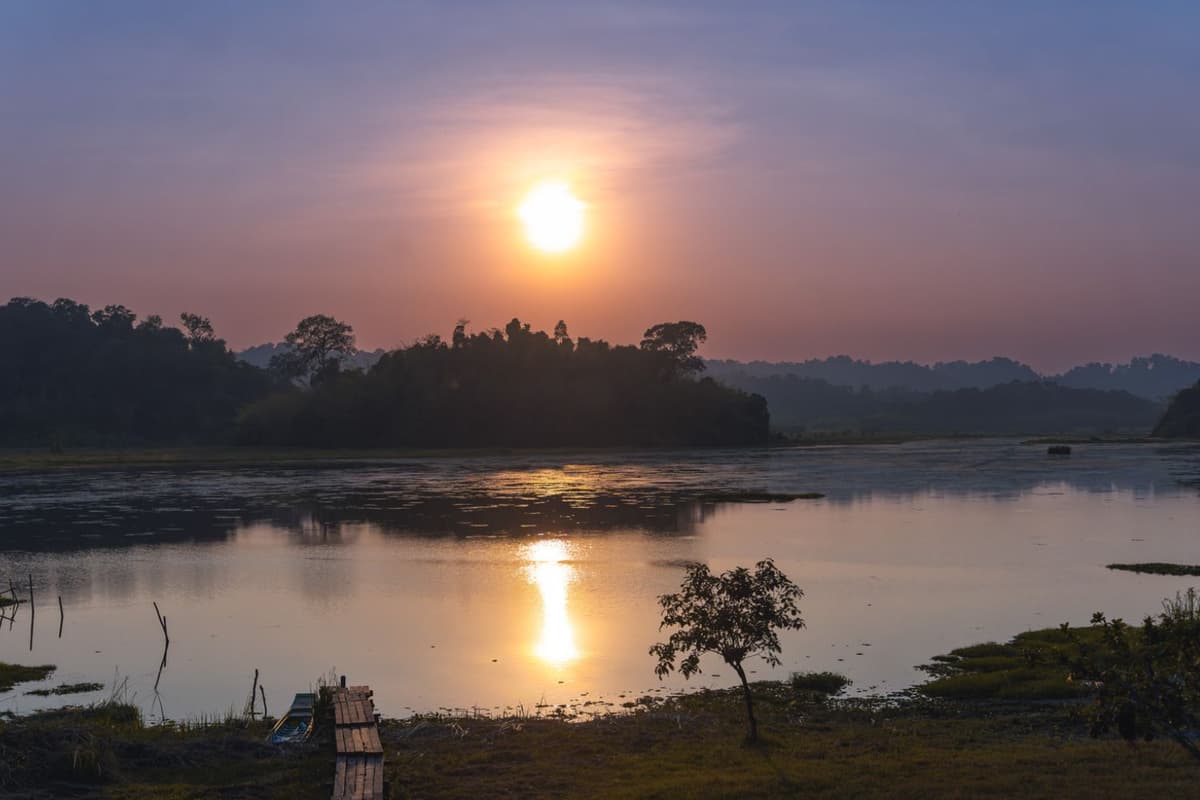
Sunset in Bau Sau (Crocodile Lake), Cat Tien National Park.
Cat Tien National Park is widely regarded as the premier birding destination in southern Vietnam. Its mosaic of evergreen forest, wetlands, bamboo habitats, and grasslands supports more than 350 bird species. The Park is particularly famous for elusive ground birds such as Germain’s Peacock-Pheasant, Bar-bellied Pitta, Blue-rumped Pitta, and Orange-necked Partridge and many other birds such as hornbills and kingfishers. Also, you’ll have a chance to see a wide variety of rare and endangered waterbirds in Cat Tien’s crocodile lake, also known as Bau Sau.
Da Lat Plateau (Bidoup Nui Ba National Park)
The cool montane forests surrounding Da Lat are home to some of Vietnam’s rarest endemic species. Birders travel here to search for specialties such as the Collared Laughingthrush, Grey-crowned Crocias, Vietnamese Greenfinch, and Black-crowned Fulvetta. The combination of pine forest, evergreen mountain forest, and mist-covered valleys here creates one of Southeast Asia’s most unique birding environments.
Cuc Phuong National Park
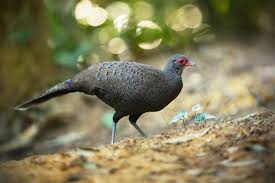
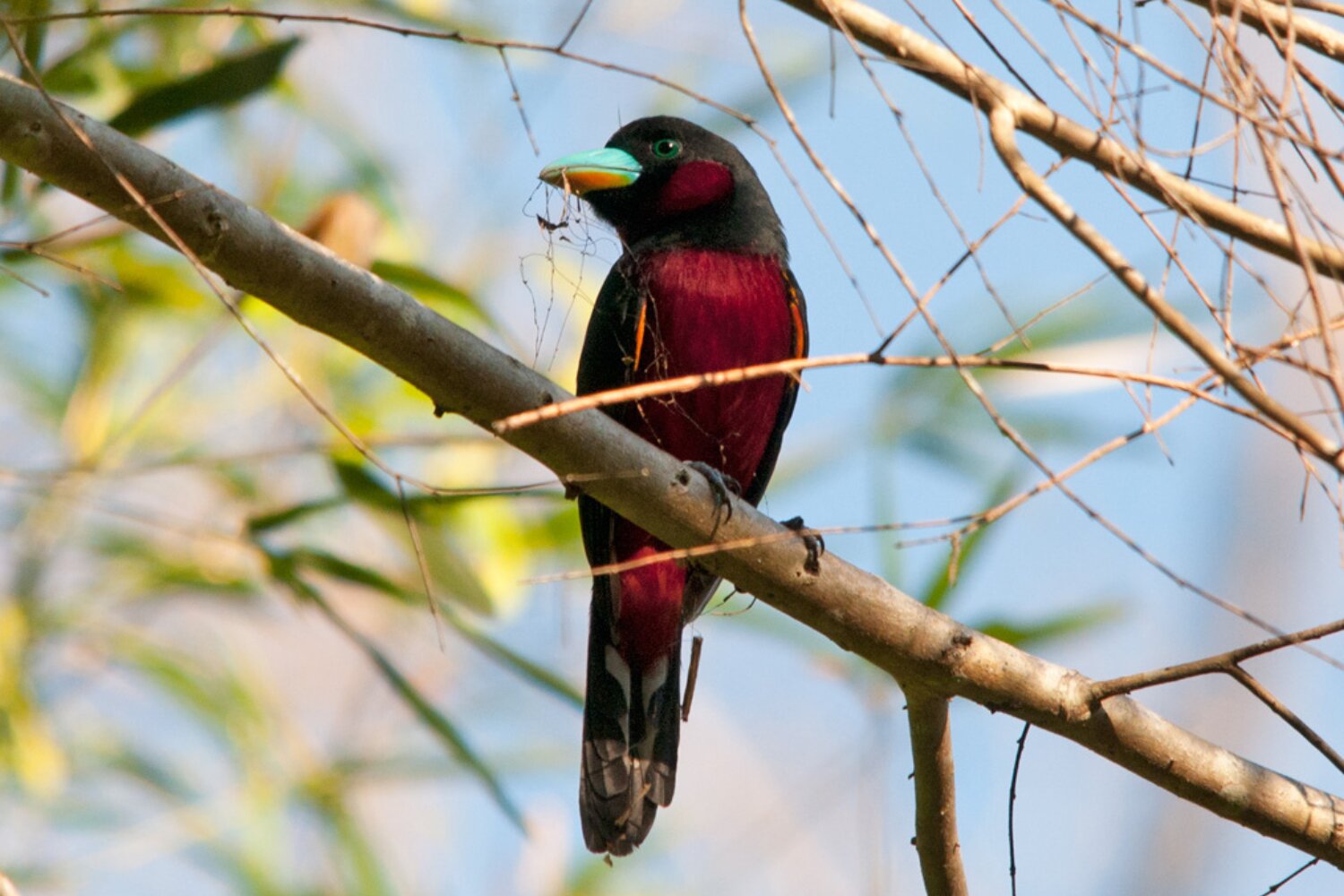
As Vietnam’s oldest national park, Cuc Phuong protects a rich area of limestone forest and ancient tropical woodland. The Park is known for its diversity of woodpeckers, barbets, broadbills, and winter migratory species. Birders often search for species such as Silver Pheasant, Eared Pitta, and various laughing thrushes while also enjoying the Park’s famous primate conservation centres.
Ecuador is one of the world’s top birding nations despite its small size, with more than 1,600 bird species recorded across the Andes, Amazon, Pacific lowlands, and cloud forests. The country’s dramatic elevation changes allow birders to encounter entirely different ecosystems within just a few hours of travel. Let’s look at some of the places where you can go bird watching in Ecuador:
Mindo Cloud Forest
Mindo is internationally famous for its astonishing hummingbird diversity and vibrant cloud forest birdlife. Feeders throughout the region attract dozens of hummingbird species, while nearby forests provide opportunities to observe toucans, motmots, tanagers, and Choco endemics. The area is especially popular among wildlife photographers thanks to its accessibility and spectacular colours.
Yasuni National Park
Located deep within the Ecuadorian Amazon, Yasuni National Park offers one of the richest birding experiences on Earth. Massive macaws, hoatzins, toucans, antbirds, and countless canopy specialists inhabit this immense rainforest ecosystem. Clay licks where parrots gather in huge numbers are among the highlights for visitors.
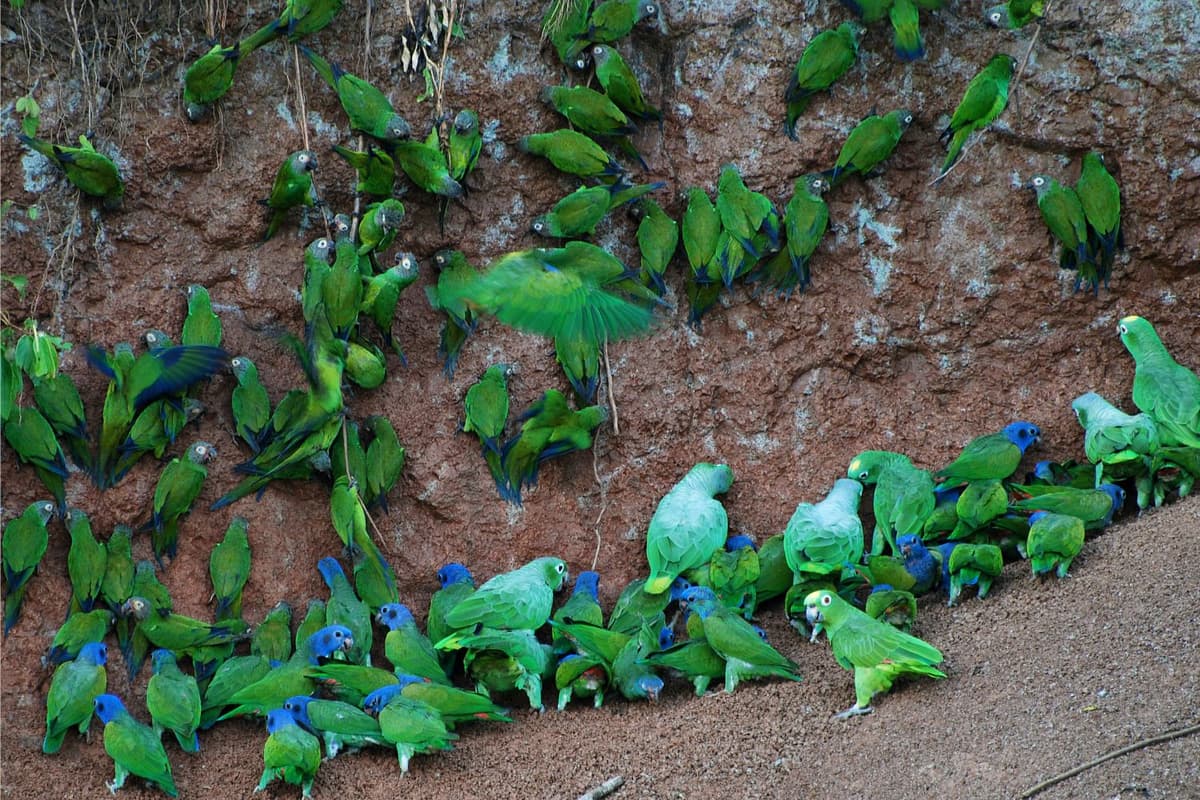
Clay licks in Yasuni National Park.
Antisana Ecological Reserve
This high-altitude Andean reserve is one of the best places in South America to observe the majestic Andean Condor soaring above volcanic landscapes. Other specialties include giant hummingbirds, Carunculated Caracaras, and various highland waterfowl adapted to harsh mountain conditions.
Podocarpus National Park
Located in southern Ecuador, Podocarpus protects diverse montane and cloud forest habitats that support numerous endemic species. Birders often search for rare tanagers, mountain toucans, and high-elevation hummingbirds while exploring the Park’s remote trails.
Peru consistently ranks among the greatest birding countries in the world, with more than 1,800 bird species and an immense range of ecosystems stretching from the Andes Mountains to the Amazon Basin.
Manu Road
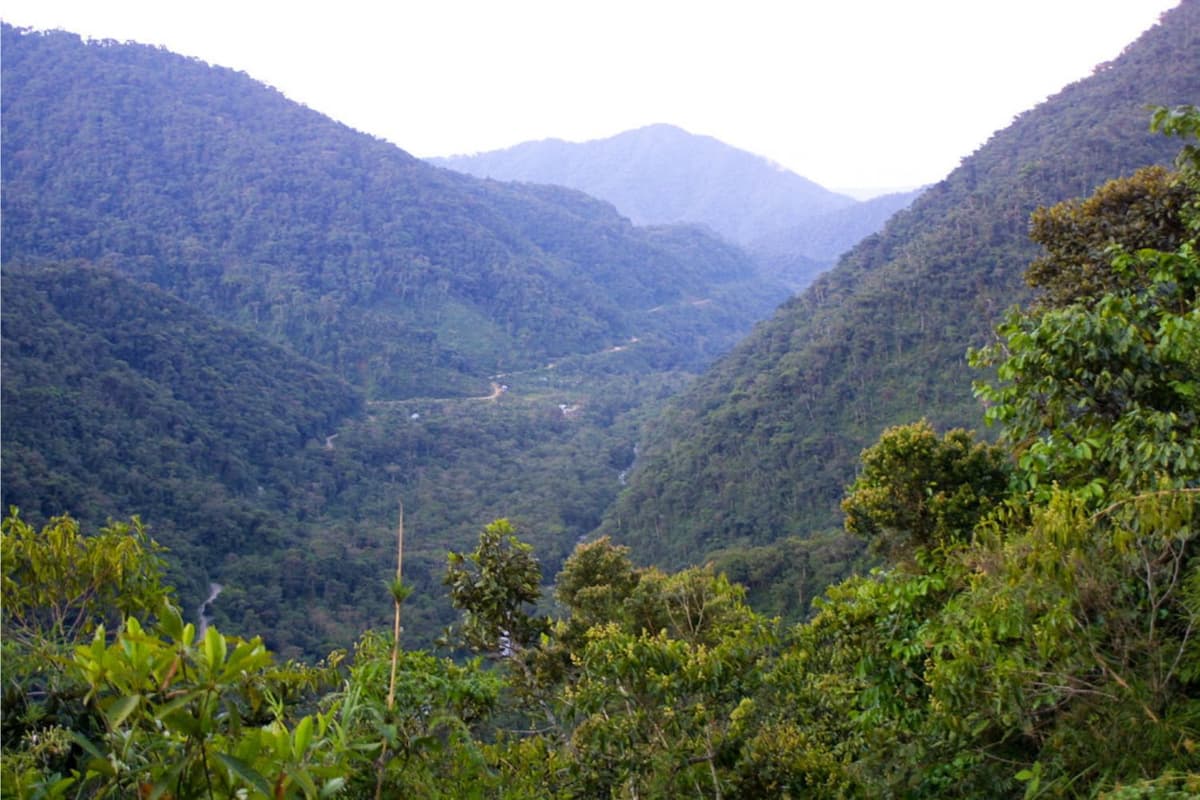
Manu Road in Peru. Image: Marcel Holyoak
The legendary Manu Road descends from Andean cloud forests into lowland Amazon rainforest, creating one of the world’s richest birding corridors. Birders may encounter cock-of-the-rocks, quetzals, antpittas, tanagers, and hundreds of additional species across different elevations in a single journey.
Abra Patricia
Abra Patricia is famous among birders as the home of the extremely rare Long-whiskered Owlet, one of the world’s most sought-after owl species. The moss-covered cloud forest also supports numerous hummingbirds, antpittas, and endemic Andean species.
Tambopata National Reserve
Tambopata is internationally known for its spectacular clay licks, where hundreds of parrots and macaws gather daily to consume mineral-rich clay. What’s more, the surrounding rainforest hosts an extraordinary diversity of raptors, toucans, monkeys, and river wildlife.
Papua New Guinea remains one of the most mysterious and rewarding birding destinations on Earth. Isolated landscapes and ancient rainforests have produced extraordinary levels of endemism, particularly among the spectacular Birds-of-Paradise.
Varirata National Park
Located near Port Moresby, Varirata National Park offers one of the easiest opportunities to observe Birds-of-Paradise without venturing deep into remote regions. Species such as the Raggiana Bird-of-Paradise and King Bird-of-Paradise are major highlights here.
Tari Valley
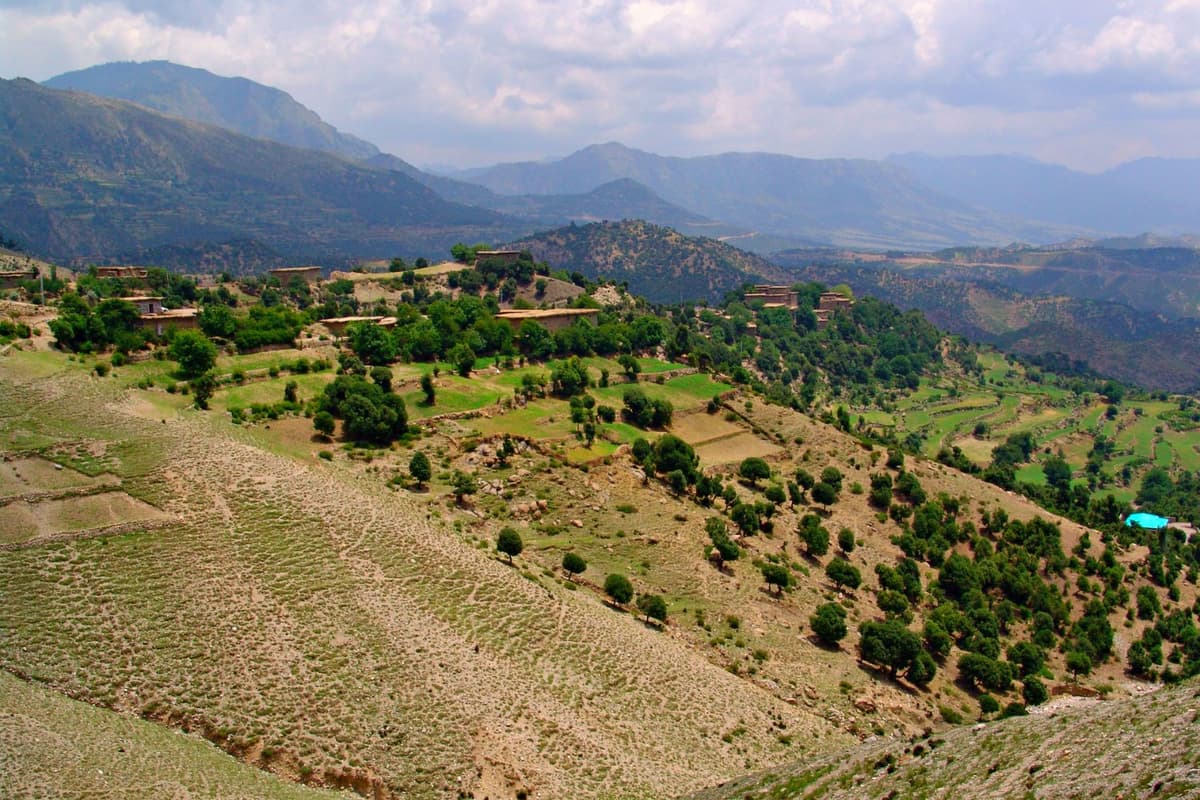
Tari Valley in Papua New Guinea
The remote Tari Valley combines exceptional highland birding with the unique cultural traditions of the Huli people. Birders travel Tari Valley often in search of Ribbon-tailed Astrapia and other dazzling high-altitude Birds-of-Paradise.
Mount Hagen
Dense montane rainforest surrounding Mount Hagen supports a high concentration of endemic species, including bowerbirds, parrots, and numerous Birds-of-Paradise found nowhere else on Earth!
Uganda is often called Africa’s hidden birding jewel due to its remarkable diversity of habitats and more than 1,000 recorded bird species.
Mabamba Swamp
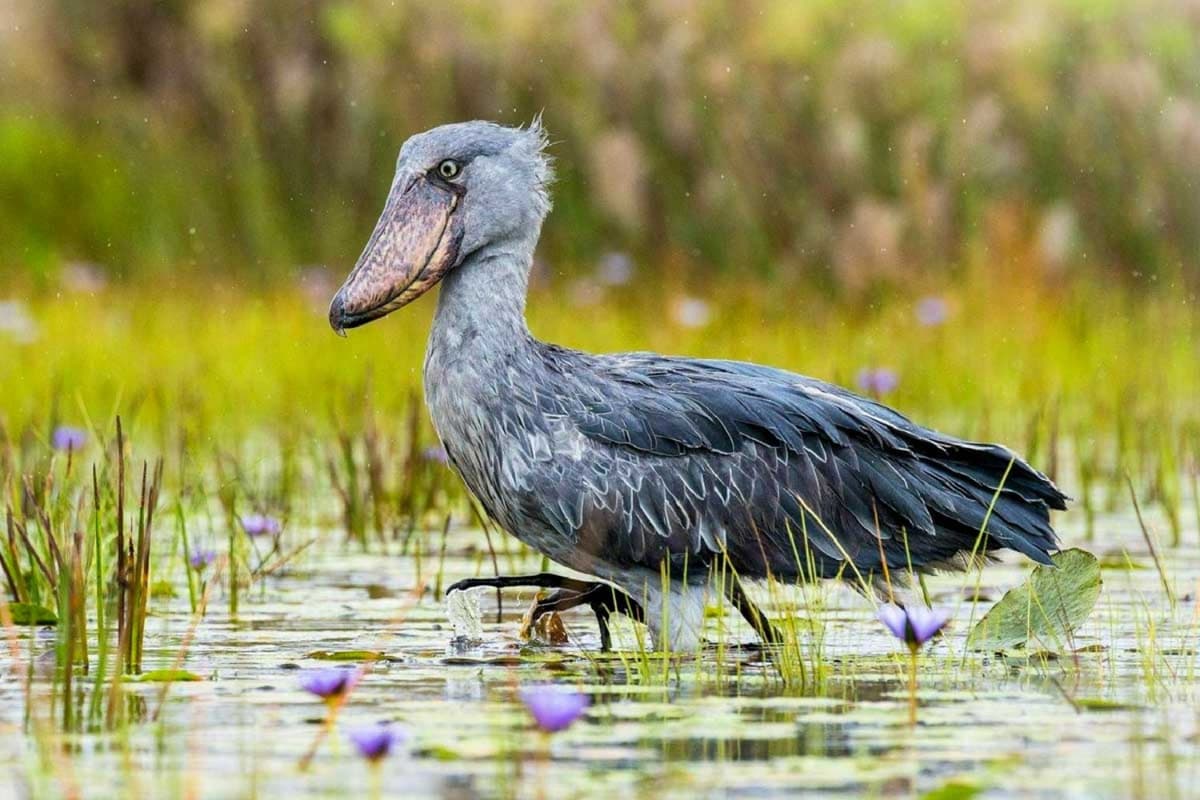
Uganda’s iconic shoebill stork in Mabamba swamp
Mabamba Swamp is the most famous destination in Africa for observing the prehistoric-looking Shoebill. Visitors typically explore the swamp by canoe while searching for this legendary species among papyrus wetlands.
Bwindi Impenetrable Forest
Although famous for mountain gorillas, Bwindi is also one of Africa’s premier birding forests. It hosts numerous Albertine Rift endemics including the African Green Broadbill and Shelley’s Crimsonwing.
Queen Elizabeth National Park
This Park contains an extraordinary variety of habitats ranging from savannah and wetlands to crater lakes and forests, supporting more than 600 bird species. Also, flamingos, kingfishers, storks, and raptors are commonly observed here.
Panama’s location between North and South America creates one of the richest bird migration corridors in the world.
Pipeline Road

Pipeline Road hike in Panama. Image: Acon Expeditions of Panama
Pipeline Road is legendary among birders for its incredible species diversity and world records for the number of birds observed in a single day. Visitors regularly encounter toucans, antbirds, trogons, and mixed feeding flocks along the forest trails.
Darien Gap
The remote Darien region attracts adventurous birders hoping to observe the mighty Harpy Eagle - one of the world’s most powerful raptors. The area also supports many difficult-to-find lowland rainforest specialists.
Chiriqui Highlands
The cool cloud forests of Chiriqui provide excellent opportunities to observe Resplendent Quetzals among misty mountain scenery. Hummingbirds and highland tanagers are also abundant throughout the region.
Last but not least, India offers extraordinary bird diversity at relatively affordable costs, making it one of Asia’s most accessible destinations for birders. Let’s look at some of the places you can go for birdwatching.
Keoladeo National Park (Bharatpur)
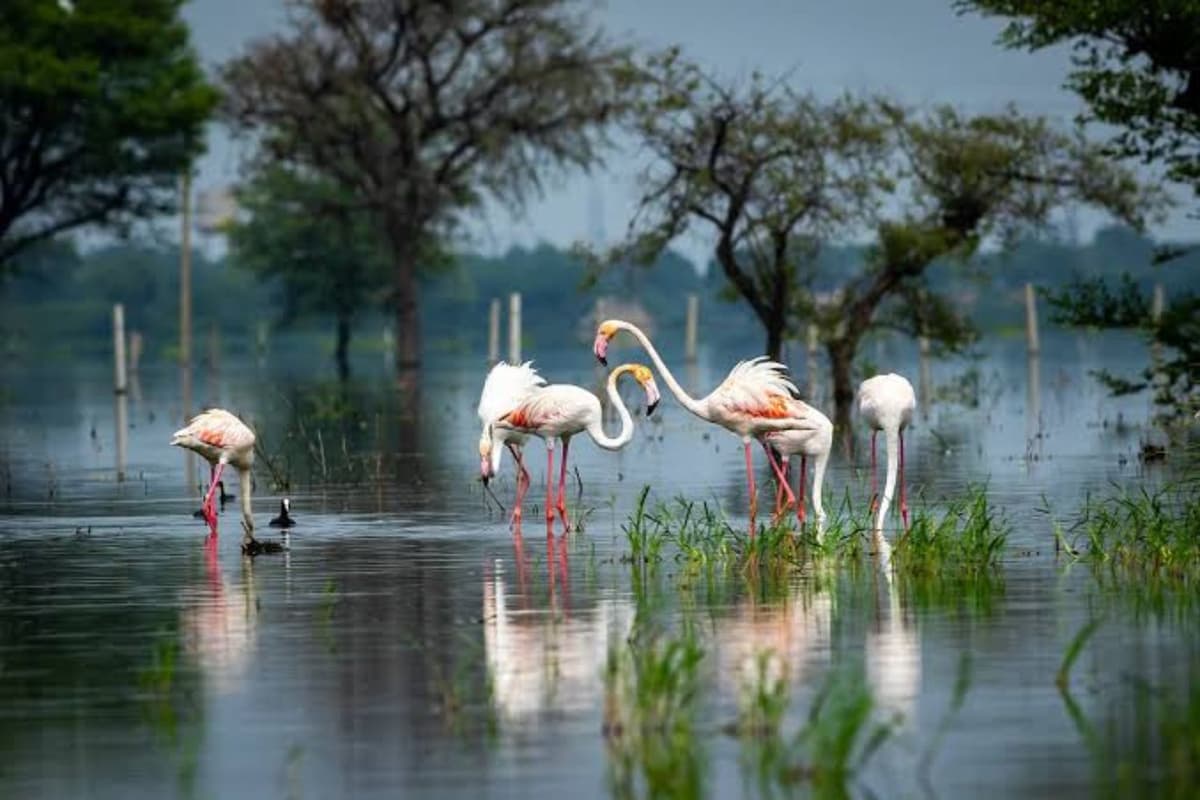
Keoladeo National Park is recognised as one of the world's most important bird breeding and feeding grounds.
This UNESCO World Heritage wetland attracts enormous numbers of migratory waterbirds every winter. Painted storks, cranes, pelicans, and countless ducks and waders usually found gathered within the Park’s wetlands.
Jim Corbett National Park
Located in the Himalayan foothills, Jim Corbett supports a rich diversity of forest birds, hornbills, raptors as well as riverine species. And if you’re lucky, you might also encounter mammals such as Asian elephants and Bengal tigers.
Thattekad Bird Sanctuary
Often referred to as the “bird paradise” of southern India, Thattekad Bird Sanctuary protects many endemic species of the Western Ghats, including hornbills, frogmouths, and rare forest flycatchers.
In the end, birdwatching is far more than a hobby - it’s a way of experiencing the world through patience, curiosity, and a deeper appreciation for nature. From the cloud forests of Costa Rica and Ecuador to the rainforests of Vietnam, Papua New Guinea, and Peru, every birding destination offers not only remarkable species, but also a chance to reconnect with some of the planet’s last truly wild places.
Whether you are standing quietly beneath the canopy waiting for a glimpse of a pitta, scanning wetlands for rare waterbirds, or hearing the dawn chorus echo through a tropical forest, birdwatching reminds us that nature still holds countless wonders waiting to be discovered.
As avitourism continues to grow around the world, responsible birding also plays an increasingly important role in conservation. Every ethical birding trip can help support local communities, protect fragile ecosystems, and raise awareness for endangered species and habitats.
So pack your binoculars, wake before sunrise, and follow the calls of the wild! Somewhere out there, your next birding encounter is already waiting.