Table of Content
Stories & Updates From THE WILD WORLD


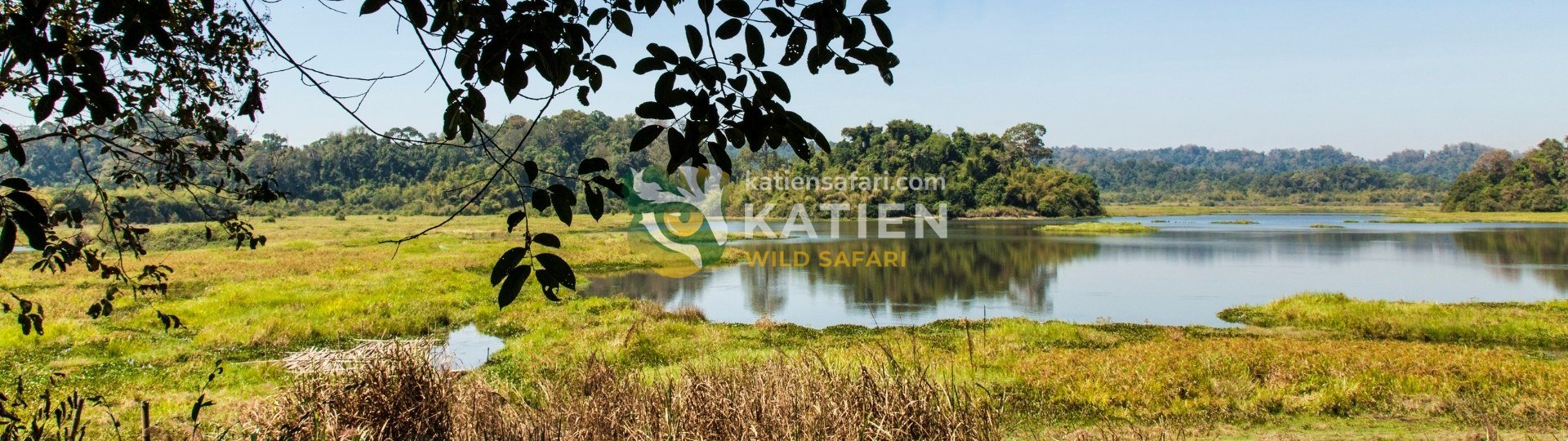
Wetlands are often mistaken for swamps or marshes, but they encompass far more than that. From mangrove forests and river floodplains to freshwater lakes and coastal lagoons, wetlands are among the most diverse and productive ecosystems on Earth. They provide habitat for countless species, regulate the global water cycle, store vast amounts of carbon, and support the livelihoods of millions of people.
Yet despite their importance, wetlands remain one of the world's fastest-disappearing ecosystems. Understanding what wetlands are and why they are internationally protected, is the first step toward appreciating their value.
A wetland is any area where water is the primary factor shaping the environment, the plants and animals that live there. Water might permanently cover the land, remain close to the soil surface year-round, or appear seasonally during rainy periods or flood seasons.
Because of these unique hydrological conditions, wetlands develop waterlogged soils and support specialized vegetation known as hydrophytes. They also have a remarkable diversity of wildlife adapted to life in and around water. Unlike purely aquatic or terrestrial ecosystems, wetlands form a transition zone where land and water meet, allowing both aquatic and land-based species to thrive.
Under the Ramsar Convention, wetlands are defined broadly to include natural and artificial areas of marsh, peatland, swamps, rivers, lakes, estuaries, mangrove forests, coral reefs, and shallow coastal waters less than six meters deep at low tide. This broad definition reflects the incredible diversity of wetland ecosystems found across the globe.
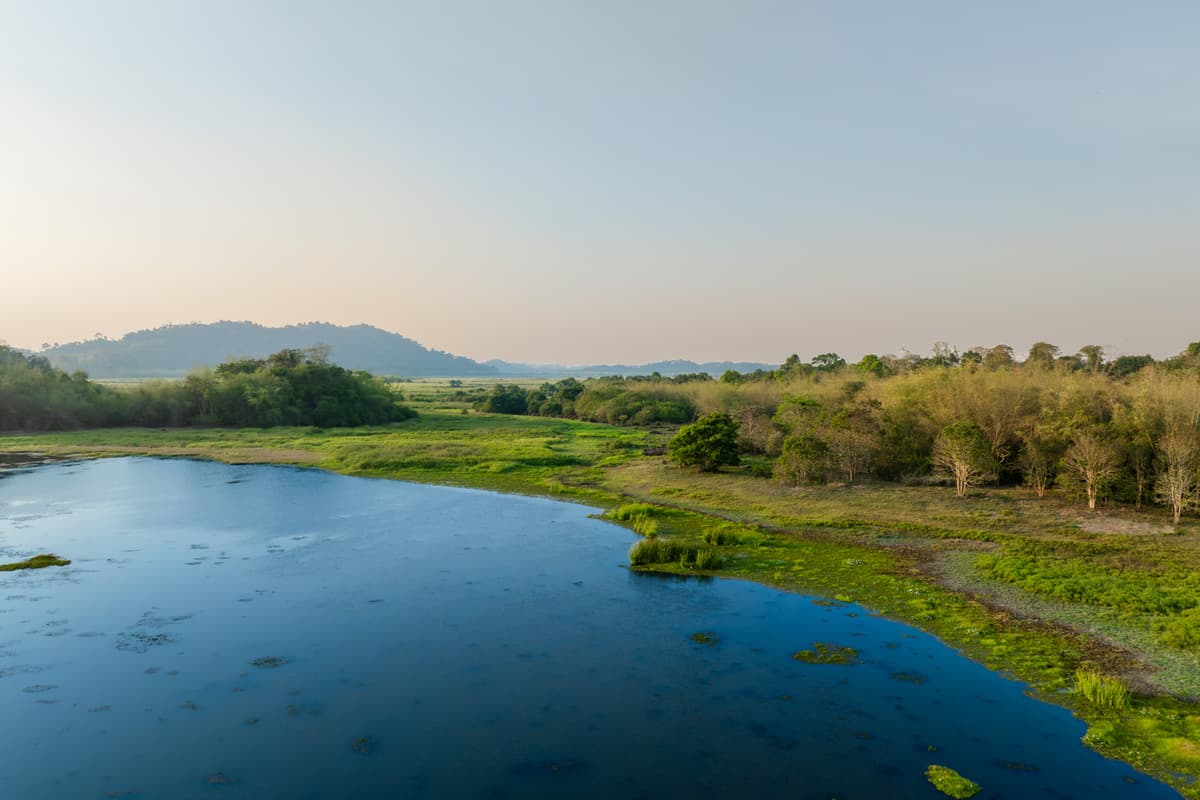
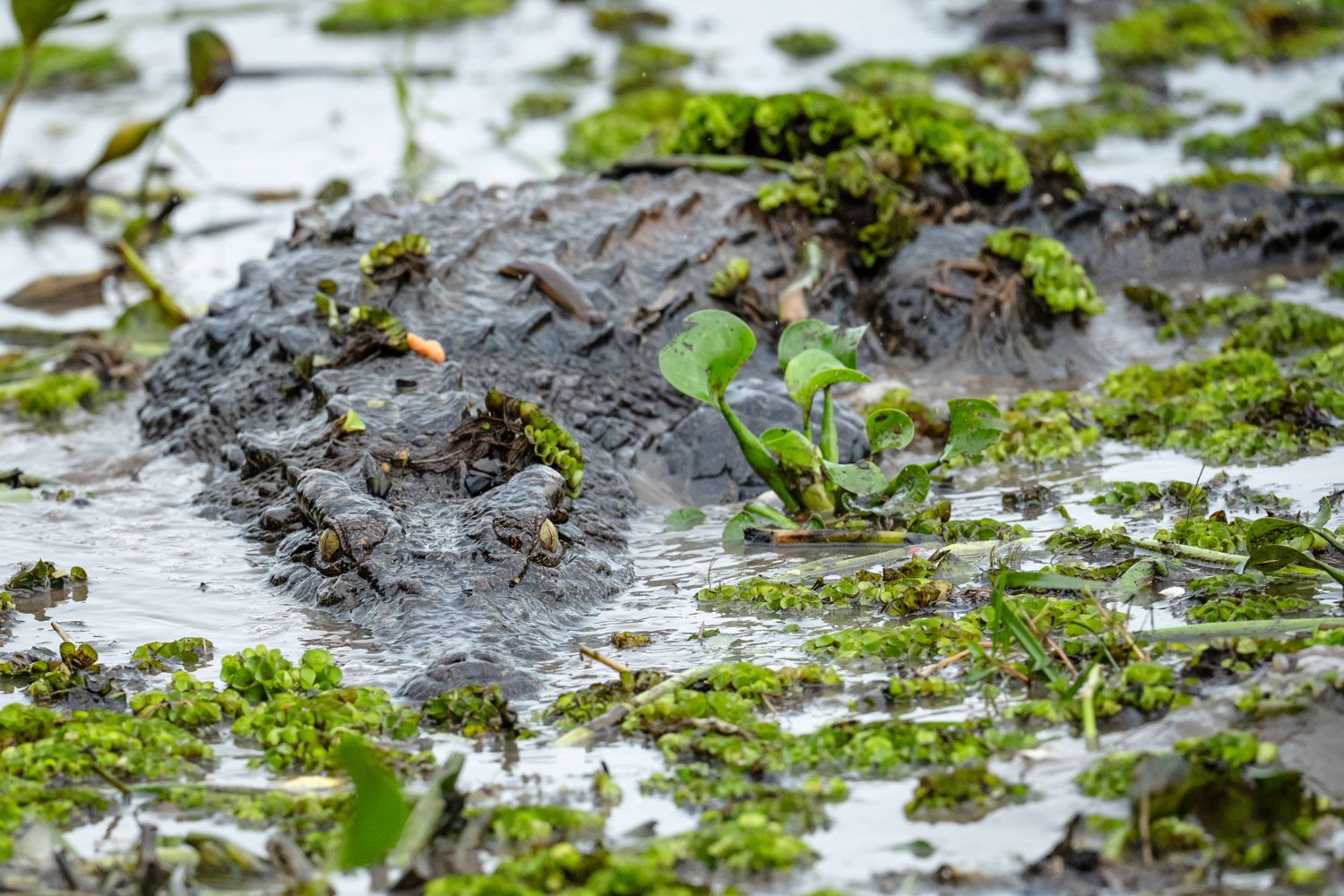
Under the Ramsar Convention, wetlands are defined to include areas of swamps, rivers, lakes and shallow coastal waters such as Bau Sau (Crocodile Lake) in Cat Tien National Park.
Scientists generally classify wetlands into five major categories:
Together, wetlands cover approximately 570 million hectares, or about 6% of the Earth's land surface. Despite occupying a relatively small area, they support nearly 40% of the world's biodiversity, making them some of the most important ecosystems for wildlife conservation.
Not every ecosystem remains underwater throughout the year. Some landscapes experience seasonal flooding, creating what are often referred to as semi-wetland ecosystems or seasonally inundated wetlands.
These areas alternate between dry and flooded conditions depending on rainfall and river levels. During the wet season, they become rich aquatic habitats supporting fish spawning, amphibians, waterbirds and aquatic plants. As floodwaters recede, they transform into grasslands or forests that provide food and shelter for terrestrial wildlife.
Vietnam is home to many remarkable examples of these dynamic ecosystems. The seasonally flooded grasslands of Tram Chim National Park, the freshwater wetlands of Bau Sau in Cat Tien National Park, and large areas of the Mekong Delta all depend on annual flood cycles that replenish nutrients, sustain biodiversity, and support local livelihoods.
These changing water levels are not a disturbance. They are the very process that keeps these ecosystems healthy and productive.
As wetlands around the world came under increasing pressure from development, pollution and land conversion, countries recognized the need for an international agreement to protect them.
This led to the creation of the Convention on Wetlands, more commonly known as the Ramsar Convention. Adopted in the Iranian city of Ramsar in 1971 and entering into force in 1975, it’s the world's oldest international environmental treaty focused on a single ecosystem. Today, nearly 90% of United Nations member states have joined the Convention as Contracting Parties.
The Ramsar Convention promotes the conservation and wise use of wetlands through national policies, international cooperation, scientific research and sustainable management. Sites designated under the Convention, known as Ramsar Sites, are recognized as wetlands of international importance because of their exceptional ecological, hydrological, botanical, zoological or cultural value.
For countries such as Vietnam, Ramsar designation helps safeguard critical habitats for migratory birds, endangered wildlife, freshwater resources and local communities while encouraging responsible eco-tourism and sustainable development.
As climate change accelerates and wetlands continue disappearing at a rate faster than forests, the Ramsar Convention has become more important than ever. It reminds us that conserving wetlands is not only about protecting wildlife, it’s also about securing clean water, mitigating floods, storing carbon and ensuring a more resilient future for both nature and people.
Wetlands are far more than places where land meets water. They are among the world's most valuable ecosystems, quietly performing ecological functions that are essential for both nature and people.
Wetlands function like giant natural sponges. During the rainy season, they absorb and store excess floodwater, slowing its flow and reducing the risk of flooding downstream. As water levels drop during the dry season, wetlands gradually release stored water back into rivers, lakes, and underground aquifers, helping maintain freshwater supplies when they are needed most.
At the same time, wetlands naturally improve water quality. Their soils, vegetation, and microorganisms trap sediments, absorb excess nutrients, and break down pollutants before they reach larger rivers, lakes or coastal waters. This natural filtration process benefits both wildlife and the millions of people who depend on clean water.
Along coastlines, mangrove forests provide another critical service by acting as living green barriers against extreme weather events. Their dense root systems dissipate wave energy, reduce coastal erosion and protect nearby communities from powerful storms and even tsunamis. In Vietnam, mangrove forests such as those in Can Gio and Ca Mau have long served as natural coastal fortresses, shielding vulnerable shorelines while supporting rich marine biodiversity.
Rather than relying solely on engineered seawalls, many countries are increasingly recognizing healthy mangrove ecosystems as one of the most effective forms of natural coastal defense.
As the world searches for ways to combat climate change, wetlands have emerged as one of nature's most effective carbon sinks.
Coastal wetlands, including mangrove forests, salt marshes, and seagrass meadows as well as peatlands store enormous amounts of carbon in their vegetation and waterlogged soils. This stored carbon, known as Blue Carbon, can remain locked away for centuries or even millennia when these ecosystems remain undisturbed.
On a per-hectare basis, mangroves and peatlands can store carbon up to ten times more efficiently than many terrestrial forests, making them invaluable in global climate mitigation efforts. As a result, wetland conservation and restoration are becoming increasingly important in carbon credit markets and national strategies to reduce greenhouse gas emissions.
However, when wetlands are drained, cleared or converted for agriculture and development, the carbon accumulated over hundreds or even thousands of years is released back into the atmosphere as carbon dioxide. Protecting wetlands therefore not only preserves their ability to absorb carbon but also prevents these massive carbon stores from becoming new sources of emissions.
Although wetlands cover only about 6% of the Earth's land surface, they support around 40% of all plant and animal species at some stage of their life cycle.
These ecosystems provide breeding grounds, nurseries, feeding areas and shelter for an incredible variety of wildlife such as fish, amphibians, reptiles, mammals, insects, and aquatic plants. Many commercially important fish species also depend on wetlands during their early life stages, making these habitats essential for both biodiversity and local livelihoods.
Wetlands are equally important for migratory birds. Every year, millions of birds rely on wetlands as critical stopover sites where they can rest and replenish their energy during journeys that span thousands of kilometers. Without healthy wetlands, many migratory species would struggle to complete these remarkable migrations.
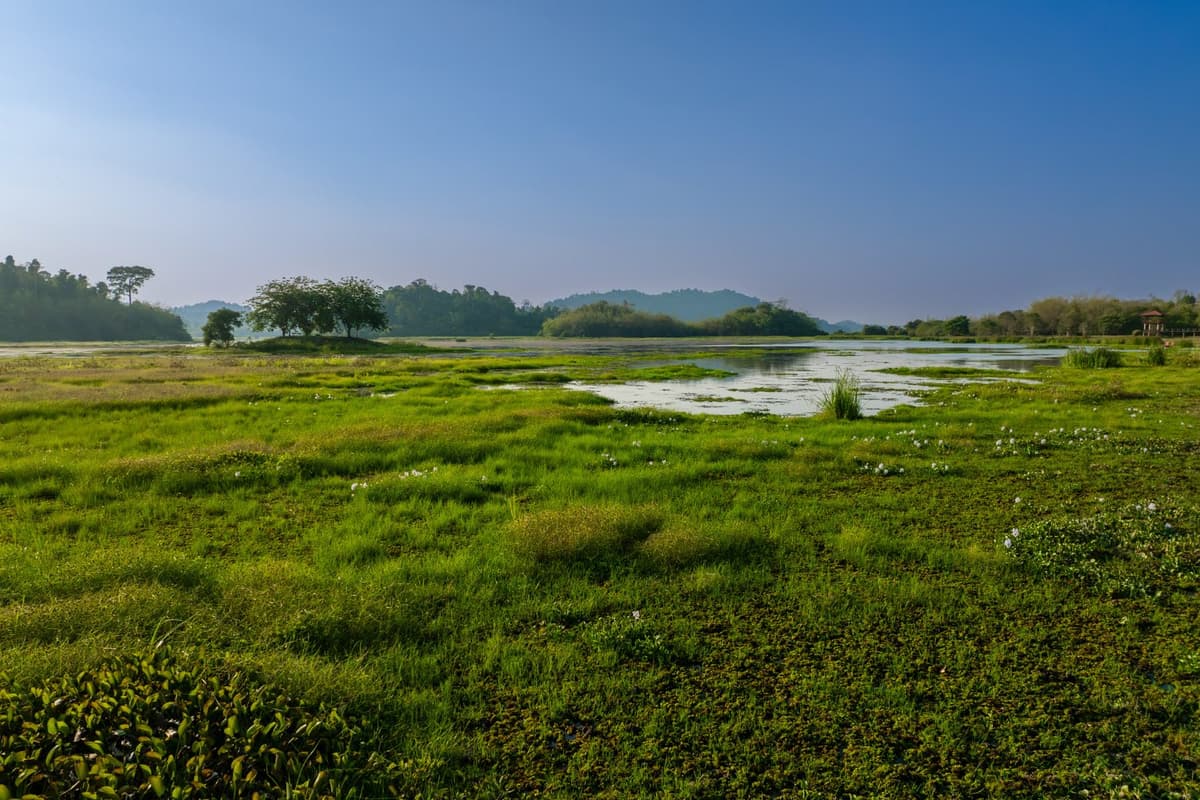
The three important roles of wetlands include filtering and regulating water, storing vast amounts of carbon, and serving as global reservoirs of biodiversity.
In Vietnam, Bau Sau in Cat Tien National Park is a powerful example of this richness. This inland freshwater wetland, surrounded by tropical rainforest, supports a com/plex food web that includes aquatic species, birds, and one of the country’s last remaining populations of the critically endangered Siamese crocodile. It is also an important habitat for a range of endangered and vulnerable bird species, along with mammals such as long-tailed macaques, which are commonly seen moving through the surrounding forest canopy. The mix of wetland and rainforest habitats creates ideal conditions for biodiversity to thrive, with species interacting across both aquatic and terrestrial ecosystems.
This exceptional diversity of habitats makes wetlands some of the most biologically productive ecosystems on Earth. Protecting them not only safeguards countless species but also helps maintain the ecological balance that human societies depend on every day.
Birdwatching has become one of the fastest-growing sectors of eco-tourism worldwide, generating billions of dollars annually and attracting millions of enthusiasts who travel specifically to observe rare and endemic bird species in their natural habitats. Equipped with binoculars, spotting scopes and long telephoto lenses, many birders spend days patiently waiting for the perfect sighting or photograph.
Vietnam is one of Southeast Asia's premier birdwatching destinations, with more than 960 recorded bird species thanks to its remarkable diversity of habitats from coastal wetlands and mangrove forests to tropical rainforests and highland mountains. The country is also home to several globally significant and near-endemic species, including the Germain's Peacock-Pheasant, Orange-necked Partridge, Vietnamese Greenfinch, Edwards's Pheasant, and the iconic rainforest birds such as the Great Hornbill and Green Peafowl.
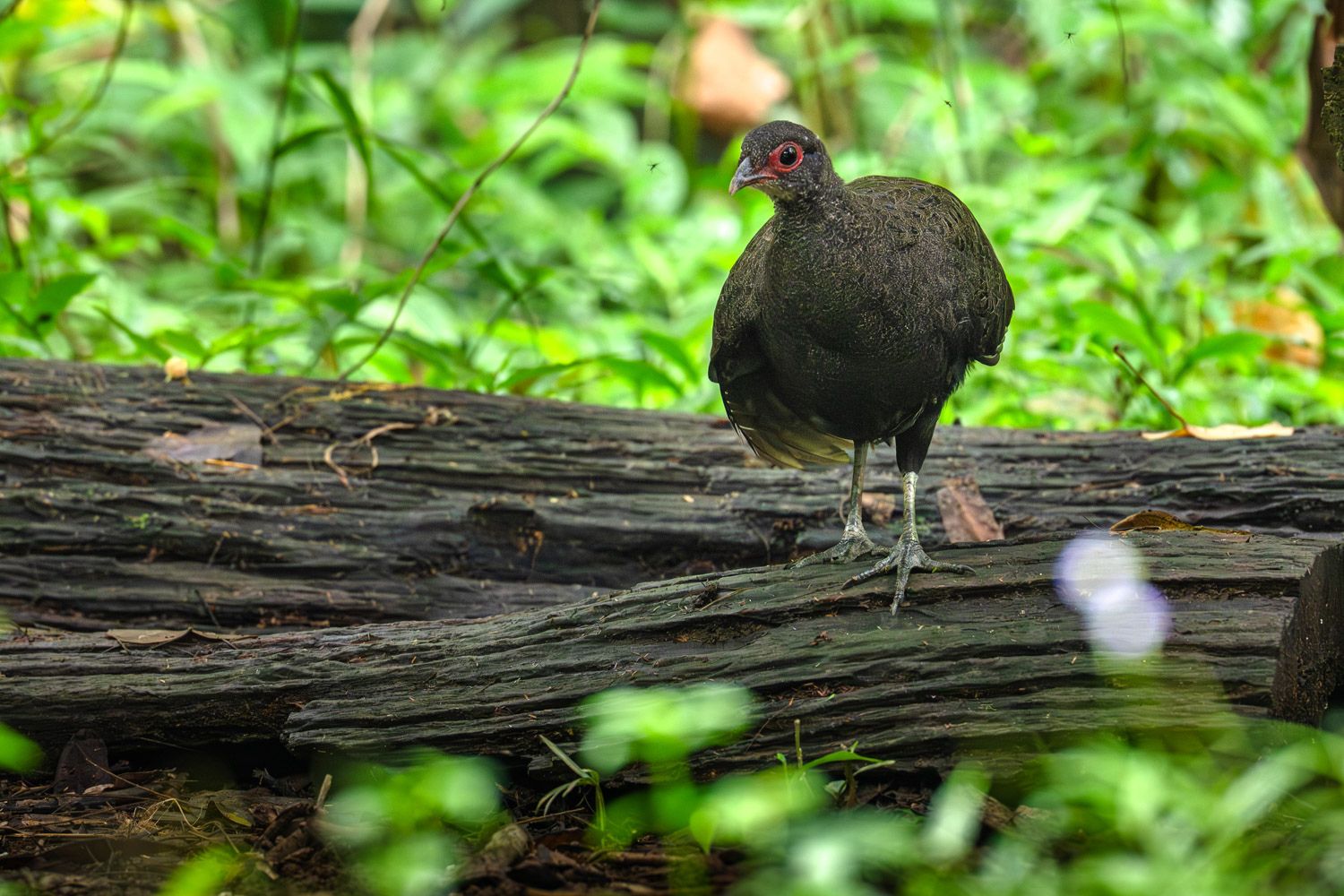
The female Germain’s Peacock-Pheasant is an elusive species endemic to southern Indochina and highly valued by birdwatchers. It can sometimes be seen emerging from the forest understory at designated wildlife hides in Cat Tien National Park.
Among Vietnam's protected areas, Cat Tien National Park stands out as one of the country's top birding hotspots, with more than 350 recorded bird species. Its mosaic of evergreen forest, bamboo woodland, grasslands, wetlands, and the Ramsar-listed Bau Sau creates ideal habitat for an exceptional variety of birds. Visitors may encounter spectacular species such as the Lesser Adjutant, Woolly-necked Stork, Great Hornbill, Green Peafowl and numerous kingfishers, woodpeckers, barbets and broadbills.
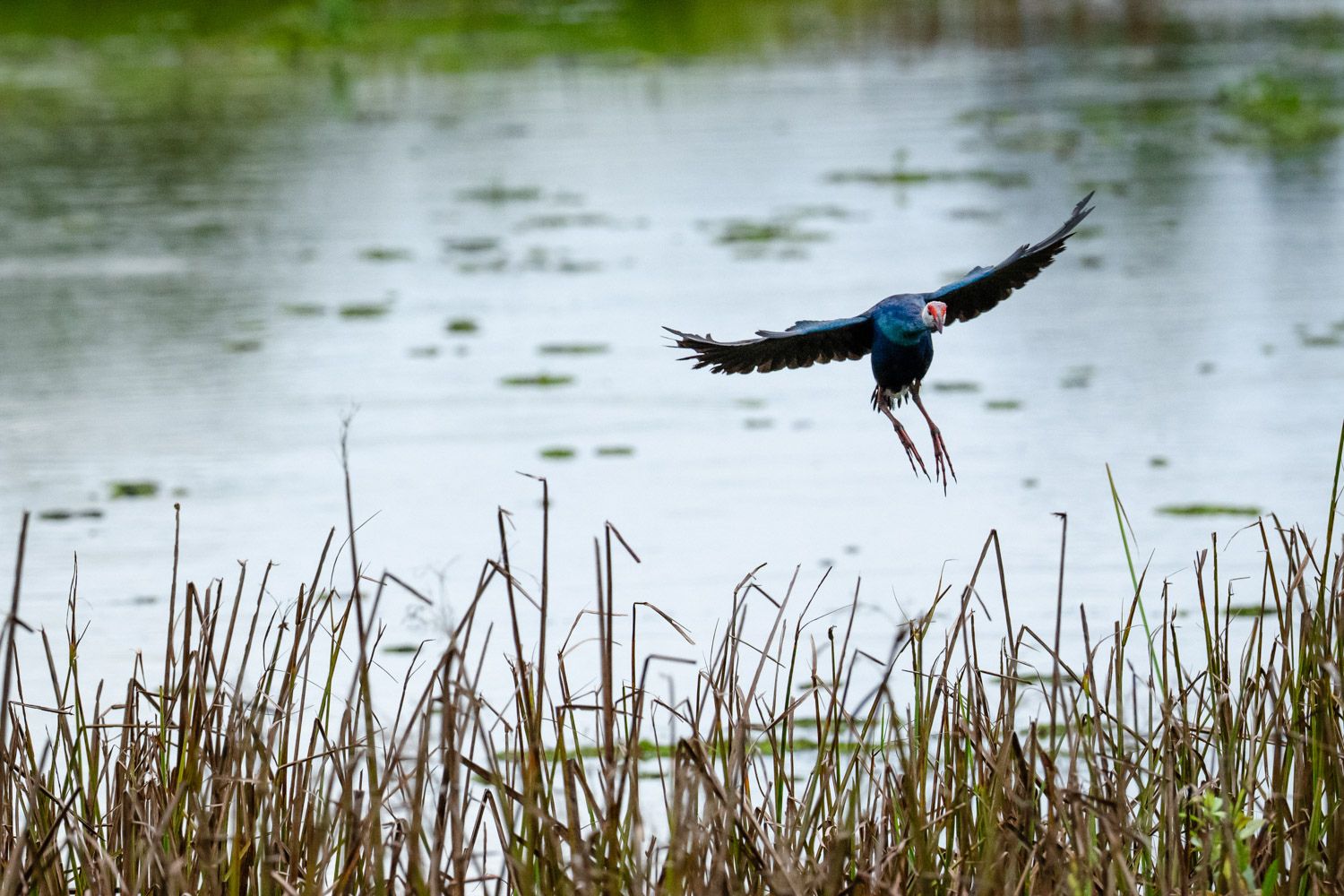
The Grey-headed Swamphen is a large and vibrant waterbird often found at Crocodile Lake in Cat Tien National Park.
Other Ramsar wetlands, including Xuan Thuy National Park in northern Vietnam and Tram Chim National Park in the Mekong Delta, are equally renowned among international birdwatchers. During migration seasons, thousands of waterbirds gather in these wetlands. Meanwhile, Tram Chim National Park remains one of the last strongholds of the endangered Sarus Crane in Vietnam.
Beyond the thrill of spotting rare wildlife, birdwatching directly supports conservation. Tourism revenue contributes to habitat protection, scientific research and local livelihoods, creating powerful incentives to preserve these internationally important wetlands.
For travelers seeking a slower, more immersive adventure, kayaking and stand-up paddleboarding offer one of the best ways to experience Vietnam's wetlands from water level.
Unlike motorboats, kayaks allow visitors to glide almost silently through narrow waterways with minimal disturbance to wildlife. Every bend reveals a different perspective - towering mangrove roots rising from the water, birds calling from the canopy, schools of fish darting beneath the surface, and the occasional glimpse of a monitor lizard.
Some of Vietnam's best paddling destinations are found within its wetland ecosystems. The mangrove forests of Can Gio Biosphere Reserve, Ca Mau National Park, and the Mekong Delta offer winding tidal creeks lined with dense mangroves that serve as nurseries for countless marine species. Inland, visitors can paddle beneath fragrant melaleuca forests at Tram Chim National Park, U Minh Thuong National Park, and U Minh Ha National Park, where flooded forests create peaceful waterways surrounded by birds, dragonflies, and aquatic plants.
In Cat Tien National Park, kayaking on the Dong Nai River or exploring seasonal wetlands around Bau Sau provides a completely different perspective on the park's Ramsar ecosystem. Early morning and late afternoon are particularly rewarding, when wildlife is most active and the wetlands are bathed in soft golden light.
Because these activities are quiet, non-motorized and low-impact, they align perfectly with the principles of sustainable tourism while allowing visitors to connect more with nature.
The wetlands of the Mekong Delta nourish far more than wildlife as they support the livelihoods of more than 17 million people living in Vietnam's largest agricultural region. For generations, communities have adapted their lives to the annual flood season, viewing it not as a disaster but as a time of abundance.
Each year, floodwaters bring nutrient-rich sediments, freshwater fish, shrimp, snails and edible aquatic plants that become the foundation of the region's seasonal cuisine. Among the best-known ingredients are ca linh (Mekong mud carp), bong dien dien (sesban flowers), bong sung (water lilies) and wild lotus stems.
These ingredients are transformed into beloved local dishes such as canh chua ca linh bong dien dien (sweet and sour soup with Mekong mud carp and sesban flowers), lau mam (fermented fish hotpot filled with seasonal vegetables), goi bong sung (water lily stem salad), grilled freshwater fish and a variety of rustic dishes prepared with wild herbs harvested from the wetlands.
Beyond savory cuisine, the Mekong Delta is also celebrated as Vietnam's "fruit basket." Fertile floodplain soils produce world-famous tropical fruits including Mekong mangoes, pomelo, durian, rambutan, mangosteen, longan, dragon fruit and star apple, many of which visitors can enjoy fresh from riverside orchards.
Experiencing these seasonal foods offers much more than a memorable meal. It tells the story of how local communities have lived in harmony with the rhythms of the flood season for centuries. By choosing locally sourced ingredients and community-based dining experiences, travelers help support sustainable livelihoods while encouraging the long-term conservation of the wetlands that make this unique culinary heritage possible.
| Ramsar Site | Province | Ecological Highlights | Best Eco-tourism Experiences |
|---|---|---|---|
| Xuan Thuy National Park | Nam Dinh | Southeast Asia's first Ramsar Site (designated in 1989). A coastal estuary where the Red River meets the sea, providing vital habitat for thousands of migratory shorebirds along the East Asian - Australasian Flyway. | Birdwatching and wildlife photography, especially for rare species such as the Black-faced Spoonbill, as well as sunrise photography over the tidal mudflats. |
| Bau Sau (Crocodile Lake), Cat Tien National Park | Dong Nai | A Ramsar-listed freshwater wetland surrounded by lowland tropical rainforest. One of the last strongholds of the critically endangered Siamese Crocodile in Vietnam and home to more than 370 bird species. | Hike through tropical forest with park rangers, spend the night at the Crocodile Lake ranger station, observe crocodiles after dark, and enjoy world-class birdwatching and wildlife photography. |
| Tram Chim National Park | Dong Thap | A vast seasonally flooded wetland in the Mekong Delta, famous for its melaleuca forests, lotus marshes, and grasslands. It is one of Vietnam's last remaining habitats for the endangered Sarus Crane and supports hundreds of waterbird species. | Explore the wetlands by traditional sampan during the flood season, watch spectacular sunrises over lotus fields, photograph waterbirds, and experience the unique rhythms of the Mekong Delta. |
| Van Long Nature Reserve | Ninh Binh | Vietnam's largest remaining natural inland wetland, surrounded by dramatic limestone karst mountains. The reserve is internationally recognized for protecting the world's largest population of the critically endangered Delacour's Langur. | Drift through tranquil wetlands on a traditional bamboo boat, photograph towering limestone landscapes reflected in crystal-clear water, explore caves, and search for Delacour's langurs on the cliffs. |
Despite their immense ecological and economic value, wetlands are disappearing faster than almost any other ecosystem on Earth. Around the world, these landscapes continue to face growing pressure from human activities and climate change, threatening the wildlife and communities that depend on them.
Protecting Ramsar Sites requires more than government policies and conservation projects, it also depends on the choices made by every visitor who explores these remarkable places.
Over the past century, millions of hectares of wetlands have been drained, reclaimed or degraded to make way for agriculture, aquaculture, urban expansion and infrastructure development. Many rivers have been dammed or diverted, altering the natural flood cycles that wetlands rely on to function.
Pollution from agricultural runoff, industrial waste and plastic debris further degrades water quality, affecting fish populations, aquatic plants and countless other species. At the same time, invasive species can outcompete native plants and animals, disrupting delicate ecological balances.
Climate change is intensifying these challenges. Rising sea levels threaten coastal wetlands such as mangrove forests while prolonged droughts and increasingly unpredictable rainfall patterns alter freshwater ecosystems across Vietnam and beyond. Even small changes in water levels can affect breeding grounds for birds, fish, amphibians and other wetland-dependent wildlife.
For migratory birds, the loss of a single wetland can also have consequences far beyond one location. Many species depend on a network of wetlands along their migration routes, and the disappearance of one critical stopover site may reduce their chances of completing journeys that span thousands of kilometers.
The consequences extend far beyond biodiversity. Around the world, millions of people depend on healthy wetlands for their livelihoods. In Vietnam, fishing communities, rice farmers, fruit growers, and honey collectors all rely on the seasonal rhythms and natural productivity of wetland ecosystems. When wetlands are degraded, fish catches decline, fertile floodplains become less productive, freshwater becomes scarcer and nature-based tourism opportunities diminish. Traditional ways of life that have evolved alongside wetlands for generations are increasingly placed at risk.
Protecting wetlands, therefore, is not only about conserving wildlife, it’s also about safeguarding food security, sustaining local economies, preserving cultural heritage and ensuring that future generations can continue to benefit from the many ecosystem services these extraordinary landscapes provide.
Every visitor has the opportunity to contribute to wetland conservation through responsible travel. Small actions, when practiced consistently by thousands of travelers, can make a meaningful difference.
When visiting Ramsar Sites, you can consider following these simple principles:
Ultimately, the future of Ramsar Sites depends on a shared commitment between conservationists, local communities, governments, and visitors. Responsible travel allows us to experience some of the most spectacular natural landscapes while also helping protect wetlands that support wildlife, store carbon, regulate floods, and inspire future generations.
For more information about us and what we do, you can visit www.katiensafari.com